
REVIEW · CALI TOURS
3 Days in Malaga Bay (Pacific Coast)
Whales, sunsets, and glowing water, in three days. This Cali-to-Pacific trip sends you to Bahía Málaga for boat time, whale season sightings, and a night swim where the sea lights up. You start early, you travel by boat, and you end each day with the feeling you actually went somewhere wild.
I love the way the days mix big wildlife moments with real sensory stuff you can feel, like sunset at Playa La Barra for great photos and the blue-green glow of bioluminescent plankton. I also like that the whale portion is built around the best season window, July through October, so the odds are genuinely higher than if you go randomly.
One consideration: the schedule is not laid-back. Day 1 starts at 04:45 and you return to Cali around 8pm on Day 3, plus Day 2 depends on tides for timing at Juan de Dios.
In This Review
- Key highlights you will care about
- Getting from Cali to Bahía Málaga starts before sunrise
- Uramba Bahía Málaga whale watching, and why timing matters
- Playa La Barra sunset and the night glow of plankton
- Cascada La Sierpe, Ostional pools, and a tide-timed beach day
- A free morning that turns into recycling and beach cleaning
- Where you sleep and how the days flow
- Price and value: what $650 buys on this kind of route
- Who this tour is best for (and who should think twice)
- Practical tips so the Pacific treats you well
- Should you book 3 Days in Malaga Bay?
- FAQ
- Where is the tour meeting point in Cali?
- What time does the trip depart on Day 1?
- How long is the boat ride from Buenaventura to Juanchaco?
- When is the best season for whale watching on this route?
- What does the bioluminescent plankton activity involve, and can I take photos?
- What happens on Day 2 at Cascada La Sierpe and Playa Juan de Dios?
- What do you do on Day 3 before leaving for Cali?
- How late can you cancel for a full refund?
Key highlights you will care about
- Whale season timing (July to October) for a higher chance of real whale behavior, not just a fin
- Boat rides out of Juanchaco toward Uramba Bahía Málaga National Park
- Bioluminescent plankton at night with no photos, but a memory you cannot fake
- Waterfalls and natural pools around La Sierpe and Ostional
- Playa Juan de Dios depends on the tide so timing can shift with conditions
- A private setup where it is just your group, not a big chaotic bus tour
Getting from Cali to Bahía Málaga starts before sunrise
Day 1 begins with a 04:45 departure from Cali toward Buenaventura. Before you even reach the Pacific, you stop for breakfast in the Lobo Guerrero sector, and you learn how ecosystems change along the road. That early context matters because Bahía Málaga is not just one view. It is a whole system, mangroves, beaches, estuary edges, and open ocean all feeding into each other.
Buenaventura is the key port on Colombia’s Pacific. Once you arrive, you get a slice of history about how the port works and why it matters to the region. Then you board a boat for the trip to Juanchaco, about 45 minutes. This is one of those transfers that turns into part of the experience, because the coastline looks totally different as the land flattens into bay and sea.
After arriving in Juanchaco, you take a craft vehicle up to the hotel area, where you receive new recommendations for what comes next. Plan for a day that moves. You are not just sightseeing, you are traveling in the morning, then in the ocean, then at night, then sleeping close enough to reset for Day 2.
More things to do in Cali:
- A day to enjoy nature and have an adventure in the Jordan river
★ 5.0 · 469 reviews - Cali: City Tour | Guided tour around the city
★ 5.0 · 287 reviews - Shared Tour of the Historical and Cultural Center of Cali
★ 5.0 · 211 reviews
Uramba Bahía Málaga whale watching, and why timing matters
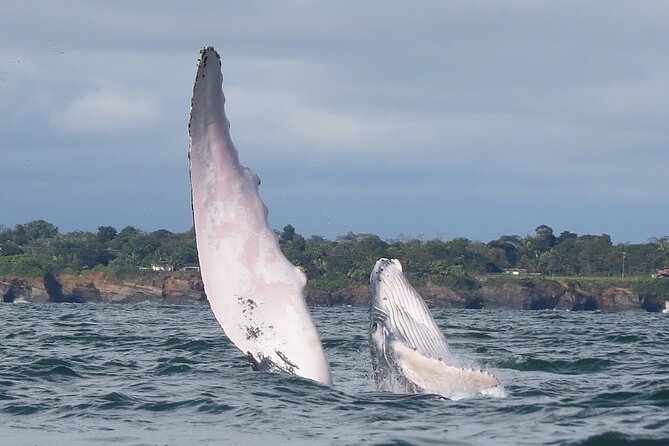
The main whale watching piece happens on the water in Uramba Bahía Málaga National Natural Park. You leave Juanchaco by boat and head toward where whales can be seen. The goal is not only to spot whales, but to see behavior: adults sometimes lift their tails, show backs or fins, and jump, and the calves often copy what their mothers do.
This is also where the July to October season window becomes practical. In this time frame, whale season is active, and the tour emphasizes that the probability of sightings is high. That matters because whale watching can be a coin flip in the wrong months. When it is the right season, you get more than a quick hump in the distance.
A real plus is the way you are guided on the water. In past trips, guides have worked to avoid stressing the animals. The result is a more respectful experience and, usually, better viewing, because the whales keep doing their thing instead of reacting to loud or careless boat behavior. You are out for about 3 hours, so it is long enough to have moments, even if the ocean decides to play games.
If your expectation is only seeing whales far away, you might feel satisfied anyway. But if you want real whale movement, this is the kind of season-and-location combo that gives you a better shot.
Playa La Barra sunset and the night glow of plankton
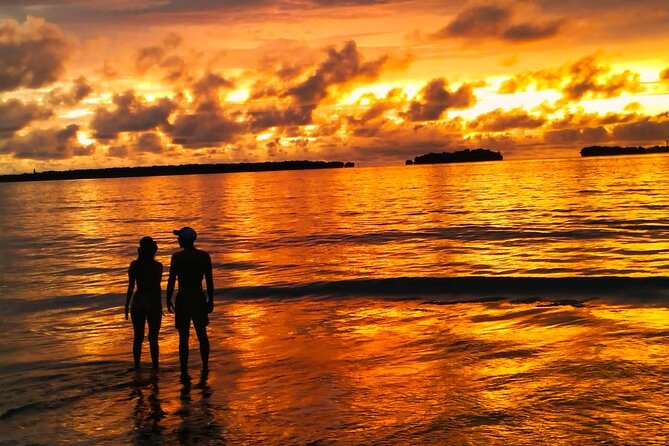
After the whale time, Day 1 turns toward the coast. You finish the afternoon with sunset at Playa La Barra, which is known as one of the best sunset spots for photography on the Colombian Pacific. Even if you do not care about photos, sunset here is a built-in emotional payoff. The bay light changes fast, and you feel the shift from daytime heat to cooler evening air.
Then comes the night activity: bioluminescent plankton. This is the part that sounds unreal until you are standing in the dark water and the sea answers your movement with blue-green light. The plan is to enter the sea at night to appreciate the plankton glow. You should know upfront: there are no photos allowed for this activity. That can feel odd until you realize it is partly about keeping the moment natural and not turning it into a screen show.
What you get instead is a sensory memory. Moving water lights up on contact, or by the way it swirls around you. It is one of those experiences that sticks because you are not just looking at something. You are participating in it. If you are comfortable in water at night and do not mind being without phone photos, this is a highlight.
Cascada La Sierpe, Ostional pools, and a tide-timed beach day
Day 2 starts with breakfast at the hotel and then heads to the Sierpe and Ostional waterfalls. This is not a dry viewpoint day. You go to Cascada La Sierpe, then spend time bathing and enjoying the puddles and natural pools that form where the waterfalls join the estuary. Waterfalls in the Pacific are often about sound and spray as much as scenery, so expect damp air and time actually in the environment.
You have about 3 hours at this stop, with admission included. Bring the mindset that this is a swim day, not a stay-dry day. If you like nature that involves getting wet, you will enjoy this more than you think you will.
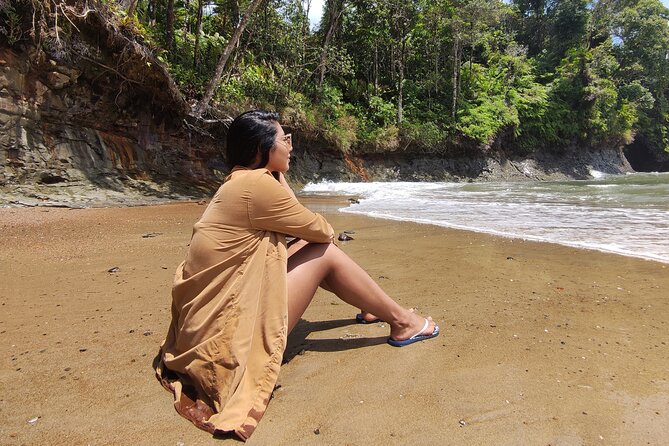
Then you head to Playa Juan de Dios, where the vibe changes to beach time. The sand is described as clear, and you get time to swim, sunbathe, and explore intertidal caverns. There is also a panoramic view from the chucheros viewpoint, plus lunch with the area community.
One practical detail: the journey and time at Juan de Dios depends on the tides. That is not just an inconvenience. It affects what you can access, including the intertidal caves. So if the ocean is high, you may get different visuals than you hoped. That is normal. The upside is that you are seeing the coast as a living system, not as a fixed postcard.
Same city, a completely different day:
- Street Food Tour
★ 5.0 · 157 reviews - Shared Tour Cali’s Historical Downtown
★ 4.8 · 143 reviews - Historical Shared Tour Salsa, Graffiti & Resistance in Cali
★ 5.0 · 107 reviews - The Cali Street Food Walking Tour
★ 5.0 · 81 reviews
A free morning that turns into recycling and beach cleaning
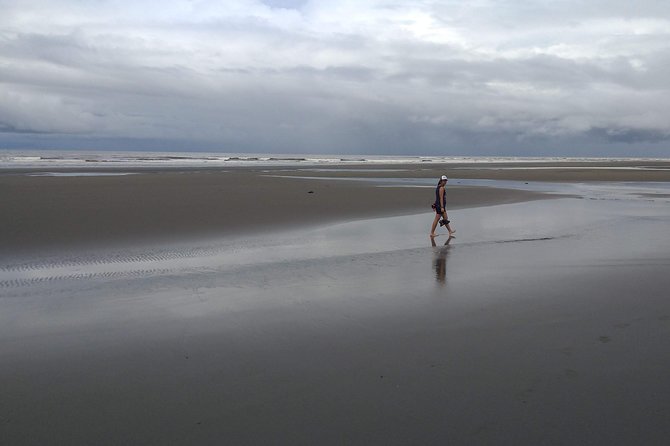
Day 3 starts with breakfast, then you have a free morning until 11am. This part is meant to give you breathing room, enough time to reset after two ocean days. It also helps you pace yourself emotionally, since bioluminescent plankton and whale watching can feel like back-to-back intensity.
After that, the tour shifts into action with a recycling workshop and a beach cleaning day. The aim is environmental awareness around waste management. You are not just consuming a destination, you are improving it for the next people who will walk the sand and see the water.
After lunch, you leave for Juanchaco, Buenaventura, and then Cali. You arrive around 8pm, and you eat dinner on the road. It is a long return day, so plan for an early night mindset once you get back.
Where you sleep and how the days flow
You stay in a hotel near the harbor area by the water in the Juanchaco/Buenaventura side of things. Past trips have described it as a nice place, clean, with air conditioning. That matters on the Pacific coast, because humidity can be tiring, and you want real recovery time after boat rides.
The way the schedule stacks also helps. Each day alternates between water and land, with meals placed at transitions. That prevents the trip from feeling like a constant rush. You still have early starts and full days, but the structure gives you time to return to yourself before the next activity.
Also, because this is a private tour, you are not juggling a large mixed group. Your experience should feel more coordinated, especially when you are dealing with boats, tides, and nighttime activities.
Price and value: what $650 buys on this kind of route
At $650 per person for 3 days, you are paying for more than entry fees. You are paying for the whole chain: early transfer from Cali, getting to the Pacific port, boat time to Juanchaco and out toward Uramba, lodging near the harbor, and the set of included activities.
The plan lists admissions as free or included depending on the stop, but the key point is that whale watching and the bioluminescent plankton activity are included. You are also spending real time at the waterfalls and the beach, and the Day 2 lunch includes time with the local community.
Value is also about effort. This route is hard to stitch together yourself without local connections, especially for whale season timing and the night plankton part. A private setup also helps, because you are coordinating around tides and sea conditions, not just showing up.
On the guide side, you can end up with professionals like César, the founder of Viajes CHE (Travel Che), plus guides such as Julián from Cali and local Álex. When guides explain what you are seeing and also handle safe, calm whale-watching behavior, you feel the difference between a tour that just moves you and one that actually manages the details.
Who this tour is best for (and who should think twice)
This experience is ideal if you are a nature-first traveler. You should like whales, waterfalls, beaches, and water-based activities. You should also be comfortable with the idea that timing matters. Whale season window is July to October, tides shape Playa Juan de Dios, and the plankton experience happens at night.
You will likely enjoy it if you like learning on the road too. The ecosystem explanation along the drive and the port history in Buenaventura give you a foundation, so the bay feels bigger than a single stop.
Think twice if you dislike early mornings or late returns. Day 1 is 04:45, and Day 3 has you returning to Cali around 8pm. Also think about your comfort with entering the sea at night for plankton. If you are not comfortable in water after dark, this could feel stressful instead of magical.
If you are traveling as a couple, small group, or family group that enjoys hands-on nature, the private format is a strong plus.
Practical tips so the Pacific treats you well
- Pack for water and weather changes. You will swim at waterfalls and enter the sea at night. Bring water shoes or something with grip.
- Bring sun protection for daylight beach time. You will have clear sand swimming and sunbathing time at Playa Juan de Dios and sunset at La Barra.
- Plan for a tide-dependent schedule. If your timing feels off at Juan de Dios, it is usually because tides are doing their job.
- Expect no phone moment for plankton. The activity is intentionally photo-free, so be ready to experience it fully without documenting it.
- Keep your energy for boat days. There is significant water travel and multiple ocean-related activities, so eat what they provide and hydrate.
Should you book 3 Days in Malaga Bay?
I think you should book this tour if you want a focused Pacific Colombia nature trip, with whales in season, a real nighttime bioluminescent experience, and a full Day 2 mix of waterfalls and tidal coastal exploration. The value feels solid because it bundles transportation, lodging near the harbor, and the key included activities, especially whale watching and plankton.
Skip it if you want a slow, flexible vacation with no early starts. This is a structured 3 days with boat schedules and tide timing. It also asks for water comfort, including nighttime sea entry.
If you are the type who likes to trade routine for real nature moments, this is the kind of trip that can change how you picture Colombia’s Pacific coast.
FAQ
Where is the tour meeting point in Cali?
You start at Hotel Intercontinental Cali, Av. Colombia #2-72, Normandía Sebastián de Belalcazar, Cali, Valle del Cauca, Colombia, and the activity ends back at the same meeting point.
What time does the trip depart on Day 1?
Day 1 includes a 04:45 am departure from Cali to Buenaventura.
How long is the boat ride from Buenaventura to Juanchaco?
The boat trip from Buenaventura to Juanchaco lasts approximately 45 minutes.
When is the best season for whale watching on this route?
Whale watching is tied to whale season from July to October.
What does the bioluminescent plankton activity involve, and can I take photos?
The bioluminescent plankton activity is a night activity where you enter the sea and see blue-green light on contact or movement. There will be no photos during this activity.
What happens on Day 2 at Cascada La Sierpe and Playa Juan de Dios?
At Cascada La Sierpe and Ostional waterfalls, you have time to bathe and enjoy natural pools. At Playa Juan de Dios, you can swim, sunbathe, explore intertidal caverns, view the bay from the chucheros viewpoint, and enjoy lunch with the local community, with timing dependent on tides.
What do you do on Day 3 before leaving for Cali?
After breakfast, you have free morning time until 11am, then you join a recycling workshop and beach cleaning day for waste management awareness. After lunch, you leave for Juanchaco, Buenaventura, and Cali, arriving around 8pm.
How late can you cancel for a full refund?
You can cancel up to 3 days in advance of the experience for a full refund. If you cancel less than 3 days before the start time, the amount you paid will not be refunded.
Hot off the list in Cali
- Trekking to Pico de Loro★ 4.5 · 14 reviews
- Sugar Cane Hacienda El Paraiso & Nature Day Tour★ 4.0 · 6 reviews
- Private Transfer from Cali Airport (CLO)★ 5.0 · 4 reviews
- Trekking & Rivering Reserve Pericos★ 5.0 · 5 reviews
- Friday Night Street Salsa and Bar Crawl in Cali, Colombia★ 4.5 · 24 reviews
- Saturday Night Bar Crawl in Cali, Colombia★ 5.0 · 20 reviews
- San Cipriano & River Adventure Day Tour★ 4.5 · 11 reviews
- San Cipriano River Tubing Relax Day★ 5.0 · 4 reviews
Cali Tours, compared.
A day to enjoy nature and have an adventure in the Jordan river
Read our review →
Shared Tour of the Historical and Cultural Center of Cali
Read our review →
Historical Shared Tour Salsa, Graffiti & Resistance in Cali
Read our review →
San Cipriano Rainforest – River, Waterfalls and Adventure Day
Read our review →Browse the lists this tour appears in