
REVIEW · MEDELLÍN TOURS
Anti tour Medellin
Medellín has a memory problem. This Anti Tour Medellín walks you through what got demolished, silenced, or deliberately left out, from La Alpujarra down to the Casa de la Memoria Museum, with viche tasting and real human stories that hit differently than standard sightseeing.
One thing to plan for: it is not a smooth, classic stroll. You will be on foot and moving through parts of the center that can feel hectic or uncomfortable, so wear comfortable walking shoes and keep close to your guide when the streets get crowded or confusing.
In This Review
- Key highlights you will remember
- Anti Tour Medellín: what you learn when the city changes
- La Raza and La Alpujarra: where power shows its cards
- Parque de las Luces and the modern center: reading replacement in plain sight
- El Hueco and Palacio Nacional: when everyday noise meets old authority
- La Veracruz and Plaza Botero: culture used as a rebrand
- Coltejer and Junín Street: the cost of economic ambition
- La Alpujarra spirits workshop and the human layer of the conflict
- La Playa Avenue and Casa de la Memoria: reflecting without rushing
- Price and timing: is it good value for $33 and 3 hours?
- Safety, comfort, and the reality of walking the center
- Who this Anti Tour Medellín fits best
- Should you book Anti Tour Medellín?
- FAQ
- How long is the Anti Tour Medellín?
- Where does the tour start?
- Is the tour guided in English?
- What is included in the price?
- What should I bring or wear?
- Do I need transportation included?
- Is the tour wheelchair accessible?
Key highlights you will remember
- A history lesson built around absence, not postcards
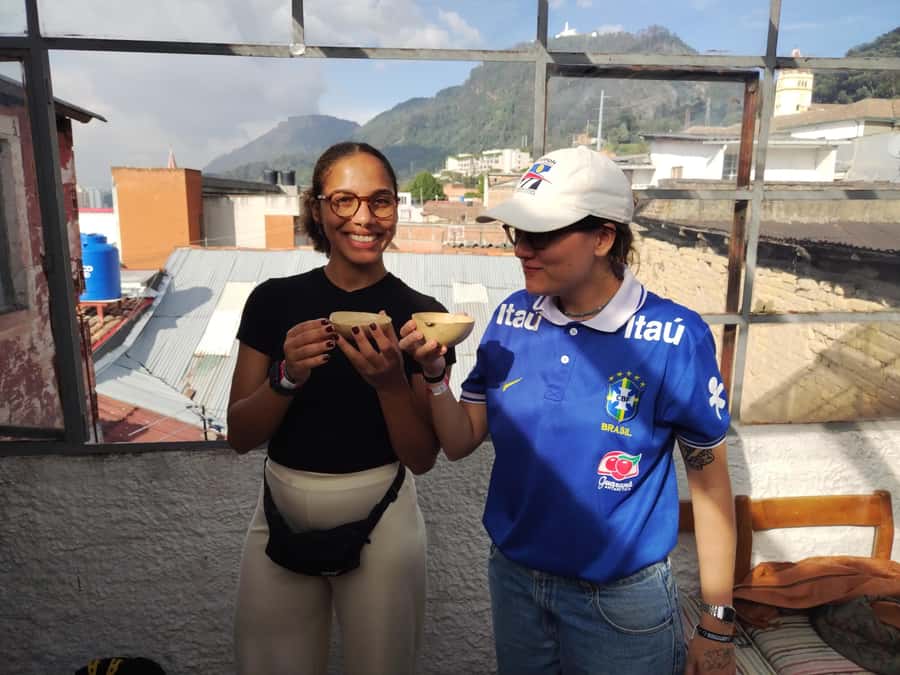
- La Alpujarra spirits workshop and traditional viche tasting
- Stories connected to Colombia’s armed conflict, including ex-combatants and victims
- Casa de la Memoria Museum ticket included, with time to reflect
- An English live guide who explains the city with context, not buzzwords
- A route mixing surviving colonial corners with modern redevelopment, so you can compare directly
Anti Tour Medellín: what you learn when the city changes
If you only visit Medellín’s “look at me” spots, you miss the other Medellín. This tour is built around the parts of town that were erased, reshaped, or repackaged, and it asks the blunt question: what did progress cost?
I like that the tour does not treat the past like a museum piece behind glass. You walk through the spaces where power and identity were renegotiated, and you see how new buildings can look shiny while old meanings get quietly pushed out.
More things to do in Medellin:
- Medellin: Comuna 13 Graffiti Tour, Cable Car & Street Food
★ 4.8 · 9,046 reviews - Comuna 13 Graffiti Tour with Street Food
★ 5.0 · 7,503 reviews - Museo Pablo Escobar
★ 5.0 · 7,242 reviews
La Raza and La Alpujarra: where power shows its cards
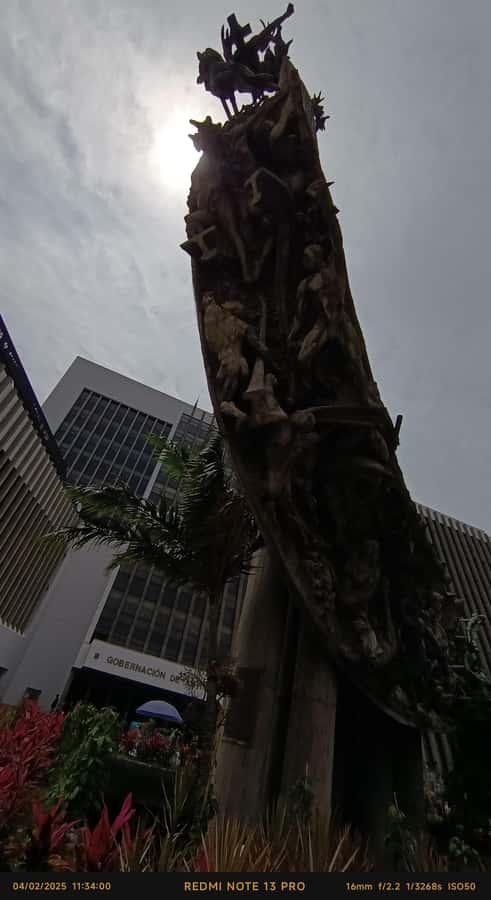
The tour starts at the Monumento a la Raza, a strong symbol of identity and authority. From there, you head toward La Alpujarra, the city’s political and administrative core, where decisions have shaped what the public can see and what gets removed.
In this area, you also get a key piece of context: industrialization and modernization did not just bring change, it set the stage for tearing down parts of the historic center. I like how the guide keeps connecting dots, so you understand that redevelopment is not just a design choice, it is a political move.
Parque de las Luces and the modern center: reading replacement in plain sight
Next comes Parque de las Luces, once a lively market square, now marked by poles and light that illuminate a history that no longer exists in its original form. It is a strange feeling, seeing a “new” public space where an older city rhythm got interrupted.
Around the park you notice the push and pull between memory and redevelopment. Buildings like the Carré and Vásquez, the EPM Library, and other modern structures help you compare eras without needing a slideshow. You start to feel how Medellín’s story can be told through what stayed and what was traded away.
El Hueco and Palacio Nacional: when everyday noise meets old authority
The tour shifts into El Hueco, a commercial district where the street life is loud, crowded, and unmistakably Medellín. Informal trade, music, and moving crowds show the pulse of daily life, and that matters because conflict and redevelopment do not happen in quiet rooms.
Here, old fragments still sit next to modern construction. It is not a clean, curated contrast. You see the “unfinished” feeling of a city that keeps moving, sometimes without pausing to process what got lost.
Then you reach Palacio Nacional, a former judicial palace now turned into a shopping center. That change is not just architectural, it is symbolic. When the place that once represented law and judgment becomes retail space, you get a real-world example of how power and meaning can be repackaged.
Same city, a completely different day:
- Guatapé Tour: Piedra del Peñol with Boat Tour, Breakfast, Lunch
★ 5.0 · 7,035 reviews - Medellín: The Real Pablo Escobar Tour
★ 4.8 · 3,205 reviews - Day Trip To Guatapé with ,Breakfast, Lunch and Boat Ride
★ 5.0 · 2,996 reviews - Comuna 13 Graffitour knows the urban art district of Medellín
★ 5.0 · 2,856 reviews
La Veracruz and Plaza Botero: culture used as a rebrand
A short walk nearby brings you to the Church of La Veracruz, one of the last colonial survivors. It reads like a quiet act of resistance, not because it is loud, but because it endured while so much else got reshaped.
From there, Plaza Botero puts you in the heart of a different kind of conversation: art as political messaging. Botero’s sculptures and the imposing Palacio de la Cultura Rafael Uribe Uribe make it clear that culture can be used to redefine identity and reshape how people talk about the city.
This is one of my favorite parts because it is not abstract. You look at the same space through different lenses: heritage, image-making, and how a city markets itself when it wants to move on.
Coltejer and Junín Street: the cost of economic ambition
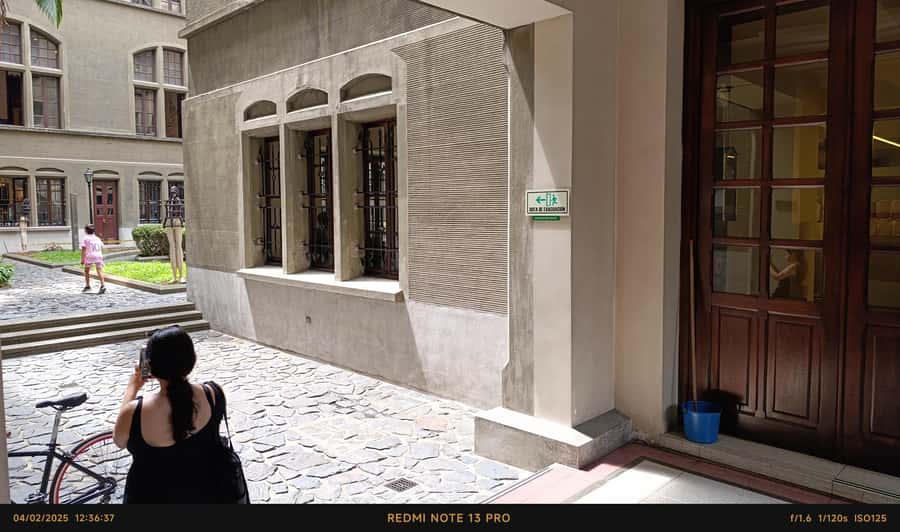
As the tour continues, you trace the city’s economic ambition through landmarks like the Coltejer Building. It is a reminder that Medellín has long wanted to signal progress through industry and tall, visible projects.
Then you go toward Junín Street, once described as the heart of more elegant urban life. The guide frames it as a slow displacement of collective memory, where economic growth pushes older social patterns aside until they feel like distant stories instead of lived experience.
I appreciate how this part keeps your brain engaged. You are not just looking. You are connecting the physical streets to the idea of who gets centered, who gets removed, and how easily “today” can erase “yesterday.”
La Alpujarra spirits workshop and the human layer of the conflict
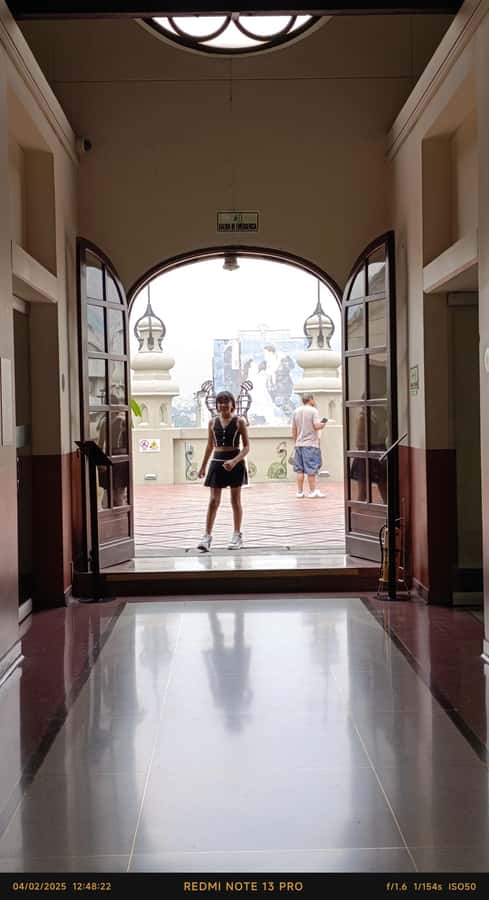
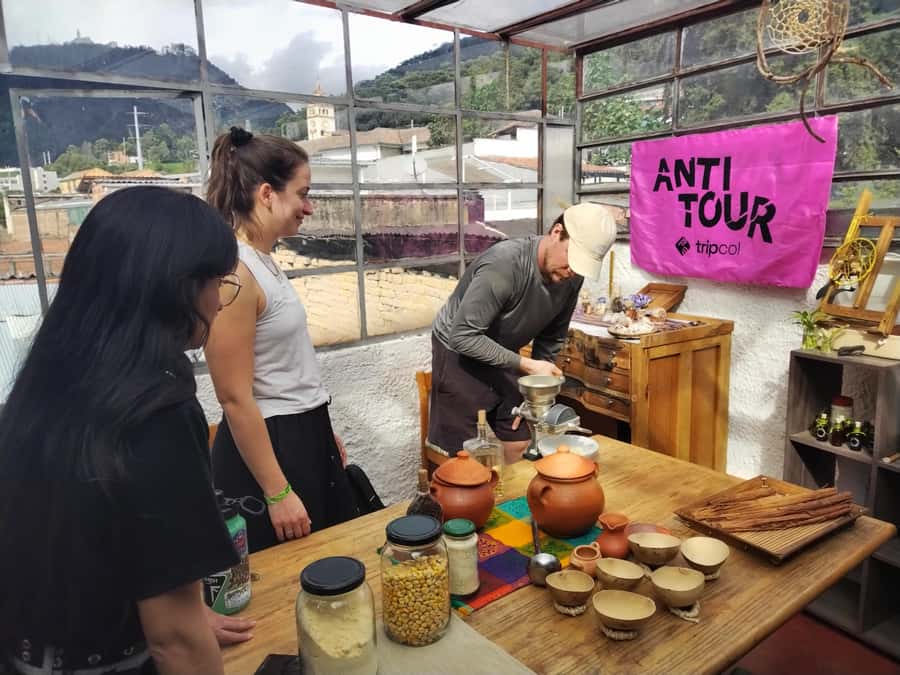
One of the standout components is the La Alpujarra spirits workshop, where you get a traditional liquor tasting using viche. It is hands-on and social in a way that makes the tour feel grounded, not lecture-only.
What elevates it is that this experience ties into the armed conflict through people connected to it, including ex-combatants and victims. That is where the tour becomes emotional in a real, human way, not just historical or theoretical.
If you care about how places are shaped by trauma and survival, this is the point where the tour stops being geography and becomes responsibility. You leave the tasting thinking about how remembrance can coexist with everyday life.
La Playa Avenue and Casa de la Memoria: reflecting without rushing
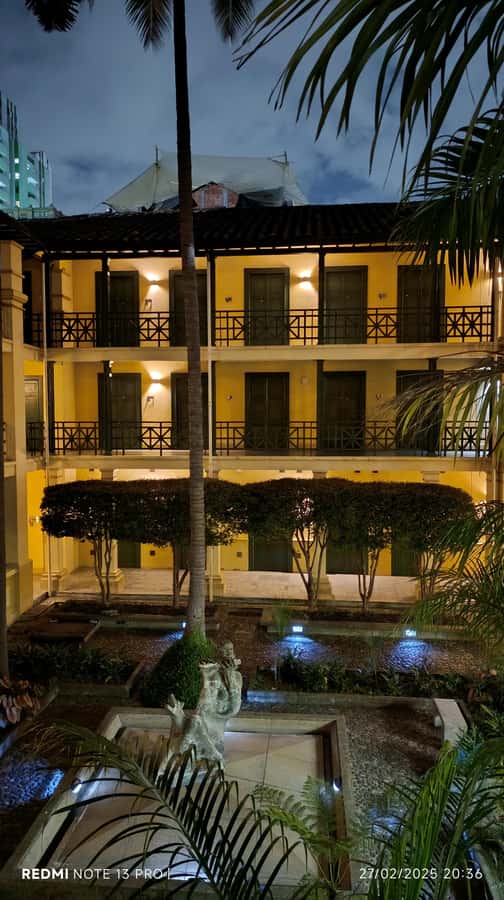
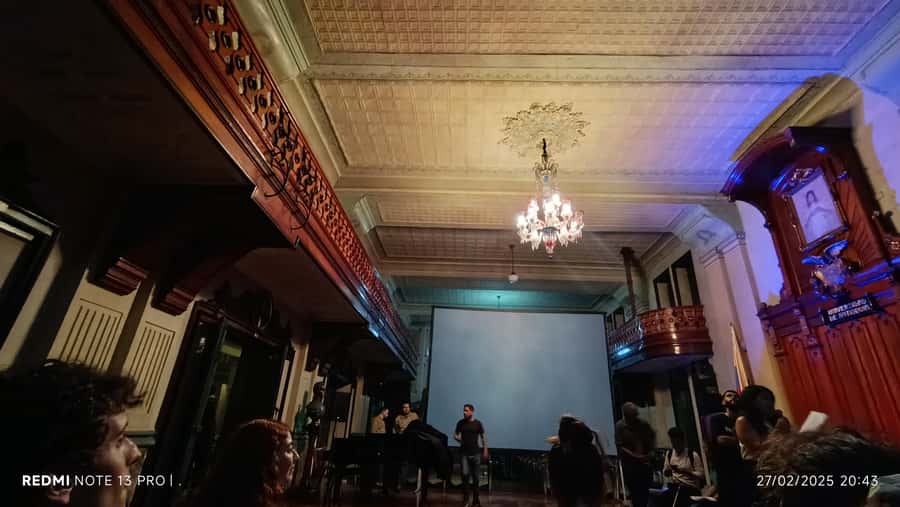
The closing stretch moves you to La Playa Avenue, where traces of the city’s aristocratic past show up in theaters and older mansions. It is a shift in tone, but the tour keeps the thread: violence, loss, and resilience are part of Medellín’s physical story, not only its written one.
Finally, you visit the Casa de la Memoria Museum. This is where you slow down. The included time gives you a chance to absorb what you heard on the walk, then sit with it in a space built for reflection.
The tour ends at Parroquia de San Ignacio de Loyola, which is a useful landing spot because you are already in a recognizable area when you plan your next stop or dinner.
Price and timing: is it good value for $33 and 3 hours?
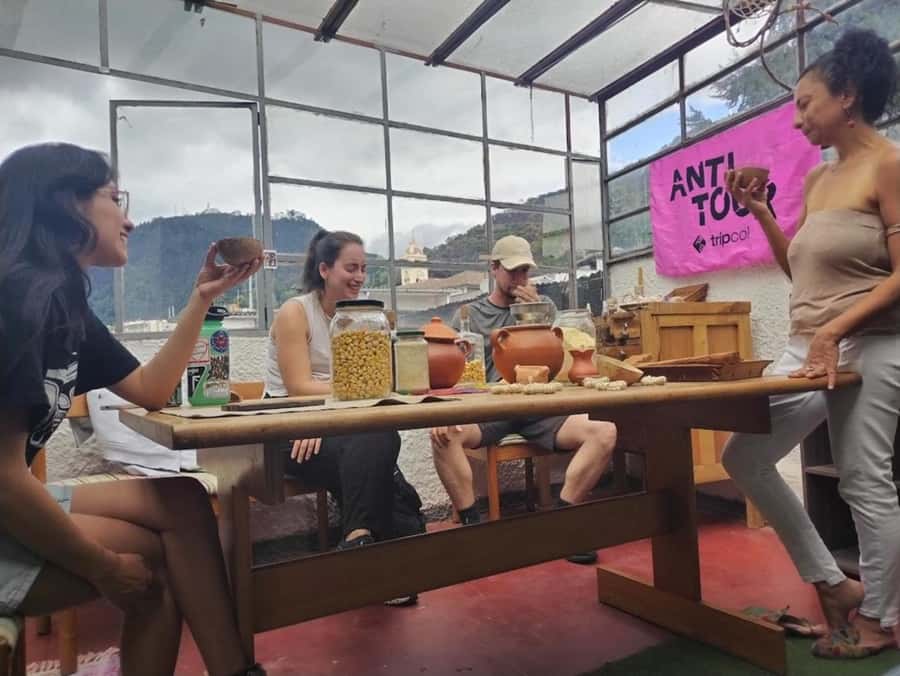
At $33 per person for a 3-hour, English guided experience, the value is strong if you want more than photos. You are not just paying for walking, you are paying for guided interpretation, several key stops across the center, viche tasting, and the Casa de la Memoria Museum ticket.
Also, the mix of short visits and a bit of scenic movement helps keep the pace realistic. This matters because context-heavy tours can become exhausting if everything is done at full speed on foot.
Two practical notes. Transportation to and from the activity is not included, so you will want to budget for your own way to the meeting point. And because the tour is focused on meaning, you will get more out of it if you come ready to pay attention, not just capture quick images.
Safety, comfort, and the reality of walking the center
The city sections can be crowded, and some parts can feel less comfortable than the smoother tourist corridors. The best move is simple: stay with the guide, keep your phone secured, and follow the group’s instructions.
You also want to plan for sun and changing weather. The tour’s advice is practical: wear comfortable shoes, bring a hat and sunscreen, and consider carrying water and snacks. A camera helps because you will see contrasts you will want to remember.
One more constraint: it is not suitable for wheelchair users. If that affects you, ask the provider about alternatives that match your mobility needs.
Who this Anti Tour Medellín fits best
This tour fits you if you want Medellín without the smoothing layer. You will like it if you enjoy thoughtful storytelling tied directly to buildings, street corners, and how public space is redesigned.
It is also a good choice if you are traveling with the kind of curiosity that asks uncomfortable questions and can handle emotional topics respectfully. Meeting people connected to Colombia’s armed conflict, then visiting the Casa de la Memoria Museum, is not light content.
I would skip it if you want a purely scenic walk, minimal walking, or an upbeat “only good vibes” atmosphere. This is about understanding how the city was built, and what got erased along the way.
Should you book Anti Tour Medellín?
Yes, if your goal is to understand Medellín, not just consume it. For $33, you get a guided, English-language route through key redevelopment sites, viche tasting, and a museum visit that gives the story a place to land.
Book it if you are ready for walking, some street tension, and history that comes with emotion. Skip it if you want a relaxed, traditional sightseeing format or you need wheelchair-friendly access.
If you do book, go with comfortable shoes, sun protection, and a mindset that says I will pay attention to what the city tries to forget.
FAQ
How long is the Anti Tour Medellín?
The tour lasts 3 hours.
Where does the tour start?
It meets in front of the Monumento a la Raza.
Is the tour guided in English?
Yes, it includes an English live tour guide.
What is included in the price?
The guided tour includes visits around the old city center areas, a viche tasting, visits and insights at multiple historic and modern sites, and the Casa de la Memoria Museum ticket.
What should I bring or wear?
Wear comfortable walking shoes, bring a hat and sunscreen, and consider bringing water and snacks. A camera is recommended.
Do I need transportation included?
No, transportation to and from the activity is not included.
Is the tour wheelchair accessible?
No, it is not suitable for wheelchair users.
Hot off the list in Medellin
- Tour Medellín: Pablo Escobar and Commune 13★ 5.0 · 3 reviews
- Tour Guatapé – Piedra del Peñol with departure from Medellín★ 5.0 · 24 reviews
- Tour Guatapé con visita a Granja de las Llamas y las Alpacas★ 3.5 · 11 reviews
- Shared Tour to Comuna 13 & Aurora Cable Car in Medellin★ 5.0 · 4 reviews
- Medellín: Flower Farm & Silletero History Tour★ 4.3 · 23 reviews
- Shared Tour Medellin’s Violence & Post-conflict after Pablo★ 4.1 · 3 reviews
- From Medellín: El Retiro Private Tour with Food Tastings★ 4.4 · 8 reviews
- Comuna 13 Neighborhood & Street Art Private Tour★ 4.7 · 12 reviews
Medellín Tours, compared.

Comuna 13 Graffiti Tour, Cable Car & Street Food
Read our review →

Guatapé Tour: Piedra del Peñol with Boat Tour, Breakfast, Lunch
Read our review →
Day Trip To Guatapé with ,Breakfast, Lunch and Boat Ride
Read our review →
Comuna 13 Graffitour knows the urban art district of Medellín
Read our review →