
REVIEW · CACAO TOURS
Bean to Bar: Cocoa and Chocolate Workshop
Chocolate begins with a bean, not a bar. I love the way this hands-on class turns roasting and separation into something you can actually work with and understand, and I also like that guides such as Alejandra (Ale) bring real energy and keep the questions flowing. One heads-up: it is not a fit for anyone with food allergies, since chocolate is the core of the experience.
This is an indoor activity built around a fully equipped chocolaterie, so it works well when weather is messy. You get 105 minutes, a private group feel, and direct access to the local production space where the process is explained step by step.
Because some parts of the work may be prepared ahead of time, your level of hands-on time can vary a bit day to day. That said, the goal stays the same: you end with a better sense of how cocoa becomes chocolate, plus the chance to make your own sweets.
In This Review
- Key things to know before you go
- Finding the Workshop Near Arsenal Street in Bolívar
- Inside the Fully Equipped Chocolaterie: Machines and Makers
- Roasting and Separation: What You Learn Before You Make Anything
- Your Hands-On Chocolate Time: Bonbons, Truffles, or Bars
- The Included Chocolate Lineup: 40%, 46%, 80%, and 100%
- Channel Your Inner Chocolatier During Creativity Time
- English or Spanish Instruction and a Private Group Feel
- How Much Time You Really Get (And Why 105 Minutes Works)
- Price and Value: Is $101 Fair for a Bean-to-Bar Workshop?
- Who Should Book This Workshop, and Who Might Skip It
- Should You Book the Bean to Bar Cocoa and Chocolate Workshop?
- FAQ
- How long is the Bean to Bar Cocoa and Chocolate Workshop?
- Where do I meet for the workshop?
- Is this experience private or shared with strangers?
- What languages are offered during the workshop?
- What chocolate is included?
- Is the workshop suitable if I have food allergies?
- Can I pay later and cancel if plans change?
Key things to know before you go
- Bean-to-bar focus: You learn cocoa processing from roasting and separation through to finished chocolate.
- Production-area access: You get a close look at how the workshop operates inside a working chocolaterie.
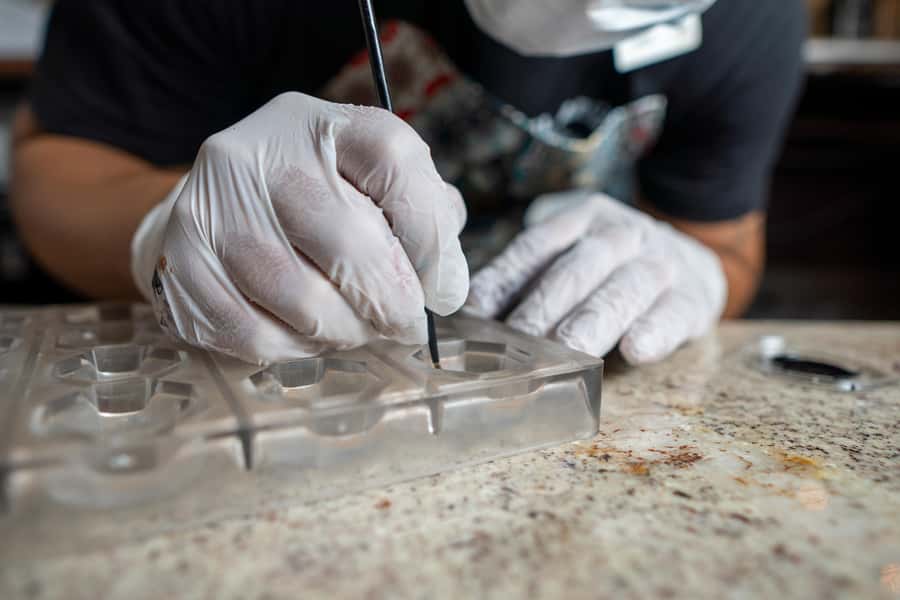
- Chocolate-making options: You can make bonbons, truffles, or chocolate bars under artisan guidance.
- A lineup you can compare: You taste chocolate across multiple percentages and types, including white (40%), milk (46%), dark (80%), and pure cocoa (100%).
- English and Spanish instruction: Guides work in both languages, so you should feel comfortable asking questions.
- Private group format: Smaller group energy usually means more attention during hands-on steps.
Finding the Workshop Near Arsenal Street in Bolívar
Your start point is practical and easy to spot: at the beginning of Arsenal Street, around the corner and across from the convention center. Look for a two-story pink building with wooden barrels outside, with signage promoting free hugs.
When you arrive, the host brings you to the exact spot for the experience. This matters because chocolateries can feel slightly “inside a bigger business,” and having someone point you to the right entrance saves time and confusion.
Plan to wear comfortable, stain-friendly clothing. Chocolate workshops can get a little messy, even when you are careful, and you will enjoy it more if you are not worrying about a spot on your favorite shirt.
More cacao and chocolate stops in Cartagena:
- Amazing Colombian Chocolate and Cacao Workshop in Cartagena
★ 5.0 · 7 reviews - Full-Day Hiking Tour in Minca with coffee & Cocoa Workshop
★ 4.5 · 189 reviews - MINCA TOUR – Explore waterfalls and discover the origin of coffee and cocoa
★ 4.5 · 166 reviews
Inside the Fully Equipped Chocolaterie: Machines and Makers
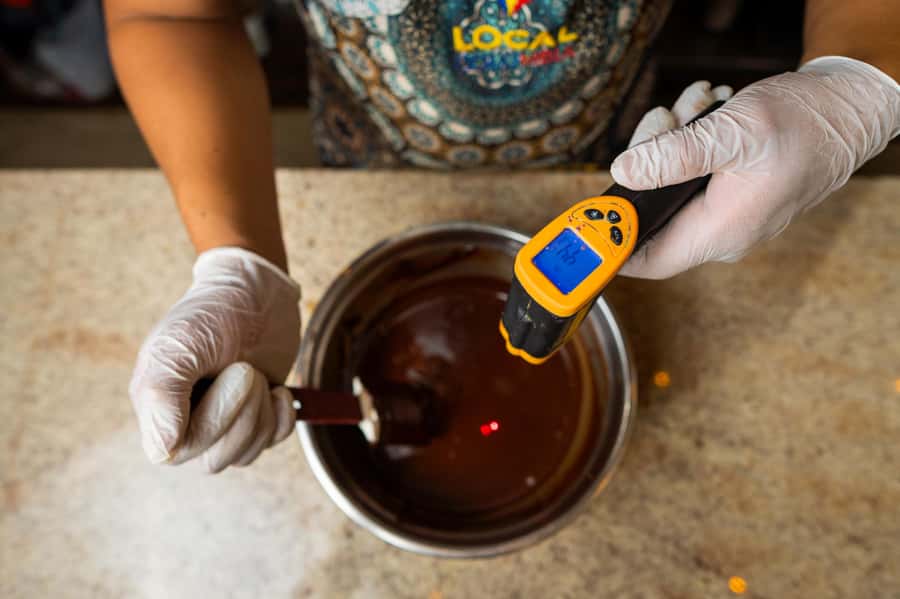
The workshop is built around a real chocolaterie setup, not a demo room with props. You enter a space with state-of-the-art machinery and expert artisans ready to explain what you are seeing.
That combination is the magic. Instead of only hearing about bean-to-bar, you get the visual proof. You see how cocoa moves through the process and how the equipment supports consistency. And because it is indoor, you are not balancing your experience against wind, heat, or sudden rain.
One more detail that can change your experience: on some days, certain steps may already be completed, so you may spend more time on the parts that are easiest to do together in class. If that happens, you are still learning the full workflow, just with a slightly different “pace” depending on timing.
Roasting and Separation: What You Learn Before You Make Anything
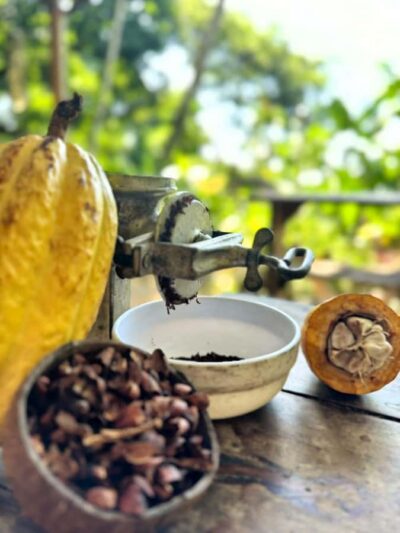
The heart of a bean-to-bar experience is understanding that chocolate starts with real processing decisions. Here, the class introduces cocoa roasting and separation, and you also learn about the significance of different cacao varieties at a national level.
Roasting is where cocoa begins moving from raw ingredient to something that can become chocolate in a predictable way. Separation is where you start seeing that cocoa is not one single ingredient experience. It is a material that gets sorted and prepared so the final product behaves the way chocolatiers want.
Even if you have never worked with cocoa before, these steps are straightforward to grasp because the class is built around “see it, understand it, then use it.” That is why it feels more like skill-building than just tasting.
If you enjoy food science in a casual way, this is a great workshop format. You do not need lab knowledge. You just need curiosity and a willingness to smell things closely, ask questions, and notice how different types of chocolate feel when you compare them later.
Your Hands-On Chocolate Time: Bonbons, Truffles, or Bars
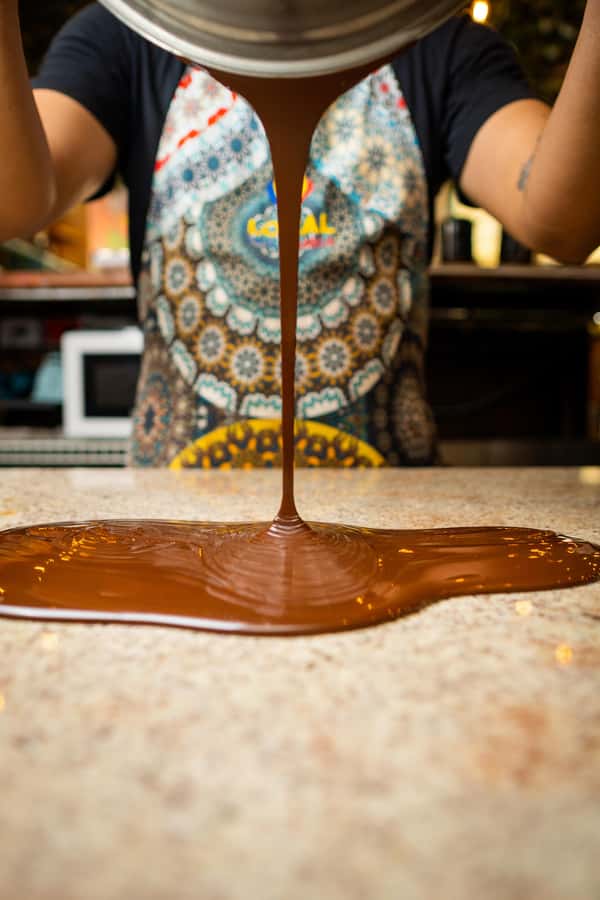
Once the processing basics are in your head, you switch into making mode. With guidance from artisans, you can create bonbons, truffles, or chocolate bars.
This is not just watching someone else work. You don your apron and get time at the bench. The class uses the machinery and know-how of the chocolaterie, but it is also about your hands learning the rhythm of chocolate-making.
You will likely feel the sensory side right away. The aroma of cocoa and the sounds of the equipment make chocolate-making feel very real. It is one of those experiences where your brain starts connecting the steps you just learned with the texture and flavor results you are working toward.
And if you are traveling with a group, this is also where conversation happens. Everyone ends up comparing what they are doing, asking why certain choices matter, and sharing small “aha” moments like how a specific chocolate behaves differently once you work with it.
A few more Cartagena plans worth comparing
- Cartagena: Sunset Cruise with Open Bar
★ 4.7 · 514 reviews - Sibarita Master 85′ luxury 90 min Sunset Tour Open Bar
★ 4.5 · 244 reviews - Cartagena: Pub Crawl with Dancing Lessons and Free Shots
★ 4.2 · 211 reviews - Cartagena de Indias: Sunset Cruise Open Bar with Dance Show
★ 4.1 · 76 reviews
The Included Chocolate Lineup: 40%, 46%, 80%, and 100%
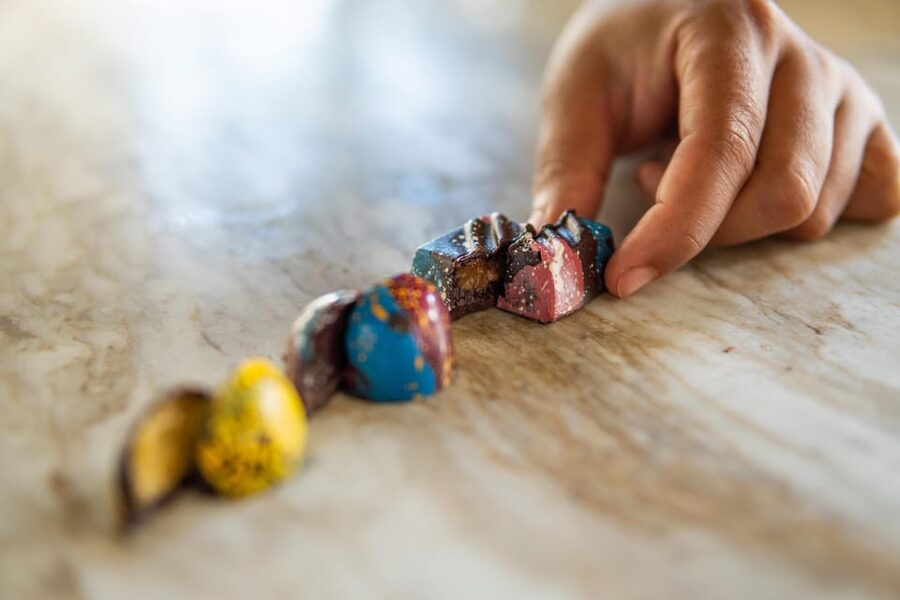
A strong workshop does not just give you one chocolate to taste. This one includes chocolates across several percentages and types, so you can make comparisons that actually teach you something.
Included tasting options include:
- White (40%)
- Dark (80%)
- Milk (46%)
- Pure cocoa (100%)
- Blends of the above
What I like about this setup is that it gives you a reference point before and after you make your own sweets. You taste, you learn what you like, then you pay attention during your own production session. When the class ends, you are not just thinking about the chocolate you made, you are thinking about the range that led to it.
Also, comparing milk, dark, and pure cocoa side by side helps you notice how each one changes the overall impression of sweetness and intensity. You do not need a flavor vocabulary. You just need to pay attention.
Channel Your Inner Chocolatier During Creativity Time
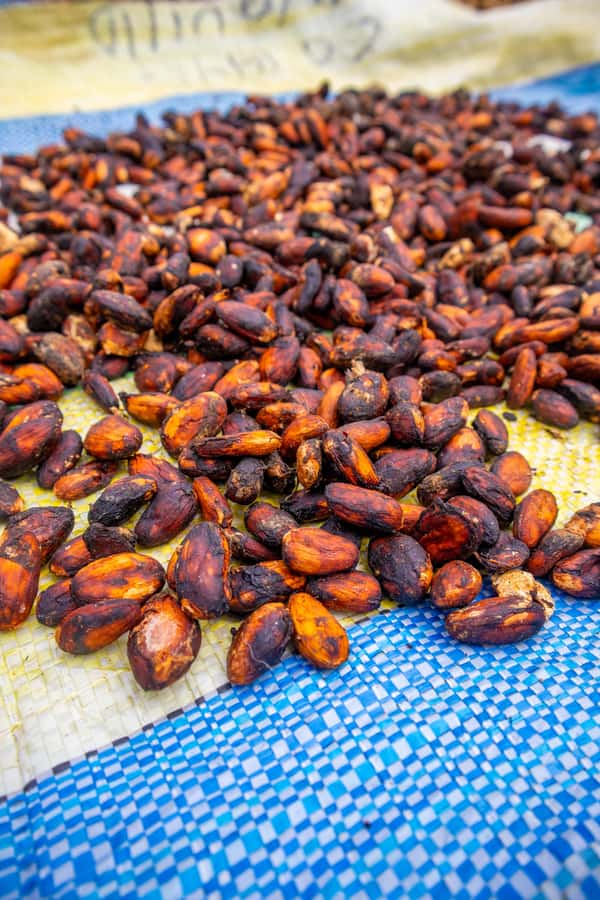
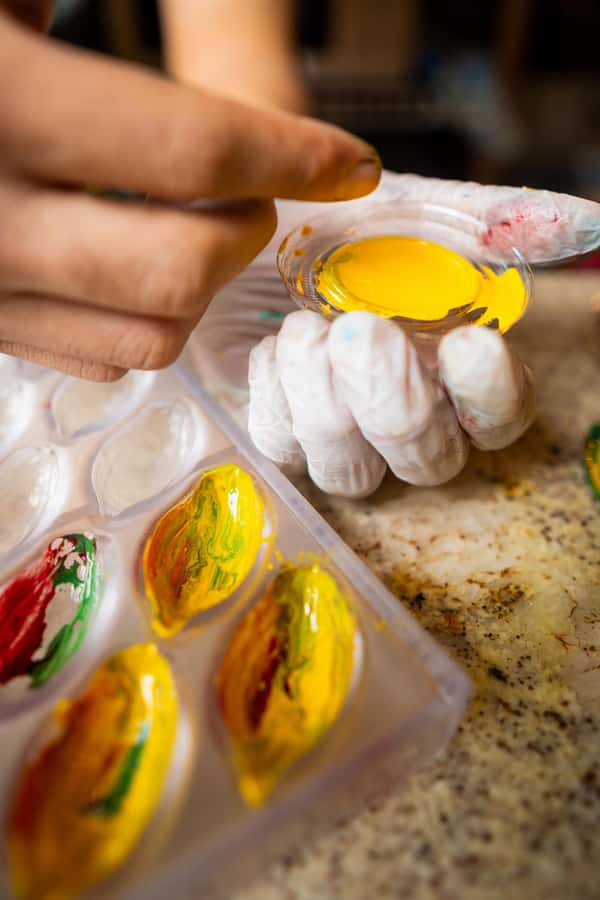
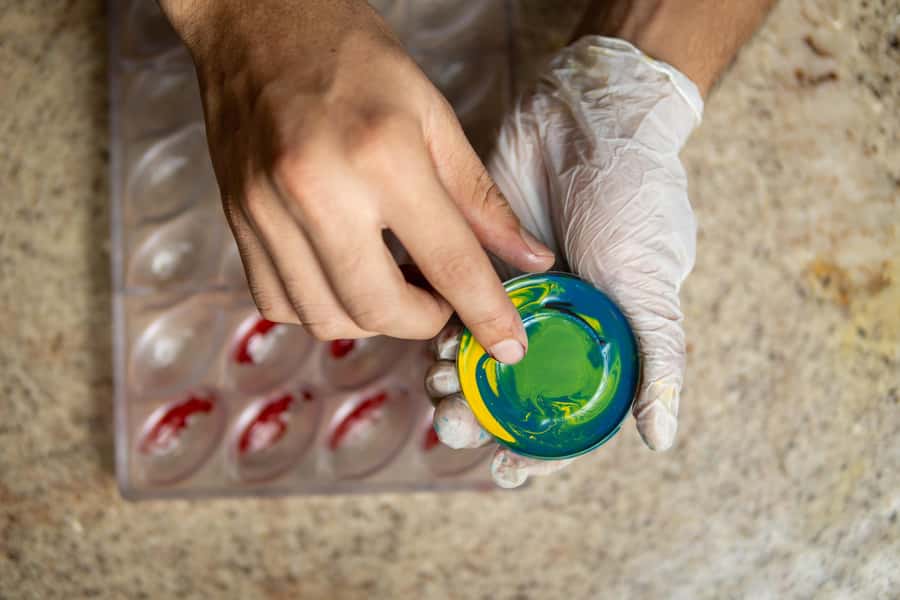
After you learn the core steps, the workshop shifts into creativity. The experience invites you to use your imagination and experiment as you craft your chocolates.
This part is especially good for people who like hands-on learning more than lectures. It turns the workshop from a “class about chocolate” into a chance to actually be a maker, even if you have zero background.
If you are a beginner, do not worry. You are working with guidance from artisans, and you are not expected to reinvent techniques. You are expected to play within the process.
If you are a chocolate enthusiast, you still benefit because the class frames your creativity around real ingredients and real equipment. You are not just decorating; you are understanding how the work connects back to the processing steps.
Either way, you leave feeling like you did more than sample chocolate. You built something, with purpose.
English or Spanish Instruction and a Private Group Feel
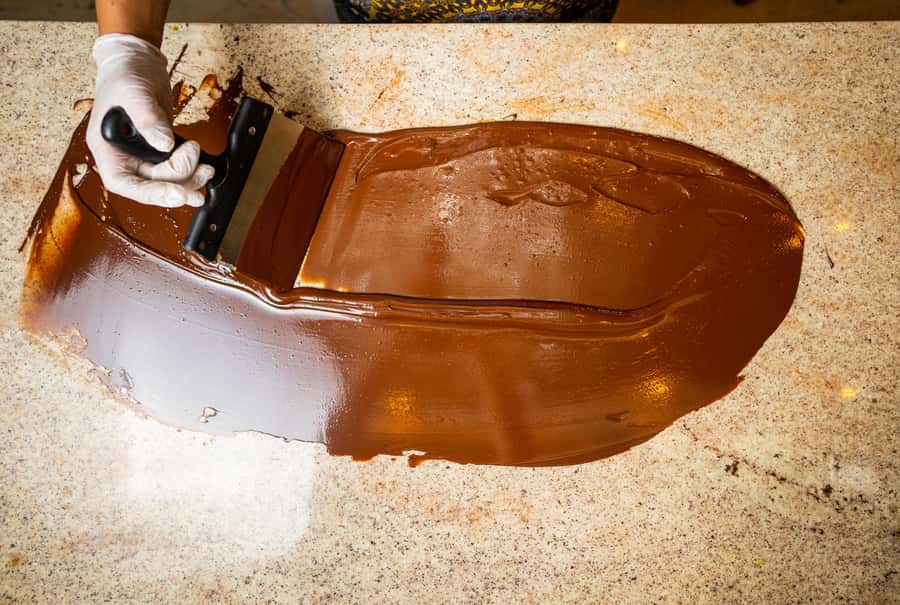
The instruction language options are English and Spanish, and that matters if you want to ask questions without holding back. Chocolate-making has plenty of small details, and being able to follow every explanation helps you get the most out of each step.
The group format is also listed as private group. In practical terms, that usually means you get more attention while you work. You can ask why something is done a certain way, and you are less likely to get lost in the shuffle.
One name that comes up for the guided experience is Alejandra (Ale). Her style is described as passionate and high-energy, with strong answers to questions. If you are the type who learns best by talking things through, that guide approach is a big plus.
How Much Time You Really Get (And Why 105 Minutes Works)
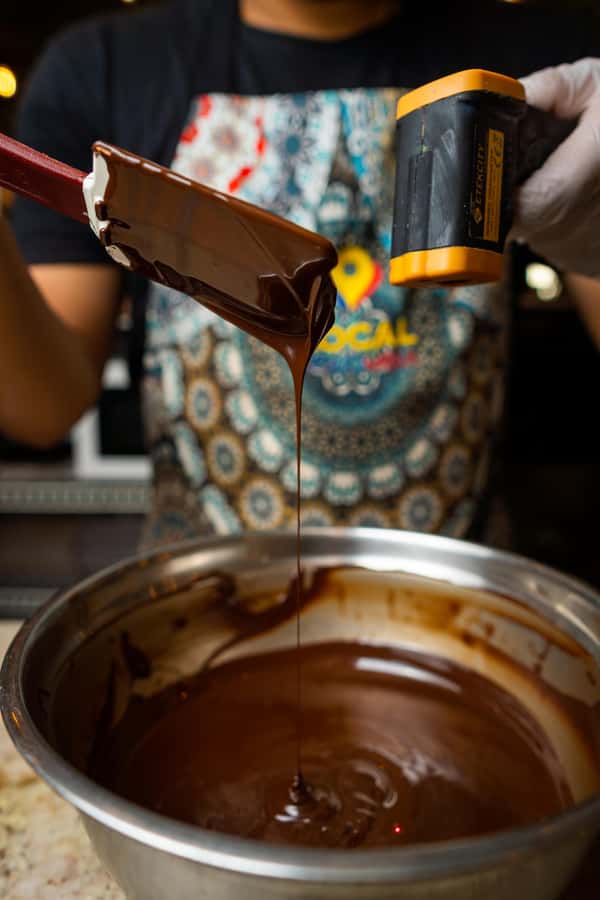
The workshop runs for 105 minutes. That is long enough to learn the process basics, taste the included chocolates, and still have time to make something yourself.
Short enough that you will not feel stuck waiting for the entire experience to “catch up” to your attention span. You are active for most of it, which keeps the class feeling lively and focused.
If you like structure, you will appreciate how the timing supports it: first the setup and cocoa processing basics, then the hands-on making, then creativity and comparison through tastings.
This is a good length for a half-day plan. It fits nicely as an afternoon activity when you want something indoor and meaningful without turning it into an all-day commitment.
Price and Value: Is $101 Fair for a Bean-to-Bar Workshop?
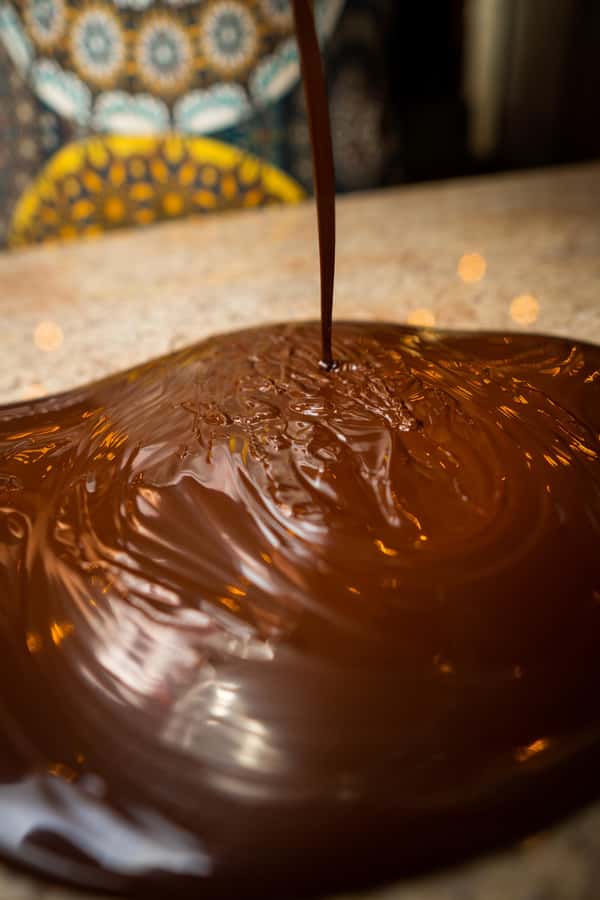
At $101 per person, you are paying for three things at once: guided instruction, hands-on chocolate-making, and included tasting across multiple chocolates.
Many food experiences charge similarly for a guided tour and a small sample. This one feels more like paying for a working craft session. The class is built around a fully equipped chocolaterie and includes access to the local production space, plus the ability to make your own bonbons, truffles, or bars.
You also get a useful ingredient lineup in the included tasting options, including white (40%), milk (46%), dark (80%), pure cocoa (100%), and blends. That comparison component turns the session into learning, not just eating.
So is it worth it? If you want more than chocolate samples, yes. If you are only trying to grab a quick snack and walk away, you might feel it is pricey for the time. But if you enjoy hands-on work, food craftsmanship, or rainy-day plans that still feel real, this price lines up well with the value you get.
Who Should Book This Workshop, and Who Might Skip It
This experience fits best if you:
- Love hands-on activities where you learn by doing
- Want a rain-proof indoor plan in Bolívar, Colombia
- Care about understanding how chocolate is made from bean to bar
- Enjoy asking questions and getting guided answers in English or Spanish
- Like tasting chocolate across multiple percentages, not just one selection
You should skip it if you have food allergies. The experience notes it is not suitable for people with food allergies, and since chocolate is central throughout the session, it is not something to “hope for the best” on.
If you are traveling solo, a private group format can still feel good because it often means more interaction. If you are traveling with a partner or small group, it is also a friendly setup because everyone gets a chance to make something.
Should You Book the Bean to Bar Cocoa and Chocolate Workshop?
If your idea of a great chocolate trip is learning the process and making your own sweets, I think this is a smart booking. The combination of roasting and separation education, production-area access, and hands-on creation of bonbons, truffles, or bars makes it feel like real craft time, not a quick tasting.
Book it if you want a focused 105-minute workshop that gives you chocolate comparisons across 40%, 46%, 80%, and 100% types. It is also a strong choice when the weather pushes you indoors.
Skip it if you have food allergies, or if you prefer to spend your time sightseeing rather than working at a bench. Otherwise, this is exactly the kind of culinary workshop that leaves you with better knowledge and a tangible result, not just a pleasant memory.
FAQ
How long is the Bean to Bar Cocoa and Chocolate Workshop?
The duration is 105 minutes.
Where do I meet for the workshop?
Meet at the beginning of Arsenal Street, around the corner and across from the convention center. The spot is a two-story pink building with wooden barrels outside.
Is this experience private or shared with strangers?
It is listed as a private group.
What languages are offered during the workshop?
The instructor works in English and Spanish.
What chocolate is included?
You receive chocolate samples of various percentages and origins, including white (40%), dark (80%), milk (46%), pure cocoa (100%), and blends.
Is the workshop suitable if I have food allergies?
No. It is not suitable for people with food allergies.
Can I pay later and cancel if plans change?
Yes. It offers reserve now & pay later, and free cancellation is available up to 24 hours in advance for a full refund.
More Dessert Tours in Cartagena
- Rum and Chocolate Tasting in Cartagena
★ 5.0 · 360 reviews - Boutique Rum and Chocolate Tasting at Lunático
★ 5.0 · 328 reviews - Cartagena: Boutique Rum and Chocolate Tasting at Lunático
★ 4.9 · 121 reviews - Private Colombian Rums and Chocolate Tasting in Cartagena
★ 5.0 · 21 reviews
Hot off the list in Cartagena
- SkyKitchen 2-Hour Cocktail Class in Cartagena★ 5.0 · 23 reviews
- Private Baru Aviary Tour with Lunch Included★ 4.5 · 26 reviews
- Rosario Islands Private Day – Exclusive VIP Escape★ 5.0 · 21 reviews
- CITY WALLED CITY SEGWAY SKATEBOARD TOUR and GETSEMANI★ 5.0 · 30 reviews
- Shore Excursion private Luxury City tour of Cartagena★ 5.0 · 8 reviews
- Cartagena Culinary Private Tour: Local Flavors & Hidden Gems★ 4.0 · 6 reviews
- Zip Through Walled City and Barrio Getsemani by Segway★ 5.0 · 4 reviews
- Shore Excursion Mangroves tour★ 4.5 · 3 reviews
Cacao Tours, compared.
Full-Day Hiking Tour in Minca with coffee & Cocoa Workshop
Read our review →
MINCA TOUR – Explore waterfalls and discover the origin of coffee and cocoa
Read our review →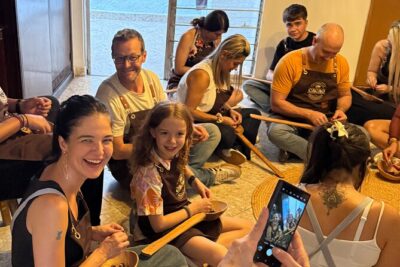
Colombian Cacao Experience | Chocolate Tour | BOOK NOW!
Read our review →

Trekking History and Indigenous Heritage in Minca + Cacao & Coffee + Waterfall
Read our review →
Minca: Full-Day Coffee and Cocoa Tour from Santa Marta
Read our review →
Browse the lists this tour appears in