
REVIEW · MONSERRATE TOURS
Bogotá: Private City Tour, Monserrate, Emerald and Botero
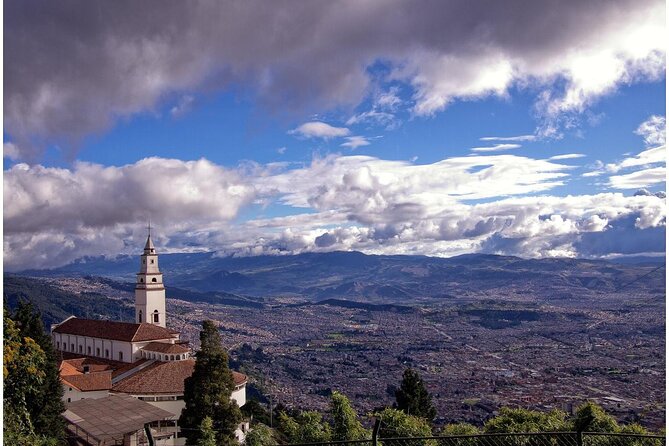
Bogotá can feel complicated fast, so this tour gives you a clean storyline. You start with Monserrate and its big city views, then connect the dots through museums and old-town streets. What I like most is how the day links places to the ideas Colombia carries, from the legend of El Dorado to the meaning of the colonial-era core.
I also love the pacing of the private walking tour, because you are not stuck reading plaques alone. Guides such as Camilo, David, Daniel, and Sergio come highly recommended for steering the conversation, spotting details, and keeping the route understandable. One possible drawback: it is a packed half-day, so if you want hours in a single museum, you may wish you had more time.
In This Review
- Key points worth knowing before you go
- A half-day that feels like a proper introduction to Bogotá
- Hotel pickup to Monserrate cable car: start strong, avoid wasted time
- The Emerald Museum: more than pretty green displays
- La Candelaria stroll: Botero Museum and street-level Bogotá
- Plaza de Bolívar and the Primate Cathedral: civic Bogotá in one cluster
- Chorro de Quevedo: old streets, living traditions, and the city’s pulse
- Price and value: what $65 gets you in a city of time costs
- Pace, comfort, and who this tour suits best
- Practical tips that will make your day smoother
- Should you book this Bogotá private tour?
Key points worth knowing before you go
- Monserrate to 3,100 meters by cable car, with panoramic city views built into the schedule
- Emerald Museum entry lets you turn Bogotá geology into something you can actually picture
- Botero Museum stop in La Candelaria, with the artist’s signature style as an easy entry point to Colombian art
- Plaza de Bolívar highlights including the Primate Cathedral and the cluster of major civic buildings
- Chorro de Quevedo adds street-level culture and the old-meets-new feeling, plus the El Dorado thread
- Hotel pickup and skip-the-line access keep you from wasting prime daylight in transit lines
A half-day that feels like a proper introduction to Bogotá
This is the kind of tour that works for first-timers and also for return visitors who want a tighter route. You get a guided day that moves from a high viewpoint down to the historic streets, with museums placed right in the middle so you do not spend your morning only walking.
The big win is that the stops are connected. Monserrate is your city-from-above orientation. The Emerald Museum gives you a tangible reason to care about the region’s resources. Then La Candelaria and the central plaza bring you into the streets where Colombian politics, culture, and daily life collide.
You should expect a guided experience where you can ask questions and adjust the flow. People repeatedly mention guides who answer follow-ups and tailor explanations to what you care about, whether that is art, architecture, or the “why does this matter” behind each location.
More Monserrate trips:
- La Candelaria, Monserrate and Museums Bogotá Private City Tour
★ 5.0 · 1,567 reviews - Bogota + Monserrate Private City Tour, Museums, Candelaria.
★ 5.0 · 1,015 reviews - Bogotá City Tour with Monserrate, Gold and Botero Museums
★ 4.9 · 584 reviews
Hotel pickup to Monserrate cable car: start strong, avoid wasted time
The day begins with pickup from your hotel. You will wait in the lobby about 10 minutes before the scheduled time, which is simple and practical. From there you head up to Cerro de Monserrate, where the centerpiece is the ride by cable car.
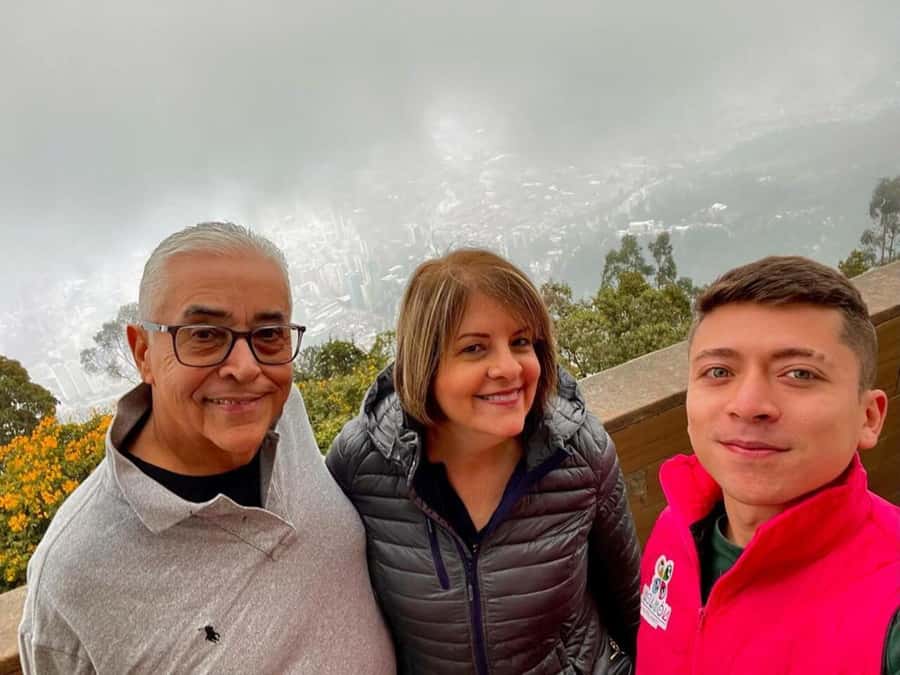
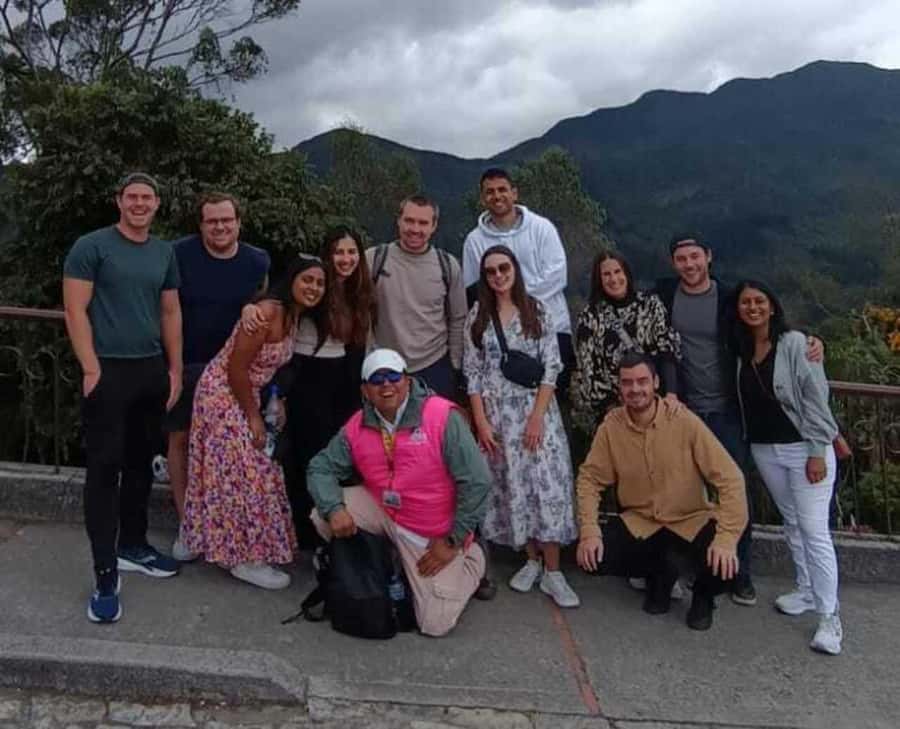
The cable car takes you up to about 3,100 meters, and you actually get time to take in the view from the top. At altitude, the air and the light can feel different, and the city spreads out in a way that makes your later walking route feel more logical. Even if you are not a “scenic viewpoint” person, this stop helps you understand where Bogotá sits and how the neighborhoods relate to each other.
You also visit the Monserrate monastery area. The monastery is not just a photo stop. It is part of the religious and cultural gravity of the mountain, and it fits nicely with the tour’s broader theme: how Bogotá’s identity is layered, not one-dimensional.
One small practical consideration: comfortable shoes matter. Even though this is not a long hike, Monserrate areas can involve uneven or sloped ground.
The Emerald Museum: more than pretty green displays
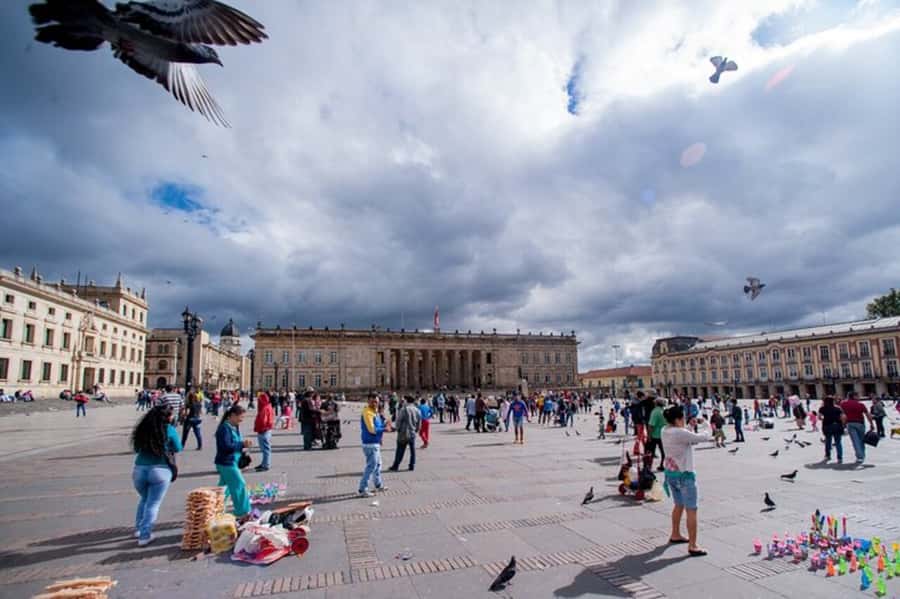
Next up is the International Emerald Museum. If you’ve ever seen emeralds in jewelry ads and thought, okay, but what is the real story, this is the place where geology turns into something personal.
The museum is described as a green world of nature and precious stones, and the value here is that you are not just looking at objects. A good guide frames what you see, explains how these stones are thought about, and connects it back to Colombia’s reputation for minerals and craftsmanship.
Two practical points you should know:
- The museum is closed on Sundays and holidays, so if your day falls there, the schedule will need to shift.
- Entry is included, and you also get skip-the-line style access through a separate entrance, which helps you stay on pace.
If you like museum stops that feel like a lesson you can remember later, this one fits the style. If you usually rush through museums, ask your guide which exhibits are most worth your attention so you do not feel like you are trudging through glass cases.
La Candelaria stroll: Botero Museum and street-level Bogotá
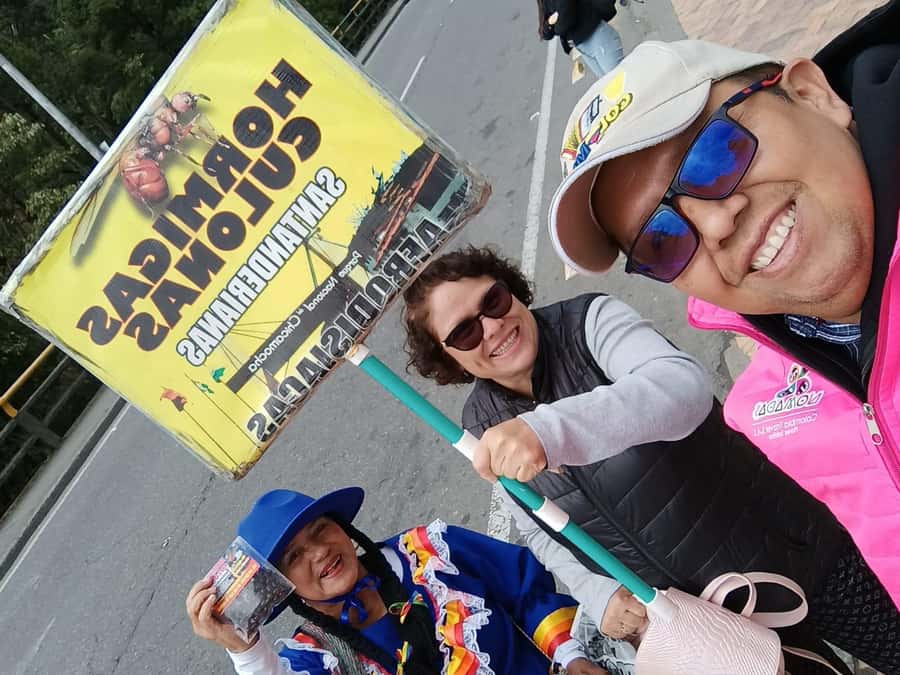
After Monserrate and the Emerald Museum, the tour heads into La Candelaria, Bogotá’s historic neighborhood. This is where the day becomes more walkable and human-scale.
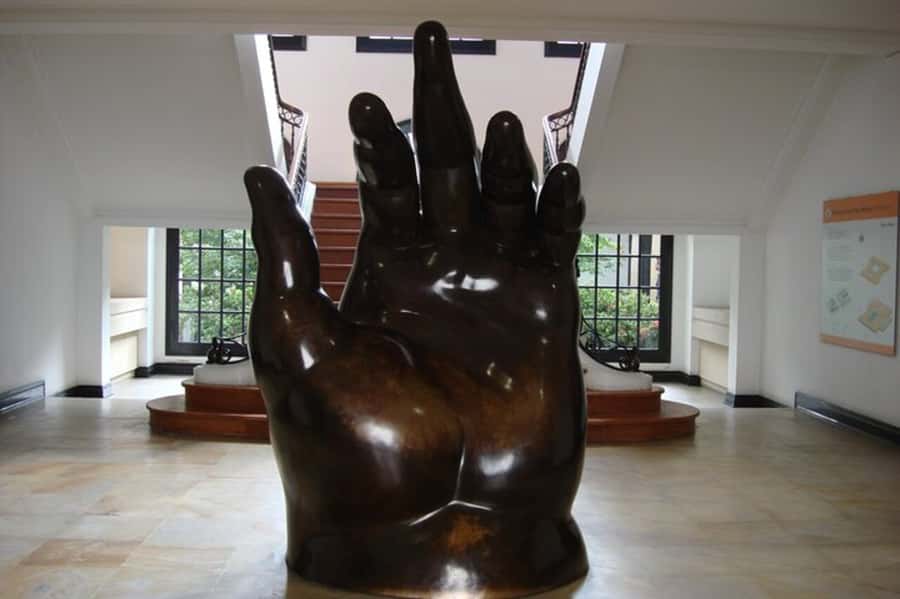
You visit the Botero Museum, named for Fernando Botero. Botero’s work is instantly recognizable for its rounded forms and playful sense of volume. That matters for visitors who worry art museums will be too quiet, too formal, or too abstract. Botero is approachable, and with a guide in your ear, you can pick up the references and themes instead of just admiring the shapes.
Important scheduling note: the Botero Museum is closed on Tuesdays. On Tuesday tours, your guide provides options for another museum, so the day does not collapse. If you are traveling specifically for Botero, you should double-check the day of the week before you book.
This stop is also a nice reset between heavier city-view time and later political landmarks. You get a chance to slow down, look at the art, then continue walking through streets where history is not trapped behind walls.
A few more Bogota plans worth comparing
- Create Your Own Colombian Emerald Ring
★ 5.0 · 369 reviews - Bogota: Colombian Emerald Ring Workshop
★ 5.0 · 61 reviews - Private Colombian Emerald Tour – Bogotá
★ 5.0 · 9 reviews - Exclusive Emerald Tour in Bogota
★ 5.0 · 8 reviews
Plaza de Bolívar and the Primate Cathedral: civic Bogotá in one cluster
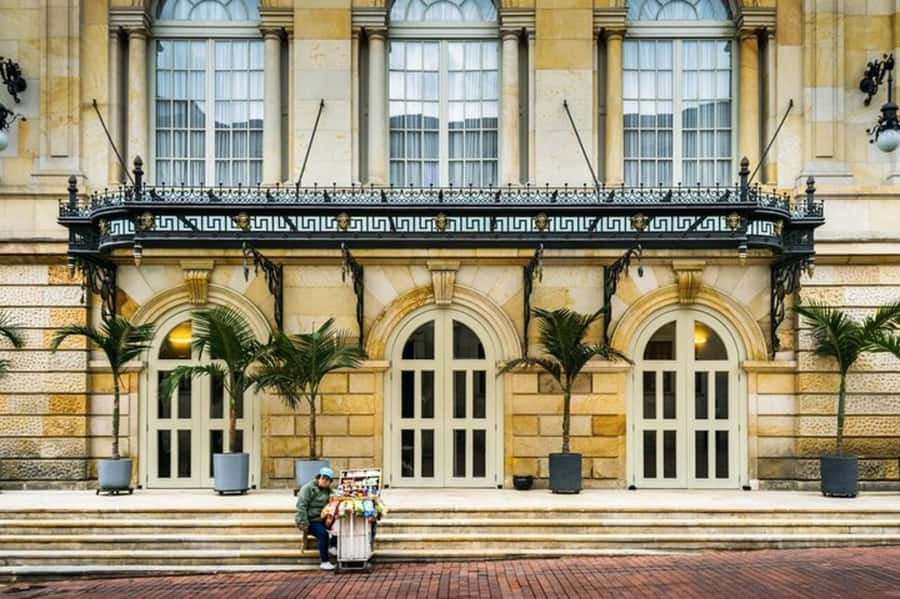
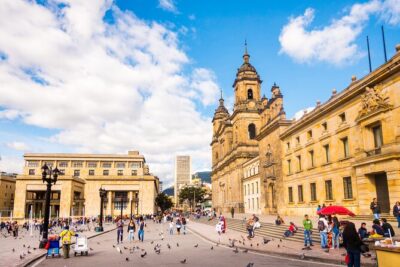
From La Candelaria, the tour moves to the heart of official Bogotá at Plaza de Bolívar. This is where you see why the city’s center feels like a stage set for politics, religion, and public life all at once.
Your guide brings you through key surrounding buildings, including the Palace of Justice, the presidential palace, the mayor’s office, and the Primate Cathedral. You might think you can “just look around” here, but the real payoff is the context: what these institutions represent, why this plaza matters, and how the city’s story is told through its architecture and public spaces.
You will also hear the tour’s storytelling thread connecting to wider Colombian legends and national myths, including the fascinating background around the legend of El Dorado, the lost city that people chased in different versions over time.
If you want your photos to mean something, this is the stop. It is also one of the easiest places to orient yourself after the viewpoint day. You can literally look at where you are and feel how Bogotá’s center operates.
Chorro de Quevedo: old streets, living traditions, and the city’s pulse
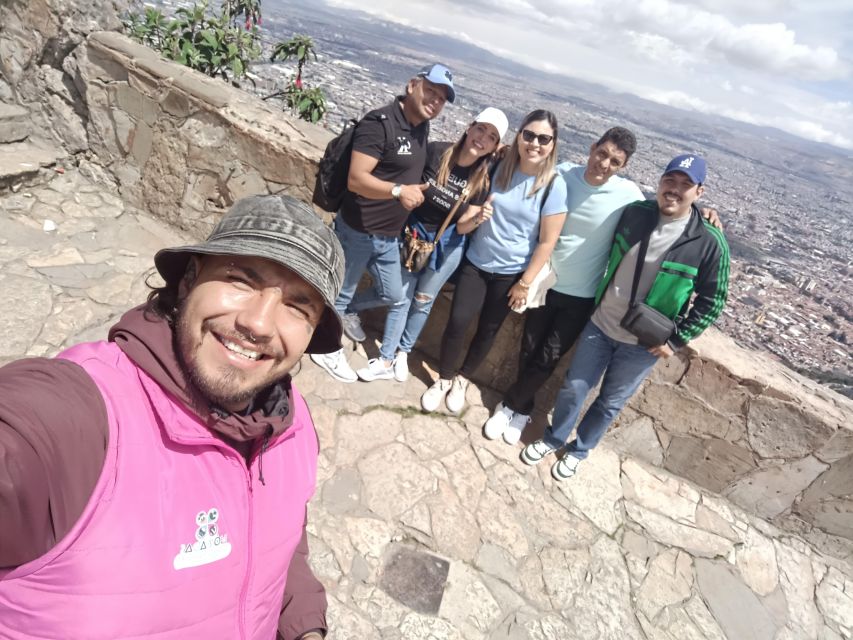
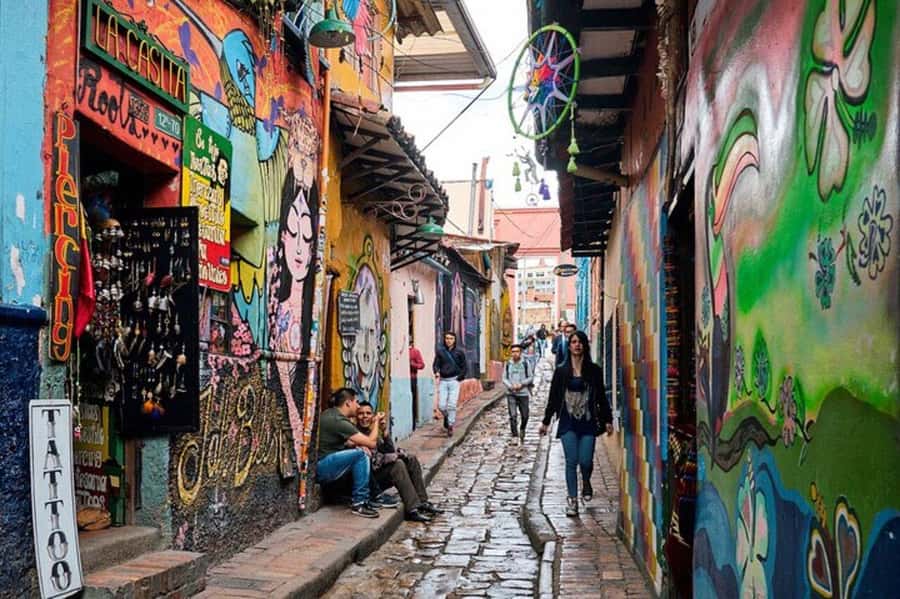
Then the route heads toward Chorro de Quevedo. This area is where the tour shifts from monumental to everyday. The vibe here is about traditions and the blend of old and new, which makes it a good finale.
This stop is not presented as a single attraction you must “do.” Instead, it works as a cultural transition. By now you have seen institutions and museums. Chorro de Quevedo adds street-level texture, the kind that stays with you after the tour ends.
You also continue learning about the traditions in the area, and the guide ties them back to broader stories about Bogotá’s evolution. It is a way to finish the day feeling like you saw how people actually live, not just how landmarks look.
Price and value: what $65 gets you in a city of time costs
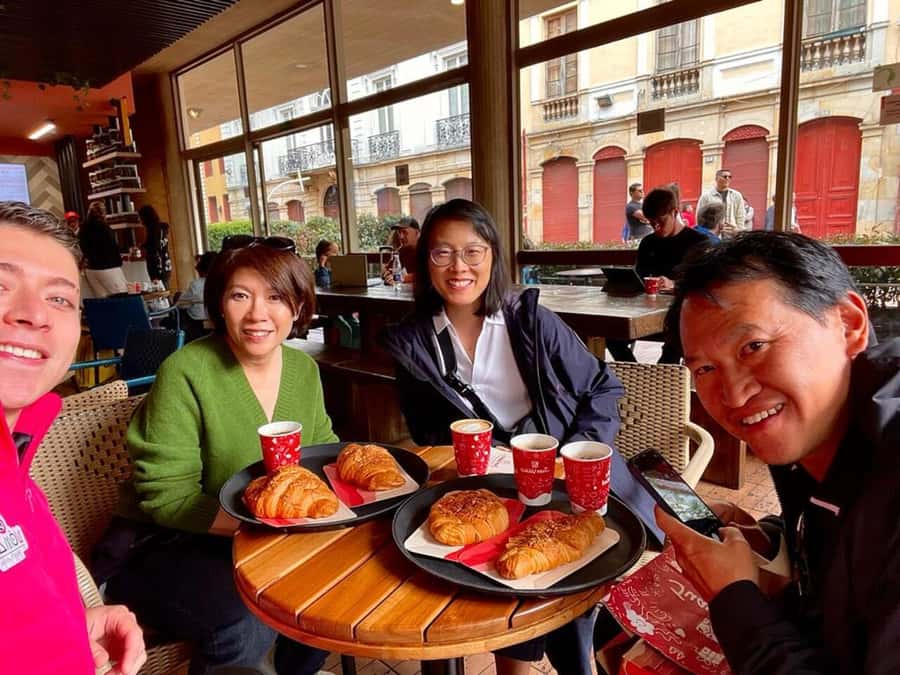
At $65 per person for 5 to 6 hours, this tour is priced like a practical, all-in introduction rather than a long private expedition. The best value comes from what is included, not just the guide itself.
Here is what you are paying for, in real terms:
- Hotel pickup and drop-off, which protects your schedule and reduces hassle
- A private guide, so you can ask follow-ups and move at your pace
- Entry included for Cerro de Monserrate, the cable car (or funicular if that option is selected)
- Entry included for the Emerald Museum (with the Sunday and holiday closure exception)
- Entry included for the Botero Museum (with the Tuesday closure exception and museum alternatives)
- Visits to Chorro de Quevedo and Plaza de Bolívar
- A typical snack, so you are not stuck buying something rushed between stops
Lunch is not included, so you will likely want to plan to eat after the tour. But the snack helps keep the day comfortable, especially when your morning timing is compressed.
If you are comparing this to piecing together taxis, timed tickets, and a random self-guided route, a private guided loop like this often wins. You also save time with skip-the-line style access and included entries, which is a big deal in a city where daylight matters.
Pace, comfort, and who this tour suits best
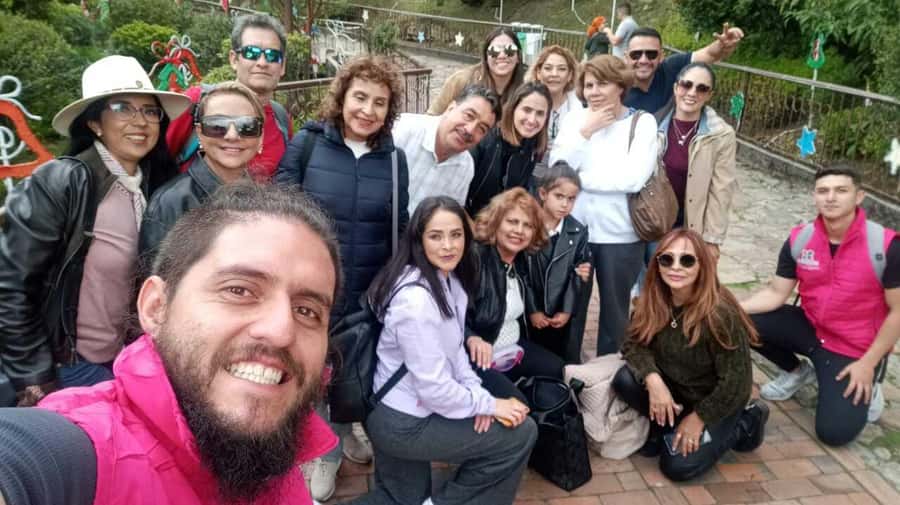
This is a private format, and that changes how the day feels. You are not waiting for slow walkers, and you can focus on what you care about. People repeatedly highlight guides who are friendly, punctual, and good at adapting to interests, even when plans shift.
The itinerary also has a “rhythm” built in:
- A high orientation up Monserrate
- A museum stop that turns learning into something visual
- A historic neighborhood and art connection
- A civic core with major landmarks
- A street-level cultural ending
That rhythm is great for anyone who wants a confident first impression of Bogotá. It is also strong for travelers who do not want to manage multiple ticket lines or map routes while also staying safe and comfortable.
One clear mismatch: it is not suitable for people with mobility impairments. Even though it is not described as a long hike, the places involved can include stairs, slopes, and uneven ground. If mobility is a concern, you should look for an accessibility-focused alternative.
Practical tips that will make your day smoother
A few small things matter for a tour like this.
Bring:
- A passport or ID card (a copy is accepted)
- Comfortable shoes
- For children, the same type of ID is required
Weather:
- If it rains, the tour still runs. So dress for wet conditions and bring something light to protect from showers.
Food:
- Lunch is not included, but you do get a typical snack as part of the experience.
Rules of the road:
- Alcohol and drugs are not allowed.
- Alcoholic drinks are not allowed in the vehicle.
Language:
- Your guide can work in English or Spanish, which is useful if you want your explanations to land without translating in your head.
Should you book this Bogotá private tour?
I think you should book it if you want a well-structured intro to Bogotá without getting lost in logistics. The Monserrate viewpoint plus the Emerald Museum and Botero stop make this more than just a walking day. Add Plaza de Bolívar and Chorro de Quevedo, and you get both the official heart and the everyday pulse of the city.
You should reconsider if you want a slow museum day, or if mobility limitations make uneven walking hard for you. And if your trip day is Sunday or a holiday, plan around the Emerald Museum closure. If it is Tuesday, expect an alternate museum instead of Botero.
If you want to understand Bogotá in one focused 5 to 6 hour loop, this private format is a strong bet, and guides like Camilo, David, Daniel, and Sergio come up often for a reason: they make the city’s stories click. The provider is Nomadas Colombia Travel SAS, and the tour is sold as an official Cerro de Montserrate supplier, which is another small reassurance when you are booking from afar.
Hot off the list in Bogota
- Tour of Zipaquirá: Visit the Salt Cathedral and the main squares★ 4.5 · 55 reviews
- Zipaquirá and Salt Cathedral Muisca Heritage with Guide – Private★ 4.5 · 23 reviews
- Catedral de Sal desde Bogotá en Tren★ 5.0 · 5 reviews
- Zipaquira Salt Cathedral★ 5.0 · 4 reviews
- LOCAL GUIDE Zipaquirá PRIVATE TOUR – Salt Cathedral and Salt Oven★ 5.0 · 24 reviews
- Zipaquirá Salt Cathedral: An architectural wonder.★ 4.5 · 24 reviews
- Private Zipaquira Salt Cathedral and Guatavita Lagoon Tour from Bogota★ 4.5 · 44 reviews
- Zipaquira Salt Cathedral★ 4.5 · 12 reviews
Monserrate Tours, compared.
La Candelaria, Monserrate and Museums Bogotá Private City Tour
Read our review →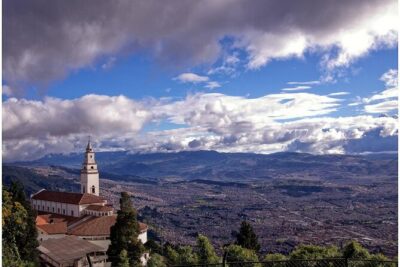
Bogota + Monserrate Private City Tour, Museums, Candelaria.
Read our review →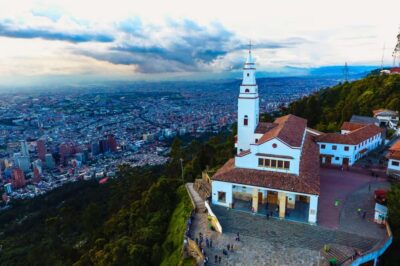
Bogotá City Tour with Monserrate, Gold and Botero Museums
Read our review →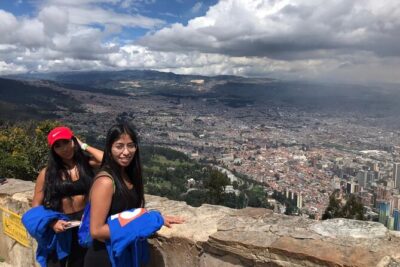
Bogotá Tour: Monserrate, Food, City Walk & Botero Museum
Read our review →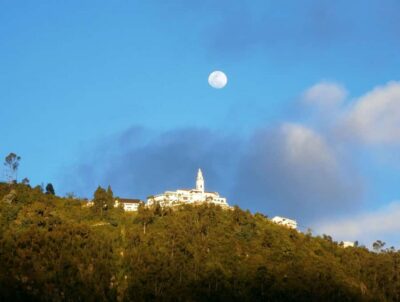

Private Tour in Bogota : Monserrate, Museums and Candelaria
Read our review →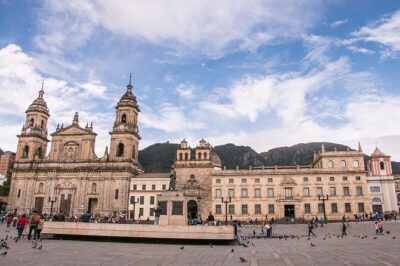
Private Bogotá Tour: Candelaria, Gold Museum, Optional Monserrate
Read our review →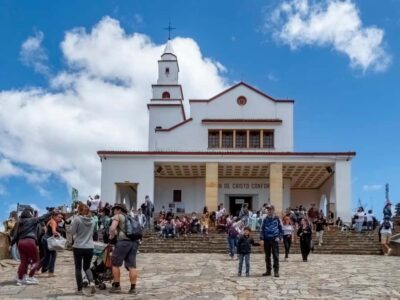
City Tour, Monserrate, Gold Museum, Plaza de Bolivar
Read our review →Browse the lists this tour appears in