REVIEW · MINCA TOURS
Coffee, Cocoa and Trekking Tour in Minca: Nature, Crops and Production
Coffee and cocoa, then a hike.
What makes this tour fun is the mix of coffee and cocoa production lessons with an actual Sierra Nevada trek, plus the chance to chat with farm families who do it day after day. I especially like the sensory part, the handcrafted tastings you do right where the plants grow, not in some packaged demo. One heads up: it includes a hearty uphill hike, so good shoes and water are not optional.
You get guided walking through tropical forests, with stops for native plants, crisp river water breaks, and scenic pauses where you can see misty mountains and far-off views toward the Caribbean Sea. It is also a community-based, sustainability-minded setup, so the farming story is about more than flavor.
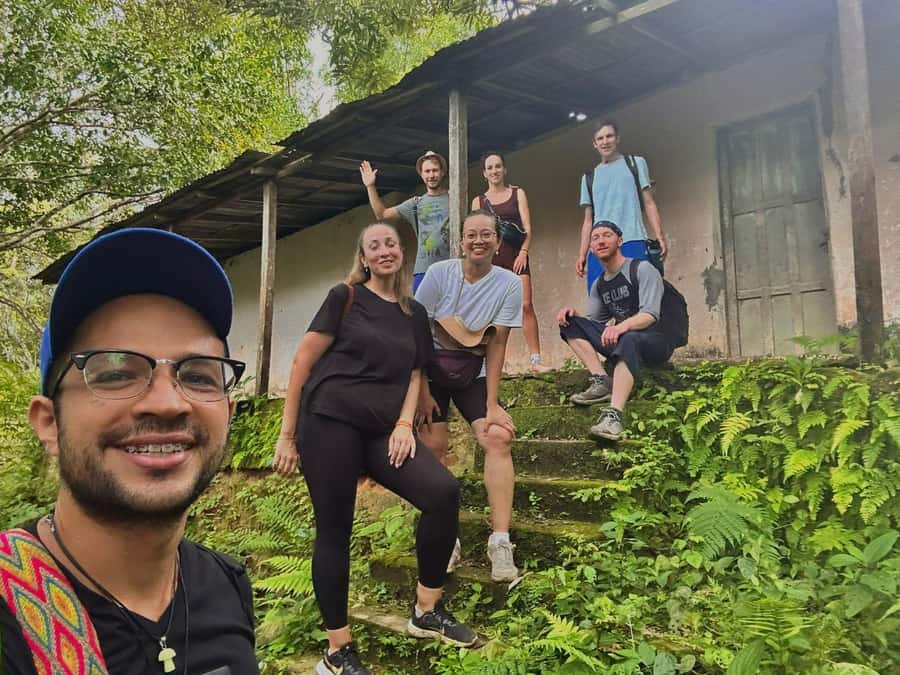
The experience runs with a local guide specialized in coffee, cocoa, and biodiversity, and it is offered in Spanish and English. Guides you might get include Albert, John, or Jorge, based on past groups, and their main job is to connect you to the farm and the trail at the same pace.
In This Review
- Key things I’d put on your radar
- Where coffee meets the Sierra Nevada in Minca
- Parque de Minca to Puente de Minca: warming up with context
- Minca Park: the trail walk that actually teaches you something
- Finca San Rafael: the sustainable farm stop and tastings
- What you actually learn about coffee and cocoa here
- The pace, the effort, and what to pack for the real day
- Guides, language, and how the tour stays personal
- Value check: is $41 a good deal for what you get?
- Who this tour is best for
- Should you book this coffee, cocoa, and trekking tour in Minca?
- FAQ
- How long is the coffee, cocoa and trekking tour in Minca?
- Where does the tour start and end?
- What language options do the guides use?
- What is included in the price?
- What should I bring?
- Is food included?
Key things I’d put on your radar
- Coffee and cocoa, explained start to finish, from cultivation to transformation
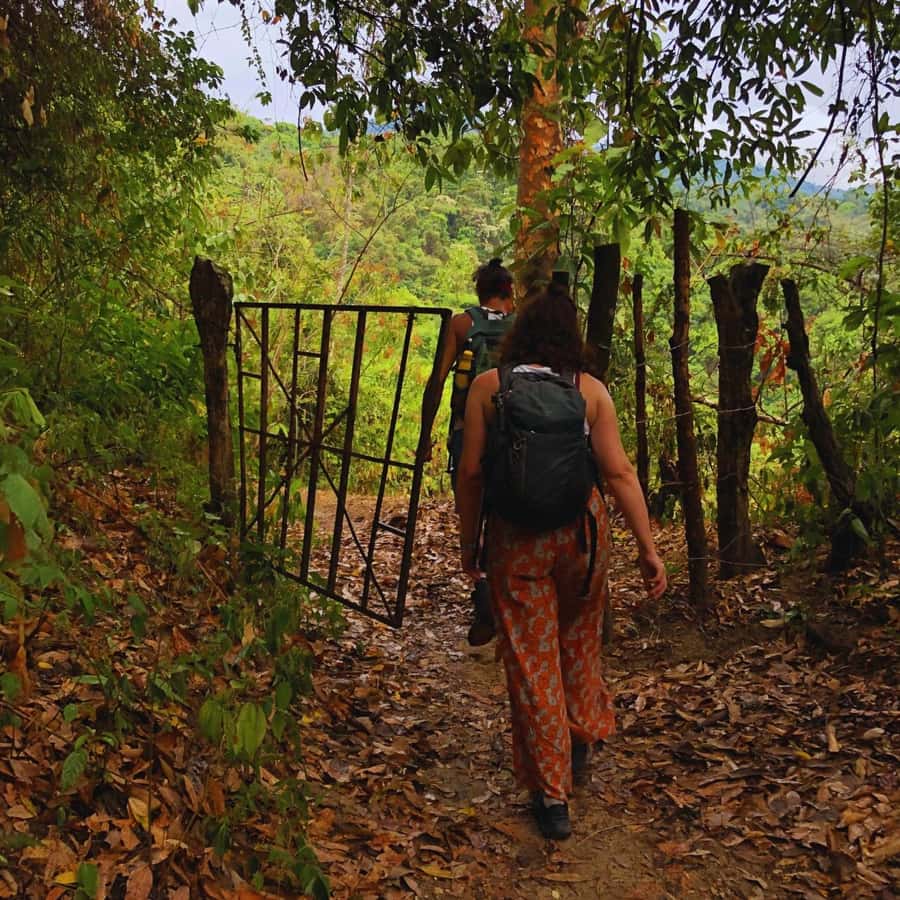
- Sierra Nevada hiking on natural trails, with native flora and fauna spotting
- Handcrafted organic tastings you do right at the source
- Sustainable agroecological approach, tied to community life in Minca
- Panoramic rest stops and chances to refresh with natural water
- A professional guide who keeps the pace manageable and the info clear
Where coffee meets the Sierra Nevada in Minca
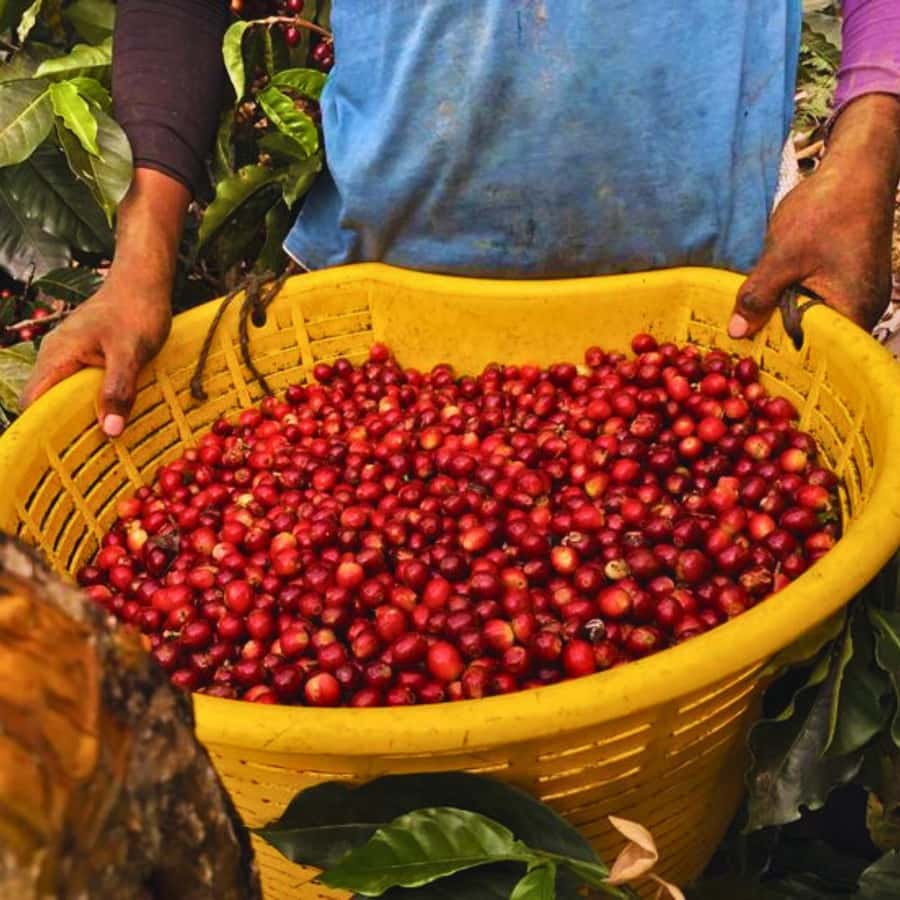
Minca sits in Magdalena, tucked into the Sierra Nevada de Santa Marta region, where the altitude creates different thermal floors. That matters because it helps explain why coffee and cocoa can thrive here, and why the forests stay so biodiverse.
On this tour, you are not just walking to post-card views. You are walking through the same kind of environment farmers work within, so the lessons on growing, harvesting, and processing make more sense in your head. Even if you are not a plant nerd, the guide helps you connect the dots between shade, soil health, and the flavor you end up tasting.
Price-wise, $41 for about 4.5 hours is pretty reasonable for what you get. You are paying for a specialized guide, access to a sustainable farm, guided trail time, and tastings included. What you should plan for: you handle your own transportation to the meeting point, and there is no food included.
More Cacao Tours in Santa Marta
- Full-Day Hiking Tour in Minca with coffee & Cocoa Workshop
★ 4.5 · 189 reviews - MINCA TOUR – Explore waterfalls and discover the origin of coffee and cocoa
★ 4.5 · 166 reviews - Santa Marta: Minca Coffee, Cocoa, & Waterfall Full-Day Trip
★ 4.6 · 102 reviews
Parque de Minca to Puente de Minca: warming up with context
Your tour starts at the Central Park of Minca, by the church or small chapel, and it ends back at the same meeting spot. That simplicity is useful in a town like Minca, where getting turned around can be easy once the streets start looking the same.
The first guided stop is Puente de Minca for about an hour. This is a good “get your bearings” phase. The guide usually sets the theme early: how coffee and cocoa shaped local agriculture and identity, and how farming in this area has evolved from older methods into more sustainable agroecological techniques.
This is also when you get a sense of pacing. Expect to walk on natural paths, and start thinking about posture and foot placement. If you know you are the type who tends to rush uphill, you will probably enjoy this stage more if you slow down on purpose.
Minca Park: the trail walk that actually teaches you something
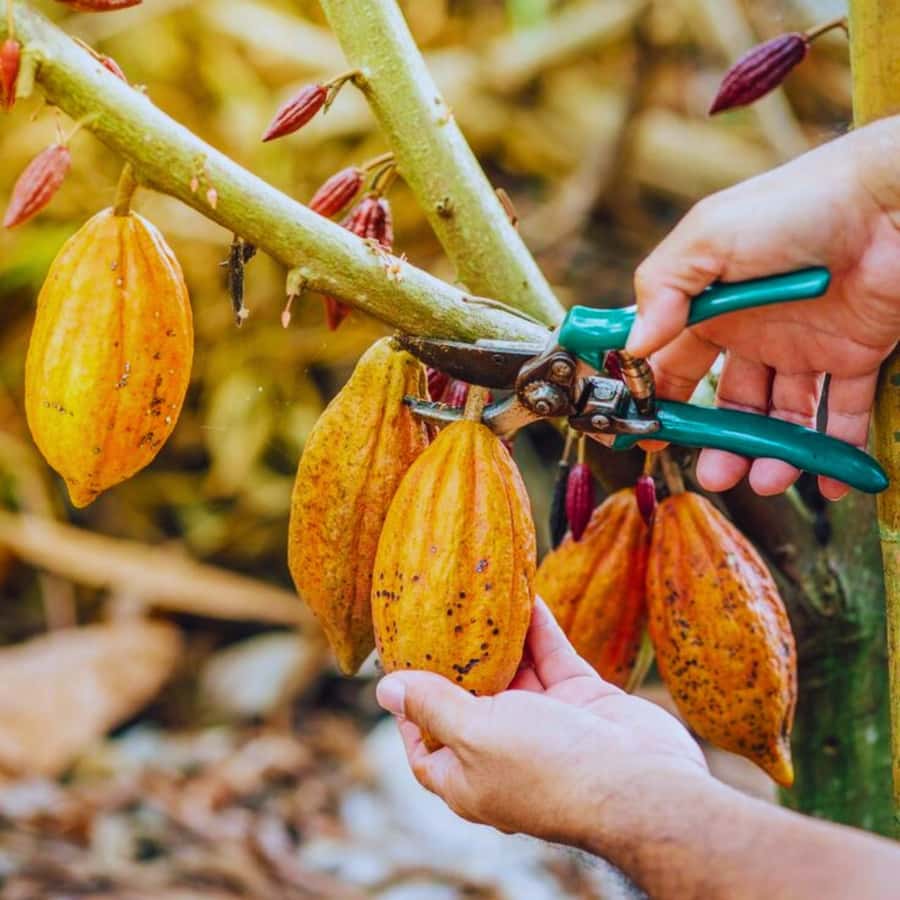
Next comes Minca Park, with roughly three hours of guided time. This is the part where the tour earns its name “trekking,” because you spend meaningful time moving through tropical forest trails rather than just doing a short stroll.
What makes this section valuable is the way the guide ties the scenery to the farming. You are shown native plants and you get a feel for how the ecosystem supports agriculture: fertile soils, nearby water sources, and forest cover that helps regulate conditions for crops.
You’ll also have several chances to pause at rest areas with panoramic views. The tour is designed so you are not exhausted by minute 20, then left alone to struggle for the rest. You are walking, listening, and stopping, which helps you enjoy the Sierra Nevada contrast: misty mountains up close, intense green in the jungle, and distant views toward the Caribbean Sea.
Practical note from how this tour plays in real life: wear comfortable shoes that you can trust on uneven ground. The uphill can feel “hearty,” and it is the kind of climb that catches you if you wear grippy sandals or thin sneakers.
Finca San Rafael: the sustainable farm stop and tastings
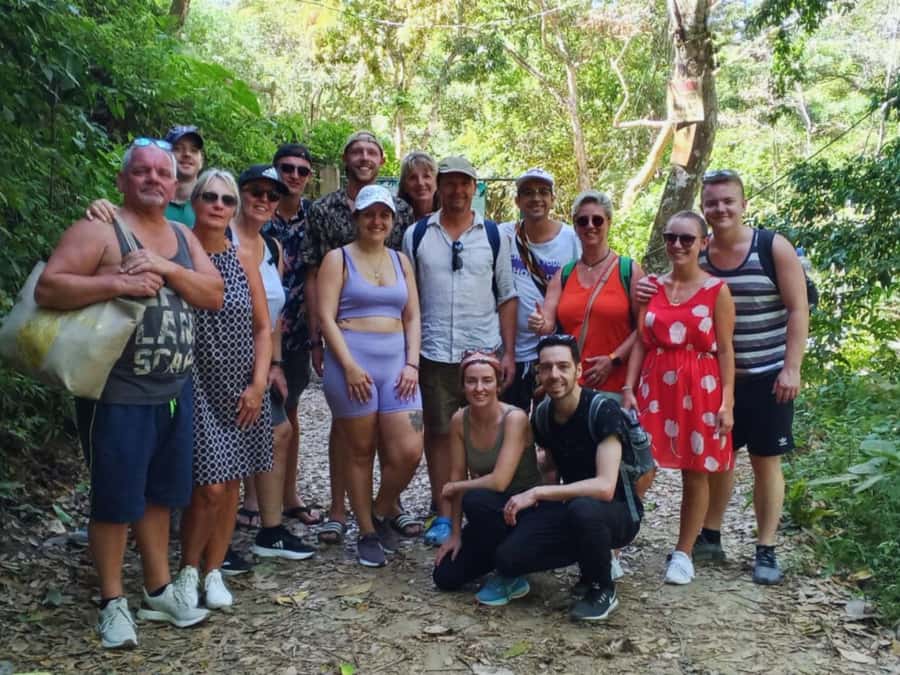
The final major stop is at Finca San Rafael, where you get the core coffee and cocoa education. This is the section that turns the tour from scenery into a real understanding of how the products are made.
You learn about cultivation, harvesting, and transformation. The focus is not only on how things are done, but why farmers have changed practices over time, moving toward more sustainable agroecological approaches. The goal is to respect the ecosystem while keeping the farm productive.
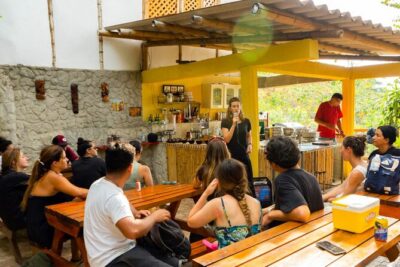
Then comes the best part for most people: tasting. You get a tasting of organic coffee and handmade cocoa. The big difference here is that the tasting feels connected to the story, because you are tasting at the point where the plants are grown and processed.
If you are sensitive to strong flavors, take it slow. Coffee and cocoa can be intense, especially when you taste multiple variations back to back. Your guide can usually help you understand what to look for in aroma and texture, which makes it more than just eating snacks.
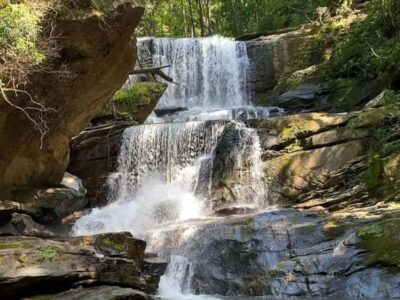
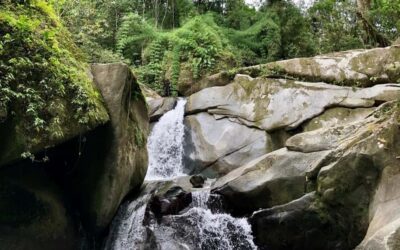
One more detail to be aware of: some groups have reported extra time for a short swim in a small natural lake at a waterfall, usually after the hike elements. That is not something you should count on as a guarantee, but it matches the tour style: nature first, with refresh moments when conditions allow.
More Coffee Farm Tours in Santa Marta
- Eco-Hike in Minca: Coffee Tour, Waterfall & Chocolate Experience!
★ 5.0 · 140 reviews - Trekking History and Indigenous Heritage in Minca + Cacao & Coffee + Waterfall
★ 4.9 · 63 reviews - Minca: Full-Day Coffee and Cocoa Tour from Santa Marta
★ 4.5 · 61 reviews - Cacao and Coffee Tour
★ 4.5 · 24 reviews
What you actually learn about coffee and cocoa here
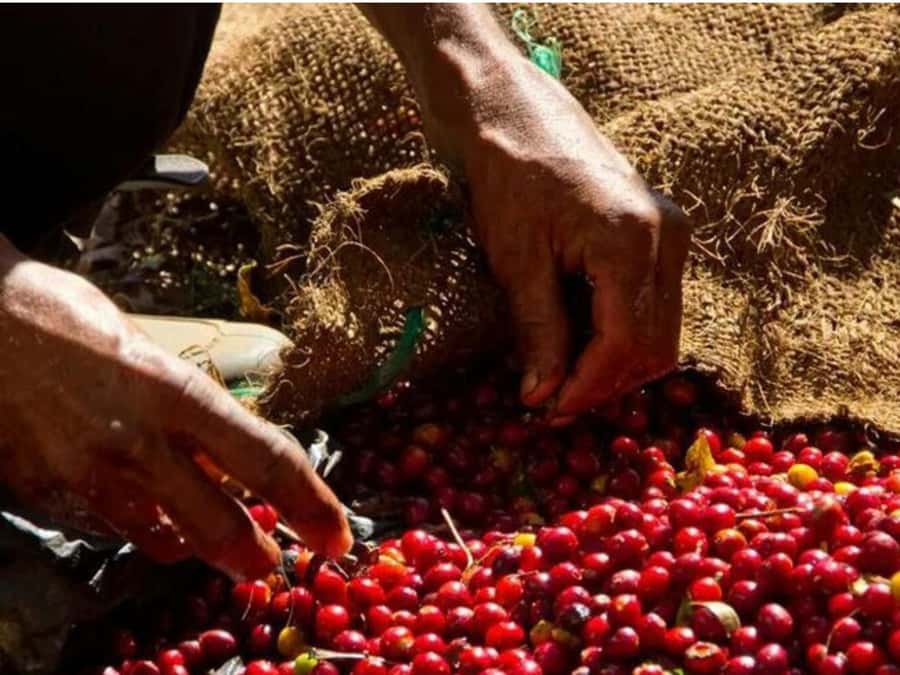
This tour’s coffee-and-cocoa lesson is not generic. It is grounded in how farmers from the Sierra Nevada region share their knowledge, including how community-based tourism and conservation overlap in practical ways.
You’ll hear how coffee and cocoa are tied to the local economy and culture, not just as crops but as part of identity. That shows up in the way the guide explains cultivation steps and how farmers talk about sustainability as a working system, not a slogan.
Here’s what I like about this approach from a value perspective: it makes your tasting more meaningful. Instead of thinking, This coffee is good, you start thinking, This is what the growing and processing decisions taste like.
And you also get a side of biodiversity education. Seeing native flora, learning what grows where, and noticing water sources changes how you see the forest. Even if you only remember a couple plant facts, you’ll leave with a better mental map of why the area supports agriculture the way it does.
The pace, the effort, and what to pack for the real day
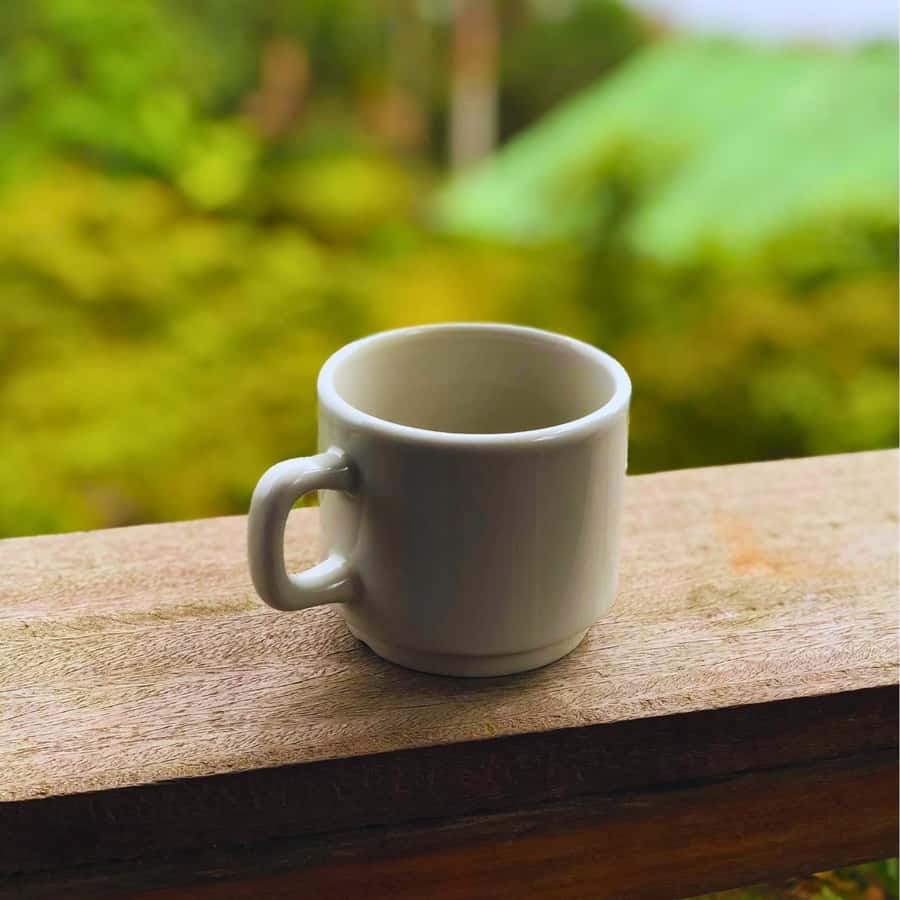
Duration is about 4.5 hours, so it fits well into a day when you still want time to explore Minca afterward. The biggest limiting factor is energy, not time.
This tour is not described as wheelchair-friendly, and it also is not suitable for people with respiratory issues. It is not for pregnant women, and it lists age limits including not suitable for people over 70, plus additional older categories in the info.
If you are unsure, think of it like this: you are walking on natural trails in the Sierra Nevada. You need enough leg endurance for uphill sections and uneven ground. One of the reviews called out a “hearty uphill hike,” and that lines up with what the itinerary suggests.
What to bring is very clear, and you’ll feel it on the day:
- Comfortable or hiking shoes, plus water
- Reusable water bottle
- Biodegradable sunscreen and biodegradable insect repellent
- Hat and maybe waterproof clothing, since weather can shift
- Clothes that can get dirty, plus trekking pants
Small tip that saves misery: bring a water bottle you like, because you’ll be using it during refresh stops, including access to natural water sources for cooling down.
Guides, language, and how the tour stays personal
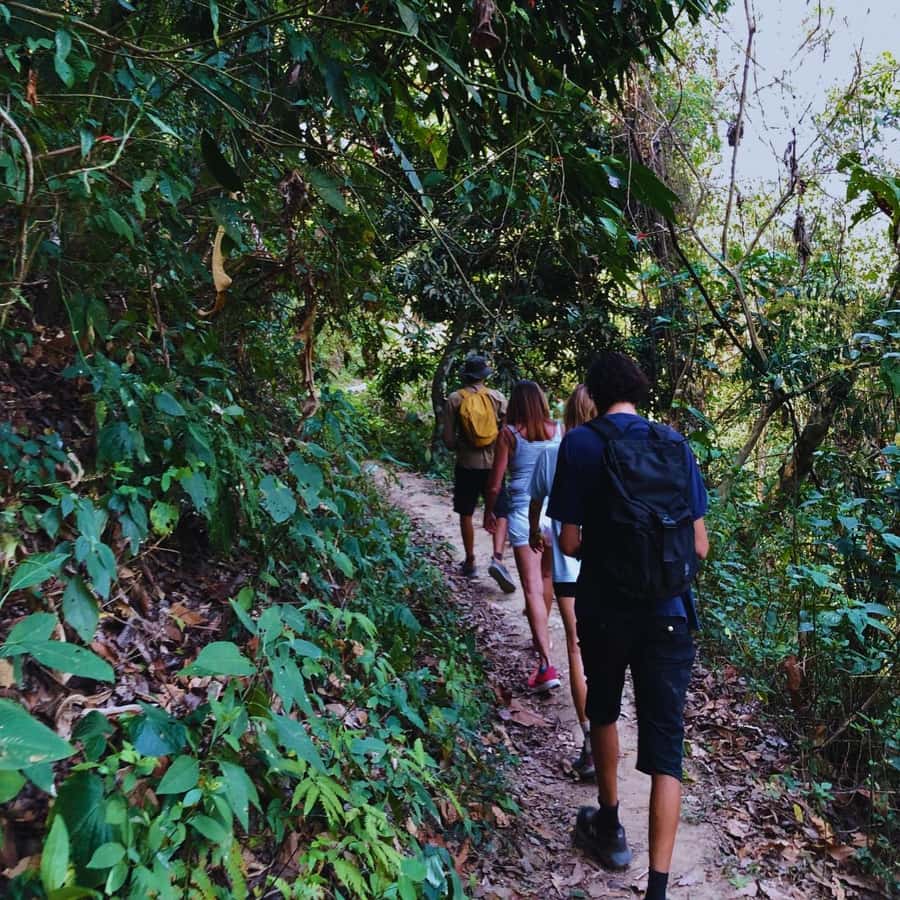
This tour is led by a local tour guide specialized in coffee, cocoa, and biodiversity. It runs in Spanish and English, so you can expect explanations in either language.
From past groups, guides like Albert, John, and Jorge come up often, and the consistent theme is that the guides explain the process clearly and answer questions as you go. That is a big deal on a tour like this, because it is easy to get lost in the middle of a farm explanation if you are not able to ask, Wait, what is that plant doing here?
Also, the tour is described as fully customized with professional guides. That usually means they adjust the pace and attention to what your group wants most, whether that is learning the production steps, focusing on nature spotting, or just getting the best tasting experience.
Value check: is $41 a good deal for what you get?
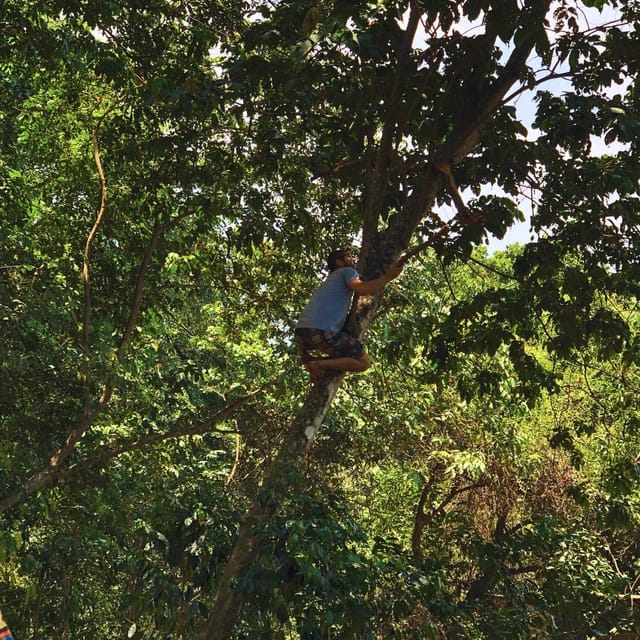
For $41, you get a lot that you would otherwise pay for separately:
- A specialized guide (coffee, cocoa, and biodiversity)
- Farm access and production explanation
- Tastings of organic coffee and handmade cocoa
- A guided hike on natural trails, plus rest stops and views
- Support items like natural water refresh access and insurance assistance
What is not included is equally important:
- No food
- No beverages
- No transportation to the meeting point
So the value depends on your plans for the rest of your day. If you already planned to snack later, you are fine. If you were hoping the tour would cover lunch, you will need to budget for that separately.
Compared to other half-day tours in the region, the big value is that you get both a nature trek and a production story, with tastings as the payoff.
Who this tour is best for
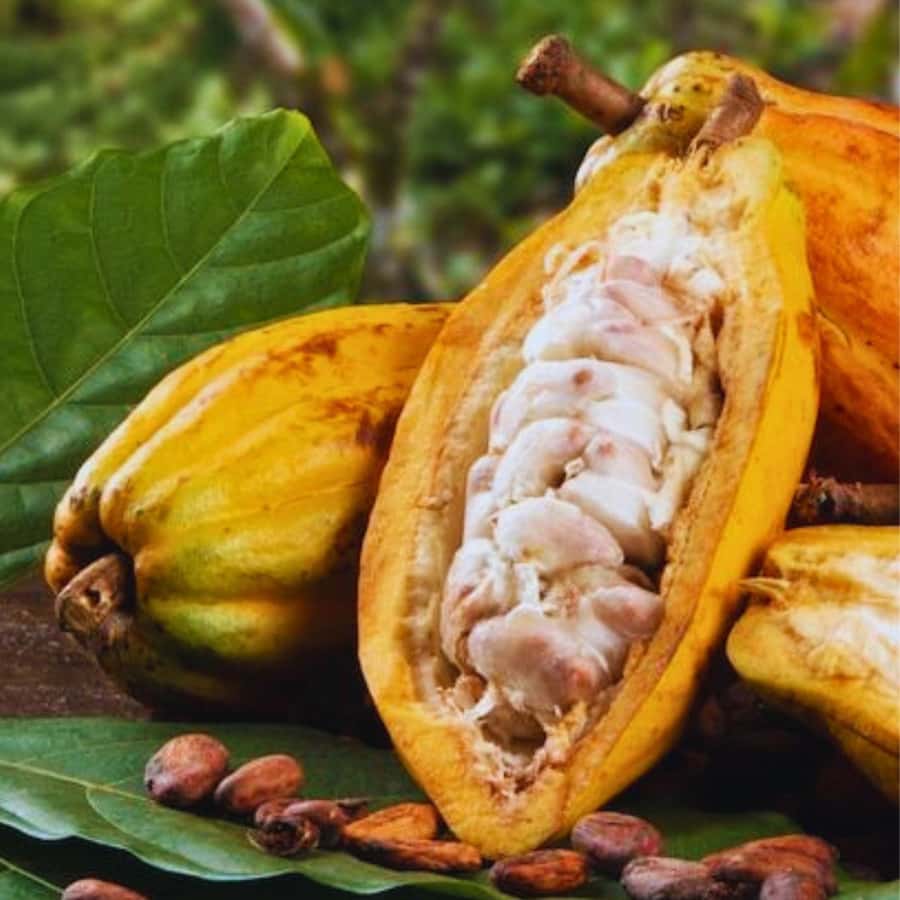
This is a strong pick if you want more than a walk and you like practical learning. It works especially well for:
- People who love coffee, cocoa, or just good food stories
- Travelers who enjoy guided hikes with explanations, not silent trail time
- Anyone interested in sustainability and community-based tourism that connects to real farming
If you are very mobility-limited or you have significant breathing issues, you should skip it. It is also not designed for kids under 8, and the info specifically flags that group.
If you want a calm, flat, low-effort walk, this probably will not be your style. Expect uphill sections and bring the right shoes.
Should you book this coffee, cocoa, and trekking tour in Minca?
Book it if you want a fun half-day in Minca where your coffee and cocoa knowledge actually improves, not just your camera roll. The combination of sustainable farming education, real tastings, and a guided Sierra Nevada trek is exactly the kind of experience that makes Minca feel specific.
Skip it if you need a very easy walk, if heat and uphill effort are tough for you, or if the health limitations apply. Also skip if you are hoping for a meal included, since food and beverages are not part of the tour.
If you do book, go prepared. Water, sunscreen, insect repellent, and shoes with real grip will make the difference between enjoying the hike and thinking about your feet the whole time.
FAQ
How long is the coffee, cocoa and trekking tour in Minca?
The tour lasts about 4.5 hours. Starting times vary, so you’ll need to check availability.
Where does the tour start and end?
It starts at the Central Park of Minca, near the church or small chapel. It ends back at the same meeting point.
What language options do the guides use?
The tour is offered with a live guide in Spanish and English.
What is included in the price?
Included are a local specialized guide, a visit to a sustainable farm with explanation, tastings of organic coffee and handmade cocoa, a guided hike on natural trails, native flora and fauna observation, rest areas with panoramic views, access to natural water sources for refreshment, and assistance insurance during the activity.
What should I bring?
Bring comfortable shoes, water, biodegradable sunscreen, a hat, waterproof clothing if you have it, biodegradable insect repellent, and clothes that can get dirty. A reusable water bottle and trekking gear can also help.
Is food included?
No. Food and beverages are not included, and you’ll want to plan your own snack or meal before or after the tour.
More Minca Trips
- Sierra Minca Day Tour
★ 5.0 · 10 reviews - Minca: Hidden Waterfall + Coffee and Cocoa Workshop
★ 4.9 · 6 reviews - Avistamiento de aves en Minca Sierra Nevada de Santa Marta
★ 5.0 · 4 reviews - Minca, Marinka Waterfall & Hostel Sierra Minca
★ 4.7 · 3 reviews
More Hiking & Trekking in Santa Marta
- Hike for 4 days to the Lost City, Santa Marta
★ 5.0 · 3,308 reviews - Tayrona Park Hike And Beach Day
★ 5.0 · 91 reviews - Santa Marta: Multi-Day Trek to The Lost City
★ 4.8 · 40 reviews - Santa Marta: Trekking in Minca Complete Waterfall Circuit
★ 4.4 · 28 reviews
Hot off the list in Santa Marta
- Tour en Velero a Bahía Concha Parque Tayrona★ 3.5 · 4 reviews
- TOUR DE 2 DIAS AL CABO DE LA VELA, LA GUAJIRA★ 4.4 · 14 reviews
- Tayrona Park & Playa Cristal★ 3.8 · 4 reviews
- Tayrona Park & Cabo San Juan★ 3.5 · 20 reviews
- SPEEDBOAT TOUR TO TAYRONA CRISTAL BEACH★ 3.7 · 7 reviews
- Sierra Minca Day Tour★ 5.0 · 10 reviews
- SANTAMARTA: White Night Tour in Katamaran with open bar★ 3.8 · 6 reviews
- SANTAMARTA: TOUR Remanso, Taganga, Playa Grande Lunch and Snorkeling Included★ 3.5 · 4 reviews
Minca Tours, compared.
Full-Day Hiking Tour in Minca with coffee & Cocoa Workshop
Read our review →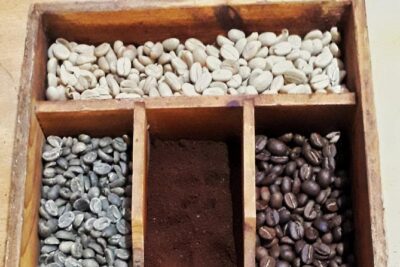
MINCA TOUR – Explore waterfalls and discover the origin of coffee and cocoa
Read our review →
Eco-Hike in Minca: Coffee Tour, Waterfall & Chocolate Experience!
Read our review →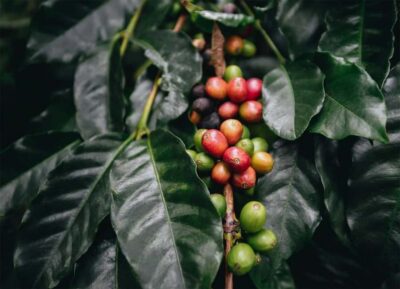
Trekking History and Indigenous Heritage in Minca + Cacao & Coffee + Waterfall
Read our review →
Minca: Full-Day Coffee and Cocoa Tour from Santa Marta
Read our review →