
REVIEW · COFFEE FARM TOURS
Coffee Tour Salento-Ocaso Farm- English Tour
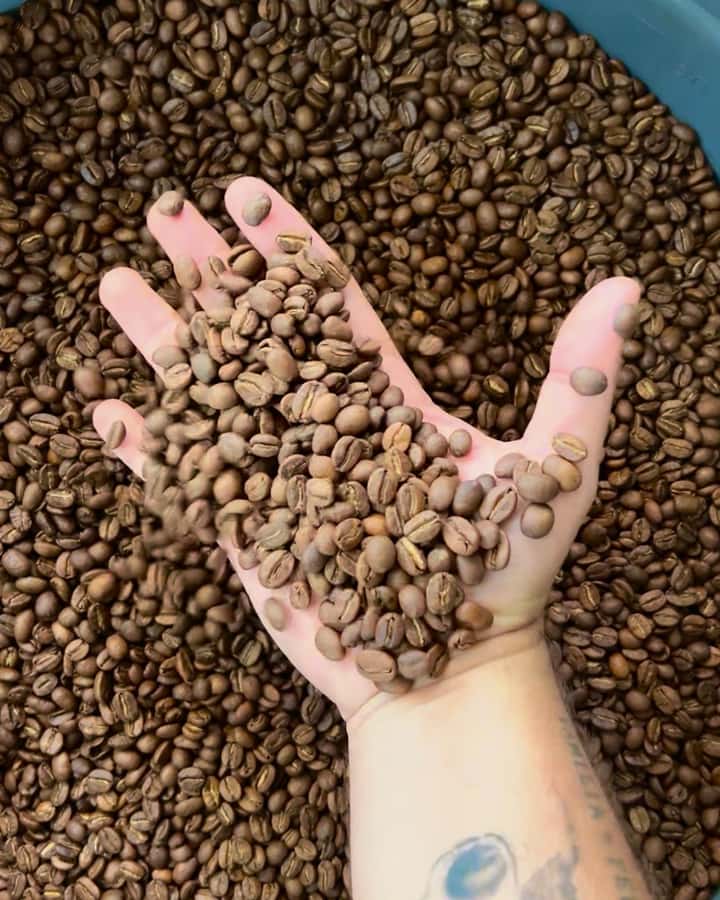
Coffee has a smell that grabs you. This tour is how that smell gets made, from living coffee trees to the cup. At FINCA EL OCASO SALENTO near Salento, you get a straightforward look at the Colombian coffee process while walking real plantations and seeing how the farm works.
What I like most is the hands-on feel: you can harvest and even do some sowing, not just stand around watching. I also love the way the tour connects farm care to flavor, with stations that cover composting, fertilization, and sustainability on the property.
One practical thing to think about is transportation. The farm is about 4 km from Salento, and the road is a bit rough (tertiary, not completely paved), so you will want to plan how you are getting there and back.
In This Review
- Quick hits before you go
- Why Finca El Ocaso coffee feels real in Salento, Tolima
- Getting to the farm: 4 km from Salento and the jeep tip
- The 90-minute flow: from coffee trees to the cup
- Planting, harvesting, composting, and why it affects your coffee
- Inside the processing plant: hopper to pulper, drying, and storage
- Roasting types, extraction basics, and what the guide emphasizes
- Traditional cloth strainer coffee in a pot, plus end-of-tour tasting
- Coffee house access and how to keep exploring after the tour
- Price and value: $14 for a full coffee chain
- Who should book this English farm tour
- Should you book the Coffee Tour at Ocaso Farm?
- FAQ
- How long is the Coffee Tour Salento-Ocaso Farm?
- Is the tour in English?
- Is transportation to the farm included in the ticket price?
- Where does the tour start and end?
- What should I bring?
- Is alcohol allowed during the tour?
- How far is the farm from Salento, and is the road paved?
- Can I cancel and get a full refund?
Quick hits before you go
- Traditional farm experience with a focus on the full coffee cycle, not just roasting
- English-guided tour (and guides like Nicolas and Johnathan are proven favorites)
- Sustainability in action, including composting and fertilization stations plus fauna and flora explanations
- Processing plant walkthrough from hopper and pulper through drying and storage
- Coffee tasting and traditional brewing, including cloth strainer coffee in a pot
- Good value for a short visit, at about 1.5 hours per tour
Why Finca El Ocaso coffee feels real in Salento, Tolima
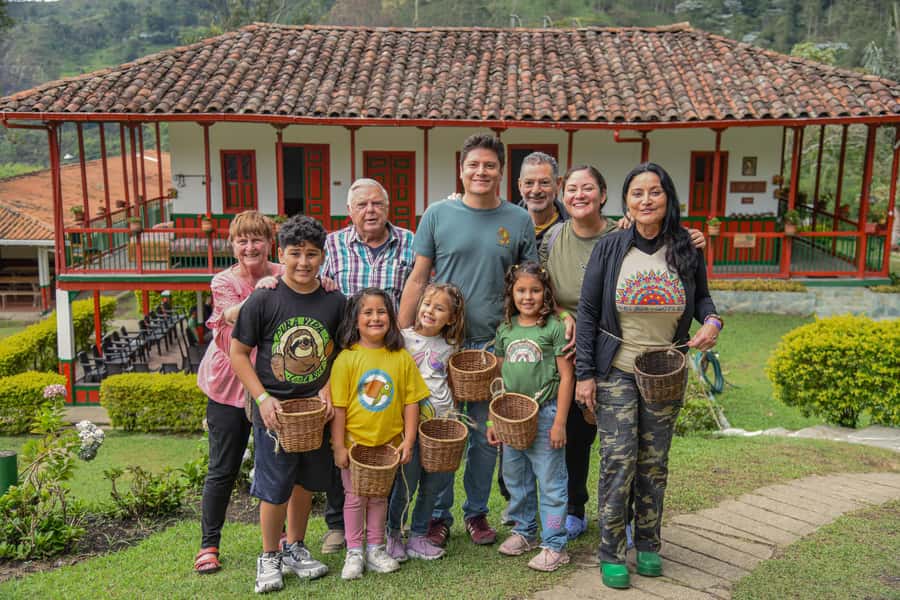
If you are in Salento and thinking coffee is just a souvenir, this tour changes that. Finca El Ocaso is a working place, and the tour is built around seeing coffee production as a sequence, step after step. You get the sense that every stage matters, because you literally walk through them.
I like the tone too. The tour keeps it practical, you learn why things are done, and you get to ask questions as you move. If you enjoy learning by watching and doing a little, you are going to feel right at home here.
The best part is that you do not only hear facts about coffee. You see the planting and growth, then you move into harvest work, then you shift gears into composting, processing, drying, storage, and finally brewing. It is a clean arc, and it makes the cup at the end feel earned.
More Coffee Farm Tours in Salento
- Salento: Private Cocora Valley, Salento & Coffee Farm Tour
★ 4.9 · 202 reviews - Coffee Tour at Finca El Ocaso Salento: Traditional Spanish Farm
★ 4.8 · 89 reviews - Salento: Coffee Farm Tour with Tasting
★ 4.9 · 41 reviews
Getting to the farm: 4 km from Salento and the jeep tip
The tour starts at the farm itself, and transportation is not included in the ticket price. That matters because the farm is about 4 km from Salento, and the road is a tertiary route that is not completely paved.
So plan for a short ride each way. You can take a Willys Jeep from the square in Salento to reach the farm, but it is not included in your tour price. One practical tip I would borrow: getting a jeep back to Salento can be cheaper than a taxi, and it may cost around 4,000 pesos per person (prices can vary, so treat that as a ballpark).
If you are traveling on a tight schedule, I suggest you build in a little buffer time for the ride. The road conditions can slow things down a bit, and you do not want to arrive flustered.
The 90-minute flow: from coffee trees to the cup
The tour runs about 1.5 hours, so it is not the kind of experience where you get lost for half a day. It is tight, guided, and focused on what actually happens on a coffee farm.
You start with the coffee basics. The guide talks history of coffee, predominant species, and the way coffee trees are planted and grow. Then you transition outdoors to the gardens and coffee plantations, where you learn how harvesting works and get a chance to participate in harvesting and sowing.
After that, the tour shifts to how the farm supports the crop. You visit a composting and crop fertilization station, and you get explanations about sustainability, plus fauna and flora on the property. It is a good reminder that coffee does not grow in isolation. It grows in an environment that the farm tries to manage responsibly.
Finally, you move through the processing plant stages, and you end with roasting and brewing. The whole structure makes sense for first-timers, because each section leads into the next.
Planting, harvesting, composting, and why it affects your coffee
This tour is built around the idea that good coffee starts on the plants, not just in the roaster. On the plantation walk, you learn about predominant coffee species, how the coffee tree is planted, and what growth looks like. You also get time in the gardens where the farm work feels tangible rather than theoretical.
The harvesting and sowing moments are especially fun if you like interactive activities. You are not doing anything complicated, but you are close enough to the plants to understand what changes from season to season. That hands-on part is one of the reasons this tour scores so well for first-time coffee learners.
Then comes the farm care section. You visit a composting and crop fertilization station, and you connect those practices to sustainability. The guide also explains sustainability plus the farm’s fauna and flora, which helps you see coffee as part of a living system.
I appreciate that the sustainability portion is not just a slogan. It is tied to what they do on the land: composting, fertilization, and the way they manage the property to support healthy production.
More coffee farm visits in Salento Colombia:
- Salento and Cócora Tour + Coffee Farm from Pereira/Armenia
★ 5.0 · 33 reviews - Coffee Farm Tour at Finca El Ocaso from Salento
★ 4.5 · 19 reviews - Salento: Coffee Master Roasting, Brewing and Tasting Tour
★ 4.8 · 6 reviews - Half Day Bike Tour in Medellin – Local snack, Coffee or Beer
★ 5.0 · 2,509 reviews
Inside the processing plant: hopper to pulper, drying, and storage
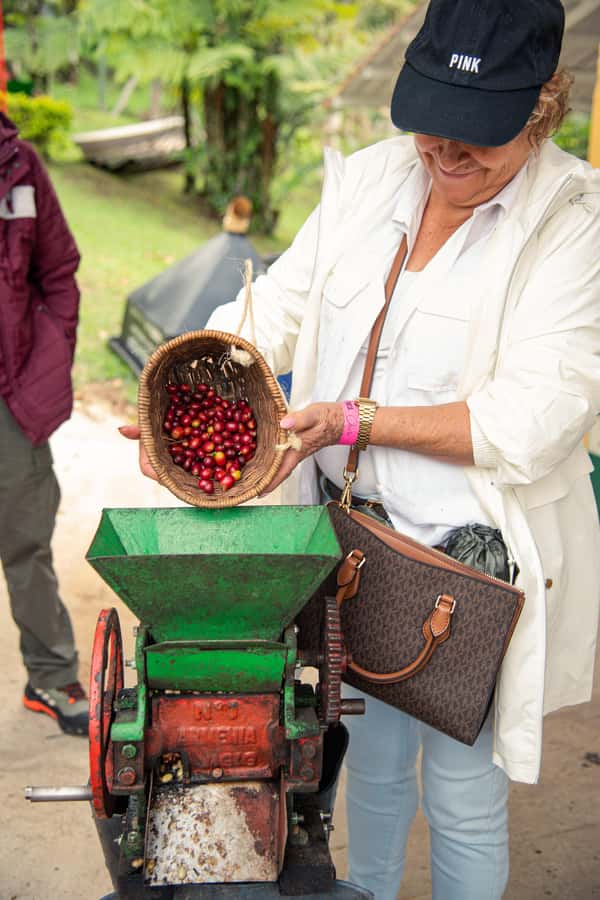
The processing plant visit is where coffee turns from a plant into a product. You move through the key steps the farm uses, starting with equipment like the hopper and pulper.
From there you learn about drying, which is a huge factor in coffee quality. The tour includes both mechanical drying and traditional drying, so you understand that the farm uses more than one method. Seeing those options side by side helps you grasp why timing and technique matter.
Next you get the storage and processing flow: a storage warehouse, threshing, and how coffee moves toward marketing. Even if you are not trying to become a coffee professional, this part helps you connect the dots. You realize that roasting is the last step, not the only step that counts.
If you like systems and cause-and-effect, this segment is satisfying. It is a reminder that a good cup is built on farm decisions that happen long before you ever see coffee beans in a bag.
Roasting types, extraction basics, and what the guide emphasizes
After the processing walk, you circle back to the cup. The tour covers types of roasting and explains why roast matters for coffee quality. This is one of those sections that can sound basic, but it is important because roasting changes the way coffee behaves in the brewer.
Then you get the bases for correct coffee extraction. The tour does not drown you in technical terms. It keeps the focus on the idea of extraction as the final bridge between processed beans and what you drink.
If you are someone who likes to order coffee and pay attention to the details, you will enjoy this part. You start to notice that brewing is not just taste preference, it is also a method.
As a bonus, the guide energy tends to be a highlight here. Names like Nicolas and Johnathan come up as favorites, and you can feel that the guides want you to understand coffee, not just march through stops.
Traditional cloth strainer coffee in a pot, plus end-of-tour tasting
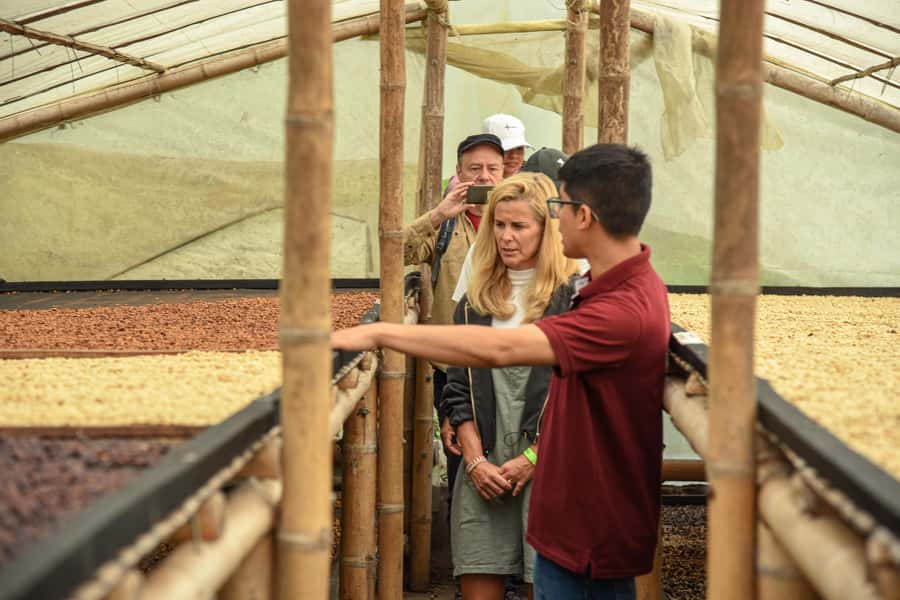
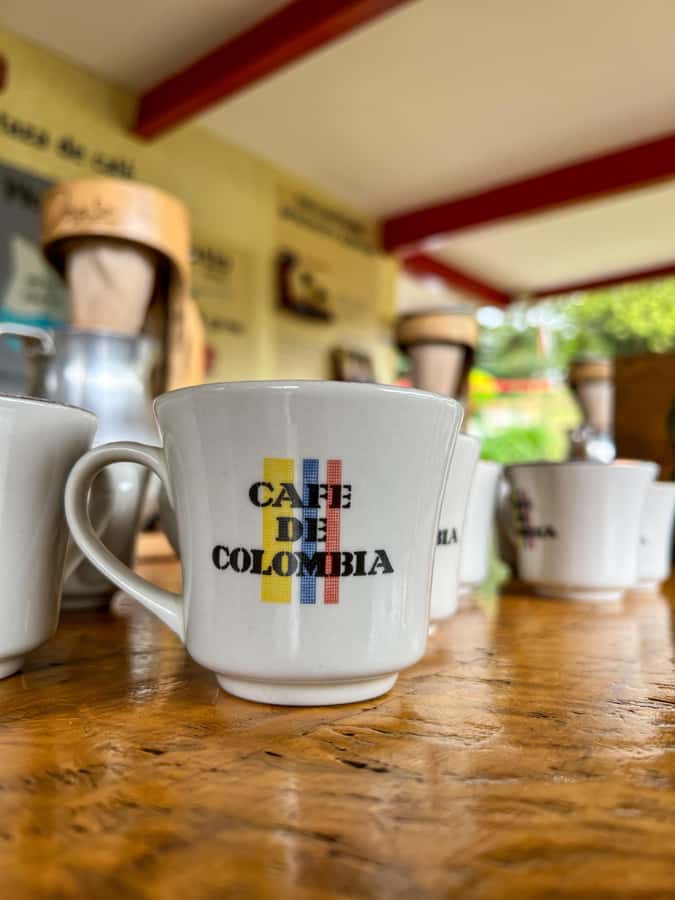
The last stretch is where the learning turns into something you can taste. You learn traditional coffee preparation using a cloth strainer and a pot. It is a simple setup, but it is a great way to connect the earlier lessons about extraction and roasting to an actual cup in your hands.
At the end, there is also a tasting in the coffee house. This is the moment to slow down a bit and pay attention to what you like. You now have context for why the cup tastes the way it does, because you saw the farm process from harvest through drying and processing.
I find that tasting at the end of a farm tour is the best time to ask questions. If you think you understood something earlier, this is where you confirm it.
Coffee house access and how to keep exploring after the tour
Because the coffee house is open to the public, you can treat this as more than a one-time event. Even if your 1.5 hours end, you can likely keep the coffee conversation going with staff at the coffee house and ask more casual questions.
The main value for you is that you leave with real reference points. You can talk about why drying methods matter, why composting and fertilization connect to crop health, and why roasting affects how coffee extracts in the cup.
If you enjoy bringing home useful travel memories, this is one of those experiences that translates. You can recognize what makes coffee special beyond brand and hype.
Price and value: $14 for a full coffee chain
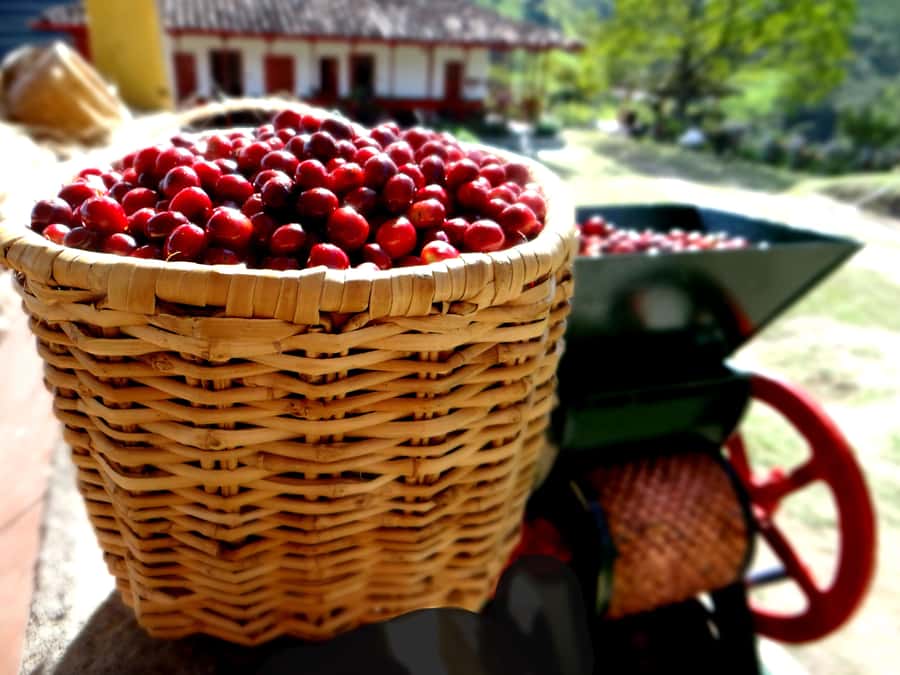
At $14 per person, this is a strong value for an experience that covers the coffee chain end to end. Many coffee activities focus on one narrow slice, like only roasting or only tasting. Here, you get plantation work, composting and fertilization, a processing plant walkthrough, plus roasting and brewing.
The time is also a plus. At 1.5 hours, you can fit it into a Salento day without feeling like you lost your whole schedule. You get structured learning without a long slog.
The tradeoff is transportation, since it is not included. You will spend something on getting to the farm and back, and the road is not fully paved. Still, if you are already in Salento, the added local transport cost usually feels worth it for the hands-on farm experience you get in return.
For me, $14 works because the tour is doing real work. It is not just sightseeing, it is a guided education built around a working coffee farm.
Who should book this English farm tour
This is a great fit for you if you:
- Want a practical introduction to how Colombian coffee is made
- Like tours where you move between outdoor plantation areas and a processing plant
- Appreciate sustainability when it is tied to what happens on the ground
- Prefer guided learning in English and enjoy asking questions
It is also a good choice for couples and small groups who want a shared activity that is not overly formal. The atmosphere feels lively because the guide is interacting as you go, and the hands-on harvest and sowing moments help everyone participate.
If you are short on time in Salento but still want a genuine behind-the-scenes experience, this one hits the sweet spot.
Should you book the Coffee Tour at Ocaso Farm?
Yes, you should book it if you want the real story from tree to cup, and you like learning in motion. The farm covers a full production sequence, and you get both a tasting and traditional cloth strainer brewing at the end.
I would only hesitate if you hate bumpy rides, because the farm is 4 km from Salento on a tertiary road that is not completely paved. If you can handle that, this is a very solid way to spend 1.5 hours in Tolima with actual coffee people and a clear coffee workflow.
FAQ
How long is the Coffee Tour Salento-Ocaso Farm?
The tour lasts about 1.5 hours.
Is the tour in English?
Yes, the guided tour is available in English.
Is transportation to the farm included in the ticket price?
No. Transportation is not included. The tour starts at the farm.
Where does the tour start and end?
It starts at the farm, and it ends back at the meeting point.
What should I bring?
Bring insect repellent.
Is alcohol allowed during the tour?
No, alcohol and drugs are not allowed.
How far is the farm from Salento, and is the road paved?
The farm is about 4 km from Salento. The road is a tertiary route and is not completely paved.
Can I cancel and get a full refund?
Yes. You can cancel up to 24 hours in advance for a full refund.
More Farms in Salento Colombia
- Guatape & Coffee Farm & El Peñol Rock & Quaint Town: Best Combo
★ 5.0 · 738 reviews - Guatapé & Coffee farm, all in one day
★ 5.0 · 489 reviews - Medellín Coffee Farm Tour with Trolley and Cable Car Ride
★ 4.9 · 277 reviews - Coffee Farm Tour from Bogotá – Be a Farmer for a Day
★ 5.0 · 213 reviews
More Coffee Experiences in Salento Colombia
- Half-Day Coffee Tour: From the Seed to the Cup, Farm & roastery
★ 5.0 · 1,418 reviews - Medellin: Coffee Tour with Transport, Snacks and Tastings
★ 4.7 · 1,357 reviews - Electric Bike City Tour Medellin With Colombian Coffee and Snack
★ 5.0 · 1,275 reviews - Private Coffee Farm Tour in Medellin: Real Authentic Experience
★ 5.0 · 934 reviews
Hot off the list in Salento Colombia
- Santa Rita Waterfall and Salento Private Tour★ 5.0 · 9 reviews
- Salento: Salento & Cocora Valley Tour★ 5.0 · 11 reviews
- Salento: Coffee Master Roasting, Brewing and Tasting Tour★ 4.8 · 6 reviews
- Salento: hike to learn about Birds★ 4.9 · 6 reviews
- Salento, Cocora and Filandia Full Plan from Pereira/Armenia★ 5.0 · 11 reviews
- Salento: Coffee Farm Tour with Tasting★ 4.9 · 41 reviews
- Salento and Cócora Tour + Coffee Farm from Pereira/Armenia★ 5.0 · 33 reviews
- Santa Rosa de Cabal Thermal Hot Springs★ 4.0 · 16 reviews
Coffee Farm Tours, compared.
Half Day Bike Tour in Medellin – Local snack, Coffee or Beer
Read our review →
Half-Day Coffee Tour: From the Seed to the Cup, Farm & roastery
Read our review →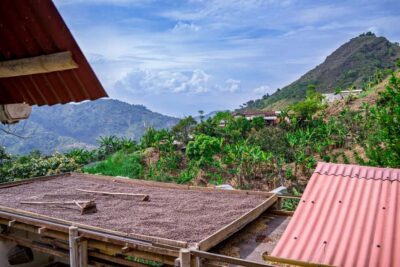
Coffee Tour with Transport, Snacks and Tastings
Read our review →
Electric Bike City Tour Medellin With Colombian Coffee and Snack
Read our review →
Private Coffee Farm Tour in Medellin: Real Authentic Experience
Read our review →
Guatape & Coffee Farm & El Peñol Rock & Quaint Town: Best Combo
Read our review →
Coffee tour in Medellín with tastings and transportation
Read our review →Browse the lists this tour appears in