
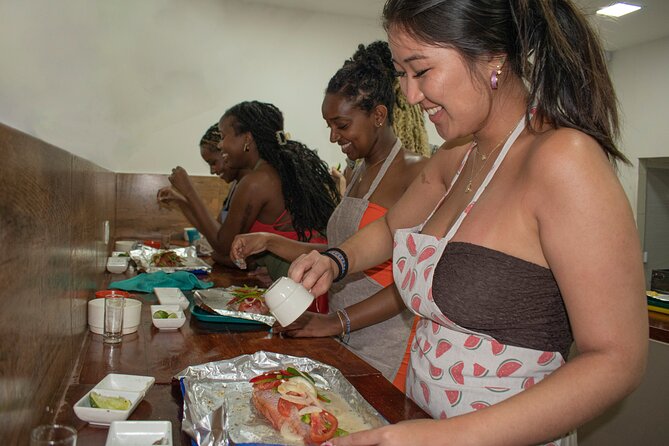
REVIEW · COOKING CLASSES
Cooking Class In A Real Restaurant At Old City
A kitchen class in Cartagena feels like a party with dinner. This one happens inside a real restaurant in the historic center, where you spend about 2 hours working hands-on with professional chefs. You also get the stories behind the food, and yes, you may even be dancing while something cooks.
I really like two things here. First, you are not just watching, you are making key dishes start to finish, including coconut rice and patacones. Second, you eat what you prepare in the restaurant, so the class ends with a proper meal instead of small bites. One thing to consider: the pacing can feel lively, so if you prefer a quiet, lecture-style class, this might not match your vibe.
In This Review
- Key highlights to know before you go
- Where this class fits in Cartagena (and why the setting matters)
- Meet the team in a working Old City kitchen
- Your menu in Cartagena order: what you cook and what it teaches
- Coconut rice from scratch
- Crunchy patacones
- Panela water, Cartagena style
- Mojarra roja al papillon, the Cartagena fish moment
- Empanadas: dough, fillings, then the grand finish
- What happens after you cook: eating like you mean it
- Price and value: is $43 really fair?
- Language, group size, and the real-world flow
- Best for whom: who will love this class most
- Things to watch so you get the most from your time
- Quick reality check: a possible drawback to plan around
- Should you book this Cartagena cooking class?
- FAQ
- Where does the cooking class start?
- What time does the class begin?
- How long is the class?
- What dishes will we cook?
- Is this class large or small?
- Is there English support during the class?
- Do we get to eat what we cook?
- Can I cancel and get a refund?
Key highlights to know before you go
- Real restaurant kitchen setting: You cook in the working space of a restaurant in Cartagena’s Old City.
- Hands-on menu sequence: Coconut rice, patacones, panela water, Cartagena fish, and empanadas.
- Small group size: Maximum of 8 travelers keeps things interactive.
- Music and movement: The chef likes to dance, and the room gets festive while you wait for the fish.
- You eat the full results: Everything you make is served for the group meal.
- Recipes shared after: People report receiving recipes electronically so you can repeat the dishes at home.
Where this class fits in Cartagena (and why the setting matters)
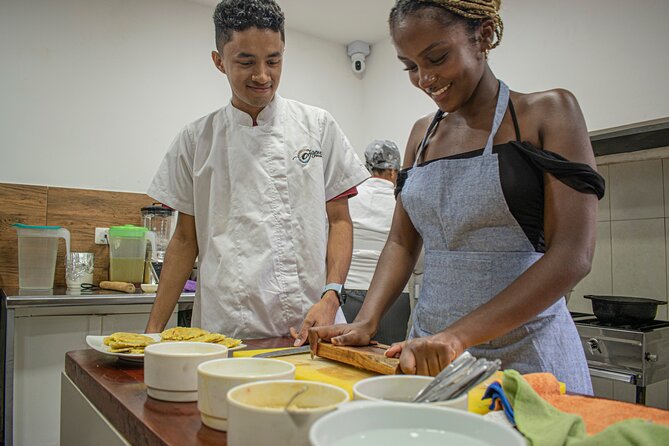
Cartagena is easy to tour with your feet, harder to understand with your stomach. This cooking class helps you do both, because you are right in the historic center area and you are learning how local dishes are built. The meeting point is Orígenes Restaurante Bar on Calle Estanco del Aguardiente, Calle 38, near the center of town. That location is practical for a late afternoon start, and it keeps the experience rooted in everyday food culture rather than a tourist studio.
The timing also makes a difference. The class starts at 3:30 pm and runs about 2 hours, which lands you in that sweet spot: you get a satisfying early dinner at the end, without feeling like you missed the nightlife window.
Finally, the small class size matters for comfort and learning. With a maximum of 8 people, you are more likely to get hands-on instruction instead of taking turns behind glass. Even better, the kitchen setup is reported as air-conditioned and with enough room to see and participate, which is a big deal in Cartagena’s heat.
More Cooking Classes in Cartagena
- Small-Group Colombian Cooking Class in Cartagena with Local Chefs
★ 5.0 · 466 reviews - SkyKitchen 4 Course Cooking Class
★ 5.0 · 157 reviews - Bazurto Market Tour and Cooking Class in Cartagena
★ 5.0 · 131 reviews
Meet the team in a working Old City kitchen
This experience is run by Real Experience Cartagena, and it’s staffed by two professional chefs. In past sessions, I’ve seen that the chef leadership is front-and-center, with an English interpreter helping bridge the language gap when needed. Some classes have featured chefs such as Astrid and interpreters such as Dana or Danna, and the vibe described is friendly and energetic.
That matters because cooking classes succeed or fail on communication. When the instruction is clear and the translation keeps up, you can actually learn techniques, not just copy a dish once. The best part is that the food is taught as a chain, with each recipe feeding into the meal you will serve at the end.
You’ll also notice the tone of the place quickly. People describe festive energy, with music playing and plenty of smiles. It still stays organized enough that you can follow steps in a real kitchen, but it does not feel stiff.
Your menu in Cartagena order: what you cook and what it teaches
You are not cooking a single dish for the sake of a photo. The menu is designed like an actual meal service, with you making components that fit together.
Coconut rice from scratch
The first task is coconut rice. Starting here is smart, because it teaches you the base rhythm of cooking: measure, start, watch, adjust, and let it work while you move to the next thing. Since it is also used for the restaurant service, you get the sense that this is practical, repeatable cooking, not just a one-off demo.
What you should look for while you cook is texture control. Coconut rice is forgiving, but small choices in heat and timing affect whether it turns silky or mushy. If you care about consistent results, pay attention as the chef shows how they keep it on track.
More Dining Experiences in Cartagena
- Dinner cruise on Cartagena’s bay with Sibarita Master
★ 4.5 · 297 reviews - Dinner Cruise Along Cartagena’s Bay
★ 4.5 · 147 reviews - Cartagena: Cruise by the Bay with Dinner and Wine
★ 4.4 · 142 reviews - Private Dinner at a Local Chef’s House in Cartagena
★ 5.0 · 38 reviews
Crunchy patacones
Next up: patacones, the crispy, flattened plantain snack that is a cornerstone of Caribbean-style cooking. Patacones teach the technique of handling ingredients that are starchy and temperamental. You learn how to press and fry so they come out crisp, not soggy.
This is also a favorite because it is tactile. You will likely feel most “in it” during steps where you shape and fry. The crowd energy tends to rise here, because everyone recognizes patacones and also wants to nail them.
Panela water, Cartagena style
While the kitchen moves, you’ll prepare a typical local drink called panela water. Panela is unrefined sugar, and in drinks it brings a gentle caramel flavor without tasting like plain syrup. This step adds a sweet, aromatic break from frying and stovetop focus.
Even if you do not plan to become a drink expert at home, this is a useful lesson in flavor building. It shows how Colombians balance sweetness and warmth in everyday beverages.
Mojarra roja al papillon, the Cartagena fish moment
The next major dish is mojarra roja al papillon, described as one of the most typical fish preparations in Cartagena and a recipe loved by local ancestors. You are not just tasting fish. You are learning a classic method that shapes how the fish cooks and eats.
During the time the fish is cooking, you may get a chance to dance to the typical music because the chef loves to dance. That pause is not wasted time. It helps you reset your attention so you can stay present for the next step, especially because fish cooking can require a bit of waiting and careful timing.
Empanadas: dough, fillings, then the grand finish
Last is empanadas, and you are part of the process: preparing the dough and the fillings. This step tends to be the most “you made the whole thing” feeling, because it combines bread-making, seasoning, and assembly.
If you have only eaten empanadas in passing, this is where you learn how they get their structure. The fillings are not random. They connect to what the region does well, and the dough is where the final texture is decided.
What happens after you cook: eating like you mean it
At the end, you sit down and eat everything you prepared in the restaurant. This is a big part of the value. A lot of cooking classes hand you a bite or two and call it a day. Here, the meal is framed as a shared experience that closes the loop on the cooking work you just did.
You also have a chance to order drinks from the restaurant along the way. People have mentioned enjoying drinks such as sangria during the class, which gives you a simple way to make the session feel even more like a full afternoon with friends.
Finally, you are not leaving empty-handed in the “what did we actually do” sense. Many people report that recipes are shared electronically after the class, which is one of the best souvenirs you can bring home. It turns the experience from entertainment into something you can repeat.
Price and value: is $43 really fair?
At $43 per person, this class is priced like a serious local activity, not a tourist add-on. The value comes from three places:
- You cook multiple dishes, not just one item.
- You eat what you cook, so the price covers both instruction and a substantial meal.
- You get chef-led technique, with translation help when needed.
The 2-hour duration also plays into value. You spend enough time actively working that you learn techniques, not just watch. And because the class ends with a meal, you are less likely to need to scramble for dinner after.
If you compare it to Cartagena meals at restaurants plus a paid activity, this often makes sense. It’s one of the more efficient ways to spend a couple of hours while still taking home practical food skills.
Language, group size, and the real-world flow
Most of the instruction is built around cooking steps, so even if your Spanish is basic, you can still follow along by watching and asking questions. From prior classes, an English translator often supports the chefs, which makes the differences between right and wrong technique easier to understand.
The small group size also smooths the flow. With a maximum of 8 travelers, you are not stuck waiting long stretches. You can get closer to the counter, see what the chef is doing, and participate instead of hovering.
One more practical detail: the class takes place in a restaurant kitchen, not a showroom. That means it can feel more “real” than staged. You might notice kitchen sounds, the rhythm of service, and a sense that the chefs are working through multiple tasks. For many people, that is the charm.
Best for whom: who will love this class most
This is a strong fit if you want an authentic Cartagena food experience without doing a full food tour on foot. It’s especially good for:
- Couples who want something social and memorable, without a huge commitment
- Solo travelers who like small-group activities where you meet other people
- Families with kids who can handle hands-on tasks and enjoy a lively atmosphere
- Food lovers who want recipes they can actually cook again at home
If you prefer silent, museum-like experiences or you are very strict about controlling kitchen mess, you might find it a little energetic. But if you enjoy learning through doing, this one clicks.
Things to watch so you get the most from your time
A cooking class goes better when you arrive ready to focus. A few practical tips based on how these classes run:
- Pay attention to technique, not just outcomes. People who get the most out of it tend to watch carefully for the “why” behind each step.
- Ask questions when you can. If there is translation support, use it early so you know what to look for later.
- Try the whole menu. Even if one dish is not your usual pick, coconut rice, patacones, and panela water make the meal feel complete.
- Plan for a full meal at the end. You likely will not need dinner right after, especially if you eat everything you make.
Quick reality check: a possible drawback to plan around
The only caution I’d flag is the schedule variability. One past experience reported a last-minute cancellation after time adjustments, and that is the kind of thing you can never fully eliminate with any small, live class. The good news is you are usually offered flexibility or a refund if the operator cancels, but for tight travel schedules, it’s still smart to keep this as one of the easier plans to shift.
Also, because the class is in the kitchen and includes dancing and active participation, it is not the best choice if you want a quiet hour.
Should you book this Cartagena cooking class?
If you want a hands-on Cartagena experience that ends with a real meal, this is an easy yes. The combination of multiple dishes, a small group, and the fact that you eat what you make makes the price feel justified.
Book it if you like:
- Colombian flavors and Caribbean cooking basics
- learning techniques you can replicate
- a social, friendly environment in the middle of the Old City
Skip it only if you need a strictly quiet, classroom-style activity or you are traveling on a schedule so tight that any small change would ruin your day.
FAQ
Where does the cooking class start?
It starts at Orígenes Restaurante Bar, Calle Estanco del Aguardiente, Calle 38, l-1, El Centro, Cartagena de Indias, Bolívar, Colombia.
What time does the class begin?
The listed start time is 3:30 pm.
How long is the class?
The class lasts about 2 hours.
What dishes will we cook?
You will prepare coconut rice, patacones, panela water, mojarra roja al papillon, and empanadas.
Is this class large or small?
It has a maximum of 8 travelers.
Is there English support during the class?
In past sessions, an English translator has supported the chefs, especially when the main instructor speaks Spanish.
Do we get to eat what we cook?
Yes. At the end, you eat everything prepared in the restaurant together as a group.
Can I cancel and get a refund?
Yes, there is free cancellation, with a full refund if you cancel at least 24 hours before the experience starts.
Hot off the list in Cartagena
- SkyKitchen 2-Hour Cocktail Class in Cartagena★ 5.0 · 23 reviews
- Private Baru Aviary Tour with Lunch Included★ 4.5 · 26 reviews
- Rosario Islands Private Day – Exclusive VIP Escape★ 5.0 · 21 reviews
- CITY WALLED CITY SEGWAY SKATEBOARD TOUR and GETSEMANI★ 5.0 · 30 reviews
- Shore Excursion private Luxury City tour of Cartagena★ 5.0 · 8 reviews
- Cartagena Culinary Private Tour: Local Flavors & Hidden Gems★ 4.0 · 6 reviews
- Shore Excursion Mangroves tour★ 4.5 · 3 reviews
- Zip Through Walled City and Barrio Getsemani by Segway★ 5.0 · 4 reviews
Cooking Classes, compared.
Small-Group Colombian Cooking Class in Cartagena with Local Chefs
Read our review →
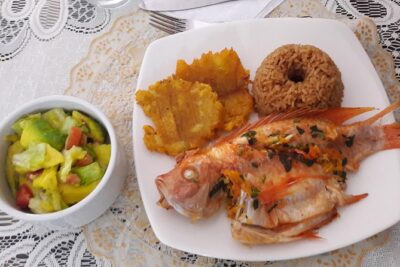
Bazurto Market Tour and Cooking Class in Cartagena
Read our review →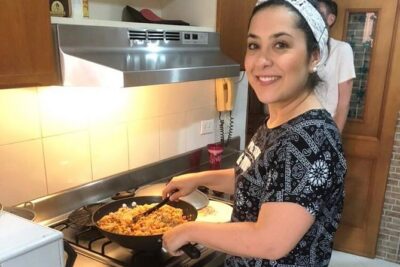
Private Colombian Cooking Class in Medellin with a Local Family
Read our review →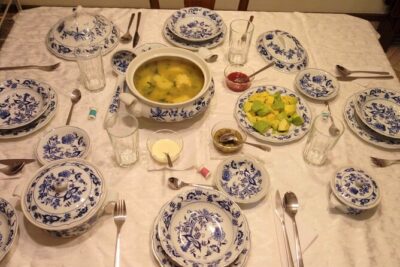
Plaza Minorista Tour and Home Cooking in Medellín with Daniela
Read our review →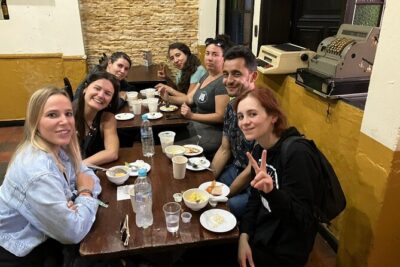
Private Colombian Cooking Class and Market Tour In Bogota
Read our review →
5-Hour Cooking and Tasting Class with Market Small Group Tour
Read our review →
Browse the lists this tour appears in