

REVIEW · LETICIA TOURS
From Leticia: Wild Amazonas Adventure 4-Day Tour
Want the rainforest to unplug you?
This 4-day, 3-night Amazon adventure from Leticia turns a normal border-town trip into real jungle time, with hikes, boat travel, and hands-on cultural stops. I love that it mixes wildlife, local food, and indigenous learning without feeling like a checklist. You also get a very practical tour rhythm, day trips that start early and end with the kind of evening plans you will actually remember.
Two things I like a lot are the Malokas experience and the guidance style (Edwin, the guide, comes through in the best way, calm, prepared, and focused on safety). A second big win is the way the itinerary keeps you moving through different parts of the Amazon, from community trails to Puerto Nariño lookouts and sloth-focused ecological walks.
One drawback to plan for is the remote setup, especially the no-electric-power night on the last full evening. If you need constant charging, bright late-night lighting, or a predictable hotel feel every single night, this may feel too rustic.
In This Review
- Key moments that make this tour work
- Leticia start: airport tax, boots, and crossing into the wild
- Tabatinga Malokas and rainforest hiking: why this day matters
- Day 2 to Puerto Nariño: a car-free town with a jungle view
- Nocturnal walk and dinner in a Maloka: the cultural highlight with real logistics
- Day 3: Cacao Island trail for primates, birds, and sloths
- Correo Lakes for dolphin chances, plus a possible swim
- Day 4: Natutama conservation education and back to Leticia
- Price and value: what $789 buys you here
- What you should pack (so the trip feels easy, not stressful)
- Who this tour suits best, and who should think twice
- Should you book Wild Amazonas Adventure 4-Day Tour?
- FAQ
- Is the tourism tax included?
- What is included in the price?
- What is not included?
- What language will the guide speak?
- Do I need to bring anything for night walks?
- Will I have electricity during the trip?
- Do I need vaccinations?
Key moments that make this tour work
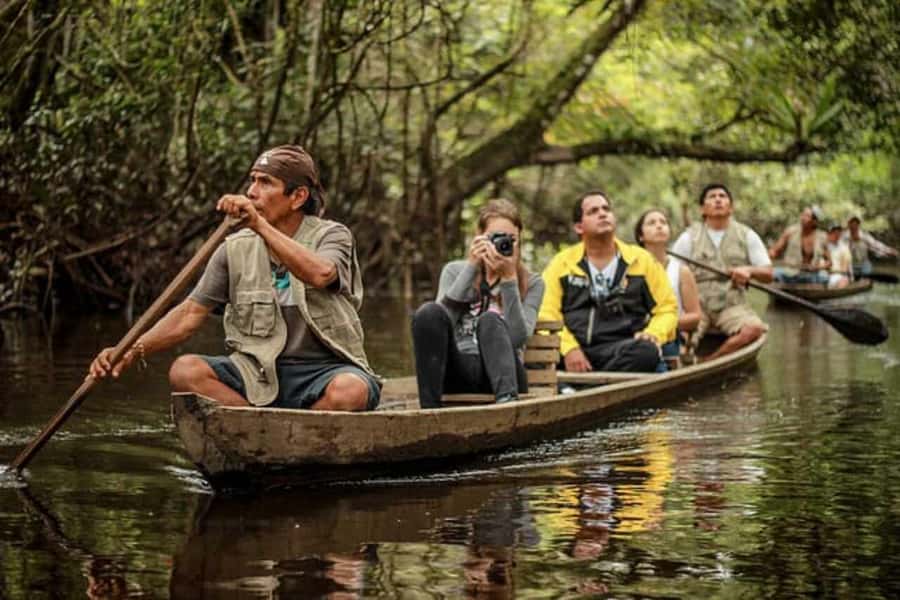
- Tabatinga border day plus Malokas, where you learn indigenous culture by being there, not just looking from a distance
- Puerto Nariño with no cars, paired with a lookout tower visit and community craft time
- Tikuna dinner in a Maloka, a warm cultural moment built into the schedule
- Cacao Island trail for sloths and other wildlife, with a community-run ecological focus
- Correo Lakes dolphin chances, plus optional night safari if you want more darkness and animals
Leticia start: airport tax, boots, and crossing into the wild
Day 1 begins at Leticia’s airport. The first real thing you do is pay the tourism tax at arrival, then meet your local guide for pickup in the city. The tour includes pick-up and drop-off anywhere in Leticia, including hotels and Alfredo Vásquez Cobo Airport, which matters because the Amazon region is not “easy mode” for getting around on your own.
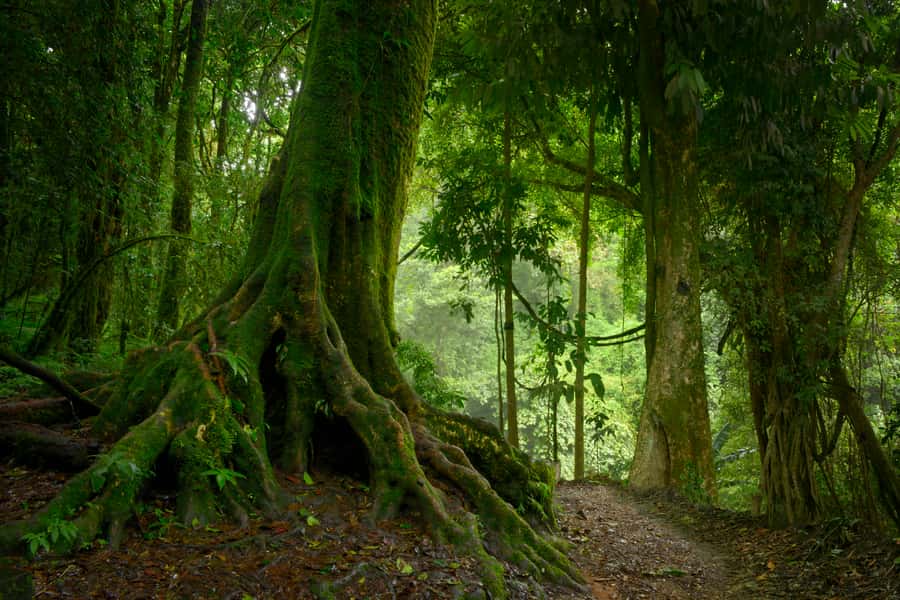
From there, you get a small orientation to Leticia, then head toward Tabatinga on the Brazilian border. You will visit Malokas, traditional indigenous houses, and learn about local culture directly in the community space. One detail that makes this day feel more grounded is that you do a rainforest hike to reach the area, and the guide provides rubber boots. That means you should pack the shoe size info the tour asks for, so you are not stuck trying to adapt with the wrong fit.
A quick note on expectations: this is not a quick “stop and photos” day. It is active, and the rainforest hiking is part of how you connect to the region.
More things to do around Leticia:
- Plan Immersion 5 days 4 nights Leticia Amazonas
★ 5.0 · 43 reviews - Amazon Conscious Adventure: 5-Day Trek, Kayak & Wildlife
★ 5.0 · 36 reviews - Plan Amazonas Full Extreme 5 days 4 nights Leticia Amazonas
★ 5.0 · 35 reviews
Tabatinga Malokas and rainforest hiking: why this day matters
The Maloka portion is often what people remember most because it changes the vibe from tourist to learner. You are not just hearing a story. You are in the setting where daily life patterns make sense, including how communities organize space and tradition.
The boots and the hike also matter for value. In a place like this, comfort is safety. Rubber boots help you move through wetter trails without turning the whole day into shin-soaked misery. And because the guide manages the logistics, you can focus on watching the forest and asking questions.
Possible pacing issue: if you dislike hiking or you get uncomfortable in bugs and damp conditions, you will want to take the dress guidance seriously (long pants, long sleeve shirt, waterproof layers, anti-mosquito). The tour runs in all weather, so you should assume rain is part of the deal.
Day 2 to Puerto Nariño: a car-free town with a jungle view
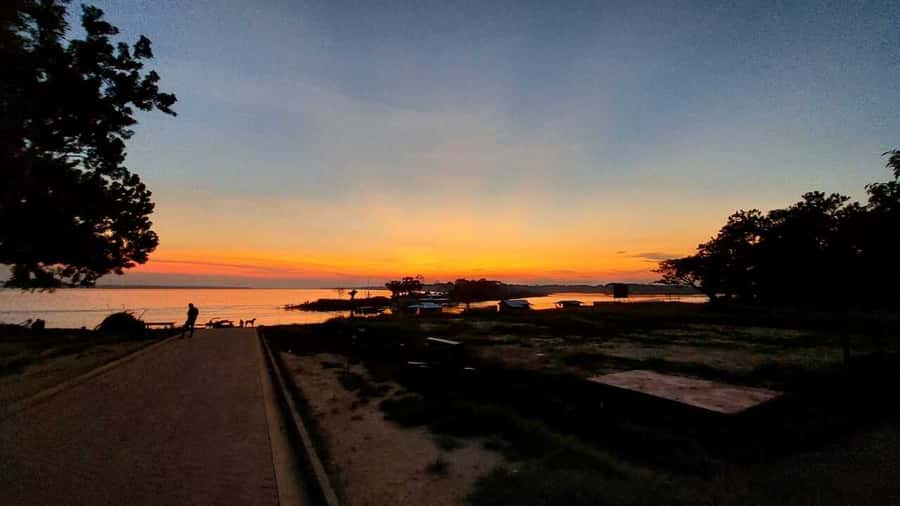
On Day 2, you travel by boat to Puerto Nariño, described as a small town without cars. That detail is not just trivia. Without cars, the town feels quieter and more connected to the water and the surrounding jungle. It also changes how you experience “arrival,” because the rhythm shifts from city motion to river motion.
After a short walk and a local lunch, you tour nearby communities and local points that connect past to present. You also visit a lookout tower for panoramic views of the jungle. The tower stop is a smart break because it gives you a bigger sense of where you are, and it helps you understand what the ground-level trails hide.
Craft shops and community monuments are included too, which helps you spend time with local stories instead of only chasing animals. Toward the end of the day, a family from the Tikuna indigenous community invites you to dinner in their Maloka. Then you finish with a nocturnal walk before returning to your accommodation.
Nocturnal walk and dinner in a Maloka: the cultural highlight with real logistics
This day balances wildlife time with culture, and that balance is a big part of why the tour scores high. The nocturnal walk works best when you bring patience. You are slow-walking through darkness with a guide who knows how to read the environment.
Also, plan your packing for that: the tour is clear that you should carry your own lantern or flashlight. You will walk with it and use it often. This is one of those “small” requirements that can make the difference between feeling prepared and feeling annoyed.
If you are sensitive to unfamiliar foods, you should still be open-minded. The tour includes meals, and the idea is you are eating what locals actually serve. If you have dietary restrictions, you can ask about customization since activities are described as adaptable to traveler preferences.
Same city, a completely different day:
- Amazon Unveiled: Private Ancestral Immersion & Conscious Luxury
★ 5.0 · 31 reviews - Leticia: Amazing Three Day Jungle Tours
★ 4.1 · 8 reviews
Day 3: Cacao Island trail for primates, birds, and sloths
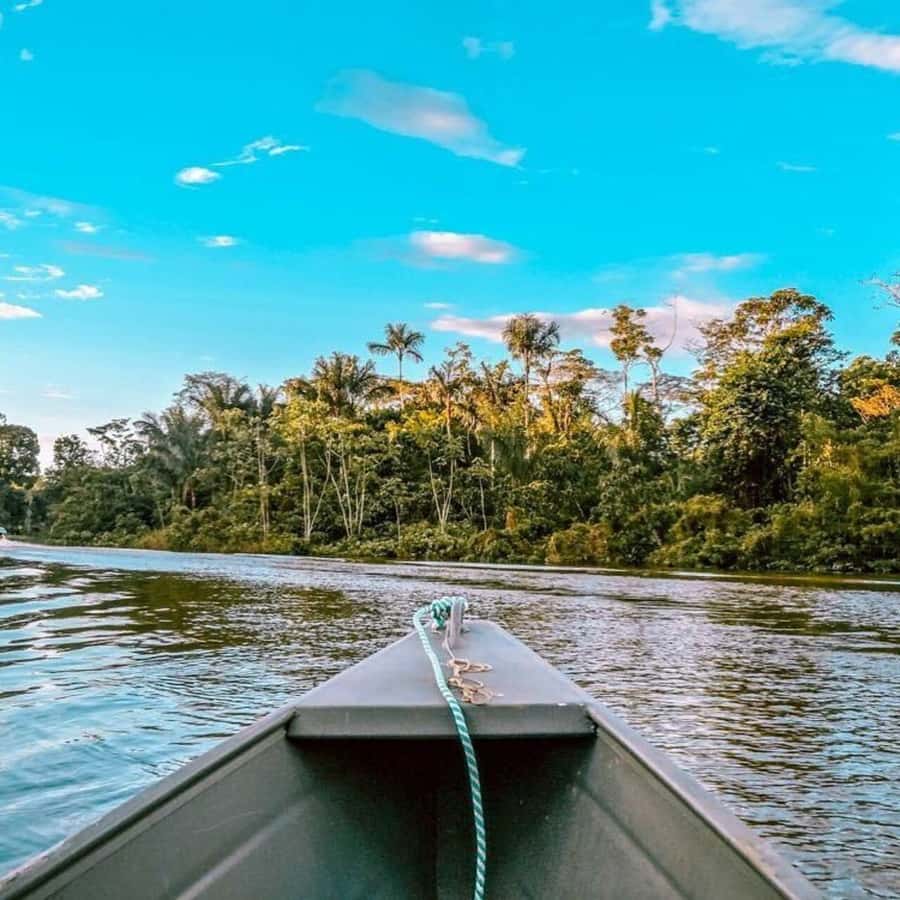
Day 3 is the wildlife-centered day. You take another boat to visit the Peruvian community of San Antonio, also known as Cacao Island. Here you explore an ecological trail created by the community, with the purpose of observing, studying, and protecting animals, especially sloths. Primates and birds are also part of what you might spot.
This is where the “value” angle becomes practical. When a community builds and runs the trail, you are seeing an ecosystem through stewardship rather than through pure extraction. That difference shows up in how the day feels, more like guided observation than like rushing for wildlife checkmarks.
After the trail, you get a traditional lunch and return to Puerto Nariño. The day is not finished yet, because you then make one last stop at the Correo Lakes.
Correo Lakes for dolphin chances, plus a possible swim
At Correo Lakes, the tour focuses on searching for pink and gray dolphins. You also get time to enjoy a swim in the natural waters. I like that the schedule gives you time both for animal spotting and for water time, without turning it into a frantic sprint.
There is also an optional add-on if you want it: a nocturnal safari can be arranged. If you enjoy night wildlife experiences, that could be a good way to extend your time in the Amazon after the sloth-focused trail.
Tradeoff to consider: wildlife days can be variable. Even with a great guide, you cannot control whether you see dolphins or the animals you most want. The tour’s design helps, because the day includes structured ecological learning, not only chance sightings.
Day 4: Natutama conservation education and back to Leticia
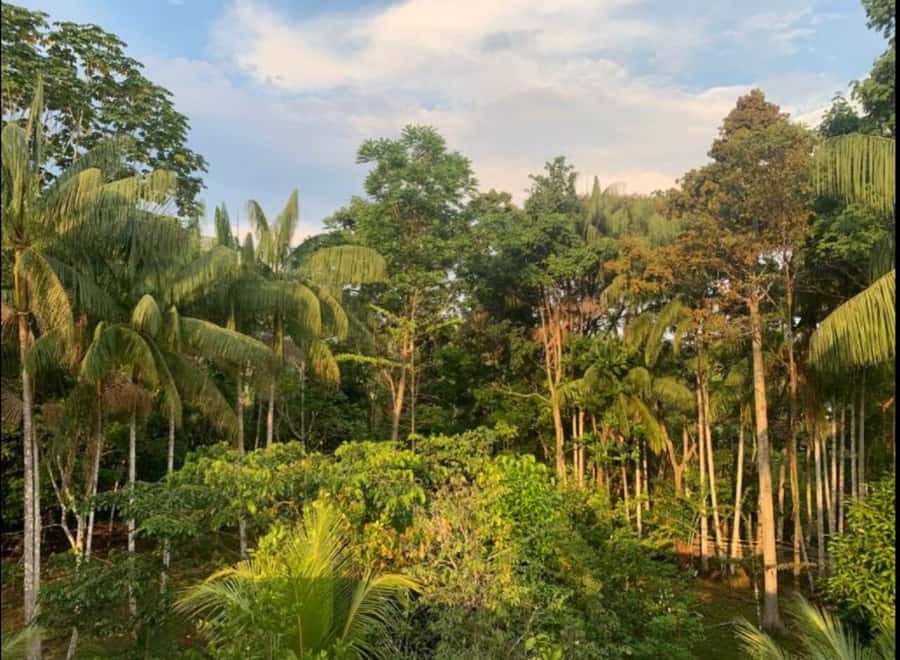
On Day 4, after breakfast, you visit the Natutama community project. The center was created by locals with a clear mission: to learn about and educate on the conservation of the region. This kind of stop is valuable because it shifts the narrative from what the rainforest is to why it needs protection, especially when you are already seeing the ecosystem up close.
After the visit, you return to Leticia and go to the airport for your departure. This ending makes sense. You do the heavy jungle days first, then finish with conservation education and logistics, so you are not tired when you travel out.
One more practical point: the tour notes that on the 4th night you will be in a place with no electric power. Even though Day 4 is mainly travel out, that means at least your last night’s setup will be basic. Bring a fully charged power bank if you have one, use your phone wisely, and plan for evenings without late-night comfort electronics.
Price and value: what $789 buys you here
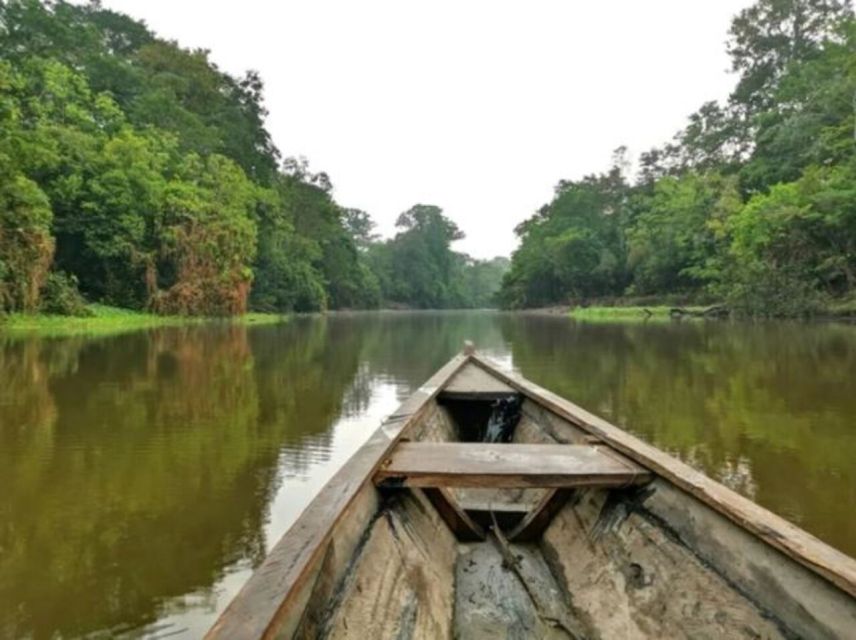
At $789 per person for 4 days, this is not a budget-only trip, but it also is not priced like a resort. The included package is doing a lot of the work for you:
- Guide service, including a Gran Colombia Tours guide
- Pick-up and drop-off in Leticia
- Land and water transportation
- All meals
- Accommodation
- Entrance fees for the activities
- Rubber boots
- All-risk insurance
The big exclusions are the tourism tax at the airport, flight tickets, and extra purchases.
So where does the value come from? In the Amazon region, transportation and guided access are the expensive parts. Boats, community routes, entrance fees, and guided night walks are not things you cheaply replicate on your own unless you already have local support. Here, the itinerary stitches together multiple areas, which reduces your time spent figuring out logistics and increases your time spent experiencing the place.
If you are comparing options, price alone is not the game. Look at what is included: most people end up paying extra for meals, guides, and activity access when they DIY. This tour tries to bundle those together.
What you should pack (so the trip feels easy, not stressful)
This tour gives you rubber boots, but you still need the right clothing and small gear. Follow their guidance because it is tuned to the environment:
- Long pants and long sleeve shirt
- Waterproof clothes
- Anti-mosquito protection
- Sunscreen and constant hydration
- A lantern or flashlight you carry yourself
If you are tempted to underpack because the forecast looks nice, do not. Rain happens and nights get dark fast in the jungle. Also, they explicitly recommend that you be vaccinated against yellow fever, so plan that well before travel.
Who this tour suits best, and who should think twice
This works best if you want a disconnect-from-the-city type of trip, with real time outdoors and a meaningful cultural element through Malokas and community education. You will enjoy it if you like active travel, boats, and guided night walks, and if you can be flexible with animal sightings and weather.
Think twice if you need nonstop electricity, prefer fully urban comforts, or hate any form of hiking in wet conditions. The no-electric-power night is the big one. The other is that the itinerary expects you to be comfortable outdoors with mosquitoes and rain gear.
Should you book Wild Amazonas Adventure 4-Day Tour?
If your goal is a balanced Amazon experience, with wildlife time, community visits, and practical guidance, this tour is an easy “yes to consider.” The biggest strengths are the Malokas cultural learning, the structured ecological trail on Cacao Island with sloth focus, and the guide support that keeps the days feeling safe and organized.
If you hate rustic nights or you struggle with basic infrastructure, you should factor in the no-electric-power final night and plan your comfort items early. If you can handle that tradeoff and you pack for rain and bugs, this can be a standout rainforest trip with real value for the price.
FAQ
Is the tourism tax included?
No. You need to pay the tourism tax at the airport on arrival.
What is included in the price?
The tour includes the guide, pick-up and drop-off, land and water transportation, all meals, accommodation, entrance fees for activities, rubber boots, and all-risk insurance.
What is not included?
Flight tickets, the tourism tax at the airport, and any extra purchases are not included.
What language will the guide speak?
The live tour guide is available in English and Spanish.
Do I need to bring anything for night walks?
Yes. You should carry your own lantern or flashlight because you will walk with it and use it often.
Will I have electricity during the trip?
On the 4th night, you will be in a place with no electric power.
Do I need vaccinations?
You will have to be vaccinated against Yellow Fever.
Hot off the list in Leticia
- Leticia: Amazing Three Day Jungle Tours★ 4.1 · 8 reviews
- Amazon Unveiled: Private Ancestral Immersion & Conscious Luxury★ 5.0 · 31 reviews
- Amazon Conscious Adventure: 5-Day Trek, Kayak & Wildlife★ 5.0 · 36 reviews
- Plan Immersion 5 days 4 nights Leticia Amazonas★ 5.0 · 43 reviews
- Plan Amazonas Full Extreme 5 days 4 nights Leticia Amazonas★ 5.0 · 35 reviews
Leticia Tours, compared.
Plan Immersion 5 days 4 nights Leticia Amazonas
Read our review →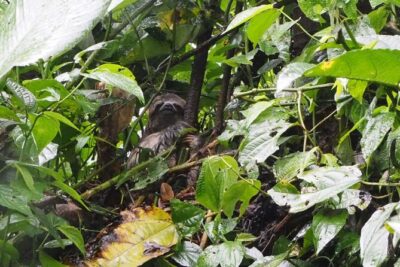
Amazon Conscious Adventure: 5-Day Trek, Kayak & Wildlife
Read our review →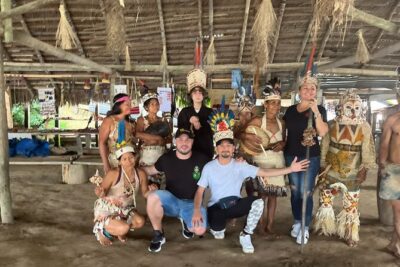
Plan Amazonas Full Extreme 5 days 4 nights Leticia Amazonas
Read our review →
Amazon Unveiled: Private Ancestral Immersion & Conscious Luxury
Read our review →
Browse the lists this tour appears in