
REVIEW · FOOD TOURS IN BOGOTÁ
Shared Tour Bogota’s Street Local Food
Food in Bogotá has a story, and this walk teaches it. I love the street-level tastings in the historic center, because you eat the real stuff instead of collecting bites at a trendy place. I also love the way the guide connects each dish to its roots, including how European influence shows up in everyday Colombian favorites. The main thing to consider is that this is a 7 km walking tour, and you’ll want comfy shoes plus rain protection.
My favorite part is that the tour feels like a guided lesson you can actually taste. When the guide is Leo, the vibe tends to be friendly and easy to talk to, with a good mix of explanations, food, and some breathing room. One caution, based on rare feedback, is that you should still confirm the meeting spot day-of, because one guest reported a tour issue. If you go with an open mind, come hungry, and accept that you pay for what you eat, it’s a very solid value for 150 minutes.
In This Review
- Key highlights you should care about
- Street food in Candelaria, not a checklist of bites
- Meeting at Museo del Oro with red umbrellas, then a 7 km rhythm
- Empanadas and obleas: where the origins story actually lands
- Aguardiente and the local name trick you can use any time
- Hot chocolate with cheese: the exotic stop that teaches you how to think
- European influence in Colombian food, without the textbook feeling
- Ajiaco the right way: portions, texture, and what to add
- Coffee, patty, wafers, and the stop-by-stop pacing
- Price and value: $13 tour fee plus what you choose to eat
- Vegetarian options are a real part of the plan
- Guide quality: Leo’s easy, informative style and the one sweet-heavy note
- Practical rules that make the day easier
- Who should book this Bogotá street food tour
- Should you book? My straight call
- FAQ
- Where is the meeting point?
- How long is the tour?
- What’s included in the price?
- Do I have to pay extra for the food?
- Are there vegetarian options?
- What should I bring?
- Is the tour suitable for kids or older adults?
Key highlights you should care about
- Empanadas and obleas origins, plus the toppings you’re meant to try
- Aguardiente drinking tip, including a local name you can use any time of day
- Hot chocolate with cheese, the unusual Colombian meal that makes sense on the tour
- European influence in Colombian gastronomy, explained through what’s on the menu
- Ajiaco, the best way to eat it, so you don’t miss the point of the dish
- Vegetarian options (about 70%), and you only pay for what you choose to taste
Street food in Candelaria, not a checklist of bites
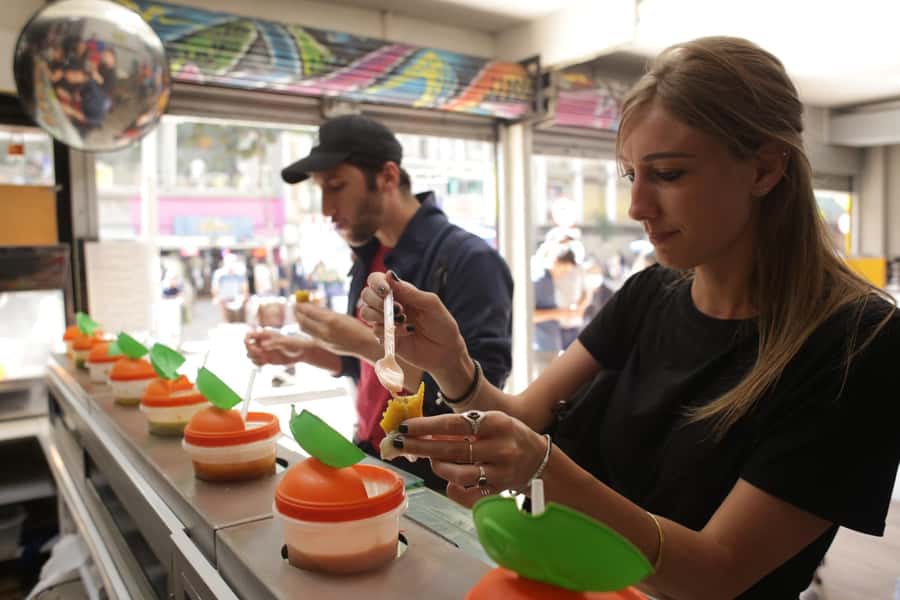
Bogotá’s food scene can feel big and confusing at first, especially if you’re trying to order in a new language and figure out what’s worth your time. This tour is built for that exact moment. You start in the historic center (Candelaria) and walk to multiple local spots so you can taste a range of Colombian staples without spending the whole day googling menus.
What makes it more than just snacks is the way the guide links food to context. You’ll hear how indigenous ancestors shaped the way ingredients and flavors developed across the region, and you’ll also get the angle of European influence. In plain terms, you learn what you’re eating and why it looks the way it does.
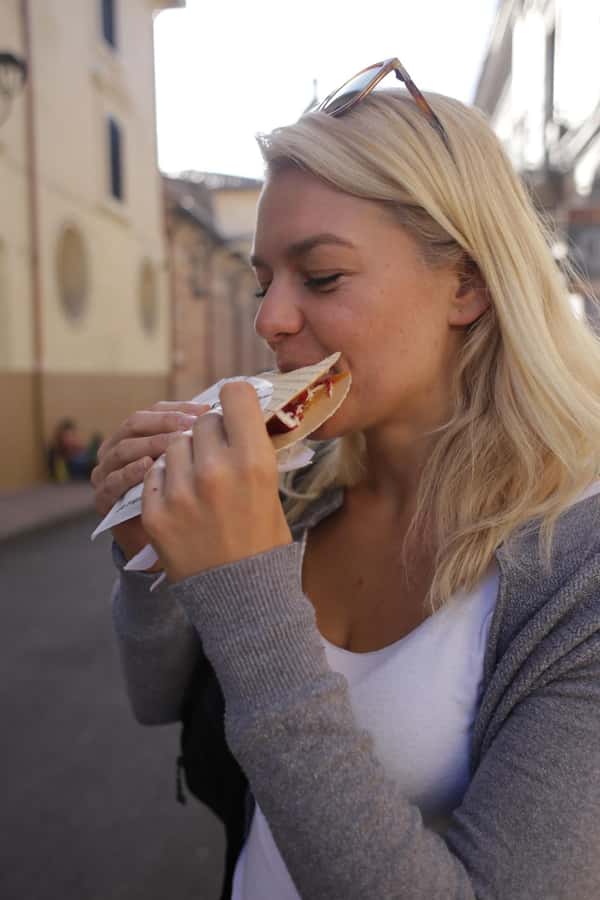
And yes, you’ll still eat plenty. This is a tasting tour, not a lecture. You’ll get chances to sample classics like empanadas, obleas, coffee, and meals like ajiaco. The standout is the mix of familiar and surprising, especially hot chocolate with cheese, which is not something you’d guess just by seeing it on a menu.
More Food Tours in Bogota
- Bogotá Food Experience: Cultural & Culinary Tour
★ 5.0 · 591 reviews - Viejo Bogota Food Tour with 12+ Tastings
★ 5.0 · 544 reviews - Bogota Food Tour with over 12 Tastings & Tejo
★ 4.9 · 454 reviews
Meeting at Museo del Oro with red umbrellas, then a 7 km rhythm
The meeting point is easy to find: right in front of the Museo del Oro, look for the red umbrellas with Beyond Colombia. From there, the tour runs about 150 minutes (roughly 3 hours), and the walking adds up to about 7 km with stops for tastings and explanations.
This matters because it changes how you should pack. Bring comfortable shoes and wear clothes you can handle for walking and crowds. Also bring water or your preferred hydration, because you’ll likely feel thirsty as you move between places. Weather can change fast, so bring a rainproof coat or umbrella, especially since you can’t rely on perfect conditions.
There are also some rules that help keep the experience smooth. Video and audio recording aren’t allowed, and party groups aren’t a fit. It’s designed for people who want to pay attention and enjoy a shared pace.
If you’re thinking about timing, plan this as a solid mid-day or afternoon activity where you can actually taste. One solo traveler feedback highlighted that it didn’t feel awkward being alone, but the best results come when you’re ready to ask quick questions and try what the guide recommends.
Empanadas and obleas: where the origins story actually lands
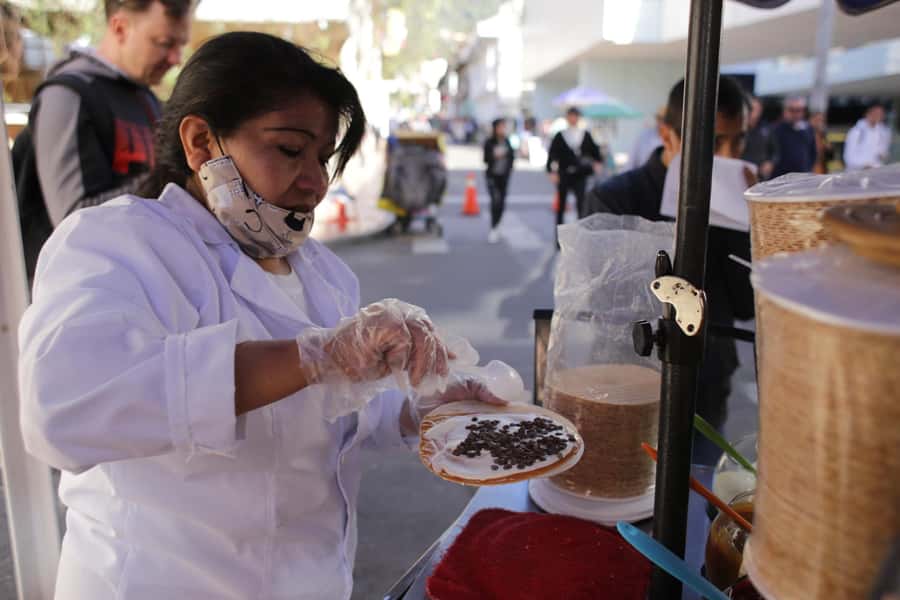
One of the smartest parts of this tour is that it starts with foods you’ll see everywhere in Colombia. Empanadas and obleas are the kind of street food that looks simple, but the guide uses them to teach you deeper context.
You’ll learn the origin of empanadas and obleas and, more importantly, the toppings and combinations you shouldn’t skip. This is valuable because many visitors taste one topping and miss the whole point. The guide’s approach helps you understand what each topping is supposed to bring, whether it’s sweetness, crunch, or balance against the base.
What you should watch for as you eat:
- Don’t treat it like one big “sample platter.” Try to focus on one or two bites fully, then compare your thoughts after the next explanation.
- If you usually avoid certain textures (like very crispy dough or sweet sauces), still try one bite. The guide typically explains the logic, and that makes the flavor easier to accept.
If you’re the type who normally wants to order like a local, this section is where you start getting that confidence fast.
Aguardiente and the local name trick you can use any time
Aguardiente is one of those Colombian drinks that can feel like a mystery if you’ve only seen it mentioned online. Here, the tour highlights the cultural angle and gives you the “secret name” people use so you can order it smoothly and at the right moment, even outside of obvious nightlife situations.
I like this because it’s practical. You’re not just hearing that aguardiente exists. You’re learning how to talk about it in a way that makes ordering easier once you’re back on your own. That kind of small language tip turns into real value, especially in a city where menus can vary block to block.
Also, the tour frames the drink through the lens of daily life, not only party culture. Even if you decide not to drink alcohol yourself, the explanation still helps you read Colombia’s social rhythm more clearly.
A few more Bogota plans worth comparing
- Bogotá Tour: Monserrate, Food, City Walk & Botero Museum
★ 5.0 · 328 reviews - PALOQUEMAO MARKET FOOD TOUR. EXOTIC FRUIT. LOCAL SNACKS. /Min 2 pax
★ 5.0 · 70 reviews - Food Tour in La Candelaria Bogotá
★ 5.0 · 63 reviews - Bogotá Local Food Tour – La Candelaria
★ 5.0 · 31 reviews
Hot chocolate with cheese: the exotic stop that teaches you how to think
Then comes the weird one, hot chocolate with cheese. If you’re unsure, that’s normal. This is the kind of dish that sounds wrong until you taste it, and the guide helps by setting expectations ahead of time.
Why this stop is such a good tour choice: it forces you to stop judging by first impressions. Instead of just trying a novelty, you learn the logic of the pairing and how Colombians treat it as a genuine comfort food.
You’ll leave with a skill that matters beyond one cup. You’ll start seeing Colombian cuisine as flexible and ingredient-driven, not as rigid “sweet-only” or “savory-only” categories. That’s the real payoff.
One practical tip: since hot drinks can make people slow down, take the time to compare it to what you expect. Sip carefully, then decide whether you like it. The guide’s pacing usually gives you that small moment of certainty instead of rushing you out of the shop.
European influence in Colombian food, without the textbook feeling
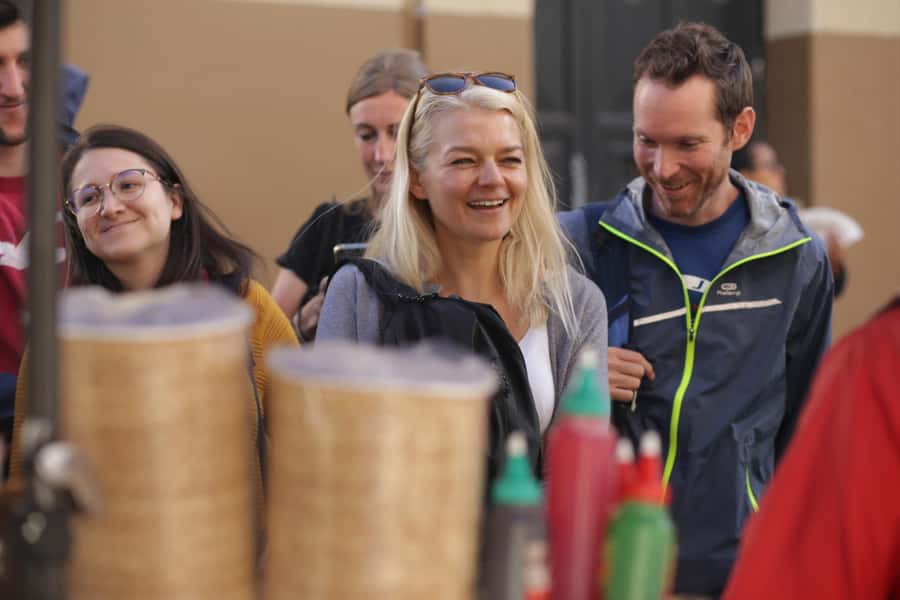
Colombian gastronomy doesn’t come from one place. It’s shaped by indigenous roots, later European contact, and regional preferences that grew over time. This tour gives you that big picture through everyday foods instead of history trivia you’d forget the next day.
You’ll get explanations that connect European influence to what shows up on plates in the city center. The best part is that you can see the influence in the food itself, because you’re tasting while you learn.
This approach works well for travelers because it turns “culture” into something measurable. When you understand why a dish is built the way it is, you can order with more confidence and waste less time.
If you tend to be a person who loves learning as you go, this portion will feel like the tour’s backbone. If you don’t care much about background stories, you can still follow along because the guide keeps the focus on what’s in front of you.
Ajiaco the right way: portions, texture, and what to add
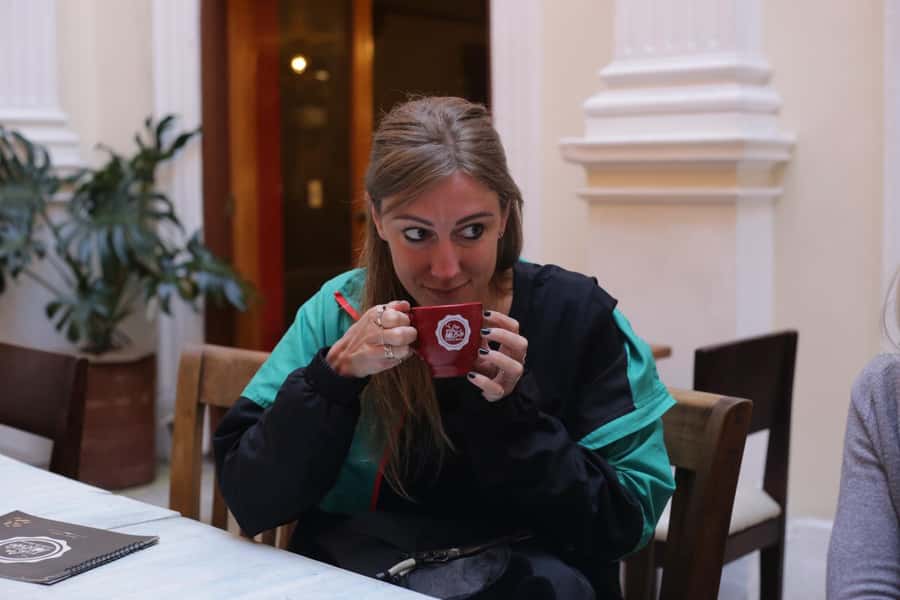
Ajiaco is one of those iconic Colombian dishes that many visitors order because they recognize the name, then feel unsure how it should taste or how much to load into it. This is where the tour earns its keep.
You’ll learn the best way to eat ajiaco, which is more than just “try the soup.” The guide helps you understand what makes it work, and how the dish is meant to be experienced in a bowl, not as a random menu item.
I like this because it prevents the common mistake of treating the meal like a one-note taste. Instead, you get a framework for tasting. That makes your experience feel complete, even if you’re only trying a portion as part of a tour.
Coffee, patty, wafers, and the stop-by-stop pacing
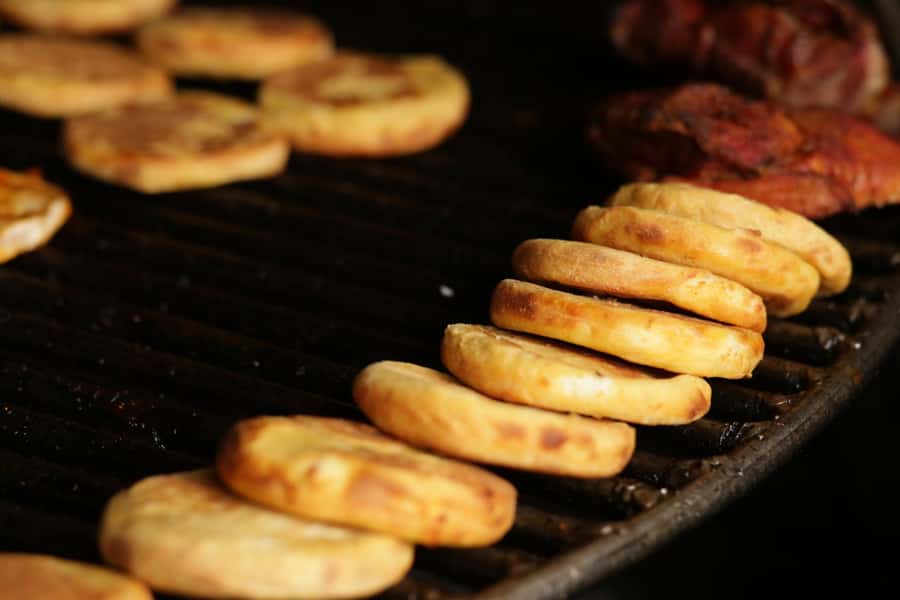
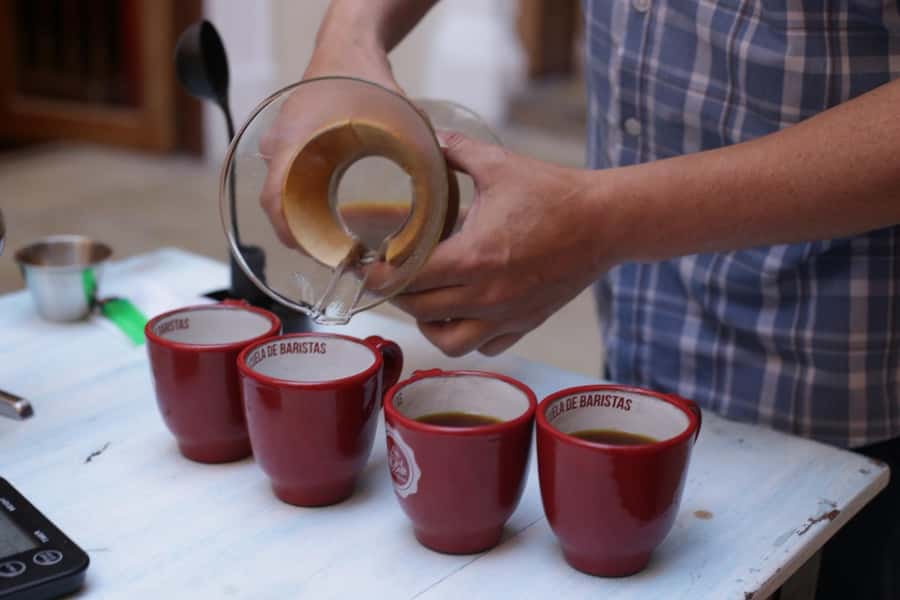
The tour’s food line-up also includes other familiar-but-still-worthy items like patty, wafers, and origin coffee. This is important because it fills out the meal experience. Empanadas and hot chocolate are fun, but coffee and additional snacks help you move through the walking time without getting overwhelmed or crashing energy-wise.
Pacing is a real factor on food walking tours. This one tries to balance explanations with time to actually eat, plus small moments where you’re not only standing and listening. One solo traveler note praised the mix of talking, food, and free time, and that matches what you should look for: a tour where you can digest between tastings.
You also get recommendations from the local allies afterward, which helps you keep the taste journey going beyond the tour end. Even if you don’t use every suggestion, it gives you a starting point for lunch or a second coffee later.
Price and value: $13 tour fee plus what you choose to eat
The tour price is $13 per person, for 150 minutes with an English-speaking guide and tastings at multiple local hotspots in Candelaria. The key detail is that food and drinks aren’t included. That means you’re paying for the guide and the access, then budgeting separately for what you actually eat.
The good news is the tour provides a clear expectation: you’ll pay only for what you eat, and it’s often around 9 to 10 USD total for tastings. When you add that up, you’re still in a reasonable range for a guided walking tour that covers multiple iconic items and includes practical cultural guidance.
This is better value than a fixed menu tour because it’s flexible. If you prefer fewer sweet items, you can adjust. If you want more coffee or want to focus on savory bites, you can lean that way.
One consideration: the sweet portion may be heavy for some people. A feedback note mentioned it felt like too much sweet for one guest. If you’re not into sugary snacks, plan to pace yourself and be ready to choose less sweet items when you have the option.
Vegetarian options are a real part of the plan
Vegetarian travelers often worry that “street food tour” means meat-heavy stops and awkward choices. Here, vegetarian options are stated as around 70%, and that changes the entire experience. It means you’re less likely to end up with bread and water while everyone else enjoys the tastings.
Still, you should approach tastings with flexibility. “Vegetarian” can mean different things in Colombia street food, so the guide’s job becomes important. You’ll want to follow their recommendations, because they’ll typically match what’s available and what tastes best within the vegetarian-friendly framework.
If you eat vegetarian and you like tours that focus on context, this setup is a strong match. You’ll still get the cultural learning, not just an adapted snack list.
Guide quality: Leo’s easy, informative style and the one sweet-heavy note
A walking food tour rises or falls on the guide. In the feedback, Leo stands out as a top example: informative and fun, with explanations that are easy to talk through. That matters because food questions are personal. You might wonder about ingredient swaps, how to order, or whether a pairing makes sense. A guide who communicates clearly makes those moments enjoyable.
There’s also a useful nuance: one guest found the guide’s selection leaned too sweet. That doesn’t mean the tour is only desserts. It means you should pay attention to your own palate. If you’re sensitive to sugar, plan to take it slow and choose savory options when possible.
The overall theme is that the tour offers a lot of talking time, but it’s not all talk. The best experience comes when you engage, taste, and ask quick questions.
Practical rules that make the day easier
A few “small” details can save you from a frustrating afternoon.
First, bring comfortable shoes. You’ll walk about 7 km, and that’s not casual strolling. Second, pack hydration because you may feel thirsty during stops. Third, remember the weather can be unpredictable, so bring an umbrella or rainproof layer.
Fourth, keep your belongings close in crowded areas, since you’ll pass through busier parts of the center. That’s basic big-city awareness, but it matters more when you’re also juggling paper cups and snack wrappers.
Finally, note the rules about recordings. If you want photos, that’s fine in general on most tours, but the tour explicitly bans video and audio recording. If you’re a heavy content creator, double-check your expectations before booking.
Who should book this Bogotá street food tour
This tour is ideal if you:
- Want to learn Colombian cuisine through actual tastings, not just restaurant recommendations
- Like walking tours where the food has meaning, like ajiaco and hot chocolate with cheese
- Appreciate practical cultural tips, like ordering help around aguardiente
- Want vegetarian-friendly options in the mix
You might skip it if:
- You dislike walking or have mobility limits, because the route is about 7 km
- You’re sensitive to sweet flavors, since there can be a sweetness-heavy angle
- You need a tour for children under 12 or for older adults over 65, since it isn’t recommended for those age ranges
If you’re a solo traveler, it can work well, since the tour format is set up to keep things social without being awkward.
Should you book? My straight call
I think this is a smart booking for first-time visitors who want a guided food education while staying in the historic center. The cost is reasonable for a guide-led walk that covers multiple iconic Colombian items, including the surprising pairings that you won’t figure out on your own.
Book it if you’re hungry for variety, like learning while you eat, and you can handle a brisk walking route. Skip it if you want a sit-down meal only, or if walking 7 km will feel like punishment.
If your dates are flexible, there is free cancellation up to 24 hours in advance. That gives you a safety net, especially in a city where weather can swing. And on the day, make sure you’re at the Museo del Oro meeting point with the red umbrellas, so you start the tour on time.
FAQ
Where is the meeting point?
You meet right in front of the Museo del Oro with red umbrellas by Beyond Colombia.
How long is the tour?
The duration is about 150 minutes, roughly 3 hours.
What’s included in the price?
Included are an English-speaking guide, food tasting hotspots in the historic center (Candelaria), and recommendations from local partners. Food and drinks are not included.
Do I have to pay extra for the food?
Yes. You pay for what you eat, and it’s typically around 9 to 10 USD depending on what you choose.
Are there vegetarian options?
Yes. Vegetarian options are listed as around 70% of what you can choose from during the tastings.
What should I bring?
Bring comfortable shoes and comfortable clothes, plus water or your preferred hydration. Also bring a rainproof coat or umbrella since weather can affect the walk.
Is the tour suitable for kids or older adults?
It is not suitable for children under 12 years or people over 65 years.
Hot off the list in Bogota
- Tour of Zipaquirá: Visit the Salt Cathedral and the main squares★ 4.5 · 55 reviews
- Zipaquirá and Salt Cathedral Muisca Heritage with Guide – Private★ 4.5 · 23 reviews
- Catedral de Sal desde Bogotá en Tren★ 5.0 · 5 reviews
- Zipaquira Salt Cathedral★ 5.0 · 4 reviews
- LOCAL GUIDE Zipaquirá PRIVATE TOUR – Salt Cathedral and Salt Oven★ 5.0 · 24 reviews
- Zipaquirá Salt Cathedral: An architectural wonder.★ 4.5 · 24 reviews
- Private Zipaquira Salt Cathedral and Guatavita Lagoon Tour from Bogota★ 4.5 · 44 reviews
- Zipaquira Salt Cathedral★ 4.5 · 12 reviews
Food Tours in Bogotá, compared.
Bogotá Food Experience: Cultural & Culinary Tour
Read our review →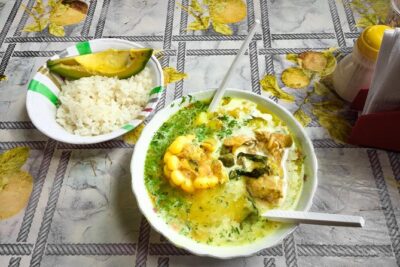
Bogotá Tour: Monserrate, Food, City Walk & Botero Museum
Read our review →

VIP Bogota City Tour: Monserrate, Candelaria, Coffee Tasting, 6hr
Read our review →
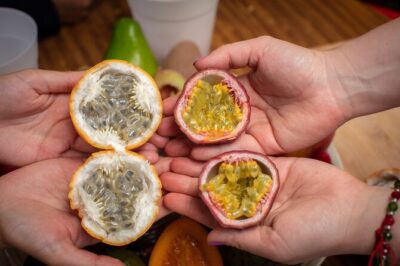
PALOQUEMAO MARKET FOOD TOUR. EXOTIC FRUIT. LOCAL SNACKS. /Min 2 pax
Read our review →Browse the lists this tour appears in