
REVIEW · MEDELLÍN TOURS
Shared Tour Medellin’s Violence & Post-conflict after Pablo
Medellín hurts, then teaches. This Violence & Post-conflict after Pablo walk connects the narcos war era to what changed in the city afterward, from Parque San Antonio through downtown to Museo Casa de la Memoria. I especially like the clear, structured timeline from 1982 to 2015, and how the guide ties big events to everyday streets and neighborhoods. The only real drawback is that some parts are heavy, so you will need an open mind and patience for hard history.
I also like how the tour stays objective, not a take-sides performance. Guides get named for good reasons too, like Miguel, praised for being super thorough, and Sebastián, who explains in a friendly, fun way that keeps the mood from getting grim.
At about 150 minutes (roughly 3 hours) and around 5 km of walking, this is not a sit-and-watch tour. Plan for sun or rain, bring water, and wear shoes you trust.
In This Review
- Key highlights you’ll notice fast
- A violence story told in the streets of Medellín
- Parque San Antonio and Botero’s birds: setting the frame
- Walking downtown while the guide ties blocks to conflict
- Urbanization of war: guerrillas, paramilitarism, and drug traffic
- After the Medellín cartel: Donbernabilidad and the fight for words
- Museo Casa de la Memoria: ending where remembrance becomes a practice
- What the guides are really good at (Miguel and Sebastián)
- Price and timing: what $13 gets you in real terms
- Practicalities: walking distance, weather, and rules you should know
- Who should book, and who might want to skip it
- Should you book this Medellín Violence and Post-conflict tour?
- FAQ
- Where is the meeting point for the tour?
- Where does the tour end?
- How long is the tour?
- Is this a Pablo Escobar tour?
- Is the guide available in English?
- Does the tour include transportation from my hotel?
- Are tickets or entrance fees included?
- What should I bring for the walking tour?
- Can I record video or audio during the tour?
Key highlights you’ll notice fast
- Parque San Antonio start point near Botero’s birds, where the guide frames the whole conflict story
- A timeline that runs to 2015, focusing on changes after the Medellín cartel, not just the loudest headlines
- Urbanization of war, explaining how guerrillas, paramilitarism, and drug traffic reshaped daily life
- Donbernabilidad and the shift after Pablo, including the struggle to replace bullets with ideas and words
- Museo Casa de la Memoria finish, a place built for remembering and reflecting, not celebrating
- Shared-tour value, with no surprise entrance fees and practical recommendations for what to read next
A violence story told in the streets of Medellín
This tour is built around one core idea: in Medellín, conflict was never just a “far away” thing. It showed up in city planning, social life, and the economy, then left scars that still appear in how people talk, remember, and resist.
I like that it focuses on the whole arc, from the narcos war period to the post-conflict reality. You’re not just hearing about famous names. You’re learning how conditions of emergence shaped culture, society, and livelihoods, then how people organized themselves to survive and push for a better future.
And yes, it is explicitly not a Pablo Escobar tour. The point is the wider Medellín story, including what happened after the cartel era and how the city tried to move from violence to meaning.
More things to do in Medellin:
- Medellin: Comuna 13 Graffiti Tour, Cable Car & Street Food
★ 4.8 · 9,046 reviews - Comuna 13 Graffiti Tour with Street Food
★ 5.0 · 7,503 reviews - Museo Pablo Escobar
★ 5.0 · 7,242 reviews
Parque San Antonio and Botero’s birds: setting the frame
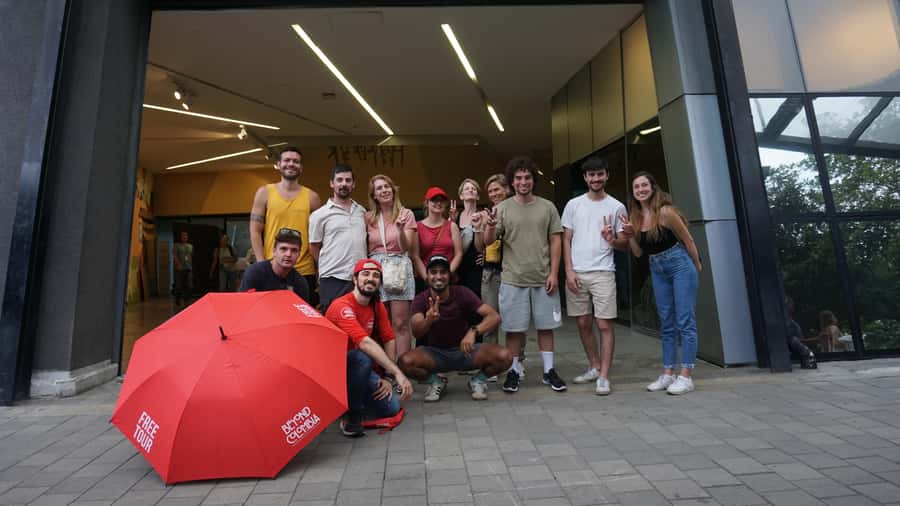
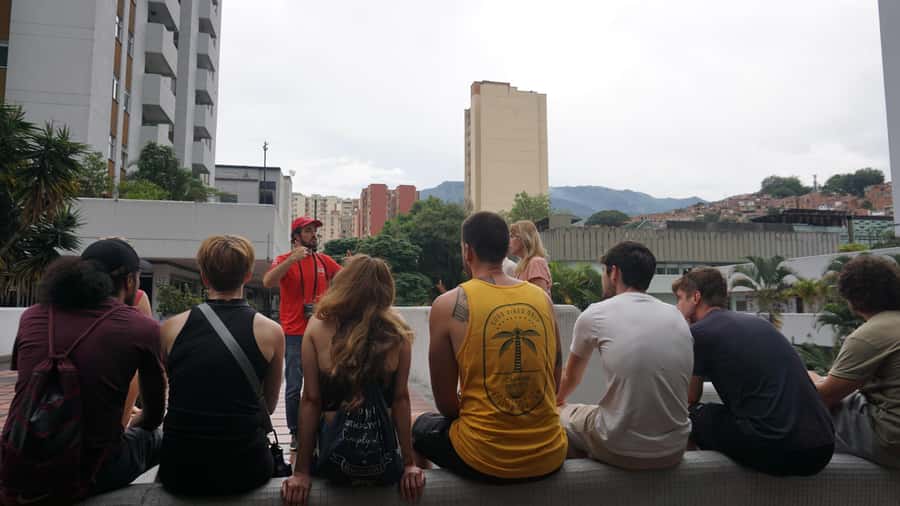
The tour meets at Parque San Antonio, right by Botero’s birds, under Beyond Colombia’s red umbrellas. That matters more than you might think. The park sits in the downtown area, which is where the guide can connect history to what you can still see today.
Here, the guide typically sets expectations and provides the social and political background needed to understand why Medellín became an epicenter and also an urban victim. This first stop is your “map” moment, when you learn the language used to describe the conflict, and how later events connect back.
A small practical note: since you’re starting in a central public space, it’s smart to show up a bit early. That helps you get oriented, find the umbrellas, and settle before the tour moves into walking mode.
Walking downtown while the guide ties blocks to conflict
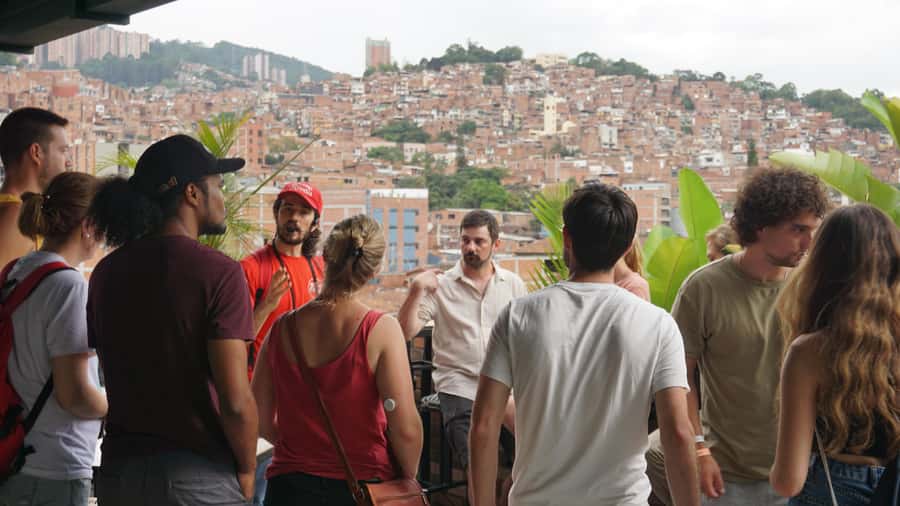
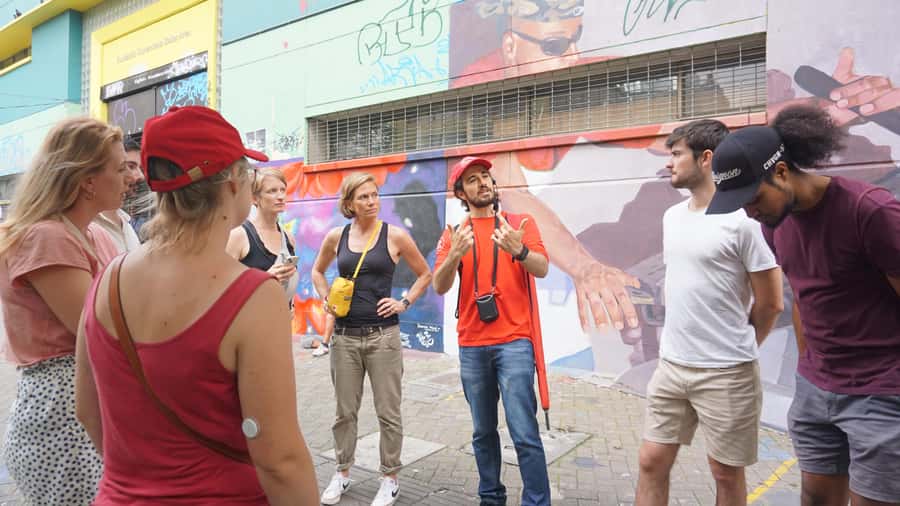
After the start, you move through the center of Medellín, making stops along the way. You should expect lots of listening, and you should also expect the guide to connect what you’re seeing to conflict patterns and later reconciliation efforts.
The tour’s backbone is the changing relationship between violence and city life. You’ll hear about:
- the narcos war period and its cultural, social, and economic consequences
- the way war became “urban,” not just rural
- how strategies, heroes, and communities shaped pace-making and social struggle
This is where the tour earns its value. A standard history lecture can stay theoretical. A street walk makes it concrete. You begin to notice how the city layout and public spaces can reflect power struggles, fear, and then rebuilding.
Drawback to keep in mind: the pace is walking-focused and the tour is about 150 minutes. If you have low stamina, or if you get overwhelmed by dense explanations while walking, you’ll want to take advantage of the resting stops.
Urbanization of war: guerrillas, paramilitarism, and drug traffic
One of the tour’s key strengths is how it explains the urbanization of war. Instead of treating the conflict as a single script, you get a clearer picture of overlapping forces and how they affected daily life.
You’ll cover three big elements:
- guerrillas and their role in territorial struggle
- paramilitarism and its impact on communities
- drug traffic and the economic and social pull it created
The guide also connects these forces to how the conflict spread through cities. That matters, because urban conflict changes everything, including how people move around, how trust works, and what kind of social support networks are needed.
I like that the tour uses this topic to explain why Medellín’s experience is both complicated and instructive. The city was not only a battlefield, it became an example of transition toward peace, with an ongoing conflict legacy that still shapes memory.
Same city, a completely different day:
- Guatapé Tour: Piedra del Peñol with Boat Tour, Breakfast, Lunch
★ 5.0 · 7,035 reviews - Medellín: The Real Pablo Escobar Tour
★ 4.8 · 3,205 reviews - Day Trip To Guatapé with ,Breakfast, Lunch and Boat Ride
★ 5.0 · 2,996 reviews - Comuna 13 Graffitour knows the urban art district of Medellín
★ 5.0 · 2,856 reviews
After the Medellín cartel: Donbernabilidad and the fight for words
A major focus is what happened after the Medellín cartel period, including “Donbernabilidad.” You’ll hear how the post-cartel years shaped power, violence dynamics, and the struggle to restore social order.
This is also where the tour gets most meaningful for people who care about more than facts. The conflict is framed through choices and strategies, especially how communities pushed for change.
The guide specifically highlights the shift in how people fight for the future:
- the process of changing bullets for words and ideas
- reconciliation efforts in an urban context
- peace agreements in Medellín’s specific reality
You might not agree with every interpretation the guide offers, but that’s not the point. The tour’s promise is accurate and objective knowledge and a “not taking sides” approach. That is exactly what you need for this kind of topic, because the last thing you want is a propaganda-style story.
And if you’re the kind of traveler who likes asking questions, this is where your questions will land best. The tour encourages you to ask as many as you have.
Museo Casa de la Memoria: ending where remembrance becomes a practice
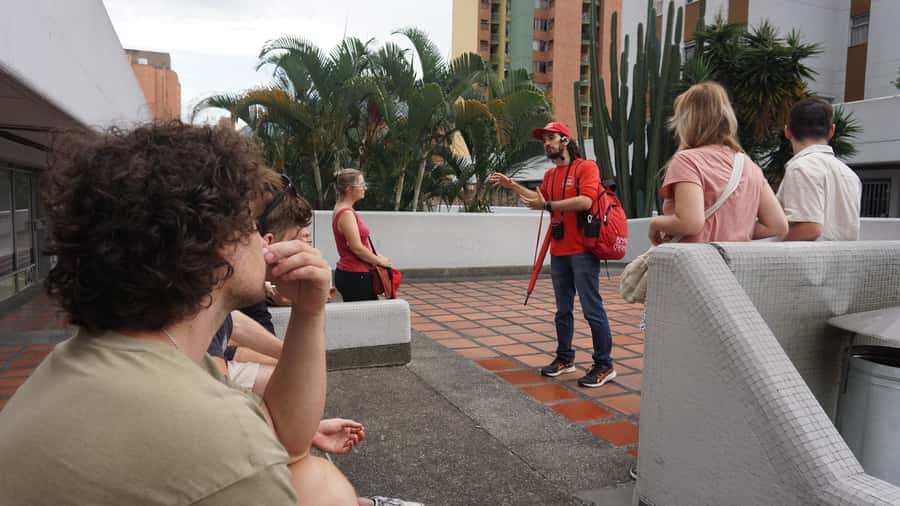
The walk finishes at Museo Casa de la Memoria. Ending here is a smart choice. It shifts the tone from street-level explanation to a place designed for remembering and reflection.
The museum stop helps you hold two ideas at once:
- the conflict belonged to a specific period in time
- but the effects, including memory and resistance, keep going
This is where the tour’s core theme, resistance and memories along an ongoing conflict, becomes more than a slogan. You get a structured space for reflection, and that’s important if you felt emotionally heavy during the earlier street segments.
If you want to keep the experience going after the tour, this is also a good moment to ask the guide for what to read or where to go next. The tour includes recommendations of material and suggestions for Medellín’s cultural offer related to the places visited.
What the guides are really good at (Miguel and Sebastián)
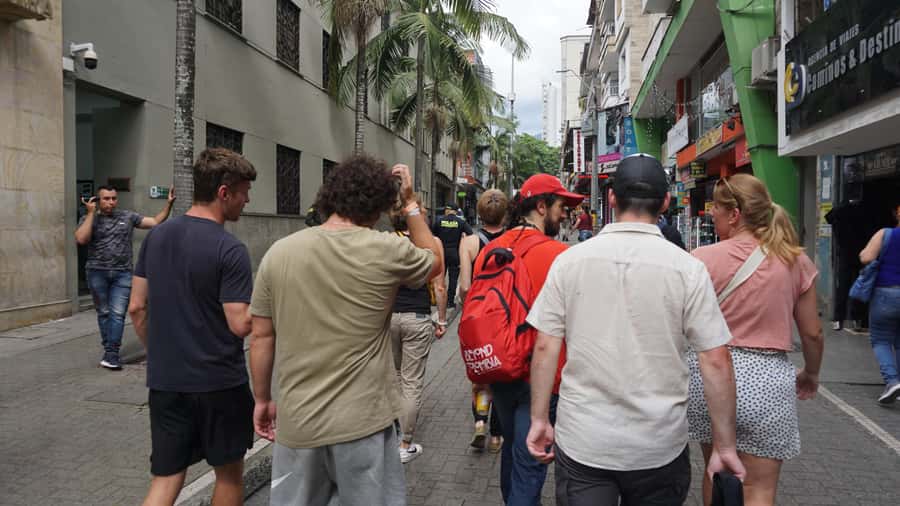
The reviews point to two standout guide styles that match what this tour needs. Miguel is praised for being super thorough, with information you might not know before. Sebastián is praised for being both engaging and fun in the way he explains.
That combination is ideal for a tour like this. You need structure and you need warmth. Heavy topics do not have to feel like a lecture. When the guide keeps the storytelling moving while staying factual, you remember more and you get less mentally drained.
Since this is an English-speaking tour, you’ll also want to listen for the way the guide translates complex conflict dynamics into clear, street-level understanding.
Price and timing: what $13 gets you in real terms
For $13 per person, you’re paying for something most short tours don’t include: context that connects the conflict timeline to city transformation. At 150 minutes, you get:
- an English-speaking guide
- sightseeing in the center framed in the conflict and reconciliation story
- recommendations for what to explore afterward
- no ticket fees or entrances added during the walk
That last point matters. Many tours advertise low prices, then quietly charge for venues. Here, the tour states it won’t take you into places with sudden extra charges.
Timing-wise, it’s about 3 hours of your day. For many travelers, that’s the sweet spot: enough time for a real story, not so long you lose the thread.
Still, be honest with yourself: this tour isn’t for “I want a quick overview and photos.” It’s for people who want to understand how a city changes under pressure.
Practicalities: walking distance, weather, and rules you should know
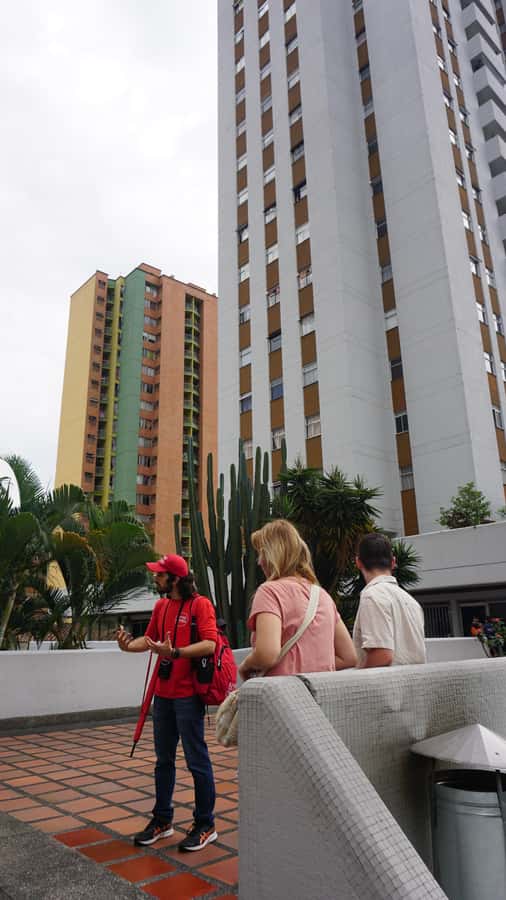
You will be walking about 5 km, with stops to listen. That’s a manageable distance for many people, but you should prepare like it’s real walking, not casual strolling.
What to bring:
- comfortable shoes
- water or your preferred hydration
- sunblock
- a rainproof coat (umbrella or capes are not recommended)
If you’re traveling during the rainy season (March to June), mosquito repellent could be useful. And yes, that’s practical advice for Medellín.
What’s not allowed:
- alcohol and drugs
- video recording
- audio recording
- party groups
Also keep your belongings close in crowded areas. You’ll be in central Medellín spaces with people around.
Who should book, and who might want to skip it
This is a thoughtful tour, but it has boundaries.
It is not suitable for:
- wheelchair users
- children under 18
- people over 70
It also asks for the right mindset. The tour recommends an open mind and being ready to ask questions about difficult topics, including violence dynamics before, during, and after the Cartel era.
If you enjoy:
- history explained through real places
- post-conflict stories with a focus on communities
- walking tours that require attention, not passive sightseeing
Then you’ll likely love it.
If you want a lighthearted evening stroll or you hate emotional subject matter, you might find the themes too intense.
Should you book this Medellín Violence and Post-conflict tour?
Book it if you want a clear, organized explanation of Medellín’s violence story and what came afterward, without turning it into a “celebrity narcos” route. The objective approach, the focus on urban consequences, and the ending at Museo Casa de la Memoria make it feel like a full arc, not random facts.
Skip it if you need a purely scenic tour, have limited mobility, or prefer history without heavy human realities.
If you decide to go, do yourself a favor: bring good shoes, carry water, and come ready to ask questions. You’ll get more out of the walk, and the city’s story will start making sense block by block.
FAQ
Where is the meeting point for the tour?
You meet at Parque San Antonio next to the birds of Botero, with Beyond Colombia’s red umbrellas.
Where does the tour end?
The tour starts at Parque San Antonio and finishes at Museo Casa de la Memoria.
How long is the tour?
The tour lasts about 150 minutes, roughly 3 hours.
Is this a Pablo Escobar tour?
No. The tour is about violence and post-conflict dynamics in Medellín and explicitly states it is not a Pablo Escobar tour.
Is the guide available in English?
Yes, the tour includes an English-speaking guide.
Does the tour include transportation from my hotel?
No. Transportation to and from your hotel is not included, and the tour is done by walking with resting stops.
Are tickets or entrance fees included?
No tickets or entrances are included, and the tour states it will not take you to places where sudden extra charges apply.
What should I bring for the walking tour?
Bring comfortable shoes and comfortable clothes, and also plan for water or hydration, sunblock, and a rainproof coat. Mosquito repellent could be useful in the rainy season.
Can I record video or audio during the tour?
No. Video recording and audio recording are not allowed. The tour is also not suitable for wheelchair users and children under 18.
Hot off the list in Medellin
- Tour Medellín: Pablo Escobar and Commune 13★ 5.0 · 3 reviews
- Tour Guatapé con visita a Granja de las Llamas y las Alpacas★ 3.5 · 11 reviews
- Tour Guatapé – Piedra del Peñol with departure from Medellín★ 5.0 · 24 reviews
- Shared Tour to Comuna 13 & Aurora Cable Car in Medellin★ 5.0 · 4 reviews
- Medellín: Flower Farm & Silletero History Tour★ 4.3 · 23 reviews
- From Medellín: El Retiro Private Tour with Food Tastings★ 4.4 · 8 reviews
- Comuna 13 Neighborhood & Street Art Private Tour★ 4.7 · 12 reviews
- Private Pablo Escobar Tour – Dark days and the new Medellin★ 4.9 · 6 reviews
Medellín Tours, compared.
Comuna 13 Graffiti Tour, Cable Car & Street Food
Read our review →

Guatapé Tour: Piedra del Peñol with Boat Tour, Breakfast, Lunch
Read our review →
Day Trip To Guatapé with ,Breakfast, Lunch and Boat Ride
Read our review →
Comuna 13 Graffitour knows the urban art district of Medellín
Read our review →