
REVIEW · LA CANDELARIA TOURS
Shared Tour of Bogota’s Historic Downtown (La Candelaria)
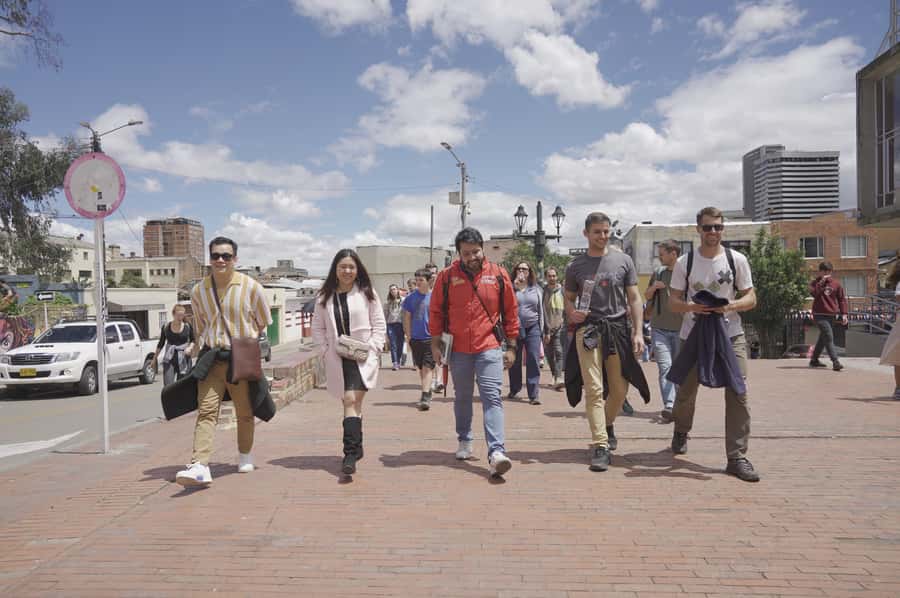
Bogota’s past moves at walking speed. This La Candelaria tour ties Colombia’s capital origins, Bolivar Square architecture, and the story of the El Bogotazo riot into one easy route. I also love the focus on everyday heritage, especially chicha tasting when available.
The big tradeoff is simple: you’ll walk about 7 km, with some steep climbs. It’s not a sit-and-stare tour, so wear real shoes and plan to take the pace seriously.
In This Review
- Key things you will notice on this Bogota historic downtown walk
- La Candelaria, in 150 minutes: what this tour really feels like
- Getting your bearings: where you meet and what to bring
- The real value of the $13 price: what you get, and what you avoid
- Bolivar Square and the buildings that explain the capital story
- El Dorado myth: how stories create a city’s imagination
- Concordia market and chicha: why this ancestral drink matters
- El Embudo alleyway graffitis: art as resistance and commentary
- Justice Palace Siege: where tragedy changed the public record
- Chorro de Quevedo: the foundation square vibe
- The Bogotazo, Jorge E. Gaitán, and the city after 1948
- Botero Museum and the cultural square: art in public life
- The False Door and the informal emerald market: downtown’s everyday layer
- The local gastronomic alley and the ride-less lunch plan
- How the walking fits your day, plus the altitude reality
- Who this tour suits best, and who should skip it
- Should you book the Beyond Colombia Historic Downtown tour?
- FAQ
- How long is the Bogota Historic Downtown walking tour?
- What does the tour cost?
- Where do I meet the guide?
- What language is the guide?
- Is chicha included?
- Do I need tickets or entrance fees?
- How much walking is involved and what should I bring?
Key things you will notice on this Bogota historic downtown walk
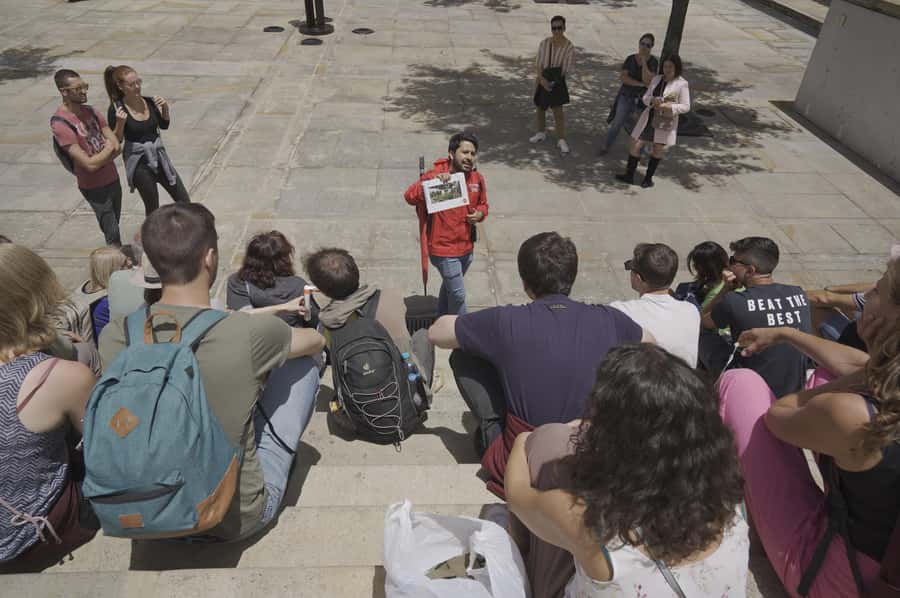
- Bolivar Square, explained street by street, with context for why these buildings matter
- El Bogotazo (1948) and Jorge E. Gaitán, placed in the city’s larger political story
- Chicha as ancestral heritage, including a tasting when conditions allow
- Street art at El Embudo alleyway, including the recognizable graffitis and what they signal
- Botero Museum and the cultural square area, connecting art to the public life of downtown
- Short stops that keep the story moving, not a single long lecture
La Candelaria, in 150 minutes: what this tour really feels like
This is a shared walking tour through Bogota’s historic core, focused on the places you’ll hear about anyway, but explained with local context. You start by getting your bearings, then you move from Spanish-era beginnings to the modern city, including the moments that left scars.
I like that it balances big national themes with human-scale details. You get major reference points like Bolivar Square and the El Bogotazo aftermath, but you also hear why people keep traditions alive, like the drink chicha. It’s the kind of tour that helps your first day in town make sense fast.
The duration is about 150 minutes, roughly 3 hours. That fits well on a morning or early afternoon when you still have energy for a long stroll. Just know it’s shared, so you’re moving as a group, and that can affect how snappy the stops feel at busy corners.
More Historical Tours in Bogota
- Shared Tour of the Historic Candelaria in Bogotá
★ 5.0 · 1,551 reviews - Bogota Shared Gastronomy Tour in the Historic Center
★ 5.0 · 264 reviews - Bike Tour in Bogota Historical Sites and Fruit Market
★ 5.0 · 171 reviews
Getting your bearings: where you meet and what to bring
Meet right in front of the Museo del Oro with red umbrellas by Beyond Colombia. That’s a helpful landmark, because you can spot your group without playing guessing games.
Bring comfortable shoes first. You’ll walk around 7 km, and the old streets of Candelaria can feel like an uphill conversation. Add a hat, sunscreen, and water because you won’t be sipping the whole time. A camera helps too, but remember no flash photography.
Rain happens in Bogota sometimes, and the tour plans around that reality. They do ask you not to bring umbrellas or capes, so use a rainproof coat or your own rain gear instead.
The real value of the $13 price: what you get, and what you avoid
At about $13 per person, this is priced like a budget-friendly walking tour, not a museum-day splurge. What makes it feel like good value is what’s included.
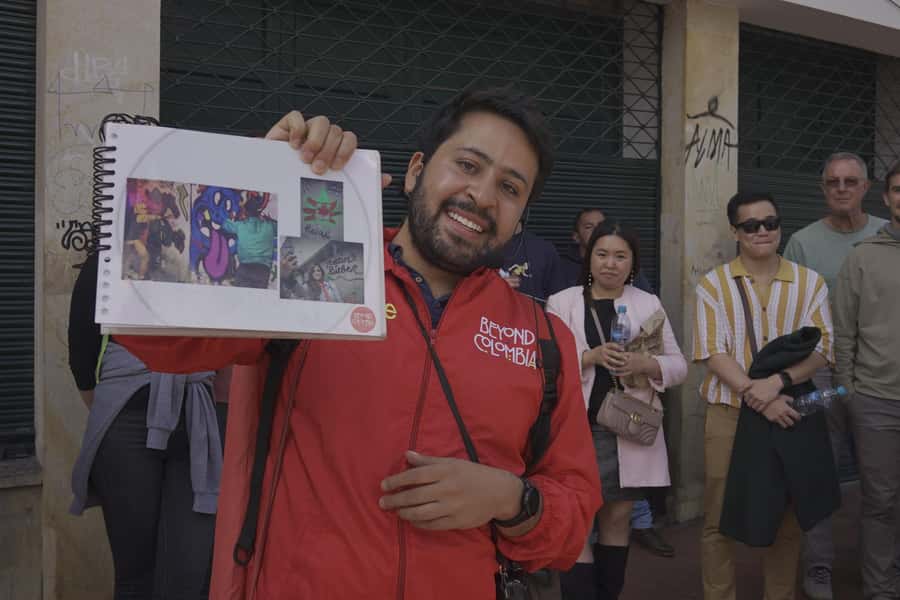
You get an English-speaking guide, plus accurate and objective history. You also get sightseeing of essential stops in the Candelaria area, and recommendations from local partners for lunch, coffee, souvenirs, and more. That matters because the tour is only a few hours, and Bogota is big, so you want the next steps already mapped out.
The other quiet value point is cost control. Tickets and entrances are not included, and the tour won’t send you into places where sudden extra charges apply. You can plan your day with fewer surprises.
Bolivar Square and the buildings that explain the capital story
One of the strongest parts of this experience is how it handles Bolivar Square. You don’t just walk past it. You get the origin story of Bogota as the capital, then you connect that to the buildings around the square.
This is where the tour’s “eyes of locals” approach starts to click. Instead of memorizing dates, you learn why these spaces became symbols and how the city’s identity hardened around political life. Even if you’re not a history buff, the architecture gives you something visual to hold onto while the guide puts events in order.
A practical tip for this stop: pause your photos for a second. Look at the layout, then take pictures. Once you understand the square’s role, your photos will feel more meaningful.
More La Candelaria walks:
- La Candelaria, Monserrate and Museums Bogotá Private City Tour
★ 5.0 · 1,567 reviews - Bogotá: Guided La Candelaria Walking Tour
★ 4.8 · 1,229 reviews - Bogota + Monserrate Private City Tour, Museums, Candelaria.
★ 5.0 · 1,015 reviews - Walking Tour in La Candelaria Bogotá
★ 5.0 · 859 reviews
El Dorado myth: how stories create a city’s imagination
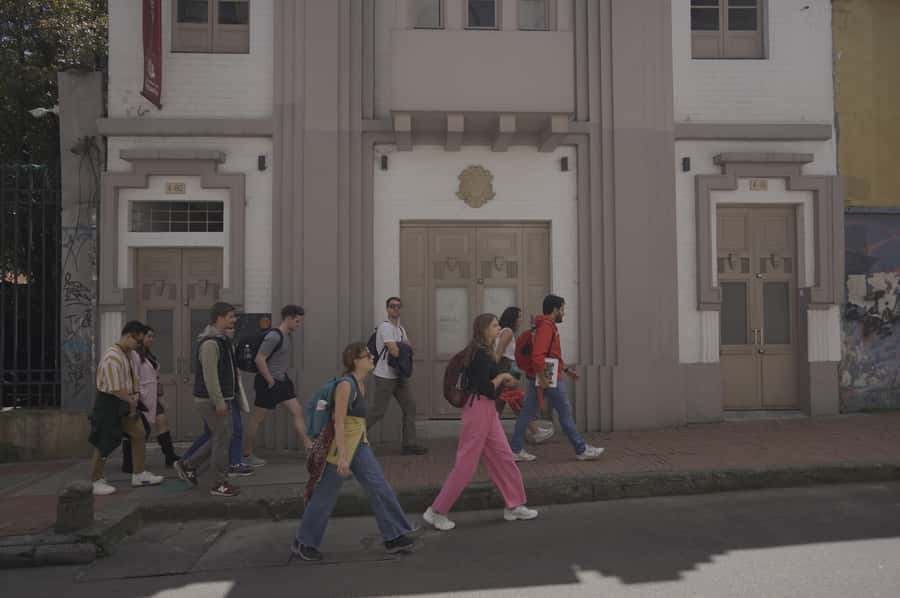
After you get the capital context, the tour brings in the myth of El Dorado. This is more than trivia. It helps explain how early explorers, power, and fantasy collided in South America, and how those stories echoed into later thinking.
Why this matters for you on the ground: myths can shape what people expect from a place. When you know the origin of that expectation, you read the city differently. You also get better context for the Spanish era that follows, because the guide can link belief to action.
This part tends to be a lighter moment compared to the heavier sites later in the route, which is good pacing for a walking tour.
Concordia market and chicha: why this ancestral drink matters
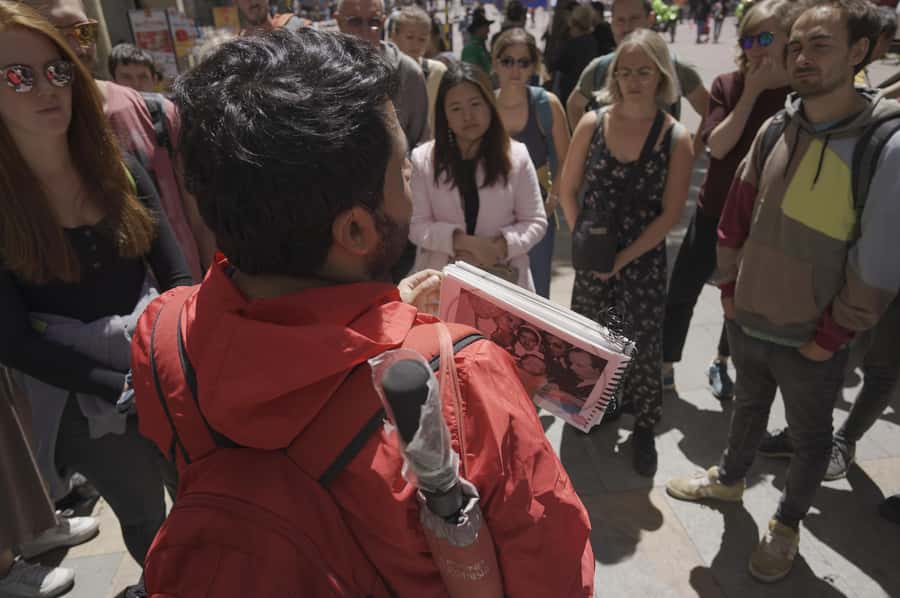
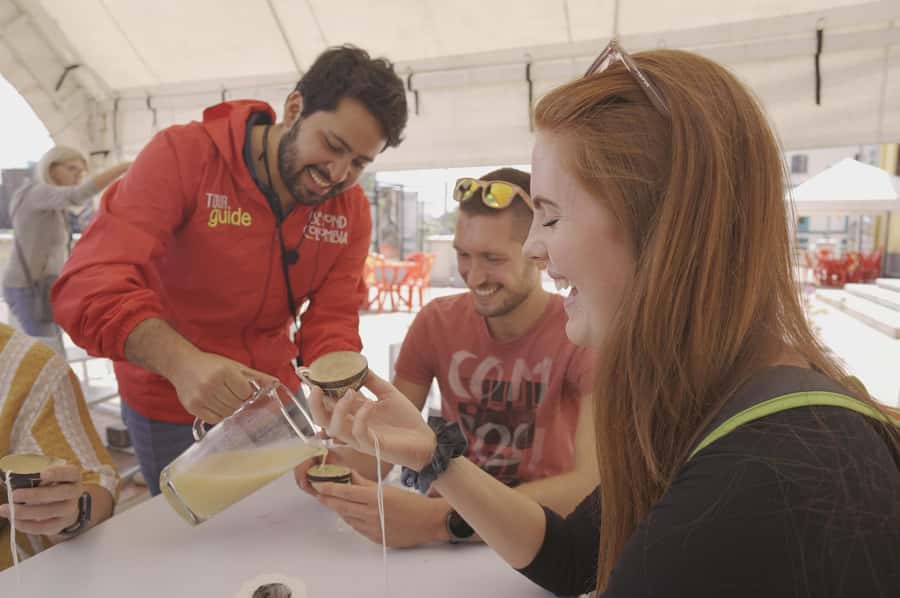
Chicha is one of the most memorable segments on the route. The tour frames it as both an ancestral drink and a living heritage, tied to local culture. If tasting is available, you’ll get the chance to try it.
I like that this is treated as cultural meaning, not just a “try something local” stunt. You learn where chicha fits in the bigger picture of tradition and community, then you see how markets keep those practices visible.
If you’re wondering about flavor, plan to treat the tasting as an introduction, not a test you have to love. It’s a small sample that helps you understand the story. Even if you don’t become a chicha person, the cultural context will stick.
El Embudo alleyway graffitis: art as resistance and commentary
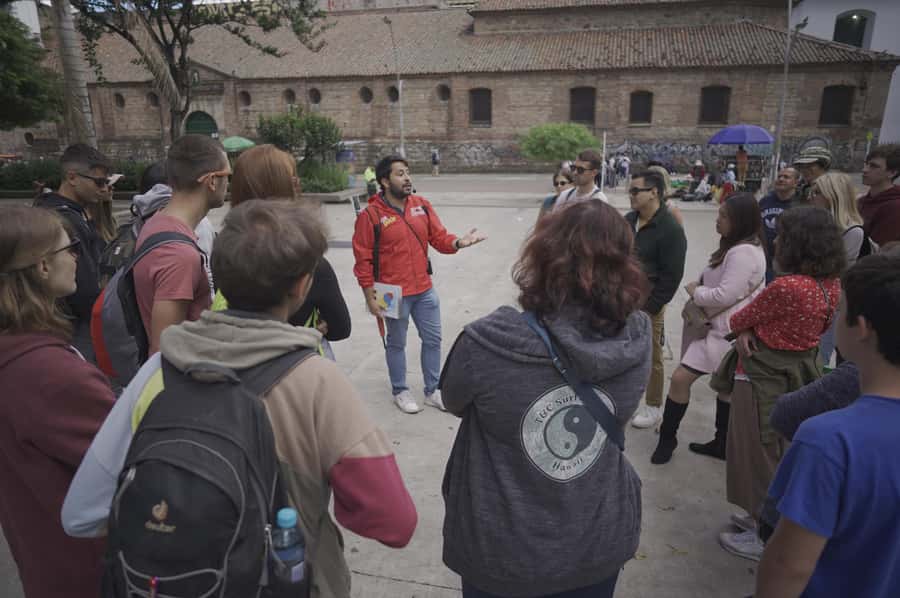
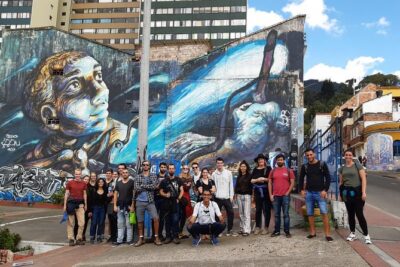
Street art is usually more than decoration in Latin America, and this tour handles it that way. You’ll stop at El Embudo alleyway for iconic graffitis and learn about local murals, including influence, technique, and resistance.
This is a great contrast to the formal-looking squares and major institutions. The message here is that the city tells its story in multiple languages. Walls become archives, and images can carry what speeches cannot.
For this stop, slow down. Graffitis are often layered, and the meaning can shift depending on what you just learned in the tour. If you rush, you’ll miss the connections.
Justice Palace Siege: where tragedy changed the public record
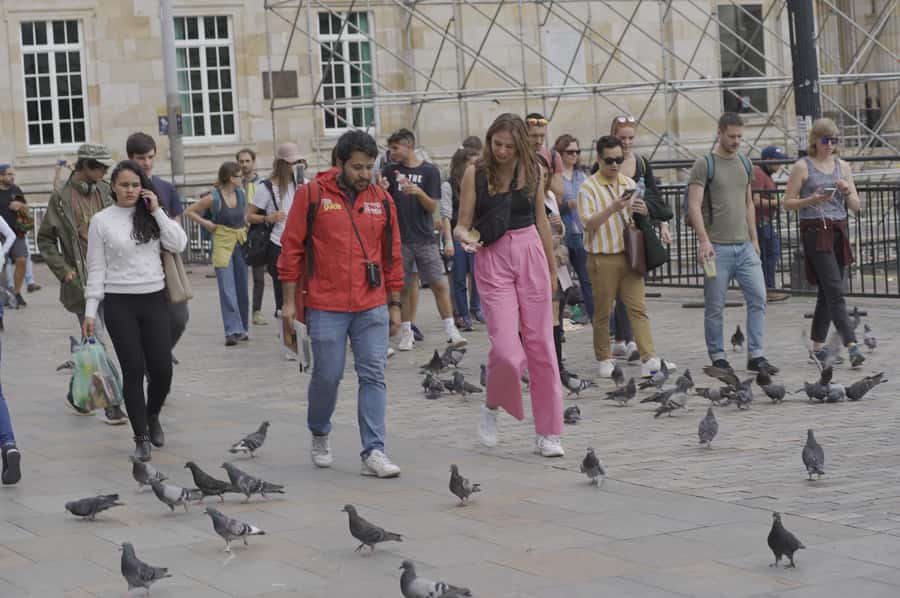
The tour doesn’t skip the hard chapters. It includes the Justice Palace siege, placing it in the broader historical timeline of Bogota.
This section can feel heavier because the subject is political violence and its impact. The guide’s promise of objective, accurate knowledge matters here, because you want context, not a single-sided narrative that turns history into noise.
You’ll get a clearer sense of why institutions and public spaces matter in Bogota. Even if you’d rather avoid dark topics, this stop helps you understand why downtown feels charged, not just pretty.
Chorro de Quevedo: the foundation square vibe
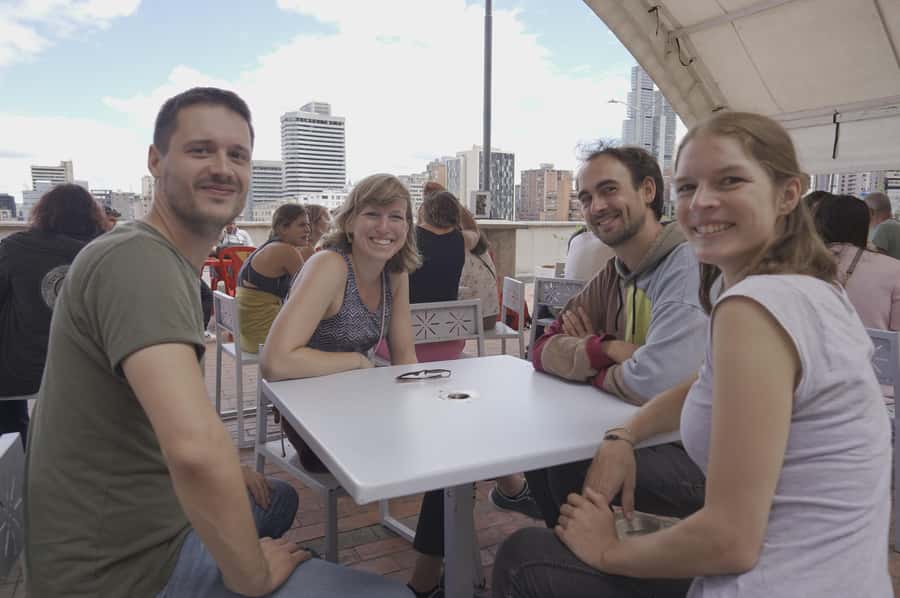
Then you move into Chorro de Quevedo, described as a foundation square. This is the kind of place where older stories and modern city life overlap.
I like this stop for two reasons. First, it helps you reset mentally after heavier history. Second, it gives you a sense of how the city’s identity lives outside grand monuments.
If you’re tired from the walking, this is the moment to catch your breath. It’s a practical pause that also makes the story feel less like a lecture.
The Bogotazo, Jorge E. Gaitán, and the city after 1948
One of the marquee storylines here is El Bogotazo, the riot of 1948, connected to Jorge E. Gaitán. The tour presents it as a controversial rupture point and walks you through why it became such a defining event for the city.
This is where history becomes emotional, because the consequences are built into the way downtown evolved. You don’t need to memorize every detail. You need the sequence and the significance, and that’s the strength of this guide-led format.
If you want context to carry you through Bogota, this is a key stop. It explains why some public spaces still feel like they are about more than what you can see today.
Botero Museum and the cultural square: art in public life
The route includes Botero’s Museum + a cultural square area. Botero’s work is easy to recognize, but this tour uses the stop to explain how art shows up in public identity.
This part works well for mixed groups. If you’re more visual, the museum-related stop gives your brain a break. If you’re more history-focused, the guide ties art and public space together so it feels grounded in the city, not like a separate attraction.
Go in with open eyes, not a checklist mindset. The point is the connection between culture and place, not just “see art, take photo, move on.”
The False Door and the informal emerald market: downtown’s everyday layer
Some of the most interesting moments on this walk are the ones that feel slightly off the main tourist road. The tour includes the False Door and an informal emerald market stop.
These aren’t only about objects. They’re about street-level realities: how commerce works, how people interact, and how history lives alongside modern life. The False Door adds a quirky, memorable note so the tour doesn’t feel like nonstop solemnity.
At the informal market area, keep your expectations human, not cinematic. If you buy nothing, you’ll still learn by watching and listening. And if you do want to buy something, you’ll be glad you learned what to ask and how to approach sellers respectfully.
The local gastronomic alley and the ride-less lunch plan
The tour mentions a local gastronomic alley, which helps you picture where to eat without guessing. Drinks and food are not included, but the guide provides recommendations for where you can grab lunch afterward.
This is the smart way to do it on a walking tour. You’re already tired and you don’t want to turn your afternoon into a map hunt. When you leave with names of places to try, you save time and money.
If you want to keep your day smooth, plan your meal right after the walk. Bogota’s downtown can be busy, and the best spots don’t always match your schedule.
How the walking fits your day, plus the altitude reality
This tour covers around 7 km on foot, with rest stops. It’s a shared group, and the route moves through areas that can get crowded, so keep your belongings close.
The steep parts of Candelaria can feel intense because of the altitude. One guest note in the data points to how taxing the climb can feel, around 8,600 ft. Even if you don’t know the altitude number, you’ll probably feel the difference, so take the pace they set and don’t push just to keep up.
I recommend you bring water even if you think you won’t need it. You’ll get thirsty, and it’s better to sip than to get distracted.
Who this tour suits best, and who should skip it
This fits best if you want a first-day orientation to Bogota’s historic downtown. It’s also a good pick if you care about context, not just photo stops.
It’s less suitable if you have mobility impairments or use a wheelchair, because the tour is walking-heavy. It also may not suit you if you hate crowds or dislike steep climbs.
If you’re traveling solo, this can be a friendly way to meet people while learning. If you’re traveling with friends, it’s also a solid bonding experience because the stories give you something to talk about later.
Should you book the Beyond Colombia Historic Downtown tour?
Book it if you want a structured, local-led walk that links key downtown sites to the stories that shaped Bogota. The price makes it an easy risk to take, and the guide-led focus on objective history plus street-level cultural details like chicha and street art makes it feel more than a basic sightseeing loop.
Skip it if you’re not comfortable with a long walk, or if you need step-free routing. Also, if you want a low-effort tour with minimal walking, this isn’t that.
If you do book, show up ready for movement, take the time to look at the places before you shoot photos, and ask your guide questions. That’s where the tour really pays off.
FAQ
How long is the Bogota Historic Downtown walking tour?
The tour lasts about 150 minutes, roughly 3 hours.
What does the tour cost?
The price is $13 per person.
Where do I meet the guide?
Meet right in front of the Museo del Oro with Beyond Colombia guides using red umbrellas.
What language is the guide?
The tour offers an English-speaking guide, and tours are available in English and Spanish.
Is chicha included?
Chicha tasting is included when available.
Do I need tickets or entrance fees?
Tickets or entrances are not included, and the tour states it won’t take you to places with sudden extra charges.
How much walking is involved and what should I bring?
Plan on walking about 7 km. Bring comfortable shoes, a hat, camera, sunscreen, and water. Smoking is not allowed, and flash photography is not allowed.
Hot off the list in Bogota
- Tour of Zipaquirá: Visit the Salt Cathedral and the main squares★ 4.5 · 55 reviews
- Zipaquirá and Salt Cathedral Muisca Heritage with Guide – Private★ 4.5 · 23 reviews
- Catedral de Sal desde Bogotá en Tren★ 5.0 · 5 reviews
- Zipaquira Salt Cathedral★ 5.0 · 4 reviews
- LOCAL GUIDE Zipaquirá PRIVATE TOUR – Salt Cathedral and Salt Oven★ 5.0 · 24 reviews
- Zipaquirá Salt Cathedral: An architectural wonder.★ 4.5 · 24 reviews
- Private Zipaquira Salt Cathedral and Guatavita Lagoon Tour from Bogota★ 4.5 · 44 reviews
- Zipaquira Salt Cathedral★ 4.5 · 12 reviews
La Candelaria Tours, compared.
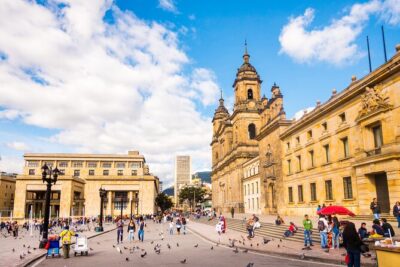
La Candelaria, Monserrate and Museums Bogotá Private City Tour
Read our review →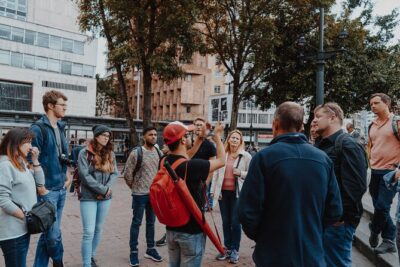
Shared Tour of the Historic Candelaria in Bogotá
Read our review →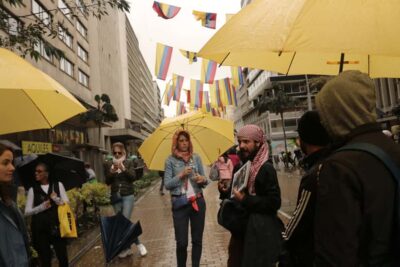
Bogota + Monserrate Private City Tour, Museums, Candelaria.
Read our review →


Private Tour in Bogota : Monserrate, Museums and Candelaria
Read our review →Browse the lists this tour appears in