
REVIEW · SANTA MARTA TOURS
TOUR DE 2 DIAS AL CABO DE LA VELA, LA GUAJIRA
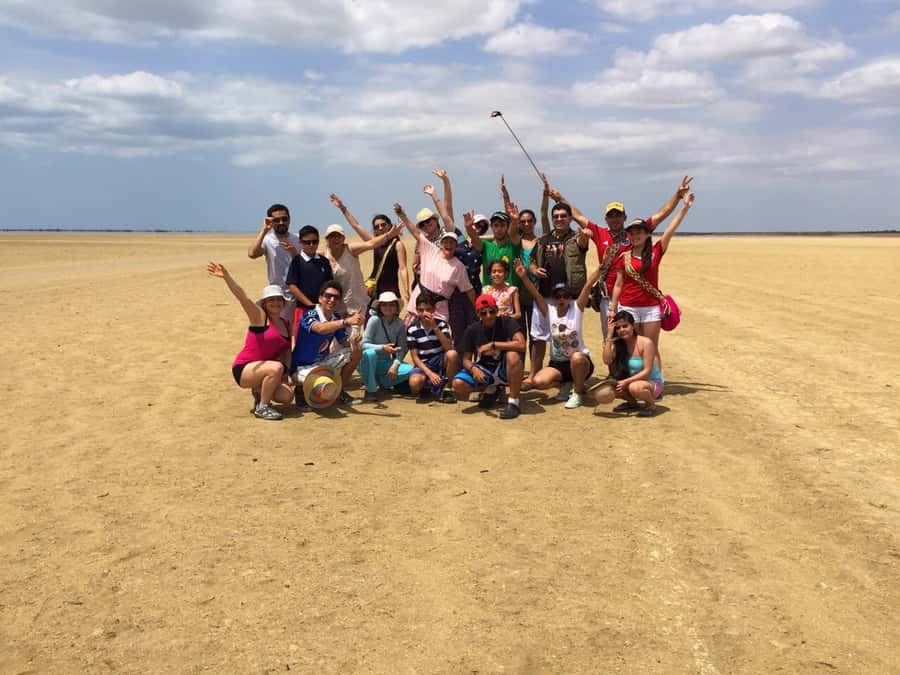
Cabo de la Vela feels remote for a reason. This 36-hour, all-inclusive tour takes you through La Guajira with a Wayuu indigenous lens, plus desert-to-Caribbean views you cannot fake. You’ll ride out from the Santa Marta area, stop along the Sierra Nevada foothills if the sky is clear, and then spend the night in a Wayuu rancheria facing the sea.
Two things I really like here: you get real indigenous contact through an experienced ethnic tour, and you are not stuck doing logistics all day. With transport, one night in a rancheria, two days of feeding, travel insurance, and a professional Spanish-speaking guide, you can focus on the place, not the spreadsheet.
One consideration: the experience is language and comfort-dependent. You should expect Spanish as the main working language, and you may spend long stretches on rough road surfaces, including sandy access in remote areas.
In This Review
- Key highlights you’ll care about most
- A 36-hour La Guajira route that trades speed for depth
- Santa Marta pickup, Palomino stop, and Sierra Nevada peak hopes
- Riohacha and Uribia: where the tour makes its cultural pivot
- Lunch at a Wuayuu rancheria and the Cabo de la Vela approach
- Cabo de la Vela at golden hour: what to expect after the drive
- Manaure salt flats on Day 2, then back toward Santa Marta
- Price and value: does $279 make sense for this 36-hour plan?
- Private group comfort, Spanish-only guidance, and road reality
- How to handle safety and add-ons like a smart guest
- What to pack for sandy roads and rancheria nights
- Who should book this Cabo de la Vela trip, and who should think twice?
- Should you book Tour de 2 Días al Cabo de la Vela, La Guajira?
- FAQ
- How long is the tour?
- Is this a private group tour?
- What language is the tour guide?
- Where does pickup happen?
- What is included in the price?
- Where do you stay overnight?
- What do you do on Day 1 at Cabo de la Vela?
- What do you do on Day 2?
- What should I bring?
- Can I cancel or book without paying today?
Key highlights you’ll care about most
- Wayuu-focused ethnic tour with time at a rancheria, not just quick photo stops
- All-inclusive basics: transport, one night lodging, and two feeding days
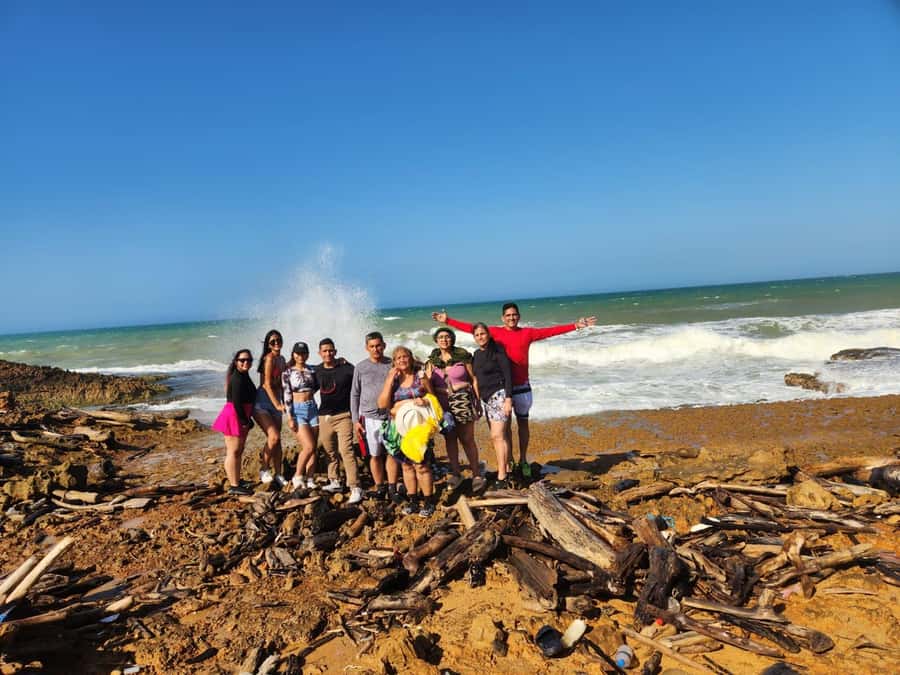
- Cabo de la Vela sunset program including a lighthouse viewpoint and dinner at the rancheria
- Optional visibility stop where you might see the Colon and Bolívar peaks if conditions are good
- Manaure salt flats on Day 2, before the drive back toward Riohacha and Santa Marta
A 36-hour La Guajira route that trades speed for depth
This tour is built around culture plus terrain. You’ll travel out of the Santa Marta area into the Guajira region, where the scenery shifts fast, from mountainside views toward desert light, then to the Caribbean at Cabo de la Vela.
The value is in the pace and the structure. You’re not trying to “check off” dozens of stops with no time to talk. Instead, you’re given an all-inclusive format with a guide, meals, and an overnight stay in a Wayuu rancheria, so you can actually see how life works there.
You also get a private group format. That matters because you’ll likely have better chances to ask questions, manage the day’s timing, and keep the experience respectful and not rushed.
More things to do in Santa Marta:
- Hike for 4 days to the Lost City, Santa Marta
★ 5.0 · 3,308 reviews - Lost City – Ciudad Perdida Colombia
★ 5.0 · 1,203 reviews - Sailing to Tayrona with Luis and his team: Unique!
★ 4.5 · 448 reviews
Santa Marta pickup, Palomino stop, and Sierra Nevada peak hopes
The trip starts with pickup from hotels in Santa Marta, Rodadero, and Bello Horizonte. You need to be in the lobby 10 minutes early, and the guide will call or ask for you at reception.
From there, the route includes a stop in Palomino. Palomino is often a convenient “break and reset” point on drives through this part of the coast, and it also sets the tone: this is a long day of travel where the breaks matter.
If the sky is clear, you’ll also have a chance to see the Colon and Bolívar peaks of the Sierra Nevada de Santa Marta. This is the kind of moment I like on road trips because it is out-of-the-way and weather-dependent. If clouds roll in, you’ll still get the journey and the Guajira scenery, but you should treat peak views as a bonus, not a guarantee.
Right after, you get a typical coastal road breakfast. It’s simple, but it helps more than you’d think. When you’re about to head into rural areas, eating early keeps the day from feeling like an endless waiting game.
Riohacha and Uribia: where the tour makes its cultural pivot
After the Palomino and Sierra Nevada portion, the drive continues to Riohacha. This is a practical hub, and it’s where the day naturally shifts from “scenic ride” to “Guajira itinerary.”
From Riohacha, you’ll make a supply stop in Uribia, described as the indigenous capital of Colombia. This matters because it signals the trip is not just sightseeing. Uribia is where you feel the scale of local life, and it’s a real transition point before you reach the rancheria side of the experience.
A good thing about this structure is that it builds in time to adjust. If you are sensitive to long drives, the supply stop can be a mental reset. If you want to buy small essentials like water or cash for later, this kind of stop gives you a chance to do it without stress.
Lunch at a Wuayuu rancheria and the Cabo de la Vela approach
Around noon, you arrive for lunch at a typical Wayuu rancheria. This is one of those moments where the tour’s “all-inclusive” label becomes real. You are not scrambling for a meal or trying to guess where to go. Lunch is part of the planned flow.
After lunch, the route moves into the attractions at Cabo de la Vela. You’ll visit sites tied to Wayuu life and the coastline, including the sugar pylon, Virgin’s beach, and the lighthouse sunset program.
Then comes one of the biggest draws: you stay at the Wayuu rancheria facing the sea. That means you’re sleeping with the coast as your horizon. Even if your expectations are realistic and you know rancheria accommodation won’t feel like a hotel, the setting changes the whole vibe of the trip.
And you end Day 1 with dinner at the rancheria. Food often becomes the most human part of these trips. You get time to slow down, eat with the day behind you, and let the cultural context settle in.
Same city, a completely different day:
- Santa Marta: Sailboat day tour to Tayrona Park
★ 4.5 · 352 reviews - 4-Day Lost City Small-Group Tour in Santa Marta
★ 5.0 · 254 reviews - Full-Day Hiking Tour in Minca with coffee & Cocoa Workshop
★ 4.5 · 189 reviews - MINCA TOUR – Explore waterfalls and discover the origin of coffee and cocoa
★ 4.5 · 166 reviews
Cabo de la Vela at golden hour: what to expect after the drive
Cabo de la Vela is where the day’s travel pays off visually. The coastline here has a strong, raw feel, shaped by desert light and sea wind. That is exactly why the sunset stop at the lighthouse is scheduled for the late day.
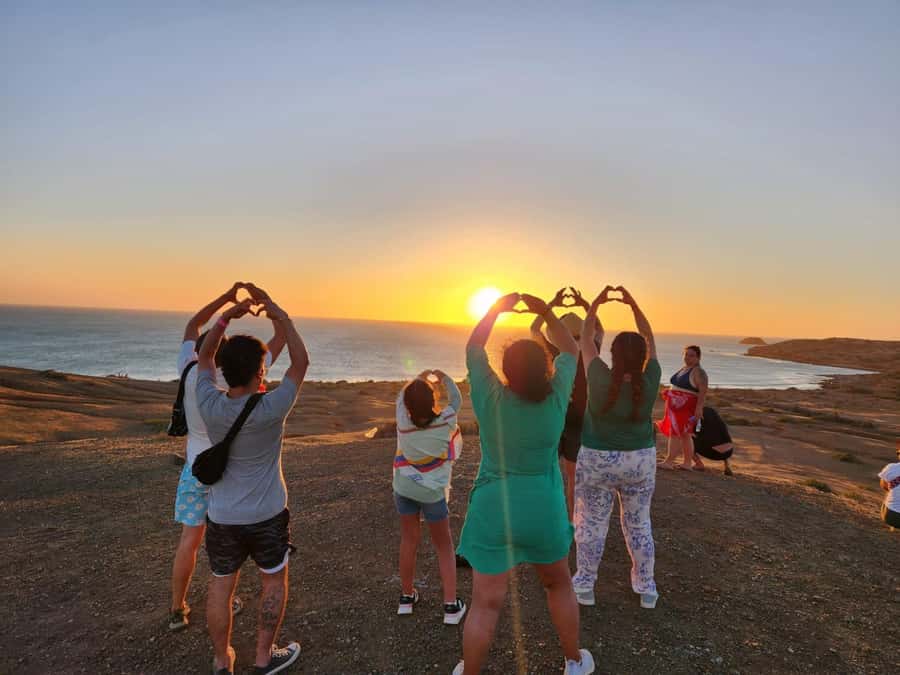
The program includes Guajiro sunset at the lighthouse, which is a smart choice because it lines up with how people naturally experience the coast. You’re not rushing through the best light. You’re meant to sit, look, and watch the sky shift.
You also visit Virgin’s beach and the sugar pylon. I’d treat these as more than “points.” The value is in understanding how geography, belief, and daily life connect in the Wayuu world. The guide’s job here is to translate the meaning, not just recite facts.
One practical tip: bring clothes that can get dirty and expect wind. You’re in a coastal, arid zone. Even if the day is clear, conditions can shift fast between inland heat and sea air.
Manaure salt flats on Day 2, then back toward Santa Marta
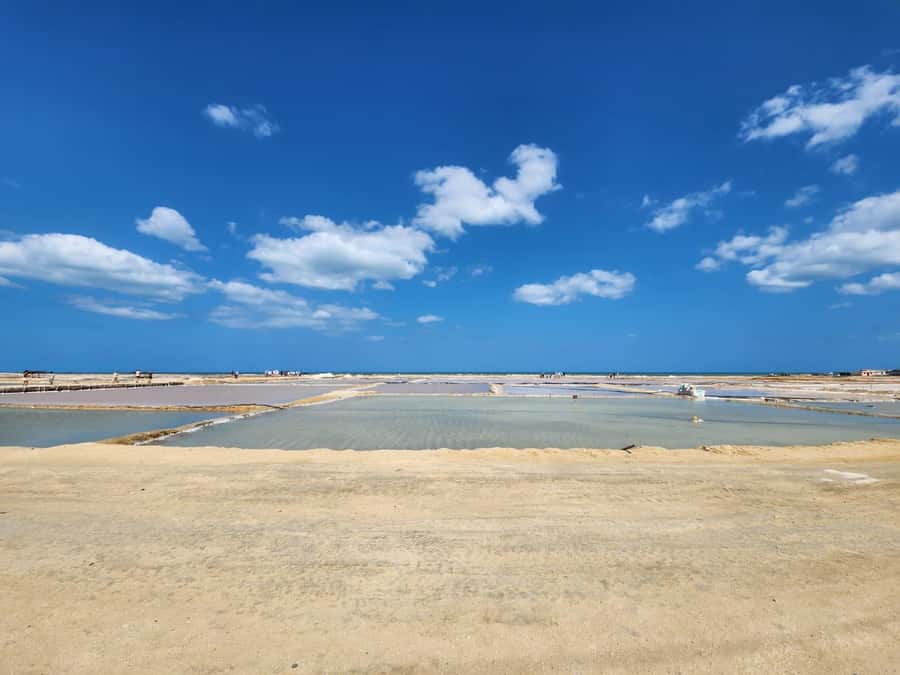
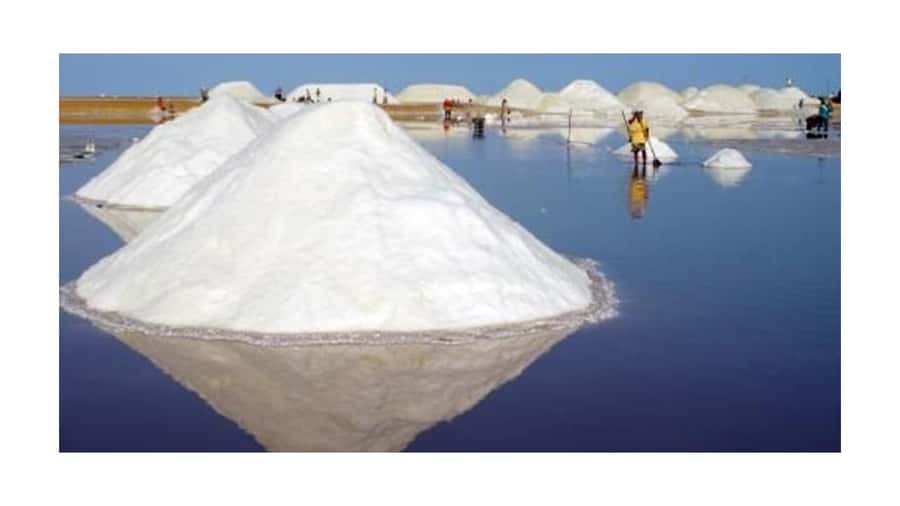
Day 2 is about contrast. After your rancheria night, you continue to the Manaure salt flats. Salt flats are visually striking because of how they reflect light and how the terrain looks almost otherworldly, depending on cloud cover and sun.
What I like about putting Manaure on Day 2 is that it gives you a second “wow” moment after the cultural night. You’ve already connected to the Wayuu setting at the cape, so the salt flats feel like an expansion of the region’s identity, not just another stop.
After Manaure, you return to Riohacha for lunch. That lunch is another built-in buffer. When you are doing a 36-hour itinerary with remote drives, having a scheduled meal reduces the chance you’ll spend your energy on searching.
Then you drive onward back toward Santa Marta to finish the loop.
Price and value: does $279 make sense for this 36-hour plan?
At $279 per person for about 36 hours, this tour is not cheap for Colombia, but it is also not “hotel luxury” pricing. The value comes from what is included.
You get:
- Transport for the full route
- Accommodation one night in a rancheria
- Two days of feeding
- Travel insurance
- Professional guide
The big cost drivers on trips like this are distance, time, and the hard-to-scale parts, like rancheria lodging and guided cultural access. Those aren’t free, and they explain why the price is structured around an all-inclusive package rather than add-on tickets.
So for $279, you are really buying a managed experience in a remote region. If you were to do this independently, you’d likely spend more time arranging transport, figuring out meals, and negotiating access to a rancheria setting.
One caution on value: not everything is specified as included. The listing simply says unspecified services are not included. Before you go, ask what exactly that means in practice, especially for anything outside the meals and transport.
Private group comfort, Spanish-only guidance, and road reality
This is a private group tour with a professional guide in Spanish. If you do not speak Spanish, you’ll still be able to enjoy the sights, but your understanding of the culture and meaning will depend on what the guide can communicate.
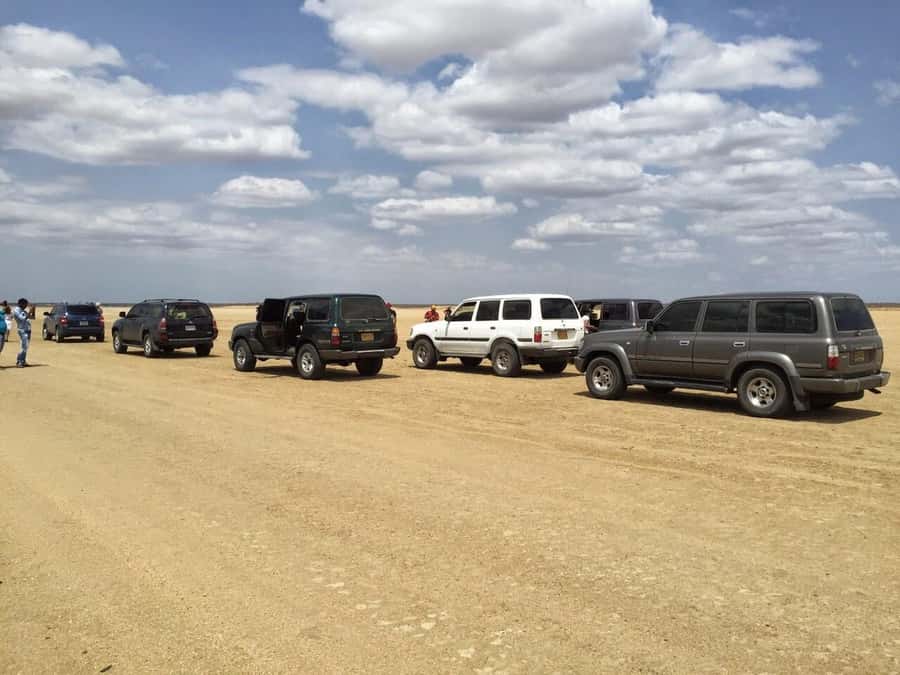
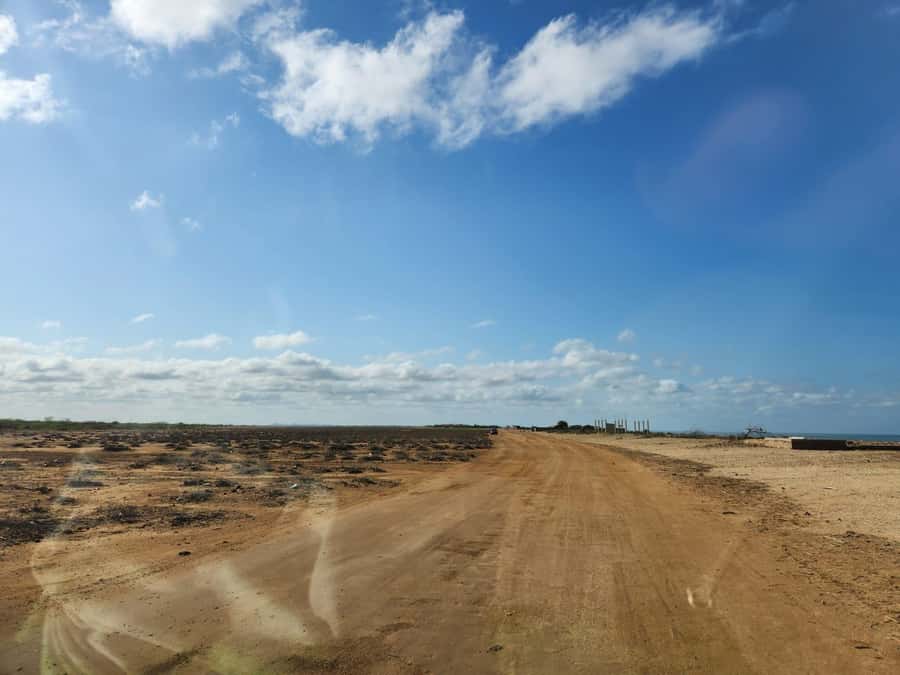
I also want you to go in ready for road reality. La Guajira can mean long drives, and you may run into sandy stretches on the access roads when getting to remote areas. That affects comfort and timing. It’s not a smooth-city-drive trip.
Also, a note from past experiences in this style: some participants have found that the driver can handle more of the logistics and spend less time being warm or explanatory, and in some cases English communication was limited. If you care a lot about dialogue and translation, you should confirm beforehand how your guide plans to support non-Spanish speakers.
How to handle safety and add-ons like a smart guest
There’s another practical side to remote tours: road and conduct standards vary by operator. One past participant raised concerns about professionalism, license status, road behavior, and what happened when an extra stop was offered with extra payment.
I’m not saying this will happen to you, but I am saying you should protect your trip.
Here’s how to do that without being difficult:
- Confirm the tour vehicle and that it matches the operator’s stated service level before you leave
- Ask for clarity on what is optional versus included, and how any extra experiences would be priced
- If something feels off, pause, ask questions, and do not agree to charges you did not explicitly accept
In remote areas, your safest move is clear expectations. The best tours feel organized, calm, and transparent.
What to pack for sandy roads and rancheria nights
Your packing list is short but sensible, and it matches the trip’s reality:
- Change of clothes
- Cash
- Clothes that can get dirty
- Closed-toe shoes
I’d also add a simple mindset. Expect dust. Expect wind. Expect that you might not want your nicest outfit anywhere near the road.
Cash is specifically mentioned, so plan to have it ready for any purchases you might want on the route.
Who should book this Cabo de la Vela trip, and who should think twice?
This tour is a strong fit if you want:
- Wayuu culture through a guided, indigenous-focused format
- A trip that mixes coastline views with cultural time at a rancheria
- An all-inclusive approach where meals and lodging are handled
It’s also a good match if you like off-the-beaten-path travel and don’t need polished urban comfort to enjoy a destination.
Think twice if:
- You need strong English support, because Spanish is the stated guide language
- You are extremely sensitive to long drives and rougher road conditions
- You expect hotel-style amenities at night, because you are staying in a rancheria setting
If you’re flexible and curious, this kind of itinerary can feel more meaningful than a “highlights only” coastline tour.
Should you book Tour de 2 Días al Cabo de la Vela, La Guajira?
I’d book if you’re excited by the combination of Wayuu culture, Cabo de la Vela sunset, and Manaure salt flats and you like the idea of an all-inclusive structure that keeps the day flowing.
I’d be cautious if you require lots of English interpretation or if you are the type who needs highly controlled, luxury-style transport standards. For the best experience, message the operator before pickup, confirm your guide language support, and ask what the unspecified services could mean.
If you handle those details up front, this trip can deliver exactly what its title promises: two days of desert-to-sea Guajira, with a cultural focus you can actually feel.
FAQ
How long is the tour?
The tour duration is 36 hours.
Is this a private group tour?
Yes, it is listed as a private group.
What language is the tour guide?
The tour guide speaks Spanish.
Where does pickup happen?
Pickup is included from any hotel in Santa Marta, Rodadero, and Bello Horizonte. You should be in the hotel lobby 10 minutes before, and the guide will call or ask for you at reception.
What is included in the price?
Included services are transport, accommodation for one night in a rancheria, two days of feeding, travel insurance, and a professional guide.
Where do you stay overnight?
You stay one night in a Wayuu rancheria at the cape, facing the sea.
What do you do on Day 1 at Cabo de la Vela?
Day 1 includes lunch at a typical Wayuu rancheria, visits to the sugar pylon, Virgin’s beach, and Guajiro sunset at the lighthouse, plus dinner at the rancheria.
What do you do on Day 2?
Day 2 includes a visit to the Manaure salt flats, then lunch in Riohacha, and the return to Santa Marta.
What should I bring?
Bring a change of clothes, cash, clothes that can get dirty, and closed-toe shoes.
Can I cancel or book without paying today?
There is free cancellation up to 24 hours in advance for a full refund, and you can reserve now and pay later, with no payment needed today.
Hot off the list in Santa Marta
- Tour en Velero a Bahía Concha Parque Tayrona★ 3.5 · 4 reviews
- Tayrona Park & Playa Cristal★ 3.8 · 4 reviews
- Tayrona Park & Cabo San Juan★ 3.5 · 20 reviews
- SPEEDBOAT TOUR TO TAYRONA CRISTAL BEACH★ 3.7 · 7 reviews
- Sierra Minca Day Tour★ 5.0 · 10 reviews
- SANTAMARTA: White Night Tour in Katamaran with open bar★ 3.8 · 6 reviews
- SANTAMARTA: TOUR Remanso, Taganga, Playa Grande Lunch and Snorkeling Included★ 3.5 · 4 reviews
- SANTAMARTA: TOUR Combo boat taxi, aquarium, lunch, and white sand beach★ 4.6 · 14 reviews
Santa Marta Tours, compared.
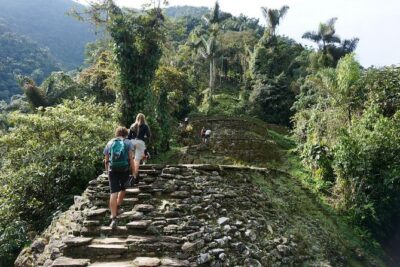
Hike for 4 days to the Lost City, Santa Marta
Read our review →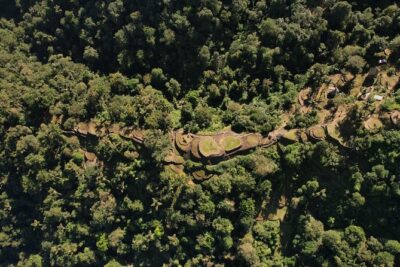
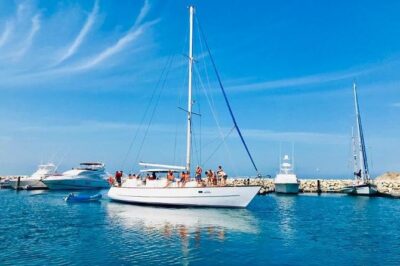
Sailing to Tayrona with Luis and his team: Unique!
Read our review →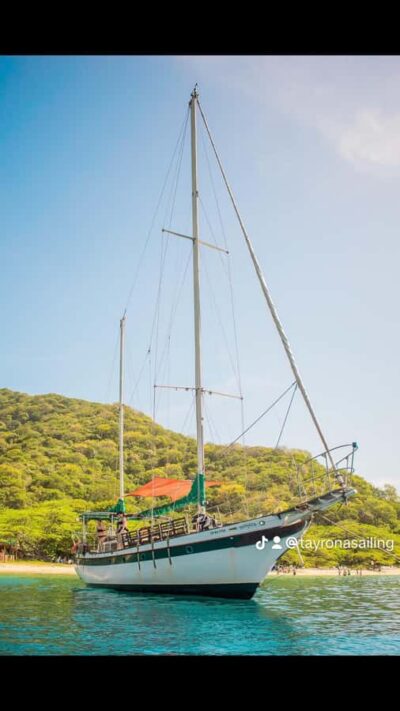
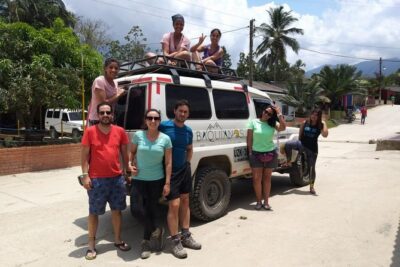
4-Day Lost City Small-Group Tour in Santa Marta
Read our review →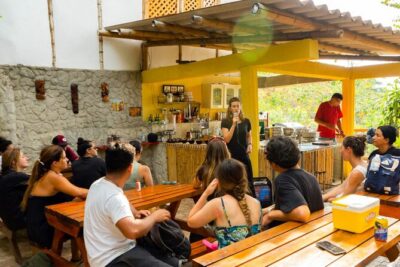
Full-Day Hiking Tour in Minca with coffee & Cocoa Workshop
Read our review →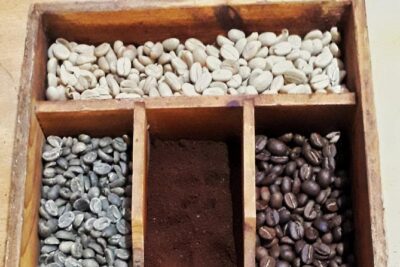
MINCA TOUR – Explore waterfalls and discover the origin of coffee and cocoa
Read our review →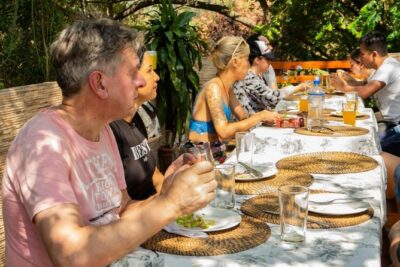
Eco-Hike in Minca: Coffee Tour, Waterfall & Chocolate Experience!
Read our review →Browse the lists this tour appears in