
REVIEW · FISHING
Typical lunch on beach, mangrove tour & fishing with natives
Mangroves plus fishing plus lunch is a rare combo. I really like the hands-on way this experience introduces you to the mangrove ecosystem with a bilingual native guide, then lets you try traditional fishing methods. I also love the sea-view lunch, with fried fish, coconut rice, patacones, salad, and fish soup cooked the artisanal way by local women. One drawback to plan for, it is not suitable for people with mobility impairments, and you are spending a good chunk of the time near water.
You are picked up from your hotel, then taken north of the city, about 20 minutes, to an Afro-descendant community by the sea. The vibe stays personal and local, with welcome coconut, mangrove canoe time, a fisherman island stop, drums, and a relaxed beach finish to cool down.
In This Review
- Key things you will notice on this tour
- From hotel pickup to coconut welcome in the Afro-descendant community
- Mango-mangrove time: what the canoe ride teaches you about the ecosystem
- Fisherman Island and the hands-on fishing demo with local experts
- The 12:30 sea-view lunch: what you will eat and why it feels special
- Beach time after lunch: how to finish the day without rushing
- Price, timing, and logistics for a 4-hour Bolívar mangrove day
- Should you book this mangrove lunch and fishing tour?
- FAQ
- How long is the mangrove tour and fishing experience?
- What is included in the lunch?
- Is hotel pickup and drop-off included?
- Do the guides speak English and Spanish?
- Is this tour suitable for people with mobility impairments?
- What is the cancellation policy?
Key things you will notice on this tour
- 100 percent natural coconut welcome and a warm start with local hosts
- Bilingual native guidance in English and Spanish as you learn the ecosystem directly from community members
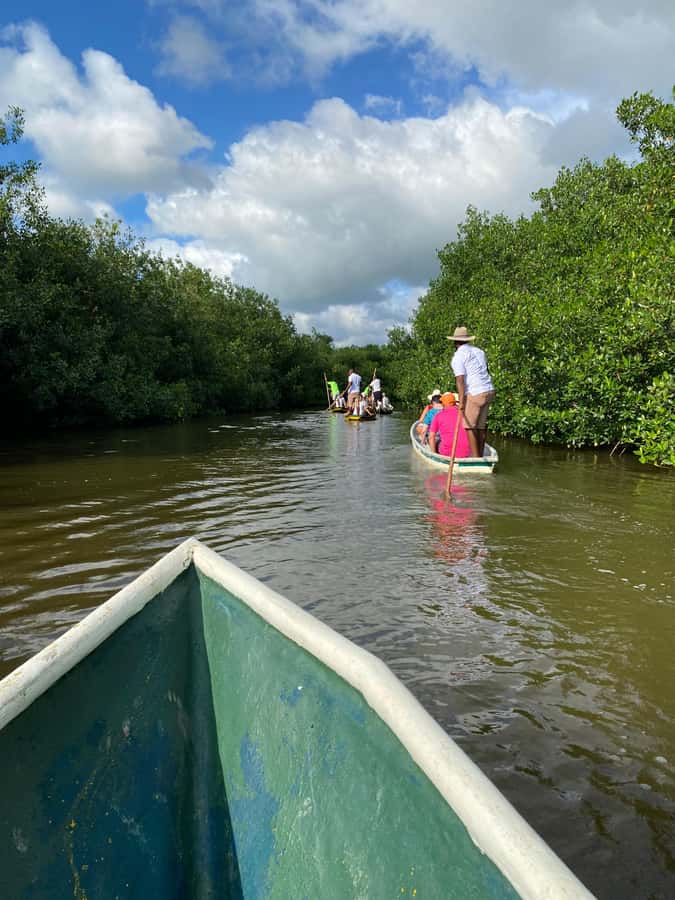
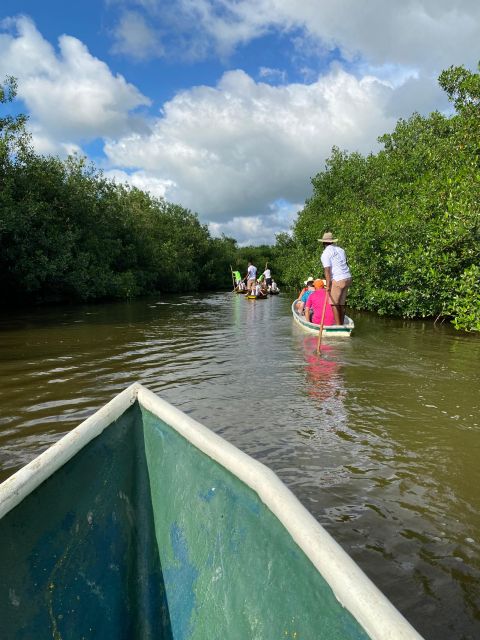
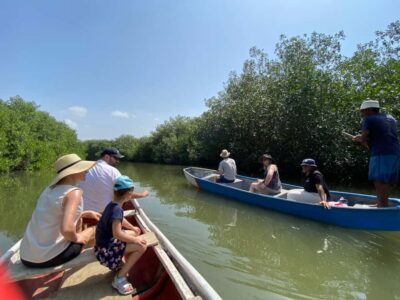
- Canoeing through natural mangroves with an explanation of how this habitat works and why it matters
- Fisherman Island in the middle of the mangrove where you can see different species in action
- Artisanal fishing participation (nets and crab-related methods) led by local fishermen
- A big, traditional lunch at 12:30 served in front of the sea, with drink included
From hotel pickup to coconut welcome in the Afro-descendant community
This is the kind of half-day plan that starts with an actual change of scenery, not just a drive and a quick photo stop. You get picked up at your hotel and brought about 20 minutes north of the city to an Afro-descendant community right by the sea. That short transfer matters, because you reach the water while your morning energy is still intact.
When you arrive, you get a warm welcome and a 100 percent natural coconut to drink. It sounds simple, but it sets the tone. You are not being ushered through a machine. You are stepping into someone’s home territory, and that first drink is a local signal that you’re expected to slow down.
A bilingual native guide meets you here, and that is a big part of the value. The mangroves are not just a view, they are a living system. Having a guide who can explain in English and Spanish helps you catch the details you would normally miss, like how the mangrove environment supports coastal life and why fishing has shaped the local economy for years.
If you are coming from a cruise ship, plan for extra walking time before you reach your meeting point. One practical tip from past visitors is to give yourself about 15 minutes to move through a designated area on foot and then follow the exit signage to find the group.
A few more Cartagena plans worth comparing
- Cartagena: Mangrove Eco Tour & Fishing with Transportation
★ 4.8 · 185 reviews - Cartagena Fishing & Crabbing • Unique Local Experience with Lunch
★ 5.0 · 90 reviews - Mangroves, cultural fishing, black heritage town and lunch
★ 4.5 · 29 reviews
Mango-mangrove time: what the canoe ride teaches you about the ecosystem
Once you start moving, the tour shifts from welcome to understanding. You head through different natural mangroves, typically by canoe, and you get narration from local guides. This is one of the strongest reasons to choose this outing. The mangroves are not explained as a generic nature topic. You learn the history and meaning of the ecosystem from people who live with it.
You also visit an island built by natives in the middle of the mangrove. It is not a tourist platform. It is a living space where different species show up as part of how the habitat functions. That means your time on the water is not only scenic, it is observational. You are looking for signs of wildlife and habitat structure, not just trying to get a picture for the feed.
Why you will probably enjoy this portion:
- You get a calmer pace than the typical rushed stop-and-go tour.
- You learn what mangroves do for fish, birds, and coastal protection, not just names of plants.
- You can ask questions as you go, because the guide is part of the community network, not a distant interpreter.
What to consider: one aspect is that this is a more relaxed, cultural ecology experience rather than a hardcore expedition. If you want to go extremely far into the mangrove labyrinth or you are expecting a guaranteed big catch, this may feel gentle. But if your goal is learning, participation, and atmosphere, this format works.
Practical tip for comfort: wear shoes you can stand in near water, and keep a light layer handy. The shade under the mangroves is great, but the sun around the sea can still feel strong.
Fisherman Island and the hands-on fishing demo with local experts
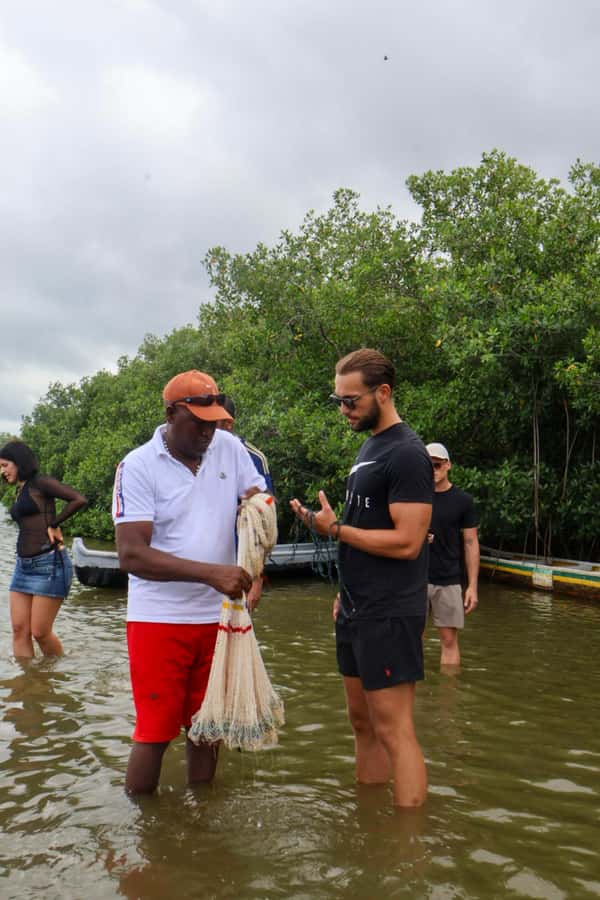
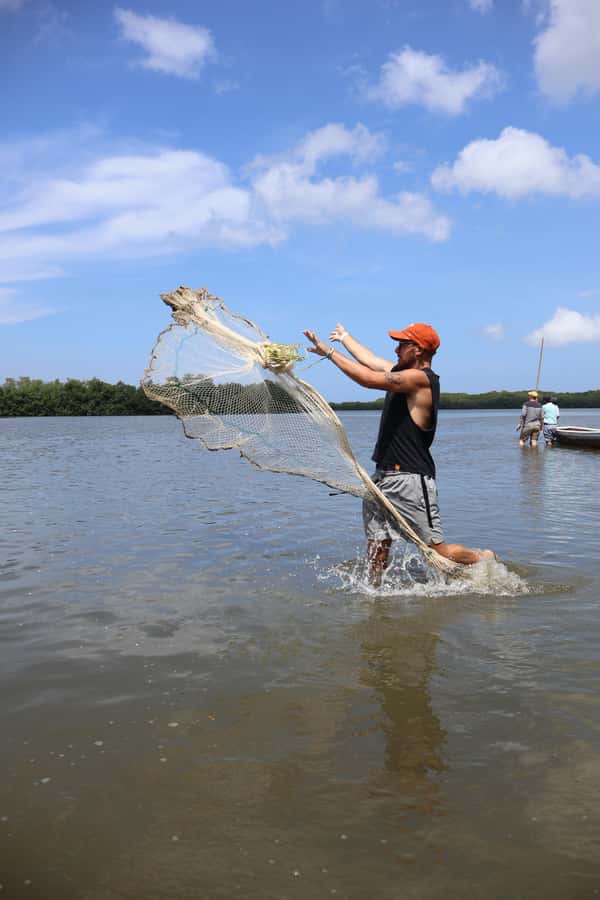
The most memorable part for many people is the transition from learning to doing. After you explore by water, the tour moves into artisanal fishing territory. You get a demonstration of fishing methods in the middle of the mangrove, and you can participate.
This is where the native guide and the local fishing experts really shine. English-speaking guides you may see mentioned include Jamie and Yeimy (and you may also encounter other local experts). In practice, it feels like you are learning from people who do this work every day, not from someone reading off a script.
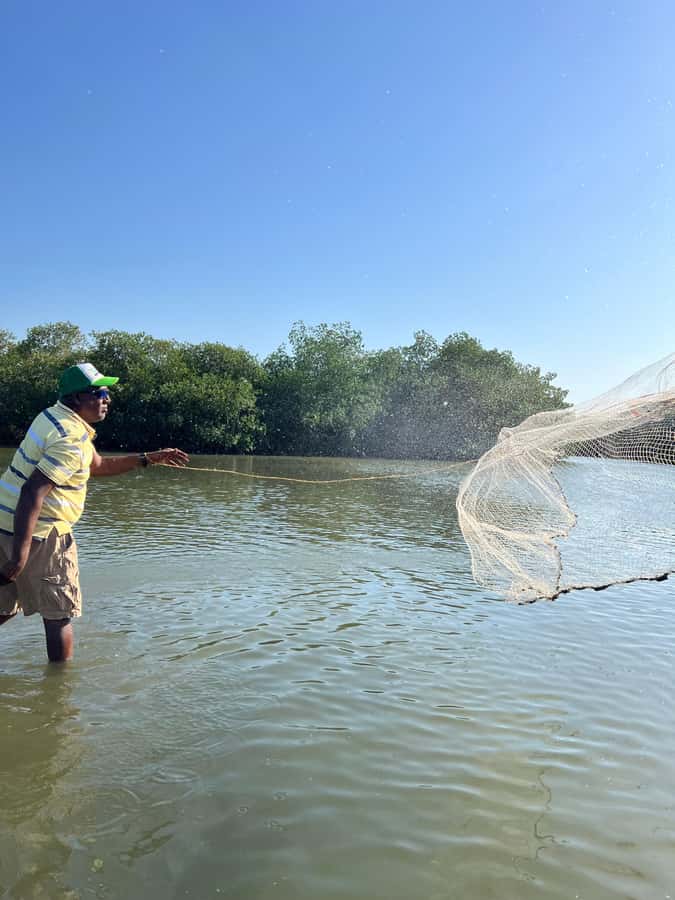
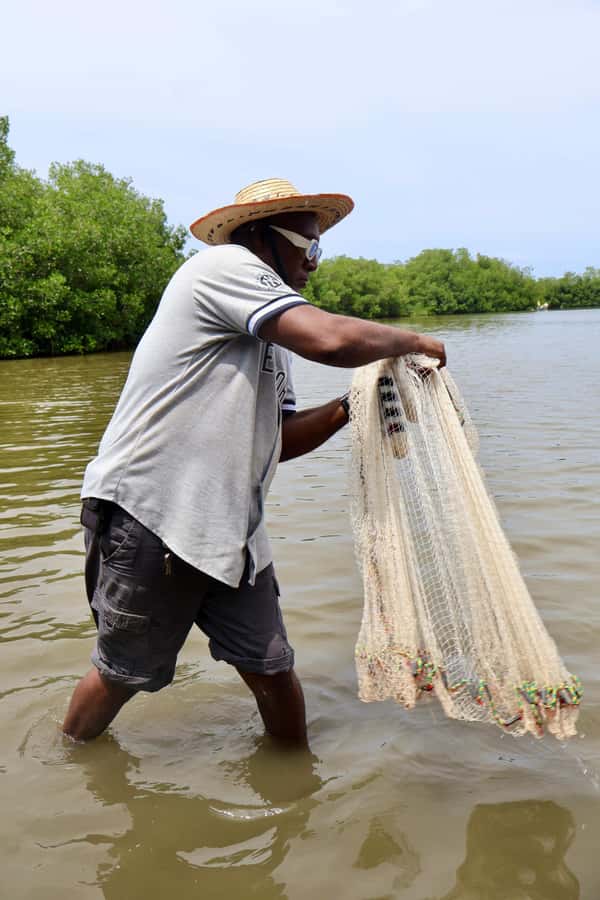
You might practice casting or throwing fishing nets, and you may learn how local fishermen set up crab-related traps or crab pots as part of how they fish. The key word here is participation. Even if you have never handled a net before, you get a chance to try, with instructions geared to first-timers.
What you are actually paying for in this section is access plus authenticity. A mangrove photo tour is one thing. A guided, hands-on fishing moment with locals is another. It helps you understand why the community depends on the ecosystem, and why mangroves are treated as more than scenery.
Also included is cultural sampling of drums. That part turns the experience from pure outdoors into something social and community-based. In some cases, you may be welcomed by community members such as drum players, and dancing like merengue or cumbia can show up depending on the day.
One realistic note: fishing results are never guaranteed. Sometimes the fun is in the process, not in bringing home dinner. If you go in expecting a hands-on demonstration, laughs, and a genuine cultural interaction, you will be happy with the tradeoff.
The 12:30 sea-view lunch: what you will eat and why it feels special
Lunch is served at 12:30, and it is not just included, it is a central feature. You eat at a traditional restaurant in front of the sea, so you get a view while you refuel. This matters on a warm mangrove day, because the meal is part of your recovery, not an afterthought.
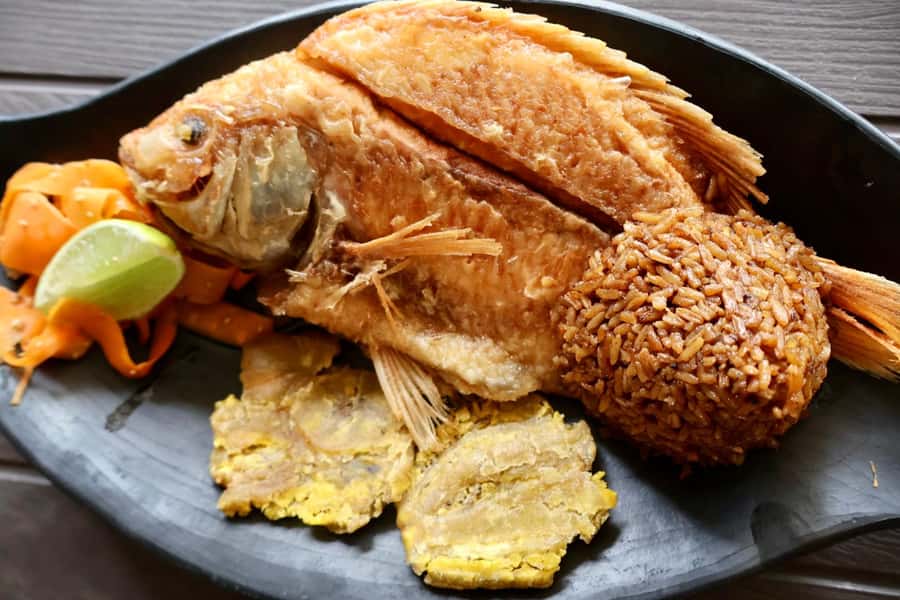
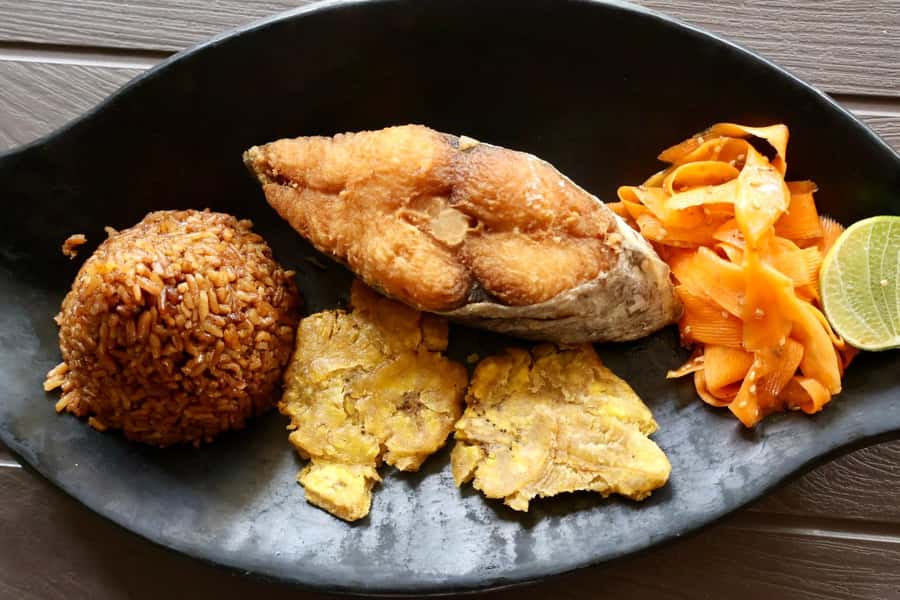
The typical spread is:
- fried fish
- coconut rice
- patacones
- salad
- fish soup
- drink included
It is a lot of food, and the mix is very local. Coconut rice and fish soup together give you a comforting rhythm, while patacones add crunch and balance. One of the small joys here is that the meal is cooked in an artisanal way by native women, which keeps the focus on food as culture, not just “something to eat.”
If you are trying to decide whether the price makes sense, this lunch is one reason it can. You are not only paying for time on the water. You are also paying for a full lunch in a sea-front setting with multiple dishes, plus the welcome drink and everything tied to entry and guiding.
What to consider: portion size can be big, so save room. If you typically eat light in the morning, you will still likely need the second half of the lunch plan, because the flavors are meant to be shared and enjoyed slowly.
Same city, a completely different day:
- Cartagena Island Hopping: 5-Stop Rosario Islands Tour with Lunch
★ 4.5 · 4,903 reviews - Cartagena: Historic Center and Getsemaní Shared Walking Tour
★ 4.9 · 2,716 reviews - Cartagena: Rosario Islands Catamaran with Lunch and Snorkel
★ 4.5 · 2,479 reviews - Full-Day Rosario Islands Including Barú, Bocachica & Playa Blanca
★ 4.0 · 1,729 reviews
Beach time after lunch: how to finish the day without rushing
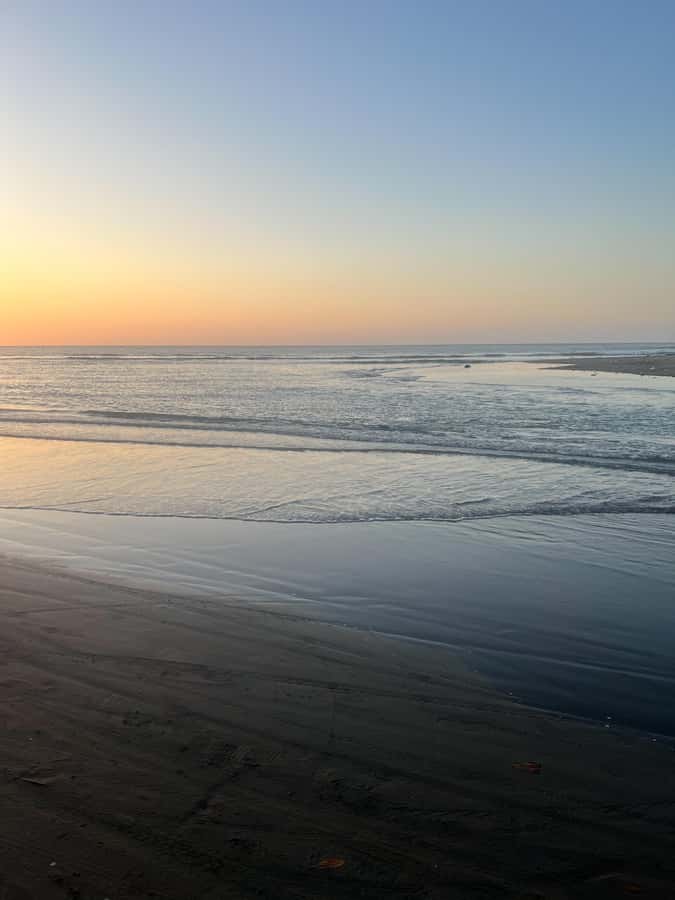
After lunch, you shift into a quieter mode. You can enjoy the beach and submerge in it, enjoying the serenity after the morning activity. This is a smart design choice. The mangrove and fishing parts are hands-on and a little physical. The beach break lets you reset.
Even if you are not a big swimmer, the beach time gives you two benefits:
- You cool down after the sun and boat time.
- You turn the experience into a full outing, not just an activity block.
If you want to make this time count, keep it simple. Bring a small towel, rinse off after water activities if needed, and take 20 minutes to sit and watch how calm the water looks when the group spreads out.
Remember, the day is about connection to place. The beach finish helps you feel that the mangroves and fishing are tied to everyday life, not staged for a schedule.
Price, timing, and logistics for a 4-hour Bolívar mangrove day
The price is $84 per person, and the best way to judge value is to match what you get to what it would cost you separately. Here’s what you are getting within a 4-hour window:
- hotel pickup and drop-off
- lunch cooked traditionally, served by the sea
- welcome hydrating drink (including natural coconut)
- bilingual native guide in English and Spanish
- entrance to Fisherman Island
- cultural drums sampling
- artisanal crab and fish fishing activity
That combination is the main value story. If you were to line these up yourself, you would likely spend more on transport, separate guides, island access, and a full meal.
Timing is also a factor. With a half-day plan, you can fit this between other Cartagena or Bolívar activities without losing your whole daylight hours.
What about group comfort? The descriptions emphasize small-group, local-feeling interactions. Past experiences include groups as small as four, which is exactly the size that makes questions easier and the fishing lesson more personal.
One more logistics note that matters: accessibility. This tour is not suitable for people with mobility impairments, so if that applies, you should look for a different mangrove format with accessible paths and less time near water.
Should you book this mangrove lunch and fishing tour?
Book it if you want a cultural, nature-focused day that includes real food and real participation. This is especially a strong pick if you:
- care about seeing the mangroves with a native bilingual guide
- want hands-on fishing learning, like throwing nets and learning crab-related methods
- like value that includes lunch, entry, and transport in the same price
- prefer small-group, community-led experiences over mega-tour crowds
Skip it if you need accessibility accommodations, or if you want a long, intense mangrove deep-walk or a guaranteed catch. This tour is more about learning, interaction, and atmosphere than a hardcore fishing expedition.
If you are on the fence, ask yourself this simple question: do you want to leave with stories about how people live with the mangroves? If yes, this tour is built for that.
FAQ
How long is the mangrove tour and fishing experience?
The duration is 4 hours. Lunch is served at 12:30, followed by beach time.
What is included in the lunch?
Lunch includes fried fish, coconut rice, patacones, salad, and fish soup. A drink is also included.
Is hotel pickup and drop-off included?
Yes. You are picked up from your hotel and returned afterward. Drivers are described as safe and reliable.
Do the guides speak English and Spanish?
Yes. The host or greeter and guide language options are English and Spanish, including a bilingual native guide.
Is this tour suitable for people with mobility impairments?
No. It is not suitable for people with mobility impairments.
What is the cancellation policy?
Free cancellation is available up to 24 hours in advance for a full refund.
Hot off the list in Cartagena
- SkyKitchen 2-Hour Cocktail Class in Cartagena★ 5.0 · 23 reviews
- Private Baru Aviary Tour with Lunch Included★ 4.5 · 26 reviews
- Rosario Islands Private Day – Exclusive VIP Escape★ 5.0 · 21 reviews
- CITY WALLED CITY SEGWAY SKATEBOARD TOUR and GETSEMANI★ 5.0 · 30 reviews
- Shore Excursion private Luxury City tour of Cartagena★ 5.0 · 8 reviews
- Cartagena Culinary Private Tour: Local Flavors & Hidden Gems★ 4.0 · 6 reviews
- Zip Through Walled City and Barrio Getsemani by Segway★ 5.0 · 4 reviews
- Shore Excursion Mangroves tour★ 4.5 · 3 reviews
Fishing, compared.
Mangrove Eco Tour & Fishing with Transportation
Read our review →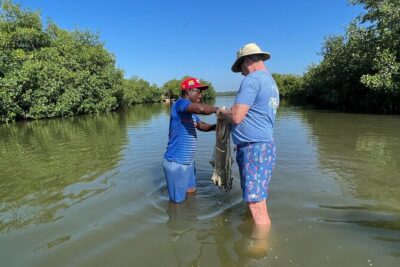
Cartagena Fishing & Crabbing • Unique Local Experience with Lunch
Read our review →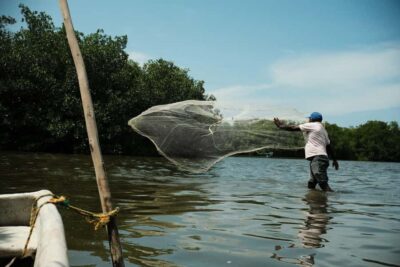
Mangroves, cultural fishing, black heritage town and lunch
Read our review →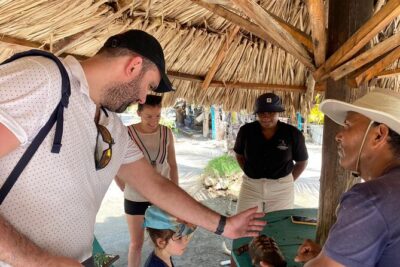
Ecotour Mangrove and Craft Fishing : Nature + Local Community
Read our review →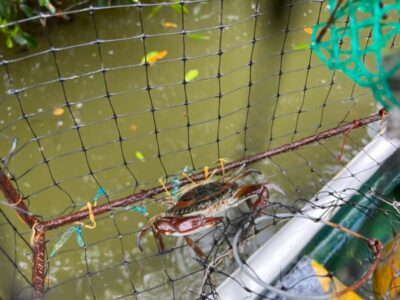
Cartagena Fishing, Crabbing, Birdwatching Experience + Lunch
Read our review →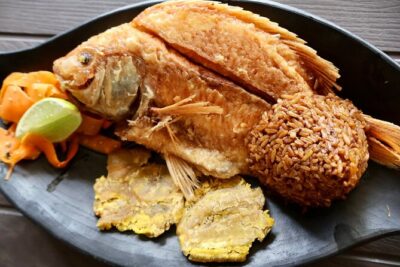
Cartagena Real : neighborhood, mangrove, fishing, typical lunch and culture
Read our review →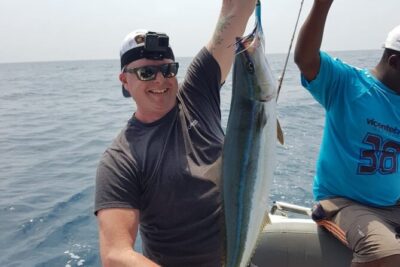
Browse the lists this tour appears in