
REVIEW · DESSERT TOURS
Ancient Traditional Ice Cream Making
Paila ice cream is serious street-food craft. In Cartagena de Indias, you’ll meet at Casa Venita Hostal Boutique near Plaza de la Trinidad, walk to a local women-run shop, and learn how paila ice cream is made using a wide, shallow metal pan. You also get the story behind this dessert, with roots in Ecuador and a strong tradition in Pasto.
I really like how practical the workshop feels, you prep ingredients and work with the process instead of just watching. I also love the payoff: you taste three paila ice creams, with bottled water waiting for you, in about 1 hour 40 minutes. For the heat in Cartagena, it’s a refreshing way to spend your afternoon.
One thing to consider is the format is small and time-bound. This is a maximum 6-person group, and the main experience clocks in around 1.5 to 2 hours, so it’s not the kind of casual, sit-and-stay dessert crawl.
In This Review
- Key things that make this workshop worth your time
- A sweet craft lesson, not just dessert
- From Casa Venita to the women-run parlor
- The paila ice cream pan: what you’re really learning
- Fruit or milk, and why the ingredient choices matter
- Taste three ice creams, then keep exploring if you want
- What the workshop actually feels like in 1 hour 40
- Price and value: is $50 fair for this experience?
- Who should book this paila ice cream workshop?
- Quick practical tips before you go
- Should you book?
- FAQ
- How long does the Ancient Traditional Ice Cream Making workshop take?
- What is the price per person?
- Where do we meet in Cartagena?
- Is the tour offered in English?
- What is the group size limit?
- Are there vegan or gluten-free options?
- How many ice creams will I taste?
- What’s included in the price?
- What is not included, and should I tip?
- Is the experience refundable if I cancel?
Key things that make this workshop worth your time
- The paila pan technique: a shallow, wide metal pan drives the texture you’ll taste.
- Women-run shop with eco materials: the place keeps things local and focused on ecological materials.
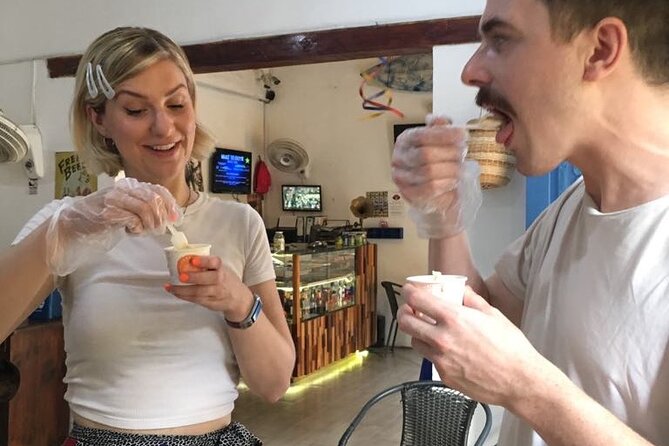
- Hands-on making: you prepare ingredients, not just sample.
- Three-flavor tasting: you leave with a clear sense of what works for you (fruit or milk).
- Vegan and gluten-free options: the workshop lists both.
- Small group size: max 6 travelers, which helps you actually ask questions.
A sweet craft lesson, not just dessert
If you like your experiences to have a clear rhythm, this workshop nails it. You start by getting oriented at the meetup point, then you head to the ice cream parlor and move right into making paila ice cream. It’s the kind of activity that feels productive, even though you’re in a dessert shop.
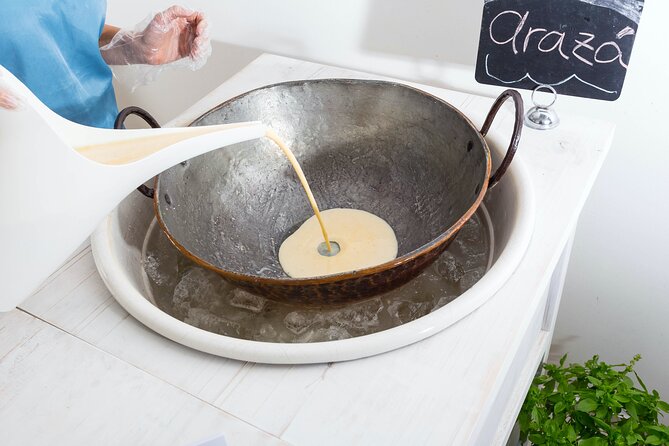
What makes paila ice cream special is the tool. The paila is a traditional metal pan, built with a large diameter and shallow depth. That shape matters because it helps the ice cream process move quickly across a wide surface, which is part of why you end up with the creamy texture people associate with this style.
You’ll also learn the cultural path of the dessert. Paila ice cream originates in Ecuador, but in Colombia it’s also a very typical treat in Pasto, the capital of Nariño. That context turns your tasting into something bigger than flavor alone, you get to connect what you’re eating to where it comes from.
A few more Cartagena plans worth comparing
- Rum and Chocolate Tasting in Cartagena
★ 5.0 · 360 reviews - Boutique Rum and Chocolate Tasting at Lunático
★ 5.0 · 328 reviews - Cartagena: Boutique Rum and Chocolate Tasting at Lunático
★ 4.9 · 121 reviews
From Casa Venita to the women-run parlor
Meet at Casa Venita Hostal Boutique in Getsemaní, with the experience aimed around the Plaza de la Trinidad area as the central starting point. The plan is simple: you meet at a time of your choice, then walk with the group to a popular local shop in Cartagena.
That walk is more than filler. It gives you a moment to reset and get grounded in the city before you step into the food-focused part of the experience. Cartagena can be intense with sun and humidity, so having a short stroll before you start mixing and tasting helps.
Once you arrive, you’ll be in a shop run only by women, and they use only ecological materials. You’re not just consuming a product here, you’re stepping into how the place thinks about making it, from materials to process.
Practical note: the tour is offered in English, and the group is small (max 6). That combination is ideal if you want to understand what’s happening, not just follow along with your hands.
The paila ice cream pan: what you’re really learning
The heart of the workshop is making the ice cream the artisan way, using the paila metal pan. You’ll start preparing ingredients, then you’ll work through the method that turns fruit or milk into ice cream.
This is the part I’d call the real skill-building piece. A lot of dessert classes are really “flavor roulette,” you add ingredients and hope for magic. Here, the pan shape and process are central. When you taste, you’ll notice that paila ice cream is about texture as much as it is about sweetness or fruit character.
You’ll learn about the history as the ingredients come together. It’s not taught like a textbook lecture. The workshop framing makes the history feel tied to technique: you understand where the style traveled from, and then you watch how the method shows up in what you’re making today.
And because the shop uses ecological materials, it’s easier to see the workshop as a real local practice rather than a tourist-only show.
Fruit or milk, and why the ingredient choices matter
You’ll make paila ice creams from fruit or milk, and the workshop emphasizes natural and organic ingredients. That’s a big deal in a city where you’ll find lots of sweet treats. Instead of sugary overload, the goal here is ingredients first, flavor second, and balance throughout.
The sample menu is clear: you’ll end up tasting three paila ice creams. They’re not all the same style, which helps you notice what you enjoy.
- Flavor 1: an artisan ice cream (with vegan or non-vegan options)
- Flavor 2: another artisan ice cream
- Flavor 3: a third artisan ice cream
For the vegan option, you’ll use a local fruit and keep it low sugar. That helps vegan ice cream stay closer to the fruit taste instead of turning into a candy-like substitute. Even if you don’t eat vegan at home, this is a great way to understand how paila technique can work with different bases.
The workshop also lists gluten-free options. If gluten matters for you, this is one of the clearer points from the experience details, which makes it easier to plan.
More things to do in Cartagena:
- Cartagena Island Hopping: 5-Stop Rosario Islands Tour with Lunch
★ 4.5 · 4,903 reviews - Cartagena: Historic Center and Getsemaní Shared Walking Tour
★ 4.9 · 2,716 reviews - Cartagena: Rosario Islands Catamaran with Lunch and Snorkel
★ 4.5 · 2,479 reviews - Full-Day Rosario Islands Including Barú, Bocachica & Playa Blanca
★ 4.0 · 1,729 reviews
Taste three ice creams, then keep exploring if you want
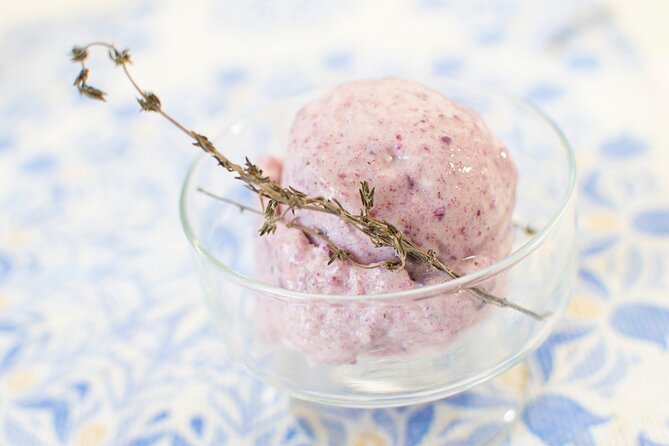
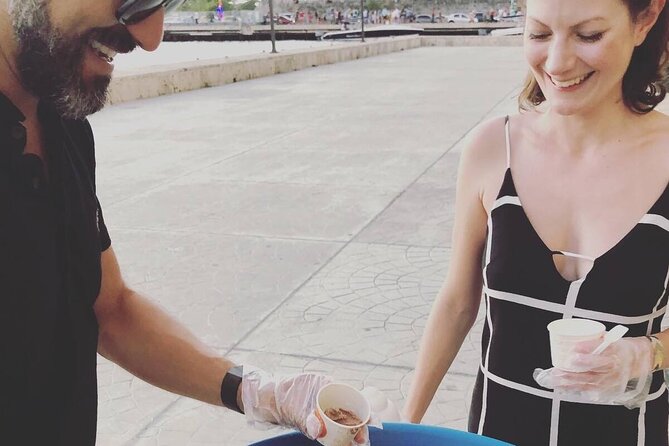
At the end of the process, you’ll taste three paila ice creams. You also get bottled water and bowls for the ice cream, so the tasting part feels complete, not rushed.
I like that “minimum 3 flavors” is baked into the included experience. Some classes promise a tasting but then quietly limit what you actually get. Here, the structure is straightforward: you try multiple flavors so you can make a real comparison.
You can also choose to stay longer and try more ice creams on your own. That’s a smart add-on, because it lets you turn a structured workshop into a follow-up food mission. If you hit on a flavor you love, you can order another round and go deeper, without needing to book anything extra.
And since the shop is local and women-run, staying a bit longer can feel like part of the neighborhood, not like you’re waiting for the next group to arrive.
What the workshop actually feels like in 1 hour 40
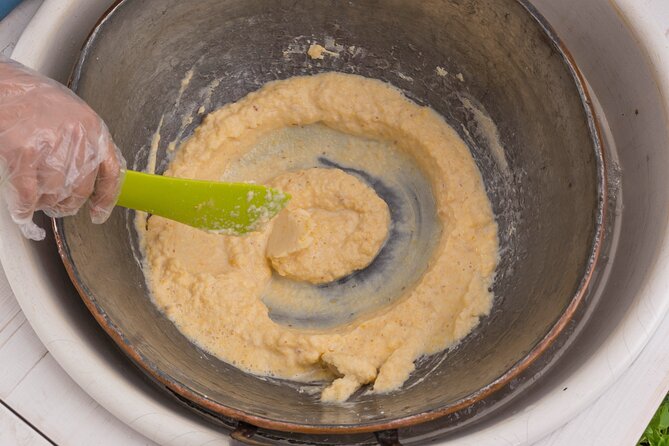
The full workshop lasts about 1.5 to 2 hours. In practice, that timing is ideal if you want something hands-on but you don’t want to lose your whole day.
Here’s the typical flow you should expect:
- Meet at your chosen time near Plaza de la Trinidad, at Casa Venita Hostal Boutique.
- Walk to the parlor, then arrive and get set for the workshop.
- Prepare ingredients while learning the history and context of paila ice cream.
- Make the ice creams using the paila pan, with natural and organic ingredients, plus vegan or gluten-free options when applicable.
- Taste three paila ice creams, with water and bowls included.
- Head back to the meeting point, or stay longer to try more.
Small groups matter here. With a maximum of 6 travelers, the experience tends to feel more like an intimate class than a factory tour. It’s easier to hear explanations in English, and it’s easier to ask a quick question about ingredients, technique, or flavor preferences.
Price and value: is $50 fair for this experience?

At $50 per person, this is not the cheapest thing you can do in Cartagena. But for what you get, it’s fairly priced.
You’re paying for:
- A hands-on workshop format
- The paila technique, not just a tasting
- Three ice creams as part of the included snacks
- Bottled water and bowls
- A small-group experience (max 6)
- English language instruction
Also, the listed features include group discounts. If you’re traveling with friends or a small group, that can make the per-person cost feel much more reasonable.
One more factor: you’re getting a dessert that is tied to a specific tool and a specific tradition. That’s the difference between eating ice cream and learning something about ice cream. If you enjoy food skills, this can feel like a souvenir that you taste, not just something you remember.
Just plan for what’s not included. Private transportation is not included, and tipping is suggested at 20 percent. If you come without a plan for getting there, you may end up spending more than you expected on rides or taxis.
Who should book this paila ice cream workshop?
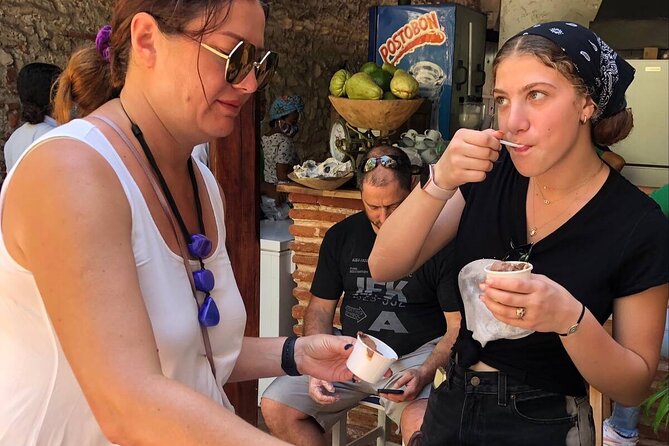
This fits best if you want one of those Cartagena experiences that is both fun and grounded in local craft. It’s a good match for:
- Food lovers who like hands-on activities
- Travelers who want a short, focused workshop instead of an all-day tour
- People traveling with someone who may not want a long walking tour but does want a memorable activity
- Anyone interested in Colombian desserts beyond the usual highlights
It’s also a smart choice for travelers who care about dietary needs. Vegan options and gluten-free options are explicitly listed, and you’ll taste multiple flavors so you can find what works for you.
If you hate being in groups, this one might still be okay because max group size is 6. But it’s still a group workshop, so it’s not built for total privacy.
Quick practical tips before you go
- Wear something you can move in. You’ll be working at the pace of the workshop, not just sitting.
- Bring a little extra cash. The experience suggests a 20 percent tip, and the ice cream shop may tempt you into trying more after the tasting.
- If you’re picky about vegan or gluten-free, treat the label as helpful, then double-check your needs when you book. (The workshop does list these options, which is a strong start.)
- Use the mobile ticket if you’re comfortable with phone-based check-in. It’s listed as a feature.
- If you’re relying on transit, you’re in a part of the city that’s described as near public transportation.
Should you book?
Yes, if you want a small-group, hands-on Cartagena food experience with a clear payoff. For me, the biggest reasons to book are the paila pan technique, the fact that you’ll taste three flavors, and the calm structure of a 1.5 to 2 hour workshop that doesn’t swallow your whole day.
Book it especially if you like learning while you eat. This isn’t just about sweetness, it’s about how a traditional style of ice cream comes to life, from Ecuador to Pasto, then into your own bowl in Cartagena.
FAQ
How long does the Ancient Traditional Ice Cream Making workshop take?
It lasts about 1 hour 40 minutes on average, and the workshop itself runs between 1.5 and 2 hours.
What is the price per person?
The price is $50.00 per person.
Where do we meet in Cartagena?
The start point is Casa Venita Hostal Boutique, Cra. 10 #25-89, Getsemaní, Cartagena de Indias. The experience meets at a time of your choice near the Plaza de la Trinidad area.
Is the tour offered in English?
Yes, it is offered in English.
What is the group size limit?
The activity has a maximum of 6 travelers.
Are there vegan or gluten-free options?
Yes. Vegan options and gluten-free options are listed.
How many ice creams will I taste?
You’ll taste three paila ice creams, and snacks are included with a minimum of 3 flavors.
What’s included in the price?
Included: snacks (minimum 3 ice cream flavors), bottled water, and bowls for ice cream.
What is not included, and should I tip?
Private transportation is not included. Tip gratuities of 20 percent are suggested.
Is the experience refundable if I cancel?
No. The experience is non-refundable and cannot be changed for any reason.
Hot off the list in Cartagena
- Private Baru Aviary Tour with Lunch Included★ 4.5 · 26 reviews
- SkyKitchen 2-Hour Cocktail Class in Cartagena★ 5.0 · 23 reviews
- Rosario Islands Private Day – Exclusive VIP Escape★ 5.0 · 21 reviews
- CITY WALLED CITY SEGWAY SKATEBOARD TOUR and GETSEMANI★ 5.0 · 30 reviews
- Shore Excursion private Luxury City tour of Cartagena★ 5.0 · 8 reviews
- Cartagena Culinary Private Tour: Local Flavors & Hidden Gems★ 4.0 · 6 reviews
- Zip Through Walled City and Barrio Getsemani by Segway★ 5.0 · 4 reviews
- Shore Excursion Mangroves tour★ 4.5 · 3 reviews
Dessert Tours, compared.


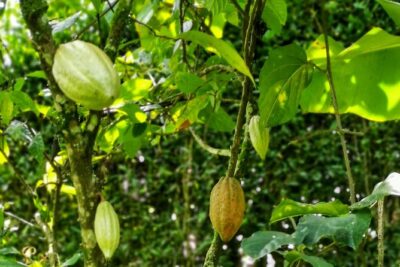
Chocolate Farm Private Tour in Medellin: Real Genuine Experience
Read our review →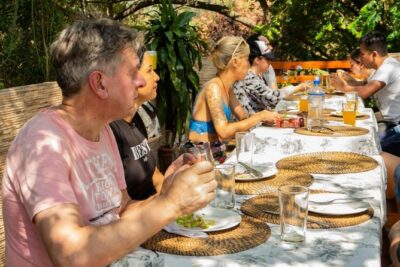
Eco-Hike in Minca: Coffee Tour, Waterfall & Chocolate Experience!
Read our review →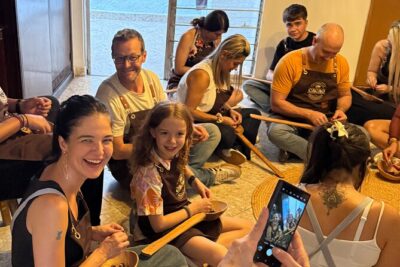
Colombian Cacao Experience | Chocolate Tour | BOOK NOW!
Read our review →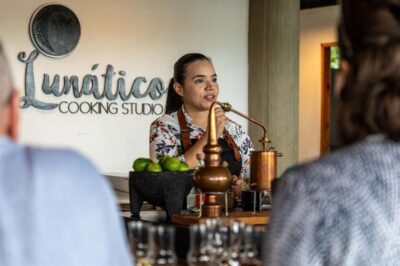
Boutique Rum and Chocolate Tasting at Lunático
Read our review →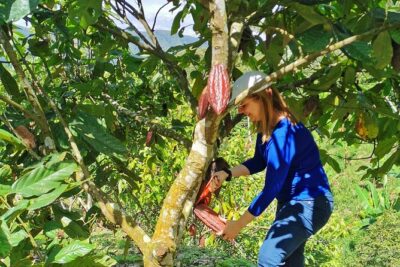
Coffee & Chocolate Private Tour in Medellin: Genuine Experience
Read our review →
Browse the lists this tour appears in