REVIEW · BOGOTÁ TOURS
Anti-tour Bogotá
Bogotá has a rebellious side. This 4-hour Anti-tour Bogotá turns the usual sightseeing script upside down with stories of independence, street culture, and post-conflict peace building. I especially like the hands-on chicha workshop and the fact that the tour goes to places tied to real transformation, not just monuments. One consideration: some stops deal with revolution and Colombia’s conflict history, so the tone can feel heavy even when the mood is warm.
You also get a smart mix of old names and everyday Bogotá life, including a ride on TransMilenio. With a small group capped at 10 and an English-speaking guide, the pace stays human, not rushed. And yes, the snacks matter here, because you taste both chicha and viche as part of the experience.
In This Review
- Key things to know before you go
- Entering Bogotá’s under-stories, not just the postcard version
- Starting at Parque de los Periodistas Gabriel García Márquez
- La Pola (Policarpa Salavarrieta) and independence you can picture
- Chorro de Quevedo Plaza, the chicha workshop, and tradition in your hands
- Getting into La Candelaria, and Manu Chao’s Bogotá influence
- TransMilenio and the Gold Museum stop: seeing the city in motion
- La Trocha Casa de la Paz: viche, crafts, and conversations with former FARC combatants
- The guide experience matters more than you think
- Price, time, and what you truly get for your $42
- What to bring and what the day feels like
- Who should book Anti-tour Bogotá, and who might skip it
- Should you book this Anti-tour Bogotá with Tripcol?
- FAQ
- How long is Anti-tour Bogotá?
- What language is the tour guide?
- Is the group small?
- What food or drinks are included?
- Where does the tour start and end?
- What should I bring for the tour?
Key things to know before you go
- Chicha workshop you actually do, not just watch, with tasting included
- Viche tasting at La Trocha, served with context about ancestral drink traditions
- Manu Chao’s former home in La Candelaria, tied to how his music fed off the city’s streets
- La Pola (Policarpa Salavarrieta) gets real, with a guided stop at her monument
- TransMilenio ride that helps you understand how Bogotá moves
- La Trocha Casa de la Paz arts and crafts market, plus conversations with ex-combatants building peace
Entering Bogotá’s under-stories, not just the postcard version
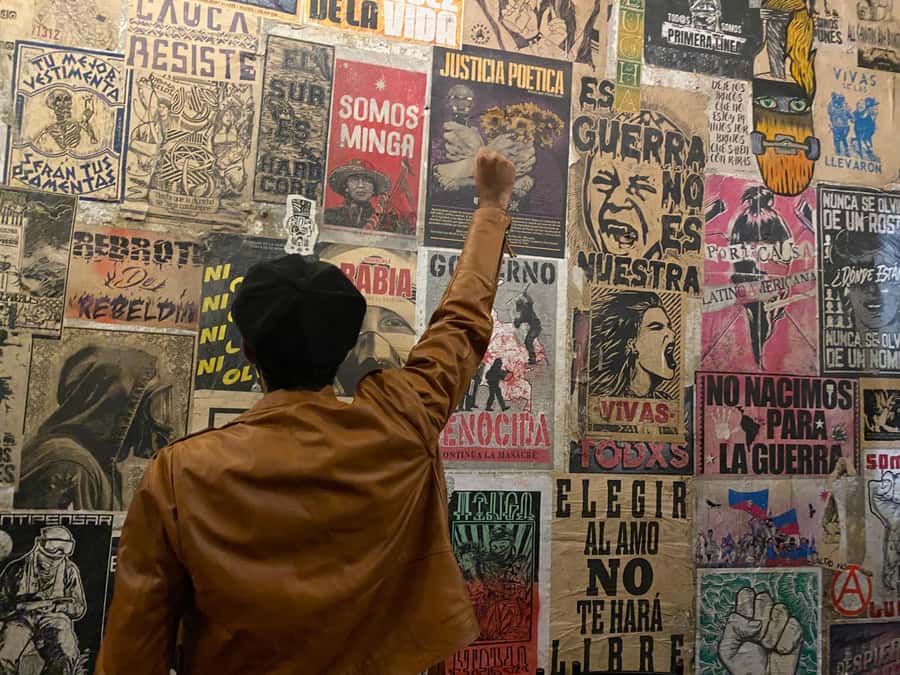
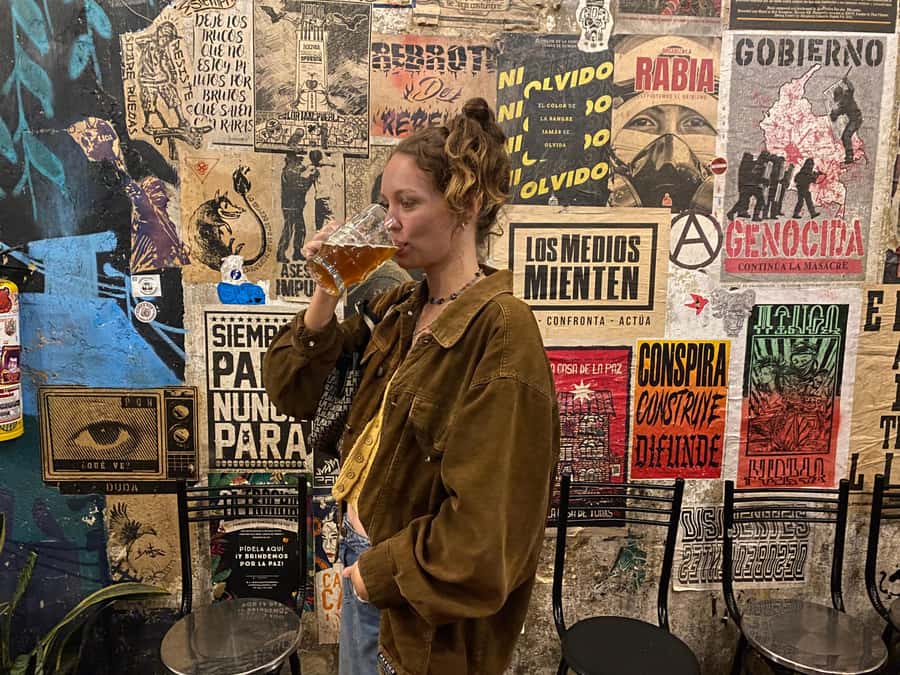
If you only see Bogotá from the viewpoint of museums and main plazas, you miss the city’s pulse. This tour is built around the idea that Bogotá also tells stories through resistance, street art, food traditions, and community rebuilding. You get the kind of context that makes the city feel less like a set of sights and more like a lived place.
What I like most is how food and culture do the teaching. Chicha is not presented like a souvenir drink. It’s taught as an indigenous tradition, with you making and tasting it. Then viche, an ancestral sugarcane spirit, adds another layer to the story about origins, identity, and survival.
The other big plus is the human angle. Stops like La Trocha Casa de la Paz shift the focus from what happened to what’s being built now. Expect personal stories of change, plus arts and crafts, and conversations that land because they come from people shaping daily peace efforts.
More things to do in Bogota:
- Bogotá Bike Tour
★ 5.0 · 3,329 reviews - Bogota: Bicycle City Tour
★ 4.9 · 2,156 reviews - Zipaquirá: Salt Cathedral Group Tour with Pickup
★ 4.8 · 1,606 reviews
Starting at Parque de los Periodistas Gabriel García Márquez
The tour begins around Parque de los Periodistas Gabriel García Márquez, meeting in front of the sign area tied to Bogotá. It’s a practical setup because you can easily orient yourself before you start walking and then start moving through neighborhoods.
From the first minutes, the tone is “guided city walk with meaning.” You’re not just collecting photos, you’re getting the names behind the place, like who La Pola is and why she matters in Colombia’s independence story.
Also, bring the basics. Comfortable shoes are a must, because you’ll be on foot for parts of the route. Add water and sunscreen too, because Bogotá sun can still be strong during the day.
La Pola (Policarpa Salavarrieta) and independence you can picture
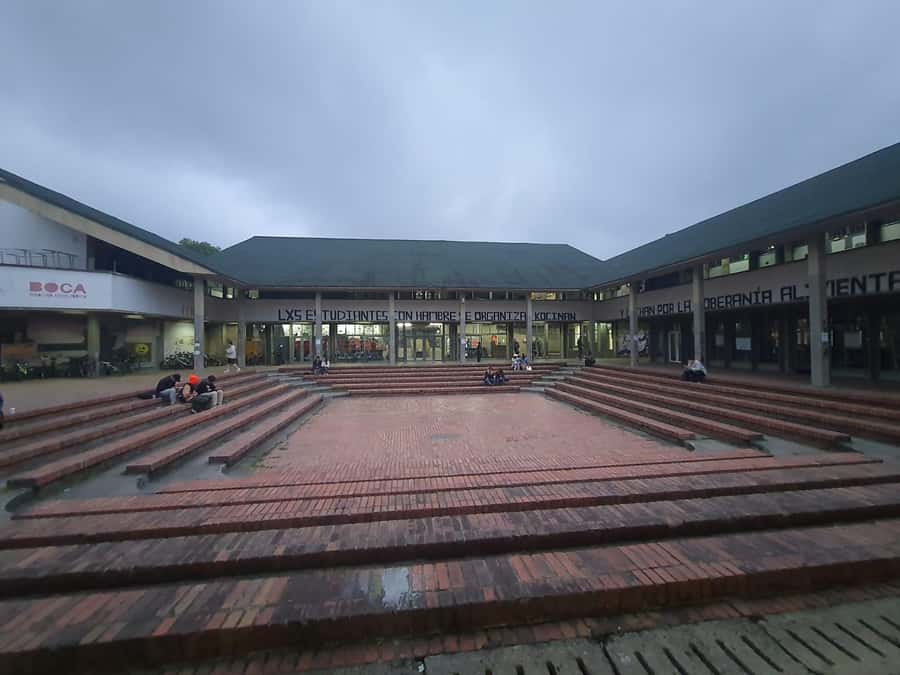
Next you visit the La Pola monument, dedicated to Policarpa Salavarrieta. This stop is short, about 15 minutes, but it works because it’s anchored in a specific person. You’re not handed vague facts. You’re shown how a revolutionary heroine’s bravery became part of Colombia’s independence identity.
The value here is that it gives you a lens for the rest of the tour. When later you hear about resistance and transformation, it’s not random. The story connects back to independence-era courage, then moves forward into modern struggles and rebuilding.
If you like historical context that stays connected to real places, this fits your style. If you only want big-ticket sights, you might wish for more time at the monument itself, but the tour’s strength is keeping momentum so the story unfolds across multiple neighborhoods.
Chorro de Quevedo Plaza, the chicha workshop, and tradition in your hands
Chorro de Quevedo is where the tour slows down into something tactile. You spend about 1.5 hours here, and it’s a guided visit plus the hands-on chicha workshop.
This is one of the stops you’ll remember, because you don’t just get a description. You learn how to make chicha, a traditional indigenous corn brew, then you taste what you helped create. That matters. Food history is usually told secondhand, but here you’re doing the work, then tasting the result.
The tour also frames chicha as a bridge between eras. It highlights the clash between modern life and older traditions, and you feel that tension in the way people talk about keeping identity alive while the world changes around them.
Practical note: you’ll want to dress for work, not just for photos. The workshop is hands-on, so expect you may get a little messy. Comfortable shoes and water help you stay focused.
Same city, a completely different day:
- La Candelaria, Monserrate and Museums Bogotá Private City Tour
★ 5.0 · 1,567 reviews - Shared Tour of the Historic Candelaria in Bogotá
★ 5.0 · 1,551 reviews - Bogotá: Guided La Candelaria Walking Tour
★ 4.8 · 1,229 reviews - Graffiti Tour: a fascinating walk through a street art City
★ 5.0 · 1,074 reviews
Getting into La Candelaria, and Manu Chao’s Bogotá influence
After the chicha moment, the tour heads into La Candelaria for a deeper cultural stop: the former home of Manu Chao. This visit is included, and it connects music to place in a way most typical Bogotá tours skip.
The point here is not celebrity trivia. It’s about inspiration and street culture. You learn how Manu Chao found energy in Bogotá’s streets and how time spent here left a mark on the city’s cultural scene. Even if you’re not a superfan of his work, it’s a strong example of how artists absorb local realities and then reflect them back through art.
One reason I like this stop is that it adds balance. The tour has political themes, but the Manu Chao house visit puts culture back in the center. It reminds you that resistance is also expressed through lyrics, performance, and everyday creativity.
TransMilenio and the Gold Museum stop: seeing the city in motion
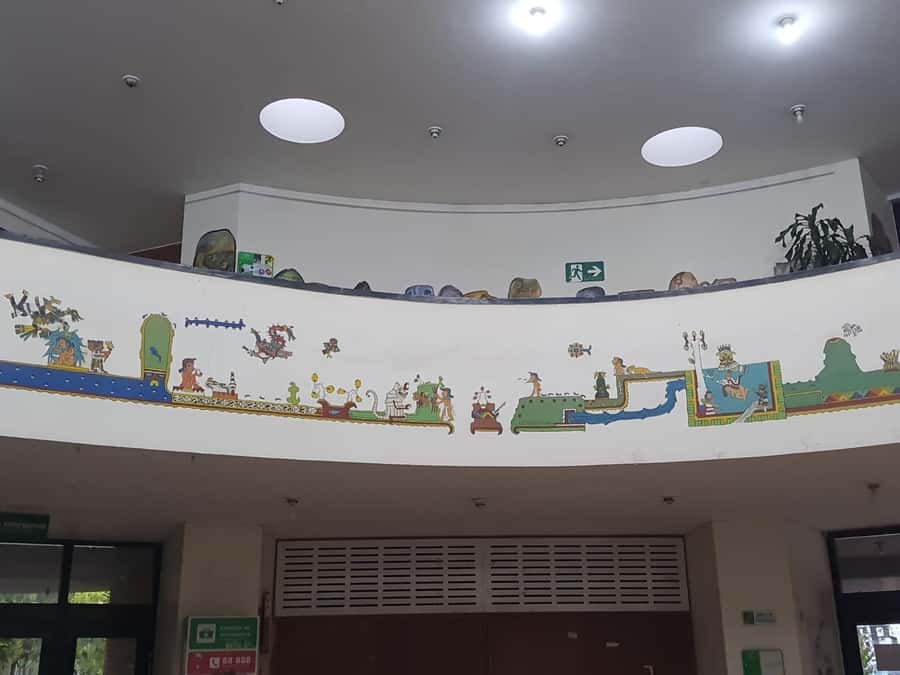
Next you ride TransMilenio as part of how the day is structured. The tour includes a guided stop connected to the Gold Museum, with about 30 minutes there.
This combination is useful. TransMilenio is one of the most obvious symbols of modern Bogotá, and the Gold Museum adds a different angle on heritage. Together, they help you understand how Bogotá holds both international-level identity and local historical depth in the same day.
The route also includes a short public transport segment of about 12 minutes. That keeps the experience from turning into a long, tiring walking-only day. In practice, it means you can absorb the story stops without your feet calling for backup.
If you get nervous about public transport, the tour’s small group and guide-led approach helps. Still, you’ll feel Bogotá as a living city, not a controlled museum route.
La Trocha Casa de la Paz: viche, crafts, and conversations with former FARC combatants
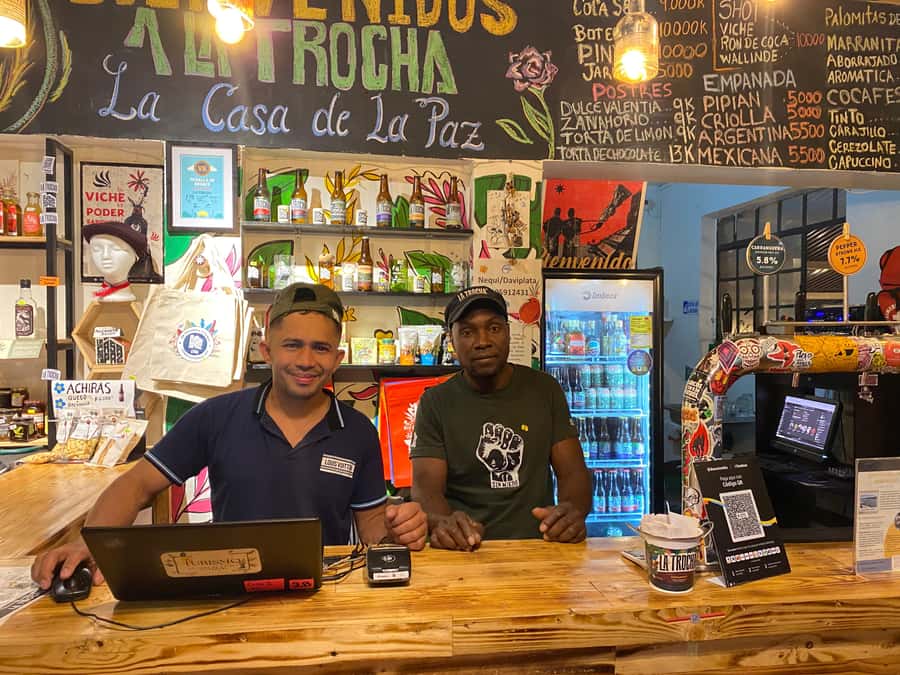
The big emotional and philosophical centerpiece is La Trocha, La Casa de la Paz. You’ll spend about 80 minutes there, and it’s where the tour’s name starts making sense in a practical way.
La Trocha is described as a space run by former FARC combatants who have transformed their past into a mission for peace. In other words, this is not a lecture. It’s a place where you meet people who are trying to build something different now.
You taste viche, an ancestral sugarcane spirit. The tasting is included, but the key is the context. Viche is tied to roots and tradition, and the guide connects the drink to identity and survival culture, not just flavor.
You’ll also have time for the arts and crafts market visit. This is where the tour leans into lived creativity, with local artisans producing crafts and people sharing messages through performance. One review highlight that I think matches the atmosphere is the idea of a safe space where poets and performers speak their messages, which makes the stop feel more like a community exchange than a tourist transaction.
Possible drawback? This part can feel more serious than the rest of the day. If you’re traveling with someone who wants only light entertainment, this stop might be challenging. If you’re curious about Colombia beyond headlines, it’s the heart of the tour.
The guide experience matters more than you think
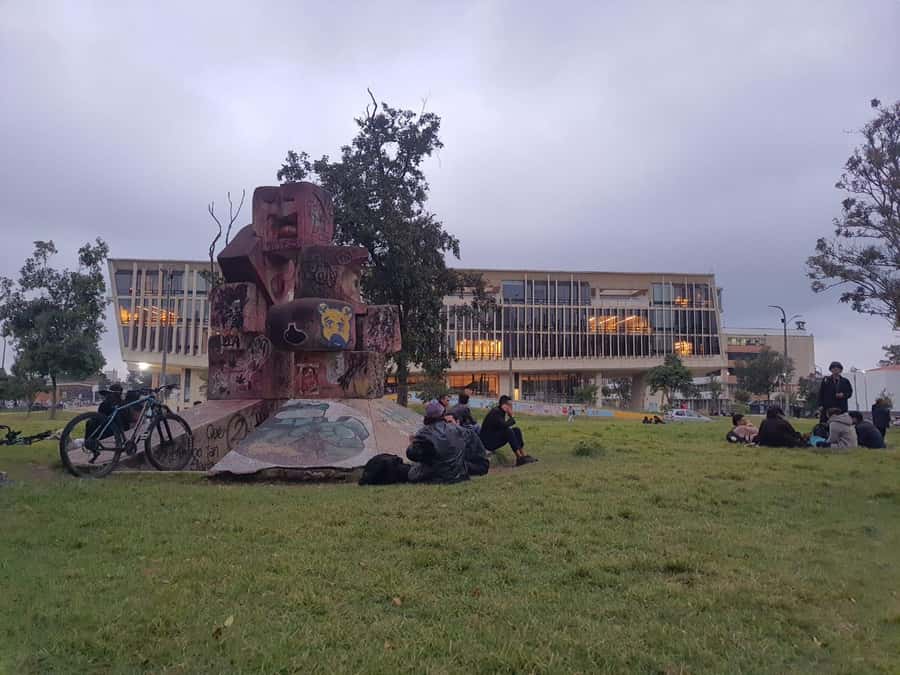
This tour rides on the quality of the guide, and the experiences tied to Andrés and Michael stand out in the feedback. You want someone who can explain complex topics without turning them into a blur, and who can keep the tone inclusive and respectful.
In practice, a good guide makes the small stops connect. The La Pola monument becomes more than a photo. Chorro de Quevedo becomes more than a plaza stop. And La Trocha stops being a “place you visit” and becomes a chance to understand how peace building can take creative, everyday forms.
Also, the tour is small group size, limited to 10, and that’s a real quality-of-life detail. You get room for questions, and the guide can manage pacing without turning you into a human traffic line.
Price, time, and what you truly get for your $42
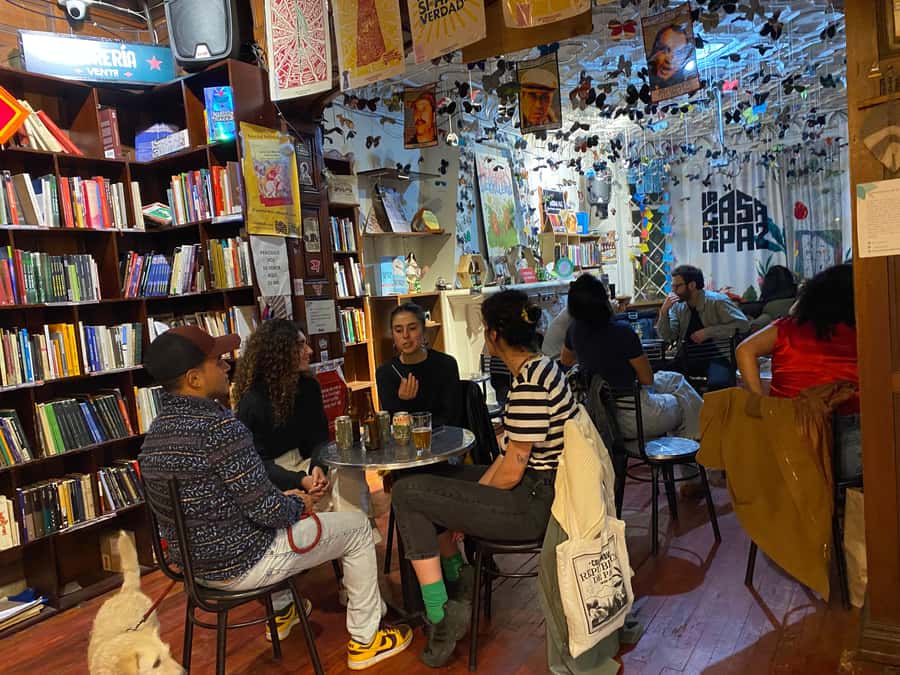
At $42 per person for a 4-hour experience, the value is strongest because multiple inclusions remove the usual add-on hassle.
You get:
- the hands-on chicha workshop and tasting
- viche tasting
- entrance to Manu Chao’s former home
- guided historical-site visits
- time at La Trocha Casa de la Paz with arts and crafts
So your money is buying access plus context. You’re not paying only for someone to point at buildings. You’re paying for structured learning through food, culture, and conversation, in a compact half-day.
The other quiet value is group size and language. It’s an English live tour guide, which matters when you’re dealing with themes like revolution history and post-conflict transformation. If you’re spending money in a new country, make sure it comes with clarity.
What to bring and what the day feels like
For this tour, pack like you’re out for a focused half-day with hands-on stops.
Bring:
- comfortable shoes
- hat
- camera
- sunscreen
- water
The day moves across neighborhoods, with a mix of walking and short transit segments. The workshop adds the chance of a messier experience than a typical plaza stop, so dress for comfort.
Expect a blend of emotions too. Independence-era storytelling is followed by tradition through food, then modern city life on TransMilenio, then serious peace-building conversations at La Trocha. You’ll likely end the day with more questions than you started with, in the best way.
Who should book Anti-tour Bogotá, and who might skip it
This tour is a great fit if you want Bogotá with a point of view. Choose it if you like tours that connect history to how people live now, and if you’re interested in indigenous traditions and ancestral drinks like chicha and viche.
It’s also a strong pick for food-and-culture travelers who don’t want a meal that feels like a tourist performance. The chicha workshop is hands-on, so it feels like participation, not consumption.
You might skip this one if you want only famous sights with minimal emotional weight. The tour is about resistance, revolution, and resilience, and even when the atmosphere is welcoming, the subject matter is real.
Should you book this Anti-tour Bogotá with Tripcol?
If you’re the type of traveler who gets restless after a checklist of top attractions, book it. This is one of those half-day tours that changes how you read the city. The pairing of chicha making, viche tasting, and a visit to Manu Chao’s former home gives you culture, not just politics. Then La Trocha brings in the peace-building reality in a way that feels personal.
My decision rule is simple: if you want Bogotá to feel human and layered, this tour is worth your time. If you only want light sightseeing, pick a more relaxed option instead.
FAQ
How long is Anti-tour Bogotá?
The tour lasts about 4 hours.
What language is the tour guide?
The tour is guided in English.
Is the group small?
Yes. The group is limited to 10 participants.
What food or drinks are included?
You get a hands-on chicha workshop with chicha tasting, and you also get viche tasting.
Where does the tour start and end?
It starts at Parque de los Periodistas Gabriel García Márquez and ends at La Trocha, La Casa de la Paz.
What should I bring for the tour?
Bring comfortable shoes, a hat, a camera, sunscreen, and water.
Hot off the list in Bogota
- Catedral de Sal desde Bogotá en Tren★ 5.0 · 5 reviews
- Tour of Zipaquirá: Visit the Salt Cathedral and the main squares★ 4.5 · 55 reviews
- Zipaquirá and Salt Cathedral Muisca Heritage with Guide – Private★ 4.5 · 23 reviews
- Zipaquira Salt Cathedral★ 5.0 · 4 reviews
- LOCAL GUIDE Zipaquirá PRIVATE TOUR – Salt Cathedral and Salt Oven★ 5.0 · 24 reviews
- Zipaquirá Salt Cathedral: An architectural wonder.★ 4.5 · 24 reviews
- Private Zipaquira Salt Cathedral and Guatavita Lagoon Tour from Bogota★ 4.5 · 44 reviews
- Zipaquira Salt Cathedral★ 4.5 · 12 reviews
Bogotá Tours, compared.
La Candelaria, Monserrate and Museums Bogotá Private City Tour
Read our review →
Shared Tour of the Historic Candelaria in Bogotá
Read our review →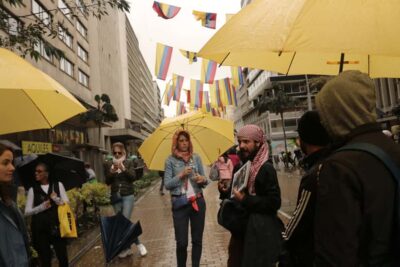
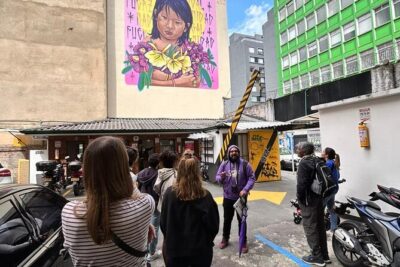
Graffiti Tour: a fascinating walk through a street art City
Read our review →