
REVIEW · NATIONAL PARKS
Birdwatching, Nature & photography in Sumapaz National Park
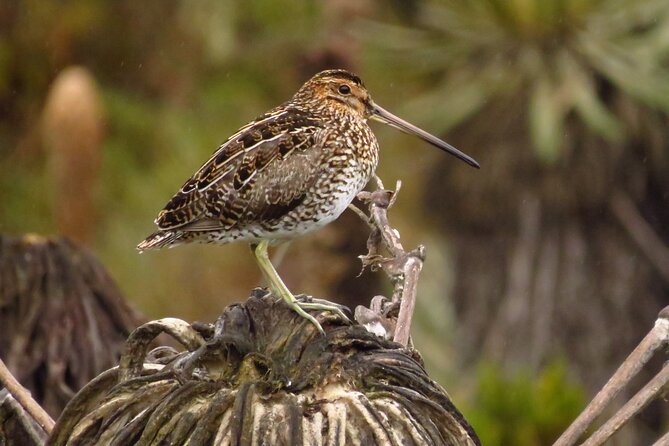
Páramo birds start before sunrise, and that early start is part of the magic of this Sumapaz National Park day. You get guided birdwatching in the world’s largest páramo, at 2,800 to 3,200 meters, where the air can be chilly and the bird sounds feel otherworldly. I love that the focus stays practical and bird-first, with a guide helping you locate tricky species, not just drive past them.
Another thing I really like is the small group size (max 6), which means you can actually hear what your guide is saying, and you’re not stuck watching through a crowd. Guides you might meet include Camilo Orjuela, Leon Sanchez, and Oswaldo Cortez, and people consistently praise their ability to find hard-to-see endemics.
One drawback to plan for: weather and visibility can swing fast up in the páramo, so you need to accept cold, wind, and sometimes wet fog. And yes, some of the birds that make this place famous can be tough to photograph at the moment you want.
In This Review
- Key highlights at a glance
- Why Sumapaz feels like a different world
- 5:00 am logistics that actually make sense
- The day’s rhythm inside Sumapaz National Park
- Species you actually come for, and why guides matter
- Weather and altitude: what to pack and what to expect
- Where lunch fits, and how food supports a long birding day
- Photography pointers for frailejones and small, shy birds
- Who should book this Sumapaz birdwatching day
- Is $370 good value for this day trip?
- Should you book this Sumapaz birdwatching tour?
- FAQ
- What time does the Sumapaz birdwatching tour start?
- How long is the tour?
- Where does the tour go?
- Is pickup from Bogotá hotels included?
- Is lunch provided?
- What’s included for drinks?
- How many people are in the group?
- What language is the tour offered in?
- Is admission included?
- Is free cancellation available?
Key highlights at a glance
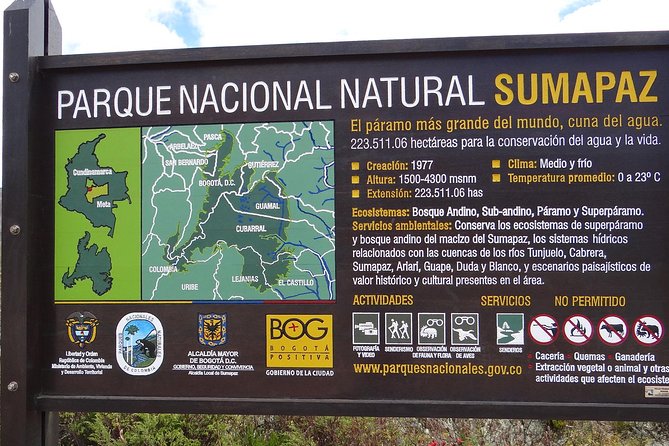
- World’s largest páramo (Páramo de Sumapaz) with glacial lagoons and a big water impact for Colombia
- Endemic bird targets like Apolinar’s Wren and Green-bearded Helmetcrest (often a top reason to go)
- Birding from the road, so you can enjoy the day without heavy hiking
- Early 5:00 am start plus breakfast on the way keeps momentum high
- Guide skill with calling and spotting, which makes the difference with shy birds
- Photo-friendly conditions when the day clears, especially around Espeletia (frailejones)
Why Sumapaz feels like a different world
Sumapaz National Park sits close enough to Bogotá to make a day trip real, about one and a half hours away, but the altitude changes everything. At roughly 2,800 to 3,200 meters, you’re in two key mountain ecosystems: the páramo and Andean forest bands. That mix matters because it creates different habitats in a relatively short drive, which is exactly what you want for birdwatching.
The páramo itself is the headline: it’s described as the largest in the world, and it holds lagoons of glacial origin. Those water sources are important for the country, so this isn’t just a scenic stop. It’s an ecosystem that has a job to do, and that job shapes the plants, the humidity, and the birds you’ll encounter.
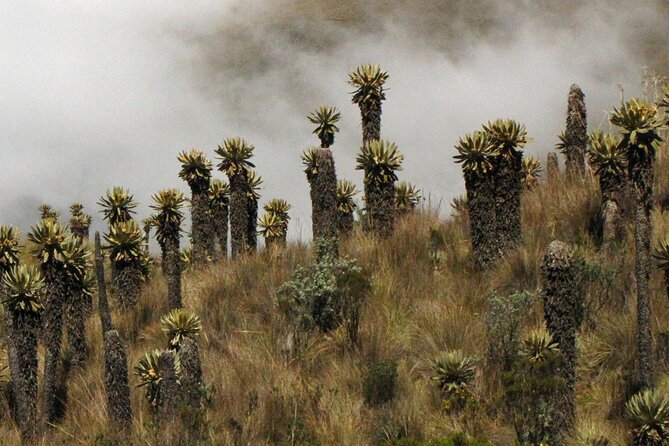
You’ll also hear about Espeletia, the famous frailejones. Even if you’re not a plant person, you’ll understand why people photograph them. They form a visual identity for the páramo, and they create feeding and perching spots that support hummingbirds and other small birds.
What makes this day worth it is that you get to experience that “from the road” birdwatching style while still feeling like you’re in a major natural area, not a quick roadside stop.
More Bird Watching Tours in Bogota
- Bird watching in Bogota wetlands with Bakata Bird
★ 5.0 · 29 reviews - Birdwatching day in Chingaza and Observatorio de Colibries
★ 5.0 · 23 reviews - Hummingbird Birdwatching Encounter – Half Day
★ 4.5 · 22 reviews
5:00 am logistics that actually make sense
Start time is 5:00 am, and this is not random. You’re leaving early to beat traffic, manage the long day, and give you the best chance at birds while the morning is calm and visibility is at its best. In the reviews, people note that it can be cold, breezy, and even wet, so the early hour often comes with clouds or wind. That’s normal here.
Transfers are handled with round-trip pickup from many Bogotá hotels, plus private transportation. The tour also includes breakfast, coffee or tea, bottled water, and soda or pop, so you’re not hunting for snacks halfway through the day.
Group size is limited to 6 travelers max, and that’s a real quality factor. In birdwatching, the issue is rarely “no birds,” it’s “you can’t see them because everyone is bunched up.” A small group helps you spread out just enough to get clean views and to follow your guide’s pointing, calling, and scanning.
The tour is offered in English, and you’ll get a mobile ticket. If you’re sensitive to getting ready too early, plan your night before: layers ready, camera charged, and a decent snack packed in case you’re someone who wakes up slow.
The day’s rhythm inside Sumapaz National Park
The tour’s main stop is Parque Nacional Natural Sumapaz, and the experience is built around a long stretch of birdwatching, not a busy checklist of multiple locations. With an 8 to 10 hour total duration, you’ll have time to settle into the environment and let your guide work the spots.
You’ll arrive at páramo altitude, where the terrain is described as not ideal for hiking. Instead of long walks, birding happens from the road. That can feel limiting if you’re expecting trails, but it’s also practical. You’ll spend your energy on scanning and listening, which is where birdwatching at altitude often pays off.
Expect a rhythm like this:
- You move through the park areas by vehicle.
- You pause at positions where the birds are likely to show.
- Your guide uses calls and knowledge of bird behavior to pull species into view.
- You take breaks for food and warmth when needed.
Reviews repeatedly note that visibility can be excellent on clear days. When it’s clear, the view range helps, especially for raptors and larger birds. When it’s foggy or wet, your guide’s skill becomes even more important, because you’ll rely more on sound, motion, and quick direction changes.
This is one of those experiences where the day can feel both simple and intense: simple because you’re not hiking, intense because you’re constantly watching for the next moment.
Species you actually come for, and why guides matter
Sumapaz is known for endemics and high Andean birds, and the tour highlights a wide range of possible species. You might see Tawny Antpitta, Pale-bellied Tapaculo, Silvery-throated Spinetail, Red-rumped Bush-Tyrant, Red-crested Cotinga, Black-chested Buzzard Eagle, Many-striped Canastero, Andean titi spinetail, Chestnut-winged Cinclodes, Plain-capped Ground-Tyrant, and Andean Ruddy Duck, among others.
But the real star targets people chase here are the endemics, especially:
- Apolinar’s Wren: often linked to the reputation of Sumapaz, and it can be loud, but not always easy to see well.
- Green-bearded Helmetcrest: a hummingbird endemic to the area, commonly associated with feeding activity.
One reason the guiding matters is that some of these birds can be both present and hard to photograph. The hummingbirds can move quickly and perch in ways that are difficult if you’re not already in the right place with the right timing. Antpittas, on the other hand, are famous for being secretive. You may hear them more than you see them unless your guide can locate the spot where they tend to respond.
In reviews, people credit guides like Camilo Orjuela and Oswaldo Cortez for calling and spotting skills that lead to real sightings and even successful photos. That’s a big difference between “birdwatching” and “birdwatching with results.”
Also, don’t go in expecting everything on the list. Part of the value is that the guide adjusts in real time. If one target isn’t cooperating that day, you’ll typically still get other good species as conditions shift.
A useful mindset: you’re visiting a working páramo ecosystem. Birds live there, they aren’t a show. Your job is to stay ready, and your guide’s job is to find the moments when the birds decide to show themselves.
More National Parks in Bogota
- From Bogotá: Chingaza National Park Eco Tour
★ 4.7 · 28 reviews - Chingaza National Park Day Tour from Bogotá: Andean Wilderness
★ 4.0 · 14 reviews - Bogotá: Sumapaz National Park Hike Tour
★ 4.9 · 13 reviews - Birding & Nature to Chicaque Cloud Forest Nature Reserve
★ 5.0 · 11 reviews
Weather and altitude: what to pack and what to expect
Up here, layers are not optional. Multiple reviews describe conditions like cold, wind, and wet weather, even when the day is otherwise fantastic. Fog and drizzle can show up, and your visibility can change hour to hour.
So pack like this:
- Warm layers you can add or remove quickly
- A waterproof outer layer if rain is possible
- Gloves or something for hands if you plan to hold a camera for long stretches
- Comfortable footwear for standing around and quick stops
- A lens cloth or small towel for mist
The terrain is mostly road-based, so you’re not battling steep trails. Still, you’ll be spending hours at altitude, and that can be tiring even when you’re not hiking.
One more practical note: in cold weather, cameras and batteries lose power faster. Keep your spare battery warm, ideally inside your outer layer pocket.
If the day is foggy, don’t treat it as a failure. It can reduce distance visibility, but it can also bring the world closer. You might spot birds sooner because the contrast shifts. Your guide will know how to adjust their scanning for the conditions.
Where lunch fits, and how food supports a long birding day
This tour includes lunch, plus coffee and/or tea, breakfast, and drinks like bottled water and soda or pop. That matters more than it sounds. Birdwatching at altitude is slow, stop-and-go, and chilly. If you’re hungry, your attention drops, and that’s exactly when you might miss a movement in the grass, a hummingbird dart, or a quick perch change.
Reviews mention lunch happening at a small reserve area near Bogotá, described as Reserva Chiguaza with hosts named Daniel and Luis. Even if the exact lunch stop varies, the key idea is consistent: you’re not left to figure out food logistics. You’re kept fed and moving, with time to warm up before the afternoon birding.
One practical perk is that breakfast happens on the way. That means you’re not waiting until you arrive at the park to eat. You’re already fueled and alert for the first good birding windows.
If you’re the type who runs on coffee, this tour supports that with coffee or tea. If you’re more of a snack person, stick to the provided meals and drinks, and consider bringing a small personal snack only if you know you need it.
Photography pointers for frailejones and small, shy birds
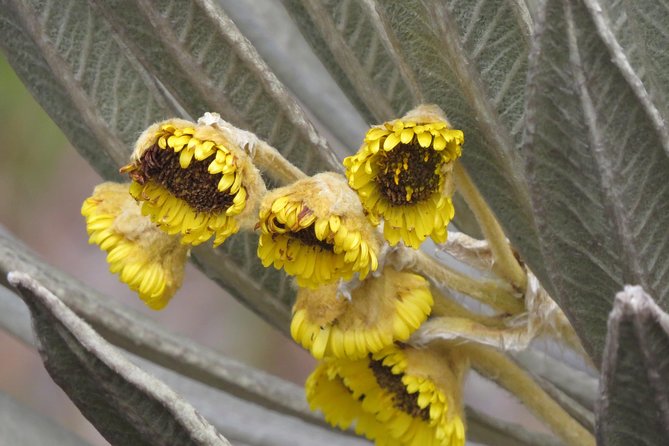
If you’re planning to bring a camera, Sumapaz can be rewarding, especially for close-up nature moments and wider ecological views around the frailejones. The important part is working with the reality of bird behavior.
A few practical tips based on how birding works here:
- Expect short bursts, not long, steady posing. Hummingbirds and smaller songbirds can appear, feed, then vanish quickly.
- For antpittas and other difficult species, your best shot often comes when your guide has you at the right place and time, and when you stay patient.
- If it’s cold, your hands will feel stiff. Give yourself time to let your gear settle and avoid rapid changes in focus and settings you’ll regret later.
On clear days with good visibility, you may get strong views of raptors and larger birds. On foggy days, your focus shifts to near-field action, plants like Espeletia, and any bird movement that breaks through the mist.
Also remember that the terrain is not about long hikes. Your “photo walking” is limited, so you’ll rely more on changing positions along the road and on careful waiting. That’s good for photography because it reduces the constant fatigue that ruins shots.
If you want a photo day that feels more about technique and timing than about trekking, this tour fits that style.
Who should book this Sumapaz birdwatching day
This is a great fit if:
- You want to birdwatch without committing to strenuous hiking
- You care about high Andean páramo ecology, not just a generic nature outing
- You’re chasing endemics or at least want serious chances for them
- You prefer a guided day with an emphasis on spotting and calling
It may be less ideal if:
- You’re expecting lots of trail time and big walking views
- You dislike cold, wind, and possibly wet weather at altitude
- You need guaranteed close-up photos of every target species, because birds still choose when to show
The tour description says most travelers can participate, which lines up with the road-based format. Your main challenge is weather and time, not fitness.
Is $370 good value for this day trip?
At $370 per person, you’re paying for a full day with early transport, a guide who knows bird locations and calls, and included meals and drinks. You’re also getting a small group cap, which usually costs more than a big group format.
The value piece is this: Sumapaz birdwatching is not just about being in a pretty place. It’s about finding species that can be hard to spot, especially endemics and birds that respond to calls. Your guide’s effectiveness directly impacts your chances of real sightings, not just distant silhouettes.
Add in that admission and private transportation are included, plus breakfast and lunch, and the cost becomes easier to justify compared to piecing together a similar day on your own. If you’re already paying for guide time, transport, and food separately, this package is often the simpler way to go.
If you’re on a tight budget, look at whether you’ll actually use the guide’s spotting and calling. If you’ll be wandering on your own without that help, you may not feel the same value.
Should you book this Sumapaz birdwatching tour?
Book it if you want a serious shot at páramo birds near Bogotá, with a guide team that people credit for finding endemics like Apolinar’s Wren and Green-bearded Helmetcrest. The small group limit, the included meals, and the early 5:00 am start make it a day that runs well, not a half-day that fizzles.
Skip it if you hate cold mornings, want lots of hiking, or need guaranteed photos. The day can be wet and foggy, and birdwatching is always partly luck.
My practical call: if birding is your priority and you can handle layers, this is one of the smarter ways to spend a day in Colombia’s high Andean world, without turning it into a logistics puzzle.
FAQ
What time does the Sumapaz birdwatching tour start?
The start time is 5:00 am.
How long is the tour?
It runs about 8 to 10 hours.
Where does the tour go?
The tour focuses on Parque Nacional Natural Sumapaz.
Is pickup from Bogotá hotels included?
Yes. Round-trip transfers are included from many Bogotá hotels, and private transportation is part of the tour.
Is lunch provided?
Yes. Lunch is included, along with breakfast.
What’s included for drinks?
You’ll have bottled water and soda or pop, plus coffee and/or tea.
How many people are in the group?
The maximum group size is 6 travelers.
What language is the tour offered in?
It is offered in English.
Is admission included?
Yes. Admission ticket is included.
Is free cancellation available?
Yes. You can cancel up to 24 hours in advance for a full refund. If you cancel less than 24 hours before the experience start time, the amount paid is not refunded.
More Photo Tours in Bogota
- Historical and Photography Tour in Bogota
★ 5.0 · 7 reviews - Botanical Garden José Celestino Mutis Photo Tour in Bogota
★ 5.0 · 6 reviews - Photography in Bogotá Private Tour. (6 Hrs.)
★ 5.0 · 5 reviews - From Medellín: Paragliding Tour with GoPro Photos & Videos
★ 4.9 · 1,210 reviews
Hot off the list in Bogota
- Zipaquirá and Salt Cathedral Muisca Heritage with Guide – Private★ 4.5 · 23 reviews
- Catedral de Sal desde Bogotá en Tren★ 5.0 · 5 reviews
- Tour of Zipaquirá: Visit the Salt Cathedral and the main squares★ 4.5 · 55 reviews
- Zipaquira Salt Cathedral★ 5.0 · 4 reviews
- LOCAL GUIDE Zipaquirá PRIVATE TOUR – Salt Cathedral and Salt Oven★ 5.0 · 24 reviews
- Zipaquirá Salt Cathedral: An architectural wonder.★ 4.5 · 24 reviews
- Private Zipaquira Salt Cathedral and Guatavita Lagoon Tour from Bogota★ 4.5 · 44 reviews
- Zipaquira Salt Cathedral★ 4.5 · 12 reviews
National Parks, compared.

UTV Safari in a Wildlife-Filled Nature Reserve Near Cartagena
Read our review →

Tayrona National Park: Scuba Diving Tour for Beginners
Read our review →
Chingaza National Park Day Tour from Bogotá: Andean Wilderness
Read our review →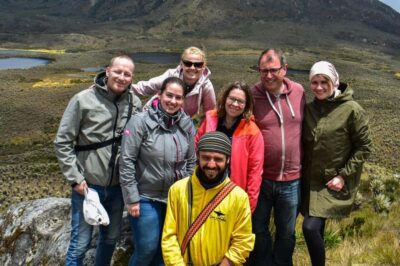
Birding & Nature to Chicaque Cloud Forest Nature Reserve
Read our review →Browse the lists this tour appears in