
REVIEW · NATIONAL PARKS
UTV Safari in a Wildlife-Filled Nature Reserve Near Cartagena
Parrots, progress, and UTVs in one morning. At Fundación Loros, a 1,300-acre tropical dry forest sanctuary near Cartagena, you get a real sense of how wildlife recovery works, starting with a breakfast by the lake and a guided bird-rehab talk.
I especially like that the morning stays mission-focused, not like a zoo visit. You’ll learn about parrot and macaw rehabilitation, and you’ll do meaningful activities that connect you to the rescued birds’ recovery process.
One consideration: wildlife sightings are never guaranteed in free-ranging habitat. Depending on timing, weather, and animal behavior, you might not see as many species or individuals as you hoped, even though the staff is doing great work.
In This Review
- Key highlights you should know
- Fundación Loros: a dry forest sanctuary you can feel in 4 hours
- Breakfast by the lake and the rehab talk that sets the tone
- Helping with bird feeding prep, with real rehab rules
- The Pioneer 700 UTV safari: forest tracks, birdwatching stops, and the climb
- Harvesting cassava and papaya with local farmers
- Panoramic summit views and the joy of spotting wildlife
- Planting a native tree: your lasting contribution
- Price and value: what you pay for, and what you need to plan
- Practical fit: who this UTV safari suits (and who should think twice)
- Getting there from Cartagena: easy options, real time cost
- Should you book Fundación Loros UTV safari?
- FAQ
- How long is the UTV safari at Fundación Loros?
- What meals are included?
- Do I get to feed or touch the animals?
- Is transportation from my hotel included?
- What physical fitness level do I need?
- What is the cancellation policy?
Key highlights you should know

- Fundación Loros is a real rehabilitation center, not a zoo, with trained staff running the experience
- Hands-on bird-care support includes helping prepare and deliver food, with strict no-touch, no-feeding rules for animals
- UTV safari through the reserve on Pioneer 700 vehicles, including a climb toward panoramic viewpoints
- Local farming stop to harvest cassava and papaya and learn about sustainable, traditional practices
- You plant a native tree to contribute to regeneration in a fragile ecosystem
- Small-group feel and strong guides, including biologists like Paulina, plus guides named Lili and Alberto in some groups
Fundación Loros: a dry forest sanctuary you can feel in 4 hours
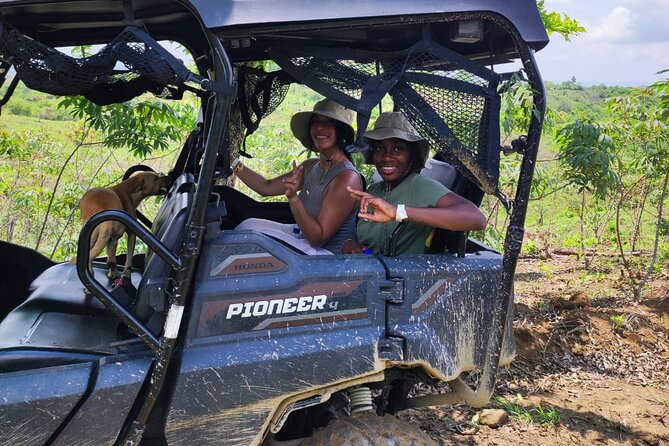
This is a half-day adventure that mixes adrenaline with purpose. The setting is a tropical dry forest sanctuary called Fundación Loros, spread across 1,300 acres, where wildlife recovery is the main event and tourism is the side effect. The vibe is calm at first, then it turns into dust, engine noise, and big sky views as you explore the property.
The reserve is also near public transportation, but the key detail is how different it feels from the usual Cartagena routine. You trade city traffic for a living ecosystem and guided stops tied to the foundation’s mission.
If you’re the type who likes to understand what you’re supporting, you’ll appreciate the center’s focus on rehab and release. And if you’re here for animals plus a fun ride, the UTV portion gives you that physical, see-it-now momentum that makes the morning fly by.
Other Caribbean Coast plans worth lining up:
- Tour 5 islands of the rosary with drinks included
★ 4.5 · 54 reviews - Walking tour of the magical city of Cartagena.
★ 5.0 · 46 reviews - UTV Thrills & Horseback Ride at Wildlife Paradise Near Cartagena
★ 5.0 · 44 reviews
Breakfast by the lake and the rehab talk that sets the tone
Your day starts with breakfast at the sanctuary. Based on what’s been described, it’s not just a quick snack, it’s a proper start that includes typical breakfast items such as omelet, plantain, fruit, and coffee, and it happens in a bird-filled setting near the lake. Expect birdsong around you as you settle in, which is a nice mental switch from the city.
Right after you eat, you’ll hear from expert biologists about parrot and macaw rehabilitation. This part matters because it explains what you’re seeing later. You’re not just spotting animals in scenery. You’re learning how rescued birds are cared for, how recovery schedules work, and what release into natural habitat means in practice.
In some groups, the guide is Paulina, a biologist who shares the goings-on in clear English. In other groups, guides like Lili and Alberto show up, and the common theme is the same: they’re passionate, and they connect the science to real outcomes for the birds.
Helping with bird feeding prep, with real rehab rules
One of the most praised parts of this experience is the way it gives you a role in the rehab workflow without putting you in the middle of wildlife handling. The rules are clear: the activity is guided by trained staff in a rehabilitation center, and you do not feed or touch the animals.
What you will do is help prepare and deliver food to rescued birds. That can include tasks like preparing trays, and then following the staff process as food reaches birds as part of their recovery routine. It’s a subtle but important difference. Instead of a hands-on petting vibe, you get a behind-the-scenes look at how care is structured.
This is also where you can feel the difference between a rehab center and a typical animal attraction. The goal is release back into the wild when possible, not keeping animals on display. Many people describe this as heartwarming because you see the animals in a safe environment while still being linked to their future in their natural habitat.
If you’re an animal lover, this setup tends to hit the sweet spot between education and action. You leave feeling like your time mattered, not like you just took photos.
The Pioneer 700 UTV safari: forest tracks, birdwatching stops, and the climb
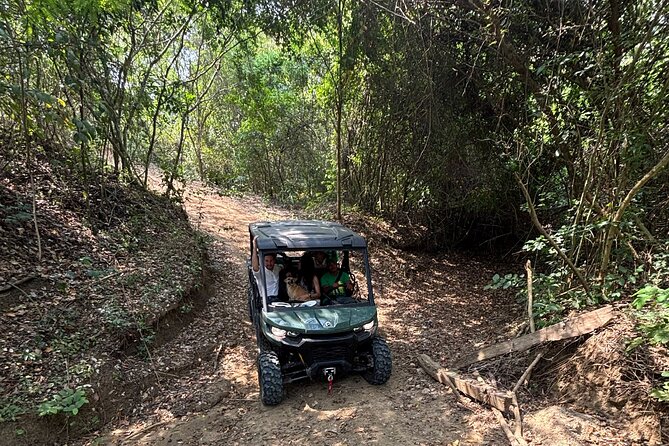
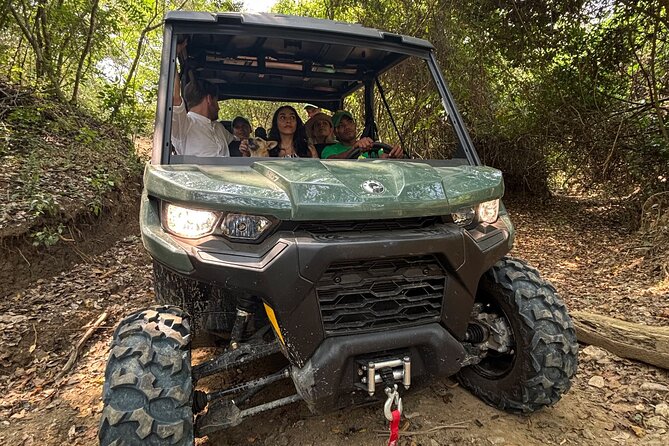
After the rehab portion, you head out on a Pioneer 700 UTV for a wildlife-filled exploration of the reserve. This part is the engine-powered highlight for anyone who wants movement, views, and a change of scenery every few minutes.
The tour is guided, and you’re meant to spot native wildlife along the way, including parrots and monkeys, as you ascend toward a panoramic summit. The route is inside the sanctuary, so the focus stays on habitats and animals rather than city driving.
A few practical notes from the way people describe the day:
- The ride can be bumpy. You’ll want to be comfortable in an active outdoor setting.
- Wildlife spotting depends on the day. Even when sightings are limited, you’ll still get a guided look at the reserve and its natural rhythms.
- Guides often build in stops for birdwatching, so you’re not stuck blasting through the whole thing without breaks.
Also, you’ll likely hear talk about rehabilitation and release schedules again during the ride, because the landscape you’re moving through connects back to the animals’ natural ecosystem. For many visitors, that continuity is part of why the day feels more meaningful than a standard excursion.
A few more Caribbean Coast plans worth comparing
- From Santa Marta: Tayrona National Park Guided Tour
★ 3.8 · 131 reviews - From Bogotá: Chingaza National Park Eco Tour
★ 4.7 · 28 reviews - Tayrona National Park: Scuba Diving Tour for Beginners
★ 5.0 · 16 reviews - Cartagena: Aviary National Park Tour with Hotel Pickup
★ 4.8 · 14 reviews
Harvesting cassava and papaya with local farmers
One of the smarter surprises here is the agriculture stop. You’ll harvest cassava and papaya with local farmers, then learn about sustainable practices rooted in tradition.
This isn’t just a photo opportunity. It’s a reminder that conservation is not only about animals. In dry tropical forests, people and land management are part of how the ecosystem survives. When you understand how food production and land use connect to long-term habitat health, the tree planting at the end feels less like a souvenir and more like a piece of a bigger plan.
People also talk about the warmth of the families and farmers you meet. That social factor matters because it changes the day from a scripted checklist into a human experience: you’re welcomed, you work briefly, you learn, and you leave with a better sense of how the sanctuary sits inside the local community.
Panoramic summit views and the joy of spotting wildlife
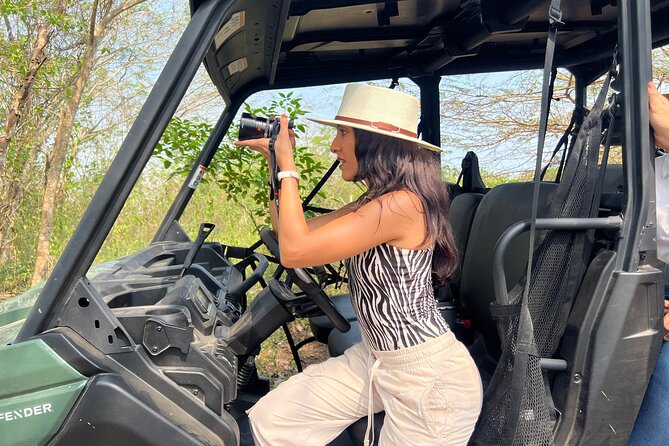
As you work your way upward, you’ll reach viewpoint areas that give you panoramic views over the property. This is where the scenery becomes a reward for the ride, and it’s also where the guides’ wildlife skills come into play.
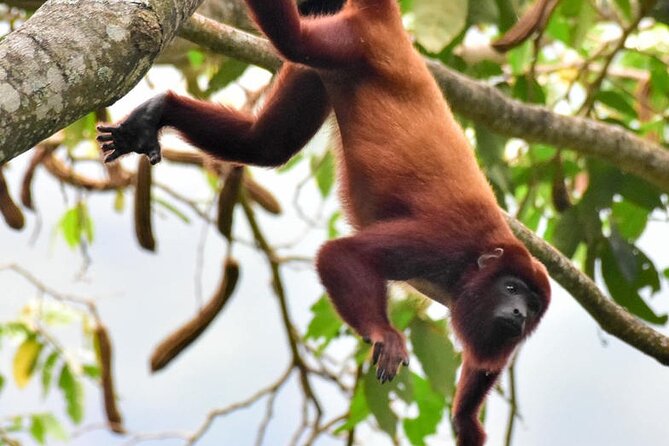
You may see parrots and other birds, and you might spot monkeys. People describe seeing small primates such as tamarins and hearing lots of birdsong as the day progresses. But again, remember this is free-ranging nature. If the animals are resting, the forest canopy is quiet, or the day is less active, you might feel like you saw less variety than you hoped.
That’s the trade for authenticity. The upside is you’re watching wildlife in habitat, not on cue.
If you can choose timing, aim for early morning or late afternoon when animal activity is often higher. Early morning is commonly suggested between 6:00 and 8:00 a.m., and late afternoon between 5:00 and 6:00 p.m. If your 4-hour slot lines up with those windows, your odds of good sightings improve.
Planting a native tree: your lasting contribution
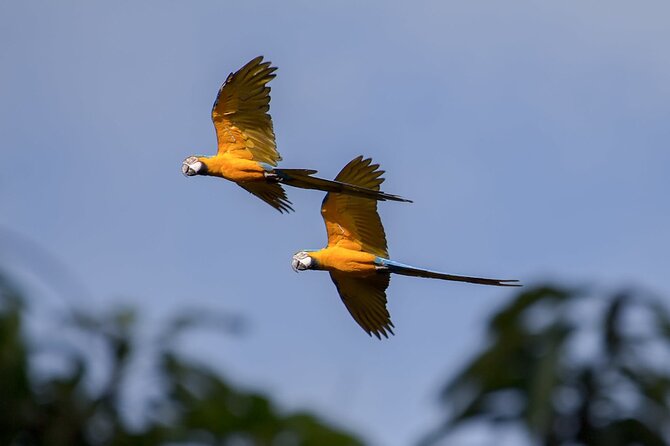
The day ends with a native tree planting. For many people, this is the part that turns the experience from a fun morning into something they remember for years.
Why it works: planting is slow. It doesn’t end when you leave the reserve, and it ties your action to regeneration of a fragile ecosystem. That makes the conservation message feel tangible.
This also helps balance the day. You get fast moments, like the UTV ride, and then you finish with a slower, meaningful act. It’s the kind of closure that feels honest, because you’re contributing directly to the habitat recovery goals that the rehab center supports.
People have specifically mentioned wanting to return someday to see the trees they planted and how they’ve grown. That says a lot about how the ending sticks in your memory.
Price and value: what you pay for, and what you need to plan
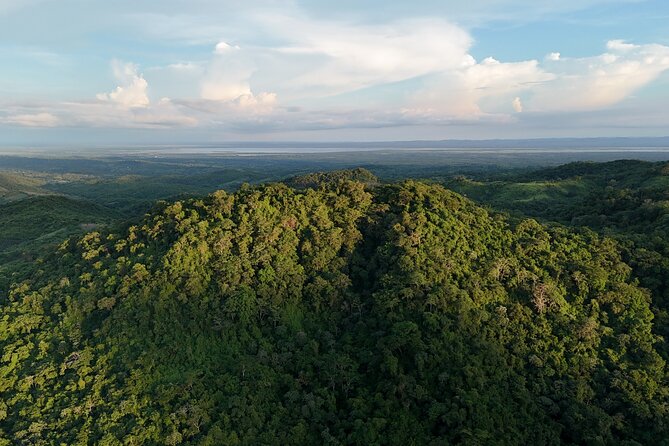
The price is listed at $141.00 per person for about 4 hours, with breakfast included. Lunch is not included.
So is it worth it? For me, value comes from how much of the day is tied to the foundation’s real mission and how active you are. You’re not only observing. You’re eating a real breakfast on site, hearing from biologists, helping prepare food trays for rescued birds, driving around the reserve on a UTV, harvesting cassava and papaya with local farmers, and planting a native tree.
That’s a full package for one half-day.
Two budget notes:
- Transportation between your hotel and the sanctuary is not included.
- No lunch is included, so you’ll want to eat before or plan a meal after.
The other value factor is that this is a private tour/activity, meaning you’re not sharing the experience with random strangers from multiple groups. Private format often improves the guide interaction and keeps the day from feeling rushed.
Practical fit: who this UTV safari suits (and who should think twice)
This trip fits best if you like nature plus guided context. You’ll probably enjoy it most if you:
- Want animal-focused conservation with clear rules (no touching, no feeding by guests)
- Enjoy active travel with some physical movement
- Appreciate bilingual or English-speaking guidance, since guides are described as speaking English well in some groups
- Like hands-on roles, even if they’re not physical animal interactions
You should think twice if you’re not comfortable with uneven terrain or a moderate fitness level. The activity is described as requiring moderate physical fitness, which likely means getting in and out of the UTV smoothly and handling the ride’s rougher sections.
And if your top goal is a guaranteed animal checklist, adjust expectations. This is authentic free-ranging habitat. Some days you’ll see more, some days less, and that’s part of the nature deal.
Getting there from Cartagena: easy options, real time cost
Getting to Fundación Loros typically takes time from Cartagena, and that’s a practical reality you should factor in. One review described a long drive that was worth it because you got to see city and countryside that you wouldn’t normally see on a cruise port.
The good news is that transport is flexible. The price does not include transfer between your hotel and the sanctuary, but the operator can arrange private transport, or you can use Uber if you prefer.
If you’re trying to protect your energy, plan for the ride both ways. The experience is 4 hours at the sanctuary, but the overall door-to-door timeline can feel longer.
Should you book Fundación Loros UTV safari?
Book it if you want a morning that combines an actual conservation center, guided wildlife habitat time, and real involvement through food prep and tree planting. This is the kind of tour that works for couples, solo travelers, and families who can handle a moderate fitness activity and want more than a standard animal outing.
Skip it or pick a different style of day if you need guaranteed wildlife variety or you’re uncomfortable with an active UTV ride. Wildlife is free-ranging, and even with strong guides, sightings are not controlled.
If you’re in Cartagena and you want a break from the city plus a mission you can feel good about, this one is hard to beat.
FAQ
How long is the UTV safari at Fundación Loros?
The tour lasts about 4 hours.
What meals are included?
Breakfast is included. Lunch is not included.
Do I get to feed or touch the animals?
No. The experience is in a rehabilitation center, and you do not feed or touch the animals. The activities are guided by trained staff.
Is transportation from my hotel included?
Transportation between your hotel and the sanctuary is not included. You can arrange private transport or use Uber if you prefer.
What physical fitness level do I need?
The tour is listed for travelers with a moderate physical fitness level.
What is the cancellation policy?
You can cancel for a full refund up to 24 hours in advance of the experience start time. If you cancel less than 24 hours before, the amount paid is not refunded.
More Wildlife Tours in Caribbean Coast
- Parrot & Macaw Volunteering in a Wildlife Reserve Near Cartagena
★ 5.0 · 12 reviews - Horseback Ride Near Cartagena With Mountains, Wildlife and Forest
★ 5.0 · 9 reviews - ATV Thrill Ride Near Cartagena Through Wildlife Trails and Nature
★ 5.0 · 8 reviews - Monkey Volunteer Work in Wildlife Reserve Near Cartagena
★ 5.0 · 3 reviews
Hot off the list in Caribbean Coast
- 4 Rosario Islands Adventure with entrance to the oceanarium included★ 3.5 · 3 reviews
- Full Day At the best Vip Beach Club in Tierra Bomba★ 5.0 · 4 reviews
- The Native Expedition – Sierra Nevada (2 days Discovering Chorrerón waterfall)★ 5.0 · 7 reviews
- Monkey Volunteer Work in Wildlife Reserve Near Cartagena★ 5.0 · 3 reviews
- Tour 5 islands in Cartagena with snorkeling, lunch Charm Island★ 3.5 · 3 reviews
- Playa Blanca Barú Tour with Lunch and hotel pick up★ 3.0 · 8 reviews
- Private Half Day Cultural Tour of Historic Mompox★ 4.5 · 10 reviews
- Tour Isla del Encanto Cartagena★ 3.5 · 4 reviews
National Parks, compared.

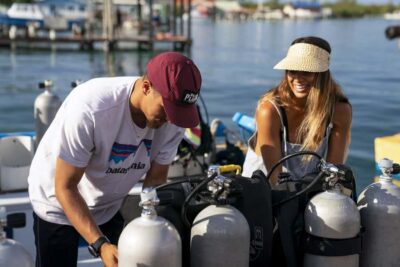
Tayrona National Park: Scuba Diving Tour for Beginners
Read our review →
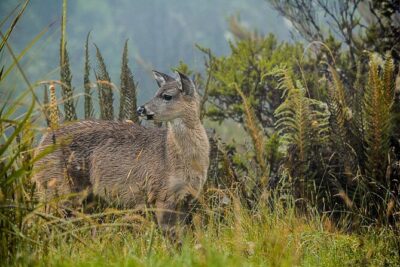
Chingaza National Park Day Tour from Bogotá: Andean Wilderness
Read our review →
Birding & Nature to Chicaque Cloud Forest Nature Reserve
Read our review →
Browse the lists this tour appears in