
REVIEW · WILDLIFE
Parrot & Macaw Volunteering in a Wildlife Reserve Near Cartagena
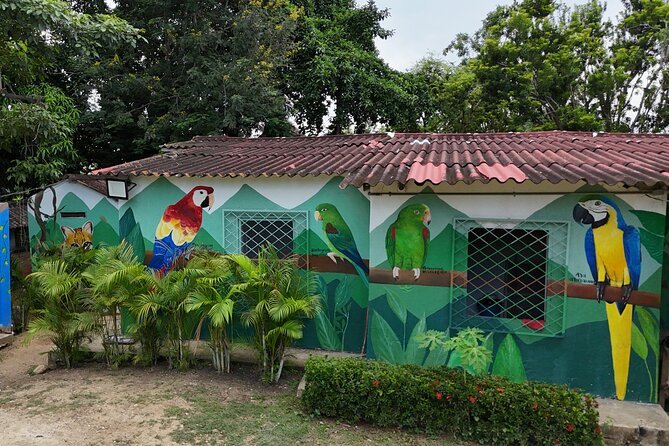
Parrots and conservation in one half-day. At Fundación Loros on Colombia’s Caribbean coast, you help with the hands-on rhythm of rehabilitation work for parrots and macaws, while also learning how the birds are prepared for release. You’ll walk trails through dry forest, get a clear picture of what Fundación Loros does, and contribute without breaking the center’s strict rules.
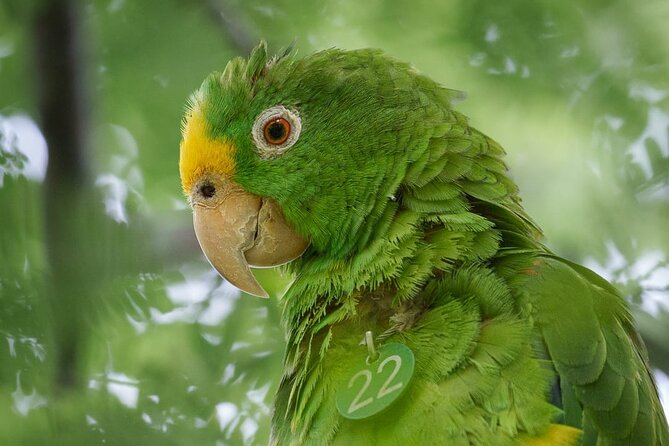
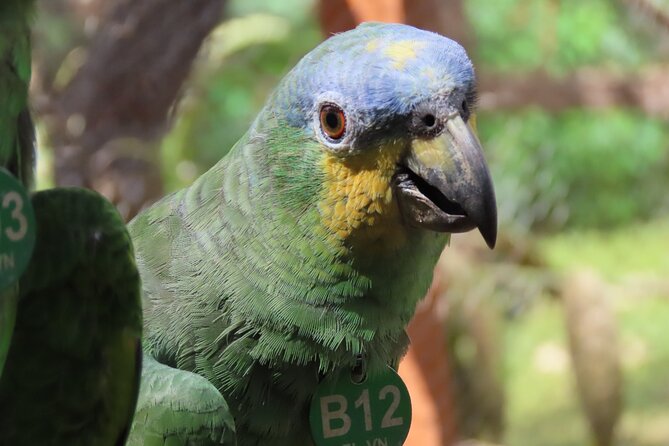
I like that the guides focus on what matters: the rehab process, the release plan, and the way communities connect to conservation. Two things I especially like are the chance to see multiple macaw and parrot species in the sanctuary setting, and the quality of the explanations, with the biologists and guides giving clear info in perfect English.
One drawback to plan for: this is not a zoo visit, and there are no touching or direct feeding of animals. Also, the $132 price includes snacks but not lunch, and transportation from your hotel to the sanctuary is not included.
In This Review
- Key highlights at a glance
- Where this sanctuary fits on the Colombia map (and why it matters)
- Meet at Fundación Loros, then get oriented fast
- Volunteering with parrots and macaws: food prep and the rehab mindset
- Walking the sanctuary trails and learning biodiversity the practical way
- Harvest cassava and papaya with local farmers
- Plant a native tree: small action, real long-term impact
- Release-point viewing and the pre-release cage idea
- Optional add-ons like horseback or UTV rides
- Price, value, and what you should compare before booking
- What to pack and how to show up well
- Who this experience is best for (and who should choose something else)
- Should you book Fundación Loros volunteering near Cartagena?
Key highlights at a glance
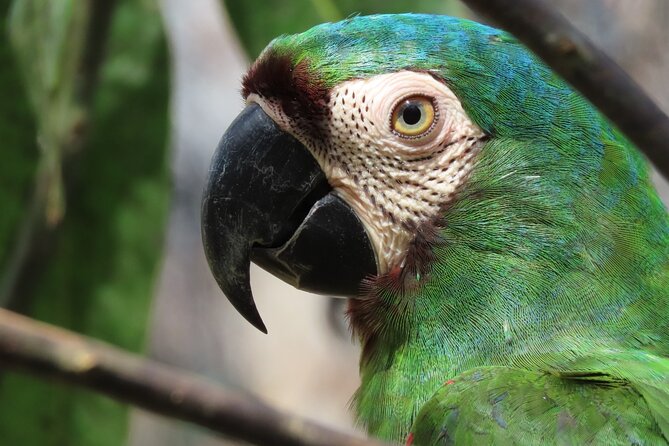
- A real rehabilitation center, with rules that protect wildlife (no feeding/touching)
- Food prep for rescued parrots and macaws, all supervised by trained staff
- Trail time plus pre-release release-point viewing, including panoramic viewpoints
- Cassava and papaya harvesting with local farmers, tied to sustainable practices
- Native tree planting to support forest regeneration
- Optional extra rides like horseback and UTVs, if offered that day
Where this sanctuary fits on the Colombia map (and why it matters)
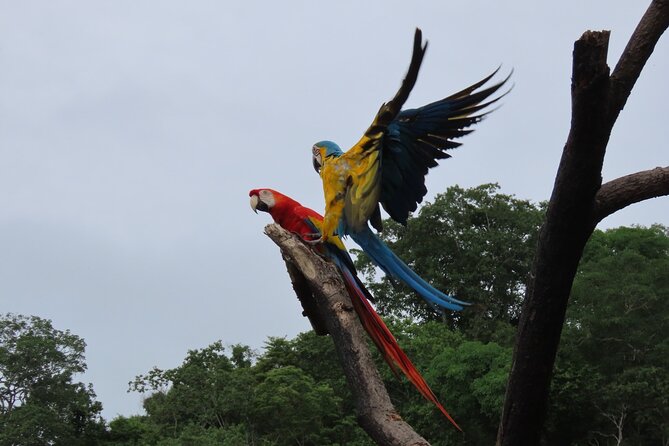
This volunteer experience takes place near Cartagena on Colombia’s Caribbean coast, at Fundación Loros, a 1,300-acre safe haven devoted to parrots, macaws, and other wildlife. Even though it’s close enough to pair with a Cartagena stay, the setting feels more like a working landscape than a tourist attraction.
What makes this location special is the mix of habitats you get to walk through, especially dry forest terrain. That matters because the birds you’re helping rehab are meant to return to the kinds of environments where they originally belong. In other words, you are not just looking at animals, you’re getting a window into how a conservation project thinks.
A few more Caribbean Coast plans worth comparing
- UTV Thrills & Horseback Ride at Wildlife Paradise Near Cartagena
★ 5.0 · 44 reviews - UTV Safari in a Wildlife-Filled Nature Reserve Near Cartagena
★ 5.0 · 36 reviews - Horseback Ride Near Cartagena With Mountains, Wildlife and Forest
★ 5.0 · 9 reviews
Meet at Fundación Loros, then get oriented fast
You’ll start at Fundación Loros, at Carretera Villanueva-Arenal, Kilómetro 1, Villanueva, Bolívar, Colombia. The activity ends back at the meeting point, so you do not have to worry about a complicated “drop off here, then find your way back” situation.
Because the experience lasts around 4 hours, the schedule is designed to keep you moving, learning, and contributing. You’ll get an orientation on how the center works, including what you can and cannot do. The rules are clear for a reason: Fundación Loros is a rehabilitation center, not a zoo. That means everything you do is supervised, and you should expect staff to step in if anything feels too close to direct contact.
One more logistics note that helps: the sanctuary is near public transportation. Still, the tour price does not include transport between your hotel and the sanctuary, so plan that part ahead if you want it easy.
Volunteering with parrots and macaws: food prep and the rehab mindset
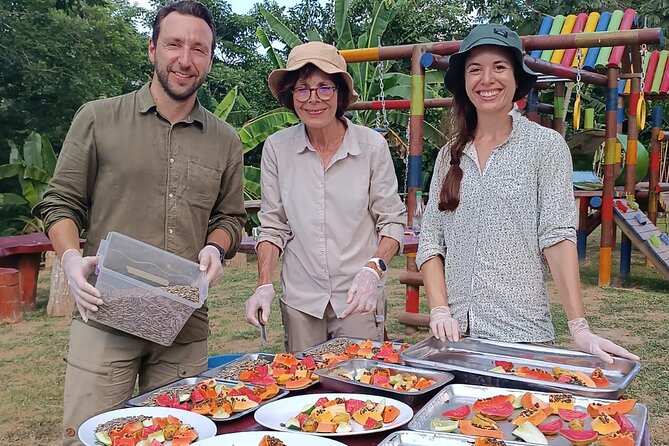
The core of the day is helping prepare food for rescued parrots and macaws. You’re not just watching from a distance. You’ll be part of the workflow that supports the birds while they heal, regain strength, and move through stages of care.
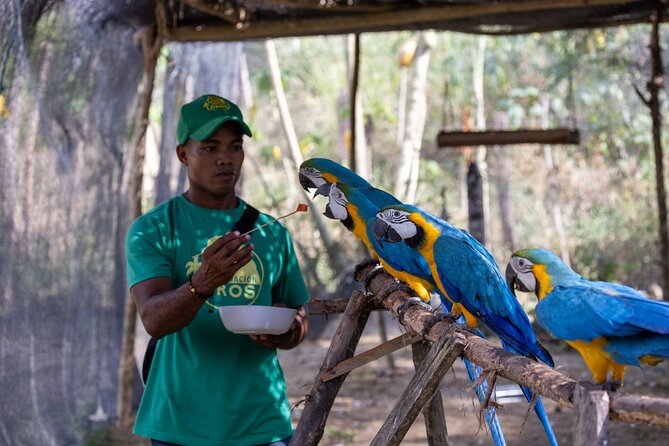
There’s an important detail you should know before you go: it is not permitted to feed the animals directly or touch them. You’ll still do meaningful work, like preparing and serving food under staff guidance, but the “hands-on” aspect is structured to keep the birds safe and to avoid human imprinting or unsafe interactions.
This is also where the explanations become more than background noise. The guides and biologists talk about the mission and the success rate, and they explain why each step in the process matters. In practical terms, you’ll learn how they think about rehabilitation as preparation for life after the center.
Walking the sanctuary trails and learning biodiversity the practical way
Between volunteer tasks, you’ll explore biodiversity-rich trails. This is not a slow, optional stroll, and it’s not a hardcore hike either. Your pace will match the group and the focus of the day, but it is best to go in with a moderate physical fitness level.
As you walk, you’ll connect what you see in the forest to what the birds need on release. For example, one of the most fascinating parts is realizing the sanctuary is not isolated from the surrounding ecosystem. Reports from the experience mention other wildlife being present, including some wild but rehabilitated monkeys, though sightings can vary.
If you’re a birder, you’ll likely appreciate the extra bird life around the property. People have noted the presence of other birds and even a small pond with water birds. That’s a nice reminder that conservation sites can support more than one species at a time.
Same city, a completely different day:
- Tour 5 islands of the rosary with drinks included
★ 4.5 · 54 reviews - Walking tour of the magical city of Cartagena.
★ 5.0 · 46 reviews - Private Half Day Cultural Tour of Historic Mompox
★ 4.5 · 10 reviews - Playa Blanca Barú Tour with Lunch and hotel pick up
★ 3.0 · 8 reviews
Harvest cassava and papaya with local farmers
A standout part of the day is getting out with local farmers to harvest cassava and papaya. This is where you see conservation tied to daily rural life, not just animal care.
This stop is valuable because it connects the birds’ future to what humans are growing right now. The center works in alliance with local farmers, and part of that relationship is about training the birds to live in the real world. In plain language: the birds should not become crop raiders after release. Your harvesting experience helps you understand why the farming side matters.
Also, cassava and papaya are not just “local color” here. Harvesting is part of a sustainable practice and part of the conservation workflow that supports both birds and people.
Plant a native tree: small action, real long-term impact
Near the end of the experience, you’ll plant a native tree to support forest regeneration. This is one of those activities that sounds simple until you think about scale. In a rehab project, habitat is not an extra. It is the end goal.
So when you plant that tree, you’re not just checking a box. You’re contributing to the kind of environment where food, shelter, and breeding opportunities can return over time. Since the sanctuary spans a large area, small actions like this fit into a wider plan.
For me, the best way to make this moment feel meaningful is to treat it as a commitment, not a photo. If you have a spare moment while you’re planting, listen to the staff about where native trees matter most in their regeneration goals.
Release-point viewing and the pre-release cage idea
One of the things that makes this experience feel different from a typical animal day is the attention to what happens before release.
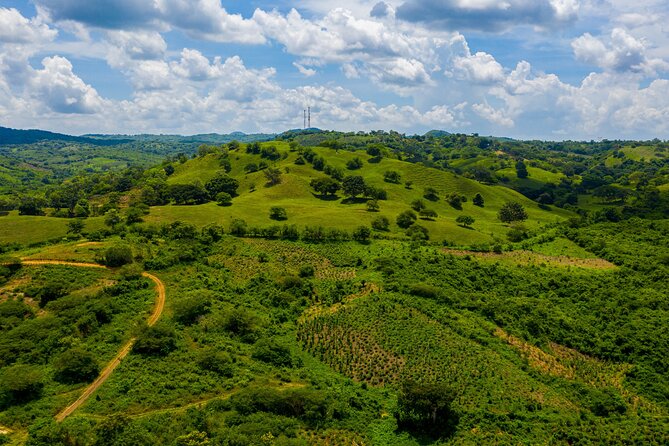
The day includes a viewpoint at the release area, with panoramic views from a top-of-mountain spot near where the birds move through pre-release stages. People also describe how the pre-release cage is closer to the mountains, and how that setup helps birds become familiar with the wild environment. The idea is to support acceptance into a community, rather than a hard switch from center life to forest life.
You also may see released parrots around aviaries during the process. That’s a powerful moment because it turns the rehab mission into something you can visualize in real time. Still, do not assume you’ll see every animal that others have seen. The sanctuary is a living system.
Optional add-ons like horseback or UTV rides
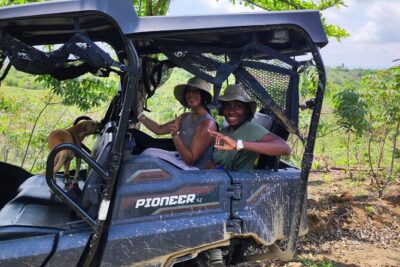
Some versions of the experience days include optional activities such as horseback riding and UTV rides. If those are offered, they can add a fun layer to the terrain and help you explore viewpoints.
Just remember, your main focus is volunteering and education. Keep your time and energy balanced, so you don’t run out of steam before the food prep or the planting.
Price, value, and what you should compare before booking
The price is $132 per person, with snacks included and lunch not included. The duration is about 4 hours, and it’s often booked around 10 days in advance.
Here’s how I think about value for this specific kind of experience:
- You pay for trained staff time plus structured rehab-support work, not for open-ended animal contact.
- You get education from biologists and guides, with clear explanations in perfect English.
- You get multiple activity types in one half day: sanctuary work, trail walking, farmer harvesting, and tree planting.
So if you’re comparing it to a standard “see animals” tour, this usually wins on meaning. If you’re comparing it to a general volunteering day in a different setting, it wins on clarity, because the program explains what it does and why each step matters.
The one thing to watch: transportation is not included from your hotel to the sanctuary. If you prefer not to handle that yourself, check in about arranging private transport or using Uber. This matters because it can make the total cost feel higher if you end up paying for two legs of travel.
What to pack and how to show up well
The tour focuses on outside time, farm work, and a trail walk. Even though the experience is only about 4 hours, you’ll likely want comfort more than fashion.
Plan on:
- Closed-toe shoes for uneven ground
- Sun protection, since the setting includes dry forest terrain
- Light layers you can adapt to changing shade
- A refillable water bottle
Also, mentally prep for the rules around animal contact. It’s easy to assume that volunteering means you’ll directly handle birds. Here, you do the meaningful tasks, like food prep, while staff maintain safe boundaries. That’s part of what makes the work responsible.
Who this experience is best for (and who should choose something else)
This is a strong fit if you want your time in Colombia to have a conservation backbone, not just photo stops. It’s especially good for people who like nature walks but also want structured learning and clear mission focus.
It’s also a good option if you like the idea of combining animal rehabilitation with community-based conservation, since the cassava and papaya harvesting ties conservation to real local livelihoods.
You might want a different type of tour if you:
- Want direct animal interaction (this program does not allow feeding directly or touching)
- Have a hard time with outdoor walking at a moderate fitness level
- Are looking for a full-day meal plan, because lunch is not included
Should you book Fundación Loros volunteering near Cartagena?
If you care about animal welfare, responsible conservation, and learning how rehab connects to real release goals, I’d book this. The day’s structure makes it feel purposeful, from food prep to the native tree planting. The guides’ clear explanations, plus the chance to see several species of macaws and parrots in the rehab setting, also makes it more informative than many short volunteer tours.
If you’re on the fence, here’s the simple decision rule: book it if you’re excited to contribute under supervision and follow clear rules. Skip it if you specifically want hands-on contact with animals or if you dislike paying extra for lunch and transport.
Given the overall rating of 4.9 and the fact that it’s recommended by everyone who left feedback, this is the kind of half-day experience that tends to leave people feeling like they did something real.
Hot off the list in Caribbean Coast
- 4 Rosario Islands Adventure with entrance to the oceanarium included★ 3.5 · 3 reviews
- Full Day At the best Vip Beach Club in Tierra Bomba★ 5.0 · 4 reviews
- The Native Expedition – Sierra Nevada (2 days Discovering Chorrerón waterfall)★ 5.0 · 7 reviews
- UTV Safari in a Wildlife-Filled Nature Reserve Near Cartagena★ 5.0 · 36 reviews
- Monkey Volunteer Work in Wildlife Reserve Near Cartagena★ 5.0 · 3 reviews
- Tour 5 islands in Cartagena with snorkeling, lunch Charm Island★ 3.5 · 3 reviews
- Playa Blanca Barú Tour with Lunch and hotel pick up★ 3.0 · 8 reviews
- Private Half Day Cultural Tour of Historic Mompox★ 4.5 · 10 reviews
Wildlife, compared.
UTV Thrills & Horseback Ride at Wildlife Paradise Near Cartagena
Read our review →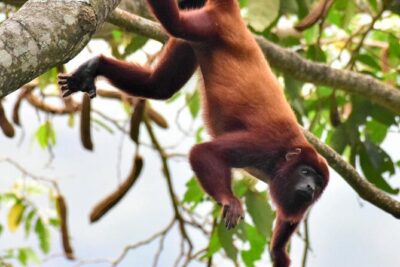
UTV Safari in a Wildlife-Filled Nature Reserve Near Cartagena
Read our review →
Amazon Conscious Adventure: 5-Day Trek, Kayak & Wildlife
Read our review →
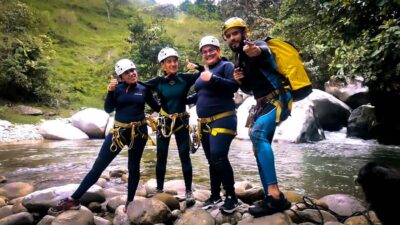
Guatapé Canyoning Adventure: Crystal Waters and Wildlife
Read our review →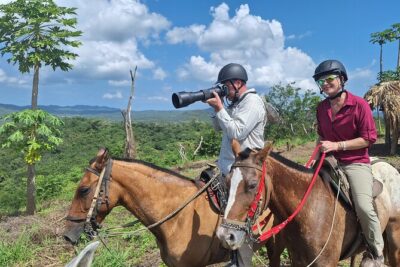
Horseback Ride Near Cartagena With Mountains, Wildlife and Forest
Read our review →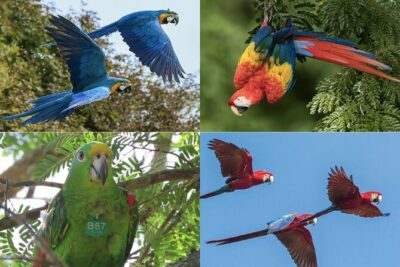
ATV Thrill Ride Near Cartagena Through Wildlife Trails and Nature
Read our review →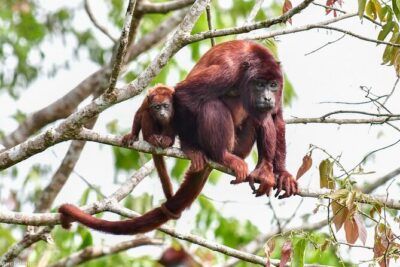
Monkey Volunteer Work in Wildlife Reserve Near Cartagena
Read our review →Browse the lists this tour appears in