
REVIEW · WILDLIFE
Monkey Volunteer Work in Wildlife Reserve Near Cartagena
Monkeys, birds, and real conservation work. This half-day outing at Fundación Loros pairs guided learning with hands-on help tied to monkey reintroduction, including endangered Titi monkeys. It also gives you a close look at how local farming supports a protected ecosystem.
I especially like how the day is built around education first, then action. You get time to understand the rehab process, and you’ll take part in practical tasks like preparing food and planting a native tree. One consideration, though: this is a rehabilitation center, so you cannot feed or touch the animals yourself. You will contribute, but always under staff rules.
In This Review
- Key highlights worth circling on your map
- Breakfast by the lake at Fundación Loros, then straight into work
- The guide talk that gives meaning to every task
- The 4×4 ride to Cerro de los Loros and the human side of conservation
- Harvest cassava and papaya, then see the logic behind sustainable farming
- Preparing and delivering food, plus planting a native tree
- Price and value: what $149 gets you in real life
- Who should book this volunteer day near Cartagena
- Should you book Monkey Volunteer Work near Cartagena?
- FAQ
- Where is the tour meeting point?
- What time does the experience start?
- How long is the experience?
- Is pickup from Cartagena included in the price?
- Is this a private tour?
- What language is the tour offered in?
- What animals and birds will I learn about?
- Can I feed or touch the animals?
- What kind of volunteer tasks will I do?
- Is there a refund if I cancel?
Key highlights worth circling on your map
- Breakfast by the lake at Fundación Loros, before you head into the reserve
- Expert guide talk on wildlife conservation goals, plus the real challenges of reintroductions
- Rugged 4×4 ride into the dry forest around Cerro de los Loros
- Sustainable farming practice through hands-on cassava and papaya harvesting
- Conservation tasks you can do well: prepare and deliver food, and plant a native tree
- Strict animal-safety rules: you help, but you do not feed or touch the animals
Breakfast by the lake at Fundación Loros, then straight into work
Your day starts early, meeting at Fundación Loros | Loros Wildlife Sanctuary around 7:00 am. The activity ends back at the same meeting point, so you are not wandering off on your own afterward.
A big part of the morning is simple: you begin with a hearty breakfast by the lake. It sets the tone well. You are not just showing up to “do a thing,” you’re starting with context, food in your stomach, and time to get oriented before the forest work begins.
From downtown Cartagena, it takes about 1 hour to reach the sanctuary. Pickup is a little tricky: transportation to the sanctuary is not included in the tour price. You can add private transport for convenience, or you can go independently using services like Uber or InDriver. If you hate early mornings and parking stress, the optional private ride may be worth it.
A few more Caribbean Coast plans worth comparing
- UTV Thrills & Horseback Ride at Wildlife Paradise Near Cartagena
★ 5.0 · 44 reviews - UTV Safari in a Wildlife-Filled Nature Reserve Near Cartagena
★ 5.0 · 36 reviews - Parrot & Macaw Volunteering in a Wildlife Reserve Near Cartagena
★ 5.0 · 12 reviews
The guide talk that gives meaning to every task
Once you settle in, you’ll get a talk from expert guides about wildlife conservation, including the triumphs and the challenges that come with rehab and reintroduction. This is where the day goes from “cute animal experience” to “I actually understand what I’m supporting.”
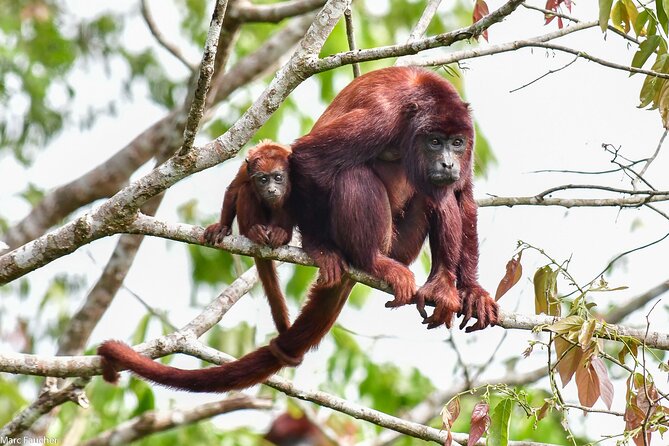
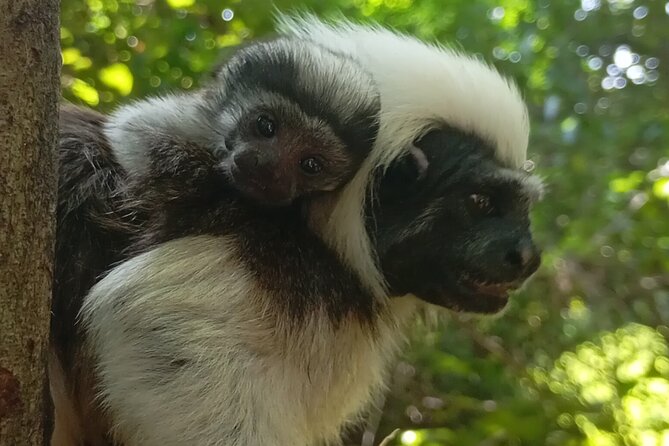
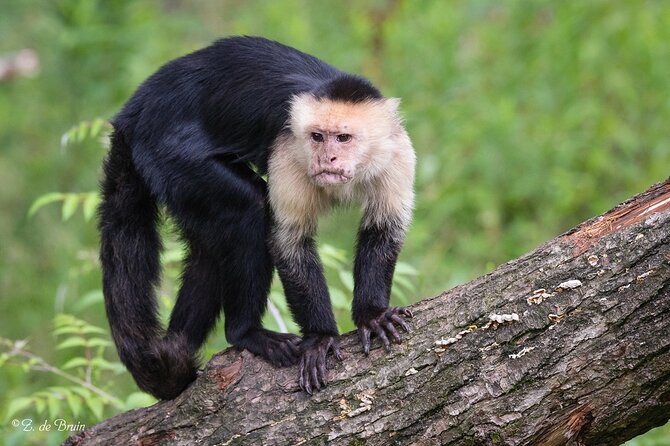
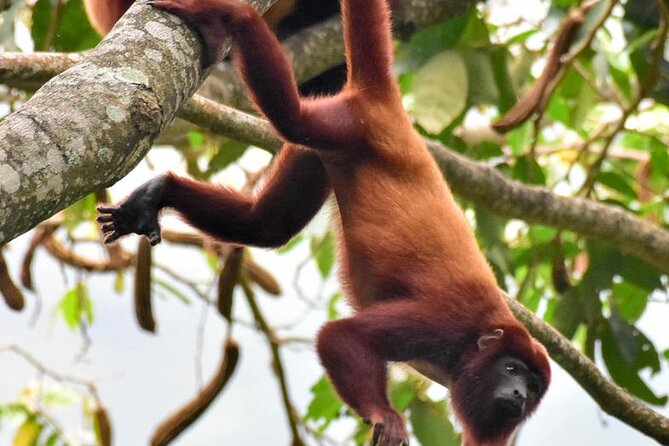
You learn about the species that the sanctuary cares for, including Red Howler monkeys, Capuchins, and the endangered Titi monkey. On the bird side, you’ll hear about colorful parrots and majestic macaws. The important bit is not just naming animals. It’s understanding why rehabilitation matters, and why reintroductions take time, patience, and careful planning.
The staff also explain why the center is not a zoo. That distinction matters, because it shapes your role. You are there to help the recovery process and learn the conservation logic behind it.
The 4×4 ride to Cerro de los Loros and the human side of conservation
After breakfast and the talk, you head into the tropical dry forest by rugged 4×4. The route takes you to Cerro de los Loros, and the ride itself is part of the experience. You will feel the difference between walking a path and moving through a working landscape.
You also meet local farmers. That’s a key piece people sometimes skip in their wildlife days, but it’s central here. Conservation does not work if surrounding communities are fighting the system. You’ll learn how farmers help preserve the ecosystem, and you’ll see how practical land use can support wildlife recovery.
This is one of the best “value multipliers” in the itinerary. The animal work is inspiring, but the farmer connection gives you a longer-lasting takeaway. You leave thinking about conservation as something shared, not something done behind a fence.
Harvest cassava and papaya, then see the logic behind sustainable farming
One of the most satisfying parts of the day is that you get to help with harvesting cassava and papaya. You’re not just standing around watching. You’re working alongside the people who understand this land best.
The guides also connect these tasks to sustainable farming traditions. That matters because this isn’t “farm tourism.” It’s part of how the reserve and the surrounding community keep the habitat functioning. When you learn the why while you do the work, the day feels more grounded.
Because this is a working activity, it does ask for a moderate physical fitness level. You do not need to be an athlete, but you should be comfortable with outdoor work, uneven ground, and getting hands dirty as part of the harvesting task.
Same city, a completely different day:
- Tour 5 islands of the rosary with drinks included
★ 4.5 · 54 reviews - Walking tour of the magical city of Cartagena.
★ 5.0 · 46 reviews - Private Half Day Cultural Tour of Historic Mompox
★ 4.5 · 10 reviews - Horseback Ride Near Cartagena With Mountains, Wildlife and Forest
★ 5.0 · 9 reviews
Preparing and delivering food, plus planting a native tree
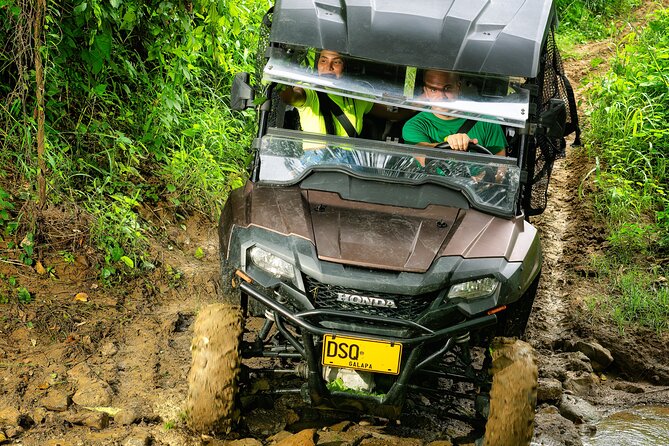
Now comes the part that most people come for: hands-on volunteer tasks. You’ll spend time preparing and delivering food as part of care routines for the animals. You’ll also help with planting a native tree, which turns your effort into something that stays in place.
Here’s the important rule that keeps everything ethical and safe: it is not permitted to feed or touch the animals. Since the sanctuary is a rehabilitation center and not a zoo, you do the supportive work the staff assigns, without direct animal contact. Think of it as guided assistance. You contribute to animal care practices, but you do not handle the monkeys or touch birds yourself.
That approach is also why this experience tends to feel more meaningful than a typical “meet animals” stop. You are supporting recovery behavior and keeping animals in safe, managed environments, while learning how conservation teams make careful decisions.
Price and value: what $149 gets you in real life
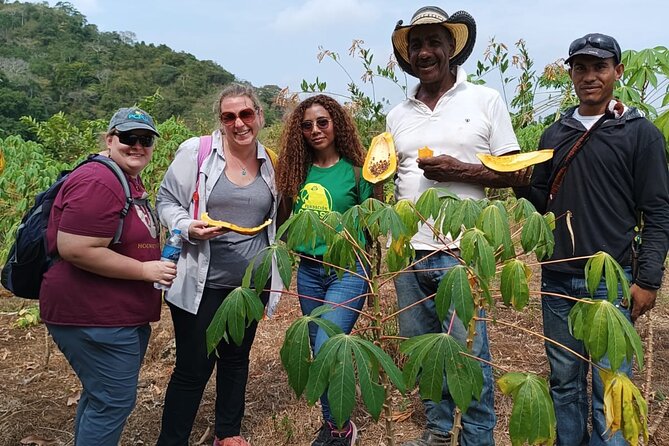
At $149 per person for about 4 hours, this is priced like an organized, guided conservation experience, not a casual outing. The value comes from several combined pieces: breakfast at the sanctuary, an expert-led conservation talk, a 4×4 ride, farmer interaction, sustainable farming participation, and guided volunteer tasks that include preparing food and planting a native tree.
The one cost note is transportation. Because the ride to the sanctuary is not included in the base price, your true “all-in” cost depends on how you travel from Cartagena. If you add the private transport, you are paying for convenience and time savings, especially with a 7:00 am start. If you go independently, you keep costs down, but you’re doing more of the planning yourself.
For me, the best value signal is the focus. You are not paying just to see wildlife. You are paying for a structured day that explains why rehab matters and then gives you a role in that process.
Who should book this volunteer day near Cartagena
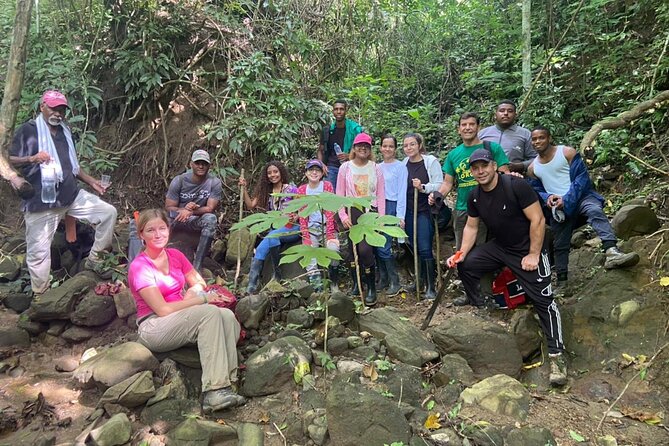
This tour fits best if you want more than animal photos. You’ll like it if you enjoy learning while doing practical tasks, and if the idea of supporting reintroduction appeals to you more than a standard viewing experience.
I’d also recommend it for people who like meaningful interactions with locals. The farmer component makes the day feel connected to real land use, not just a protected spot.
Skip it if you dislike early starts or if a moderate level of outdoor activity sounds stressful. It is scheduled for a half-day, but the morning includes fieldwork like harvesting, plus time in the reserve environment.
Should you book Monkey Volunteer Work near Cartagena?

If you’re debating whether to book, I’d base it on one question: do you want to support conservation in a way that is structured, guided, and rule-based? If yes, this is a strong pick. The day pairs learning with action, and the staff approach matters because it keeps the work ethical, educational, and focused on rehabilitation, not entertainment.
Book it especially if you appreciate conservation that includes the human side, since you meet farmers and learn how sustainable practices help protect habitat. And if you are traveling with the mindset that you want to come away with understanding, not just memories, this kind of volunteer day tends to stick with you long after you leave Colombia.
FAQ
Where is the tour meeting point?
The meeting point is Fundación Loros | Loros Wildlife Sanctuary, on Carretera Villanueva-Arenal, Kilómetro 1, Villanueva, Bolívar, Colombia. The activity ends back at this same meeting point.
What time does the experience start?
It starts at 7:00 am.
How long is the experience?
The duration is approximately 4 hours.
Is pickup from Cartagena included in the price?
No. Transportation to the sanctuary is not included in the tour price. You can add private transportation or arrive independently (for example, using Uber or InDriver).
Is this a private tour?
Yes. It is listed as a private tour/activity, meaning only your group participates.
What language is the tour offered in?
The tour is offered in English.
What animals and birds will I learn about?
You’ll learn about Red Howlers, Capuchins, and the endangered Titi monkey, as well as colorful parrots and macaws.
Can I feed or touch the animals?
No. You are not permitted to feed or touch the animals. It is a rehabilitation center, not a zoo.
What kind of volunteer tasks will I do?
You’ll help with conservation-related activities such as preparing and delivering food to monkeys, planting a native tree, and helping harvest cassava and papaya as part of sustainable farming traditions.
Is there a refund if I cancel?
Yes. Cancellation is free, and you can cancel up to 24 hours in advance for a full refund. If you cancel less than 24 hours before the start time, the amount paid is not refunded.
Hot off the list in Caribbean Coast
- 4 Rosario Islands Adventure with entrance to the oceanarium included★ 3.5 · 3 reviews
- Full Day At the best Vip Beach Club in Tierra Bomba★ 5.0 · 4 reviews
- The Native Expedition – Sierra Nevada (2 days Discovering Chorrerón waterfall)★ 5.0 · 7 reviews
- UTV Safari in a Wildlife-Filled Nature Reserve Near Cartagena★ 5.0 · 36 reviews
- Tour 5 islands in Cartagena with snorkeling, lunch Charm Island★ 3.5 · 3 reviews
- Playa Blanca Barú Tour with Lunch and hotel pick up★ 3.0 · 8 reviews
- Private Half Day Cultural Tour of Historic Mompox★ 4.5 · 10 reviews
- Tour Isla del Encanto Cartagena★ 3.5 · 4 reviews
Wildlife, compared.
UTV Thrills & Horseback Ride at Wildlife Paradise Near Cartagena
Read our review →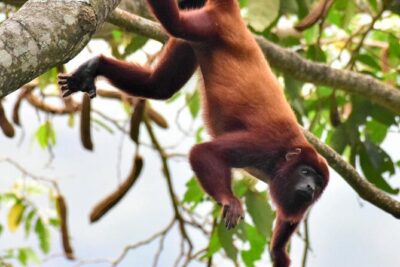
UTV Safari in a Wildlife-Filled Nature Reserve Near Cartagena
Read our review →
Amazon Conscious Adventure: 5-Day Trek, Kayak & Wildlife
Read our review →
Guatapé Canyoning Adventure: Crystal Waters and Wildlife
Read our review →
Parrot & Macaw Volunteering in a Wildlife Reserve Near Cartagena
Read our review →
Horseback Ride Near Cartagena With Mountains, Wildlife and Forest
Read our review →
ATV Thrill Ride Near Cartagena Through Wildlife Trails and Nature
Read our review →Browse the lists this tour appears in