
REVIEW · LA CANDELARIA TOURS
Candelaria Unveiled: Cool-tural Heritage Walking Tour
La Candelaria in 150 minutes feels like a cheat code. You get colonial Bogotá context and the story behind key corners like Chorro de Quevedo, all with an English or Spanish guide. The main catch: this is a highlight walk, so you will not spend hours inside every stop.
I like the way this tour links architecture to real Colombian moments, including the liberation story around Policarpa Salavarrieta. You also end at the Botero Museum, which is a smart payoff when you want art after the streets. If you prefer slow, museum-first pacing, you may want a longer follow-up on your own afterward.
In This Review
- Key Things You’ll Notice on This Walking Tour
- Why La Candelaria Works So Well in 150 Minutes
- Starting at Policarpa Salavarrieta, Then Reading the Neighborhood’s Meaning
- La Concordia Market, Where Art and Daily Life Overlap
- Callejón del Embudo and Chorro de Quevedo: Bogotá’s Past in Street Form
- Teatro Colón and the Gabriel García Márquez Cultural Center
- Plaza de Bolívar: The Heart of Bogotá and Its Power Buildings
- Palacio San Carlos and Iglesia San Ignacio: Faith and Authority in the Same View
- Casa de La Pola: A Liberation Story You Can Walk To
- Manzana Cultural and the Botero Museum Finish: Art as the Payoff
- Guides, Pace, and How to Get the Most Out of Your 150 Minutes
- Price and Value: What $16 Really Buys in Bogotá
- Should You Book Candelaria Unveiled: Cool-tural Heritage Walking Tour?
- FAQ
- Where is the meeting point for the tour?
- How long is the walking tour?
- How much does the tour cost?
- What languages are available for the live guide?
- What is included in the price?
- Where does the tour finish?
- Is the tour wheelchair accessible?
- Is there a refund if I need to cancel?
Key Things You’ll Notice on This Walking Tour
- A tight loop through Bogotá’s core, built around major landmarks and neighborhood streets
- Chorro de Quevedo’s founding story (Bogotá in 1538, linked to Gonzalo Jiménez de Quesada)
- Cobbles and shape at Callejón del Embudo, tied to the old Quebrada de San Bruno
- Culture stops that broaden the walk, including Teatro Colón and the Gabriel García Márquez Cultural Center
- Manzana Cultural as a final landing, with the Botero Museum as the finish point
Why La Candelaria Works So Well in 150 Minutes
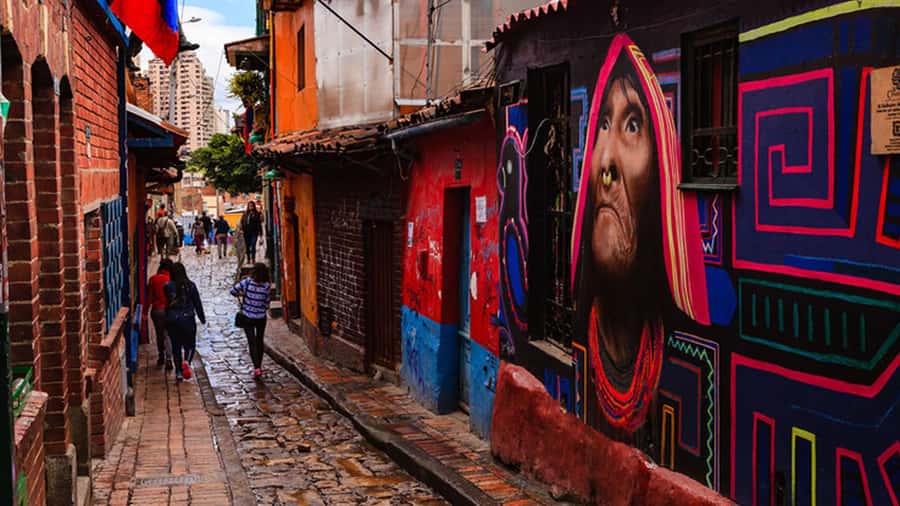
La Candelaria is one of those places where the streets look like they’ve been arranged for photos. But the real magic is how the details connect, and that is exactly what this tour is designed to do. In about two and a half hours, you’re guided through the “why” behind the layout, the buildings, and the stories tied to specific spots.
This format is also practical. You see the big names, then you get enough context to navigate the area on your own afterward without feeling lost. And because the tour includes entrances to some churches and museums, you are not stuck with only looking from the outside.
The only tradeoff is time. A short walk means you get a guided overview, not an all-day deep dive into every interior. Plan to return later if any one stop really grabs you.
More Historical Tours in Bogota
- Shared Tour of the Historic Candelaria in Bogotá
★ 5.0 · 1,551 reviews - Bogota Shared Gastronomy Tour in the Historic Center
★ 5.0 · 264 reviews - Bike Tour in Bogota Historical Sites and Fruit Market
★ 5.0 · 171 reviews
Starting at Policarpa Salavarrieta, Then Reading the Neighborhood’s Meaning
Your tour starts at the Monumento a Policarpa Salavarrieta. That choice sets the tone fast. Policarpa is a key figure tied to Colombia’s liberation campaign, and the tour keeps that thread going as you move through the historic center.
This matters because La Candelaria is not just pretty stone. It is a place where political power, faith, and everyday life all share the same small geography. When you begin with a liberation figure, you naturally start noticing symbolism in doors, facades, and plazas instead of treating everything like scenery.
And yes, it helps that the guide is live and bilingual. You can follow the story in English or Spanish without missing details, which is where a walking tour lives or dies.
La Concordia Market, Where Art and Daily Life Overlap
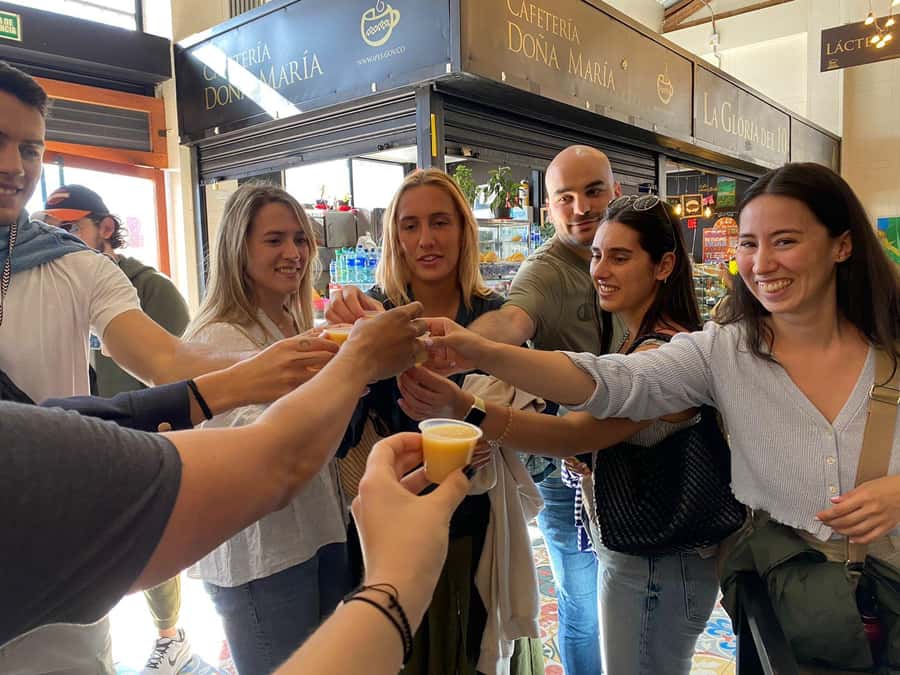
One of the first stops is La Concordia Market at the Plazoleta de la Concordia. This is where culture feels less like a museum rulebook and more like street-level life. You get to see a space that blends a farmer’s market with craft shops, so you can connect the “colonial” streets to what people buy, make, and sell today.
Why I like this part for first-time visitors: it shifts your brain from monuments to normal human rhythm. Even if you do not buy anything, the market gives you a feel for the neighborhood’s ongoing culture.
If you like souvenirs that actually mean something, this is the moment to browse. Craft shops tend to be more interesting when you know what you are looking at, and the guide’s context helps you spot quality or themes you might otherwise overlook.
Callejón del Embudo and Chorro de Quevedo: Bogotá’s Past in Street Form
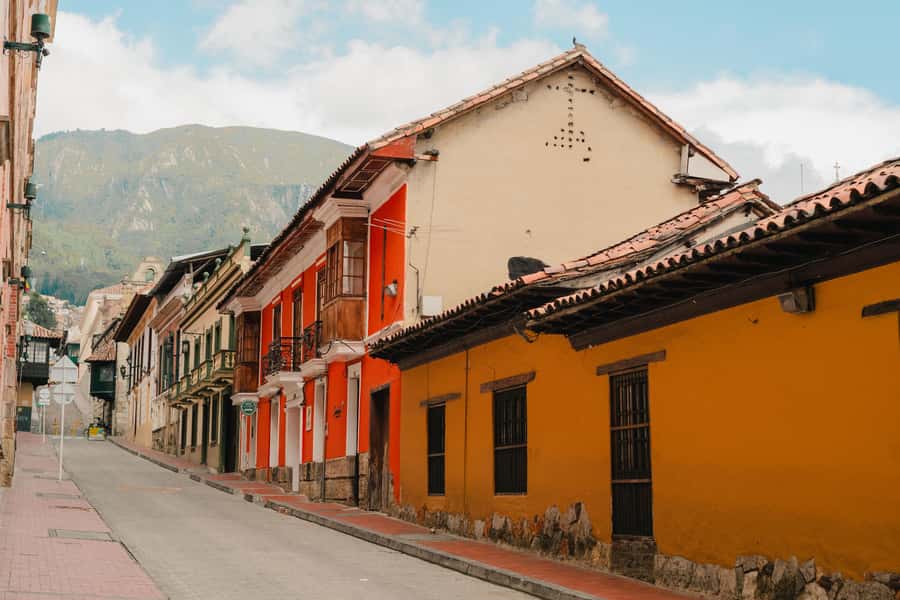
Two of the most memorable parts come from the way the tour treats the street itself like a historical document.
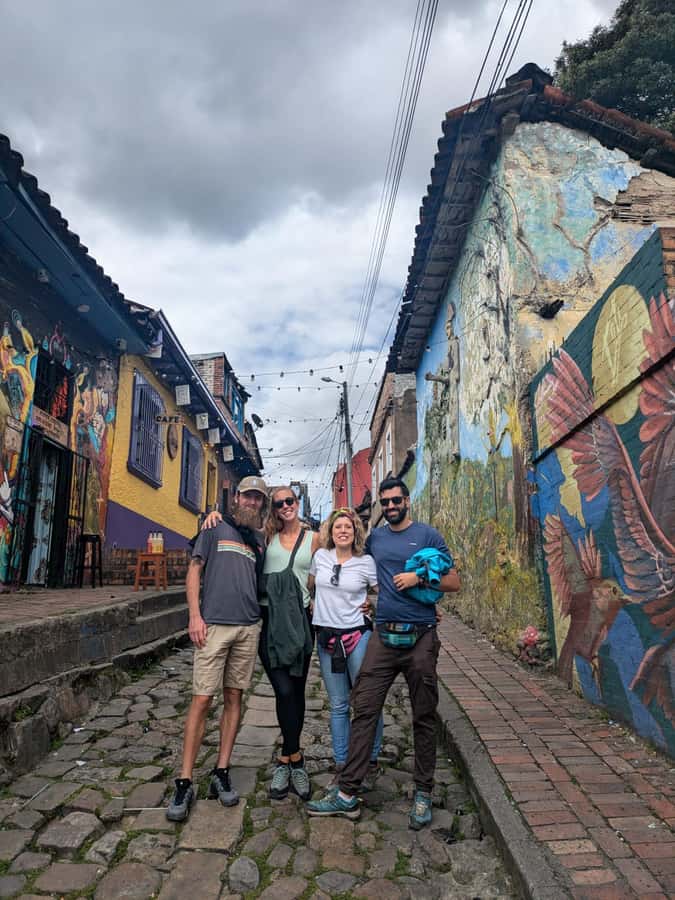
Callejón del Embudo is a cobblestone alley shaped like a funnel. That shape is not just design flair, it connects to the old edge of the ancient Quebrada de San Bruno. You can literally see how water and terrain once shaped the city, even though the city is now fully built over it.
Then comes Chorro de Quevedo, the place associated with Bogotá’s founding in 1538 by the Spanish conquistador Gonzalo Jiménez de Quesada. This is one of those stops where your imagination has to do some work, because the story is older than the buildings around it. A good guide makes the timing click, and the tour is built to give you that foundation.
Practical note: these are classic walking-through places. If you stop to take photos, you will slow the group, so keep your breaks short and let the guide finish each mini-story before you zoom in for the shot.
More Walking Tours in Bogota
- Bogotá: Guided La Candelaria Walking Tour
★ 4.8 · 1,229 reviews - Graffiti Tour: a fascinating walk through a street art City
★ 5.0 · 1,074 reviews - Walking Tour in La Candelaria Bogotá
★ 5.0 · 859 reviews - Bogotá Tour: Monserrate, Food, City Walk & Botero Museum
★ 5.0 · 328 reviews
Teatro Colón and the Gabriel García Márquez Cultural Center
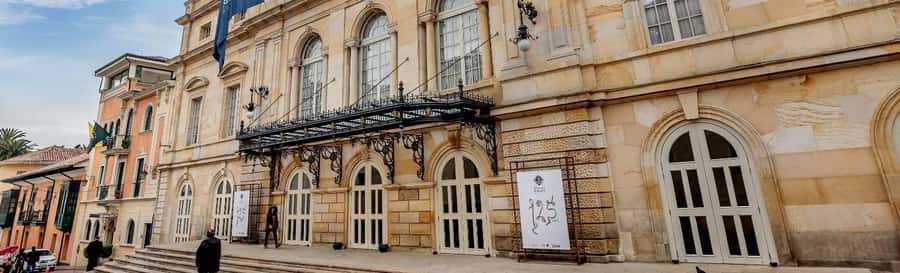
After the early history stops, you move into the city’s cultural rhythm.
Teatro Colón is one of those landmark names people recognize, even before they know why. On this walk, it’s more than a facade. It’s part of the tour’s broader point that Bogotá’s identity is both older and constantly renewed through arts.
Next is the Gabriel García Márquez Cultural Center. The pairing is smart. You move from a big historic stage into a cultural center tied to a modern Colombian literary icon. That transition helps you avoid the common “everything is colonial, nothing is new” misunderstanding.
You can treat these stops like checkpoints. Once you know where you are in the cultural map, you start noticing how museums, performances, and public spaces shape how locals spend time.
Plaza de Bolívar: The Heart of Bogotá and Its Power Buildings
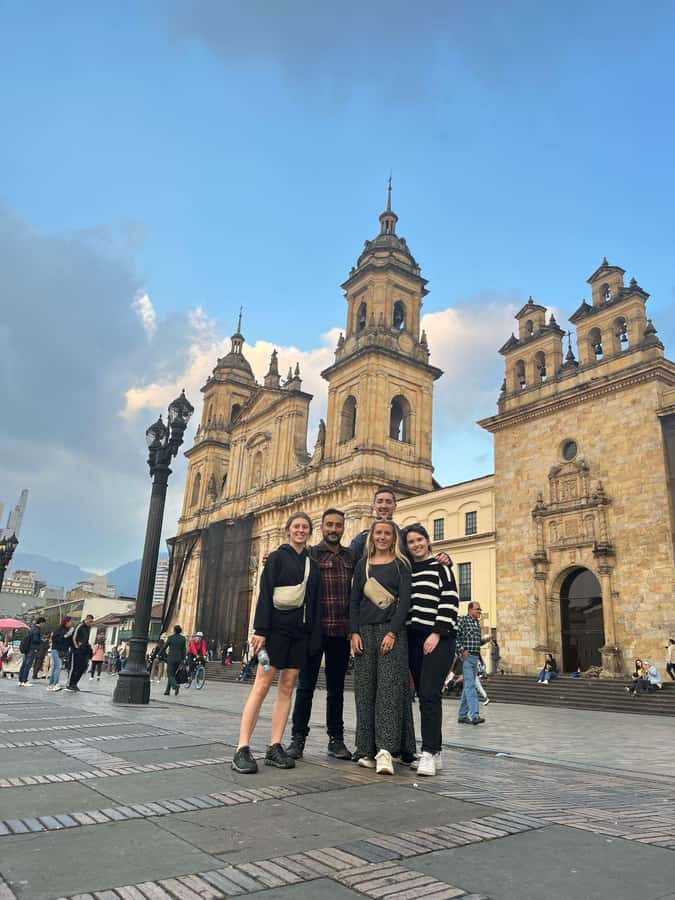
Plaza de Bolívar is the center, the hub, the place that feels like the city’s living diagram. The tour guides you through what makes it the heart of Bogotá, surrounded by iconic buildings such as the Palace of Justice and the National Capitol.
This stop is valuable because it gives you a framework for everything around it. When you learn what the buildings are and how they relate to the city’s civic story, the plaza becomes more than a photo spot. It becomes a reference point you can use later when you explore on your own.
One thing I appreciate about a guided plaza stop: the guide can help you “read” the scene. Even if you only spend a short time there, you leave with a mental map that reduces the effort you would otherwise spend trying to figure out significance.
Palacio San Carlos and Iglesia San Ignacio: Faith and Authority in the Same View
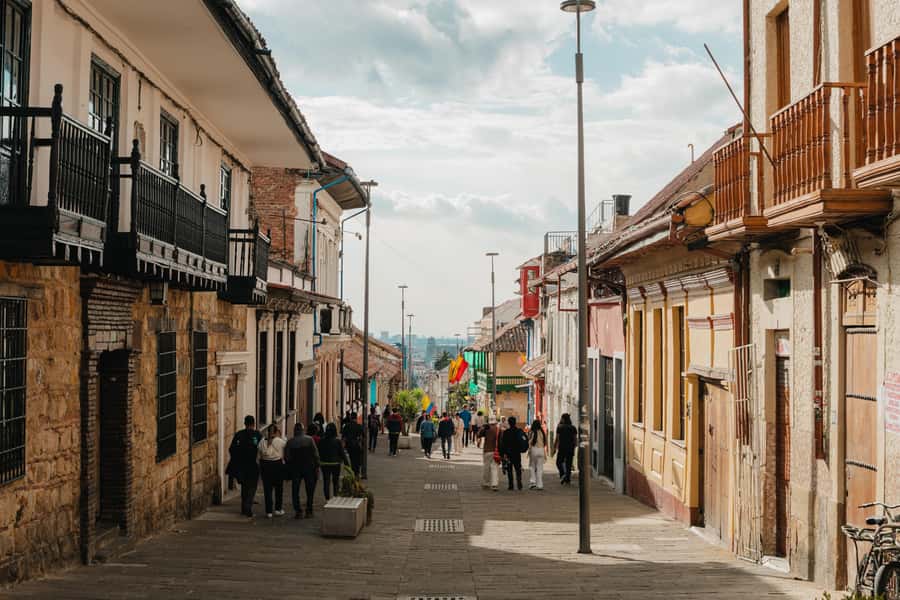
The tour also includes two stops that show different kinds of power.
Palacio San Carlos is described as the former official residence of the President of Colombia. That means the building carries political weight, not just architectural charm. Even without going inside, you understand why the location matters in the civic ecosystem of Bogotá.
Then you shift to Iglesia San Ignacio, a Catholic religious temple built in the 17th century. This is where the city’s spiritual timeline becomes tangible. A church built in the 1600s is a reminder that daily belief systems were part of how power was expressed and organized.
If you care about architecture, these stops help you compare styles and eras without needing to be an expert. The guide’s job here is to translate visual cues into plain language.
Casa de La Pola: A Liberation Story You Can Walk To
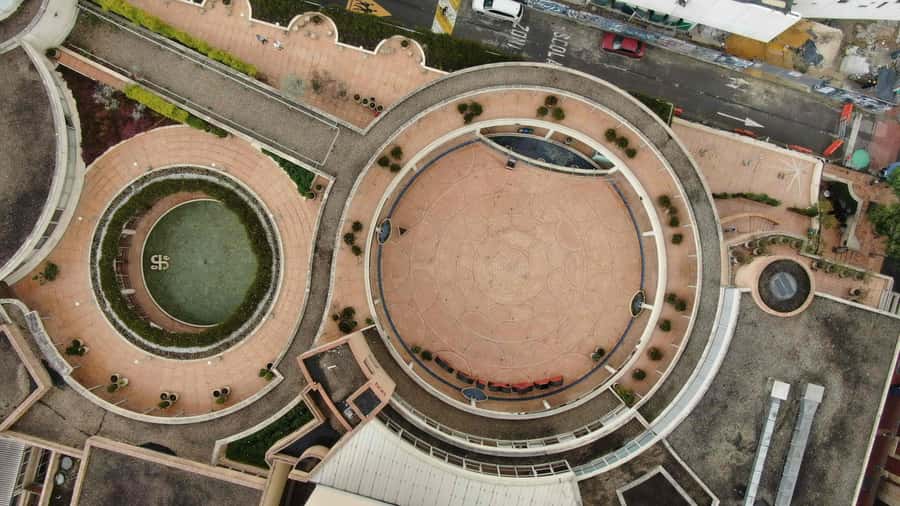
Casa de La Pola is part of the route for a reason. This is the residence of Policarpa Salavarrieta, a heroine tied to Colombia’s liberation campaign. When you connect a person to a specific address, the story stops feeling like textbook material.
This stop also balances the walk nicely. After plazas, theaters, and government-linked buildings, you get a more personal narrative anchored to a named figure. It’s the kind of historical connection that makes the entire tour stick in your mind.
I suggest you treat this as a moment to slow down. Take a minute to look at the setting and imagine what life might have looked like when the story unfolded. A couple of quiet seconds can make the historical context feel real.
Manzana Cultural and the Botero Museum Finish: Art as the Payoff
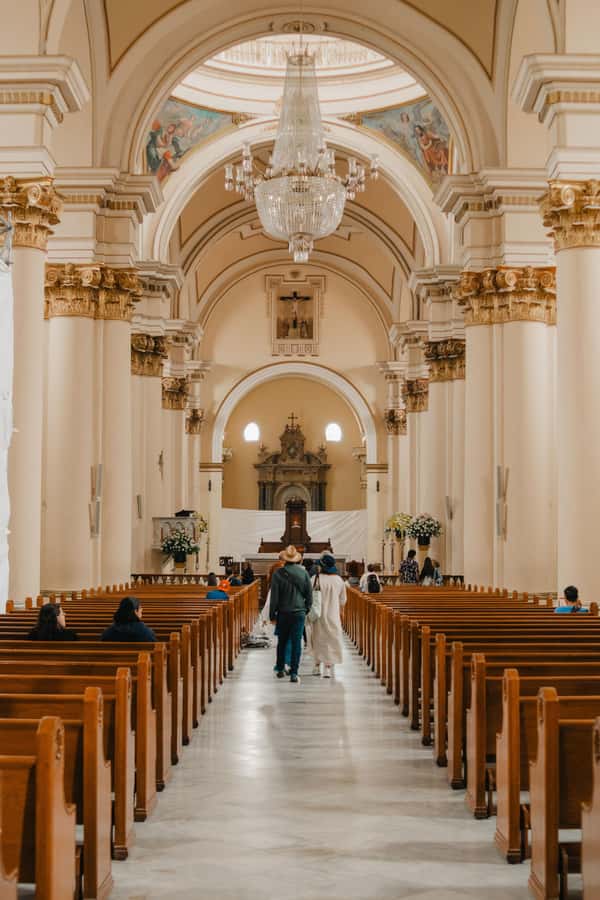
The tour ends at the Botero Museum, which is a smart move. You finish with art after you’ve spent the whole walk learning about the city’s structure, stories, and symbolism.
Manzana Cultural is a key lead-in here. It houses three of the most important museums, including the Botero Museum. Even if you do not plan to explore all three, the stop helps you understand that this is not a random museum strip. It is a concentrated cultural zone.
Why the finish matters for you: it’s a clean way to turn knowledge into emotion. The streets give you context, and then the museum gives you something you can stay with longer.
If you want to extend your day, keep energy for browsing at your own pace after the guided part ends. You will likely find that the museum experience feels more intentional once you’ve connected it to the cultural center around it.
Guides, Pace, and How to Get the Most Out of Your 150 Minutes
The tour runs with a live guide in English and Spanish. That bilingual structure is more than convenience. It typically means the guide can shape explanations clearly for different language backgrounds, so you do not have to work around confusing phrasing.
The guides also seem to carry the experience. People highlight guides like Sharik and Jorge for being strong on local context, answering lots of questions, and keeping the walk dynamic. That is exactly what you want from a walking tour: a person who can handle your curiosity without making you feel rushed.
Here’s how you can maximize your experience:
- Come with at least a few questions, even simple ones like what connects one landmark to another
- Save your big photo pauses for moments when the guide finishes a story
- Wear comfortable shoes, because this is a walking route through multiple landmarks
Also, the tour is wheelchair accessible, which is a major plus. Still, the route is in an older neighborhood, so you will want to go slow and be ready for uneven surfaces depending on the path of the day.
Price and Value: What $16 Really Buys in Bogotá
At $16 per person for a 150-minute guided walk, this is strong value if your priority is context. You are paying for interpretation, not just movement from one sight to the next.
It also includes an expert guide plus entrance to some museums and churches. That matters because without entrances, a “highlights tour” can turn into mostly exterior sightseeing. Here, you get at least some time where you are inside, learning and seeing more than stone facades.
A walking tour for this price is also ideal if you want to get oriented early in your trip. You can use what you learn to build a second day around the places you loved most.
If your goal is only museums with long time inside each, you might feel the pace is too short. But if your goal is understanding Bogotá’s heart and getting smart recommendations afterward, this price fits the mission.
Should You Book Candelaria Unveiled: Cool-tural Heritage Walking Tour?
I’d book this tour if you want a well-paced introduction to Bogotá’s historic center, especially La Candelaria. It’s a good fit if you like street-level history, want key landmarks explained, and value having museum and church entrances included.
Skip it or plan alternatives if you need long museum time, hate walking, or you are traveling with limited mobility where even a short route could be uncomfortable. It is also not suitable for people over 95 years.
If you want one practical decision rule, use this: if you want to leave with a mental map and context you can use the next day, book it. If you already know the area and only want deep time inside museums, save your money for self-guided exploring or a longer specialized tour.
FAQ
Where is the meeting point for the tour?
You meet in front of the Monumento a Policarpa Salavarrieta.
How long is the walking tour?
The tour lasts 150 minutes.
How much does the tour cost?
It costs $16 per person.
What languages are available for the live guide?
The live guide is available in English and Spanish.
What is included in the price?
The price includes an expert guide and entrance to some museums and churches.
Where does the tour finish?
The tour finishes at the Botero Museum.
Is the tour wheelchair accessible?
Yes, the tour is wheelchair accessible.
Is there a refund if I need to cancel?
Yes. You can cancel up to 24 hours in advance for a full refund.
More La Candelaria Walks
- La Candelaria, Monserrate and Museums Bogotá Private City Tour
★ 5.0 · 1,567 reviews - Bogota + Monserrate Private City Tour, Museums, Candelaria.
★ 5.0 · 1,015 reviews - Graffiti Tour in La Candelaria Bogotá
★ 5.0 · 315 reviews - Bogotá: La Candelaria Graffiti & Urban Art Guided Tour
★ 4.7 · 250 reviews
Hot off the list in Bogota
- Tour of Zipaquirá: Visit the Salt Cathedral and the main squares★ 4.5 · 55 reviews
- Zipaquirá and Salt Cathedral Muisca Heritage with Guide – Private★ 4.5 · 23 reviews
- Catedral de Sal desde Bogotá en Tren★ 5.0 · 5 reviews
- Zipaquira Salt Cathedral★ 5.0 · 4 reviews
- LOCAL GUIDE Zipaquirá PRIVATE TOUR – Salt Cathedral and Salt Oven★ 5.0 · 24 reviews
- Zipaquirá Salt Cathedral: An architectural wonder.★ 4.5 · 24 reviews
- Private Zipaquira Salt Cathedral and Guatavita Lagoon Tour from Bogota★ 4.5 · 44 reviews
- Zipaquira Salt Cathedral★ 4.5 · 12 reviews
La Candelaria Tours, compared.
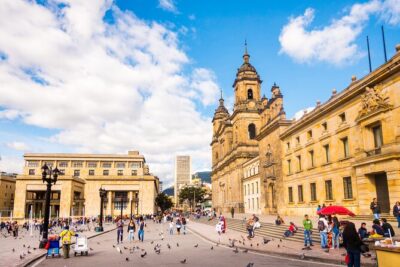
La Candelaria, Monserrate and Museums Bogotá Private City Tour
Read our review →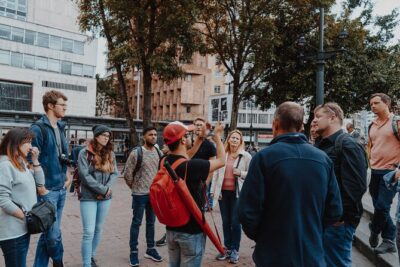
Shared Tour of the Historic Candelaria in Bogotá
Read our review →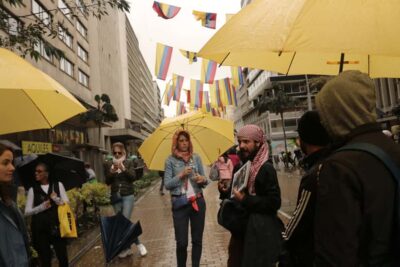
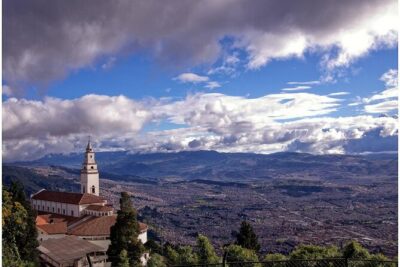
Bogota + Monserrate Private City Tour, Museums, Candelaria.
Read our review →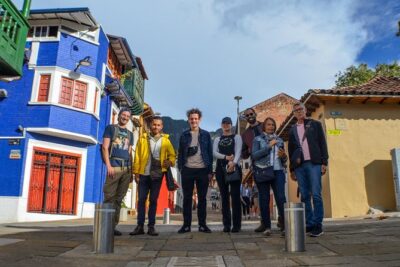
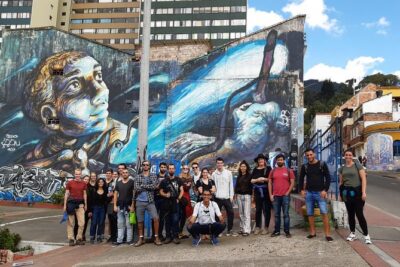

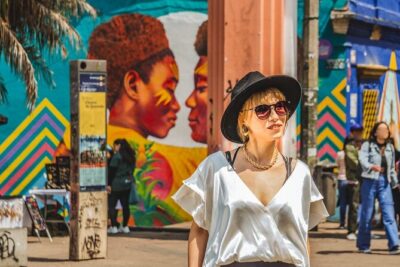
Private Tour in Bogota : Monserrate, Museums and Candelaria
Read our review →Browse the lists this tour appears in