REVIEW · BOGOTÁ TOURS
Cathedral of Sal Tour : an hour from Bogota
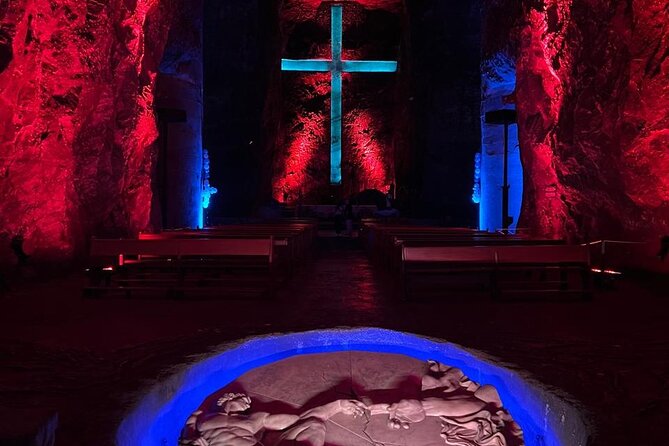
A salt mine cathedral sounds odd, then it clicks fast. The Cathedral of Sal is one of those rare places where faith, engineering, and art share the same underground space, 180 meters down, lit in colored tones. I love the scale of the underground architecture, from the 16-meter salt-carved cross to the “Water Mirror” effect. I also love that your day is paced well, with comfortable private transportation from Bogotá so you spend less time wrangling logistics. One main thing to plan for, though: the entrance ticket is not included, so you’ll add COP 118,000 per person on arrival.
If you want a smooth half-day that feels like a real outing, this works. It’s listed as a private tour, meaning only your group rides together, and you’ll have bottled water, WiFi, and air-conditioning on the drive. The interior visit runs about two hours, and you’ll get the on-site experience from the cathedral team, plus audio support inside.
In This Review
- Key Things That Make This Cathedral of Sal Day Special
- The Salt Cathedral That Changes How You Think About Churches
- From Bogotá to the Mine: Private, Comfortable, and Simple
- Entering the Underground Cathedral: What the 2 Hours Feel Like
- Via Crucis: The 14 Salt Stations and Why They Work
- Dome, Grand Cross, and the Three Ships: Symbolism You Can Actually See
- The Dome and the Grand Cross
- The Three Ships
- The Water Mirror: The Reflective Moment People Remember
- Price and Value: What You Pay For, and What to Budget
- Timing, Pacing, and Why Private Transport Matters Here
- Who This Tour Fits Best (and Who Might Reconsider)
- Quick Tips to Get the Most Out of Your Cathedral of Sal Visit
- Should You Book the Cathedral of Sal Tour?
- FAQ
- How long is the Cathedral of Sal tour from Bogotá?
- What does the $100 per person price include?
- Is the entrance ticket to the Cathedral of Sal included?
- Is a private guide included inside the mine?
- What if I need pickup from a specific place in Bogotá?
- What is the cancellation policy?
Key Things That Make This Cathedral of Sal Day Special
- 180 meters underground in a salt mine, with cathedral spaces carved into salt rock
- Via Crucis with 14 stations cut into the salt, telling the story step by step
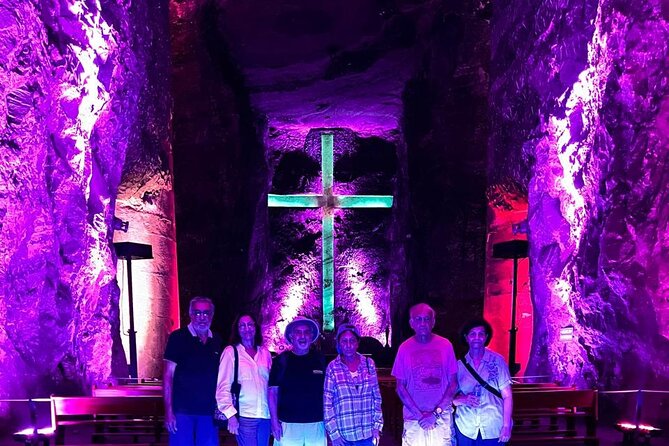
- A 16-meter cross in the central nave, made of salt, designed to be the focal point
- Three Ships symbolism (Birth, Life, and Death and Resurrection) with altar and prayer areas
- Water Mirror saline lake effect, a reflective moment that’s great for photos
The Salt Cathedral That Changes How You Think About Churches
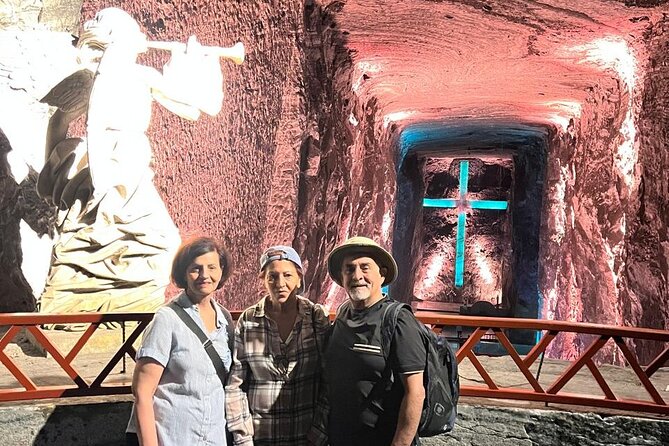
The Cathedral of Sal is not a church in the usual sense. You do not enter a building and look around. Instead, you travel into the earth, then the architecture starts doing strange, wonderful work on your imagination.
Because it sits inside an active-feeling underground mine space, the setting alone is memorable. Colored lighting bounces through the corridors and open chambers, turning the salt surfaces into part of the show. If you like places where materials matter, you’ll appreciate how the salt itself becomes the medium for the religious artwork and structures.
I also like that the site is designed like a guided story. You are not just looking at walls. You move through designed themes, with the Via Crucis stations, then big symbolic anchors like the dome, the grand cross, and the three ship sections.
More things to do in Bogota:
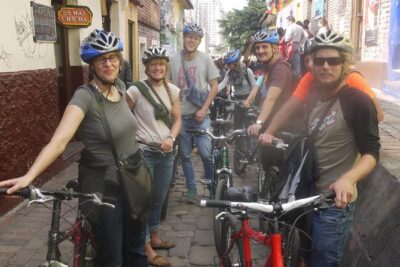
- Bogotá Bike Tour
★ 5.0 · 3,329 reviews - Bogota: Bicycle City Tour
★ 4.9 · 2,156 reviews - Zipaquirá: Salt Cathedral Group Tour with Pickup
★ 4.8 · 1,606 reviews
From Bogotá to the Mine: Private, Comfortable, and Simple
Most days in Bogotá start with one main question: how do you get out of town without wasting your whole day? This is built for that. You get private transportation from Bogotá, plus an air-conditioned vehicle and bottled water, and WiFi on board.
Pickup is flexible. You tell the provider where you want to start, then they confirm your exact meeting details via WhatsApp about 24 hours before the service. That matters because it reduces the back-and-forth and helps you avoid the common tourist problem of guessing where the driver is.
Time-wise, plan for a 5 to 6 hour total day. The visit inside the cathedral is about 2 hours, which usually feels like the right length for a place with intense visual details. You get enough time to take it all in without feeling rushed the moment you step underground.
Entering the Underground Cathedral: What the 2 Hours Feel Like
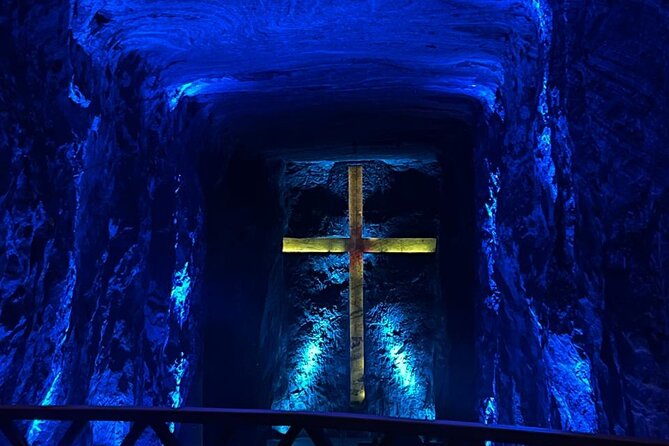
Once you’re inside, the experience is centered on the cathedral’s main features. The big idea is simple: you’re going to spend the majority of your time walking through spaces carved from salt, with lighting that makes everything look almost unreal.
Expect a sense of discovery as you move through the main zones:
- An impressive underground architectural setting, lit in colored tones
- Stations carved from salt rock for the Via Crucis
- Major focal points like the dome and the large cross
- The thematic “ship” areas
- A reflective water moment, the Water Mirror saline lake
A helpful detail for pacing is that the cathedral team is already set up to guide the interior experience. Your entrance includes the official visit setup and audio support, so you can focus on the space instead of worrying about filling the time with extra explanations.
Via Crucis: The 14 Salt Stations and Why They Work
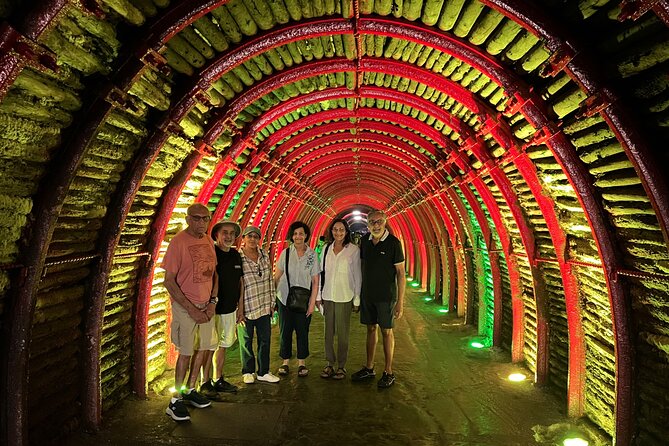
The Via Crucis is one of the most specific features of this visit. There are 14 stations, each carved from salt rock, showing Jesus’ journey to crucifixion.
What makes this work so well underground is the material. Salt is not a neutral backdrop. The carvings and surfaces look crisp and textured, and the lighting adds contrast that helps your eyes follow the story.
If you’re the kind of traveler who likes to slow down for meaningful details, this portion is your moment. Even if you’re not doing this as a religious pilgrimage, you can still appreciate it as large-scale religious art executed with difficult materials and real spatial planning.
Same city, a completely different day:
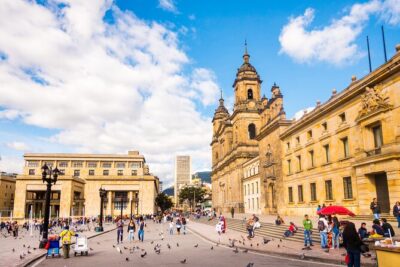
- La Candelaria, Monserrate and Museums Bogotá Private City Tour
★ 5.0 · 1,567 reviews - Shared Tour of the Historic Candelaria in Bogotá
★ 5.0 · 1,551 reviews - Bogotá: Guided La Candelaria Walking Tour
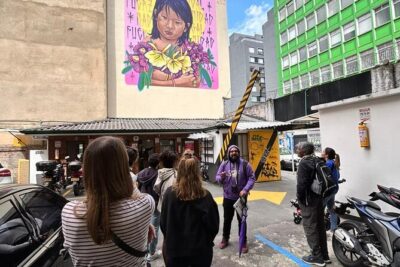
★ 4.8 · 1,229 reviews - Graffiti Tour: a fascinating walk through a street art City
★ 5.0 · 1,074 reviews
Dome, Grand Cross, and the Three Ships: Symbolism You Can Actually See

The cathedral’s layout is built around big symbolic anchors, and they’re hard to ignore once you’re there.
The Dome and the Grand Cross
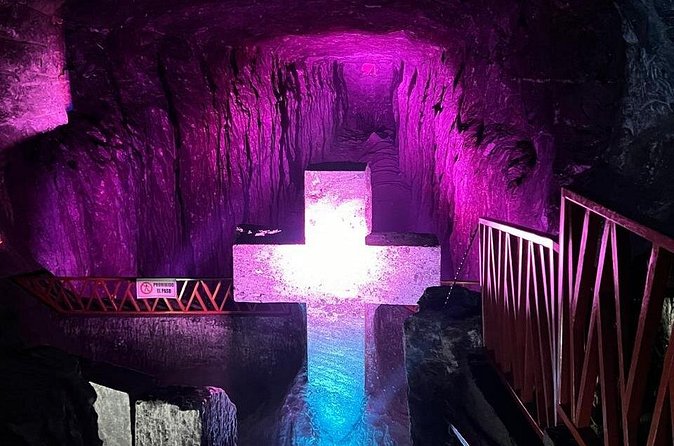
The dome represents the connection between heaven and earth. Then, in the central nave, you’ll see a massive cross of 16 meters. It’s described as the largest salt sculpted cross in the world, and it is meant to be the visual centerpiece.
This is a good spot to do two things:
- Look from a distance first so your brain gets the scale
- Then move closer to notice the sculpted salt texture and how the lighting shapes the form
The Three Ships
The “Three Ships” sections are the kind of feature that turns a quick visit into a memorable one. You’ll see three themed areas:
- Ship of the Birth, with a salt altar and a manger representation
- Ship of Life, with the largest cross plus prayer spaces
- Ship of Death and Resurrection, representing the passage to eternal life
These sections are a strong example of how the site doesn’t just put religious messages in one room. It spreads them across a route, so the story builds as you walk.
The Water Mirror: The Reflective Moment People Remember
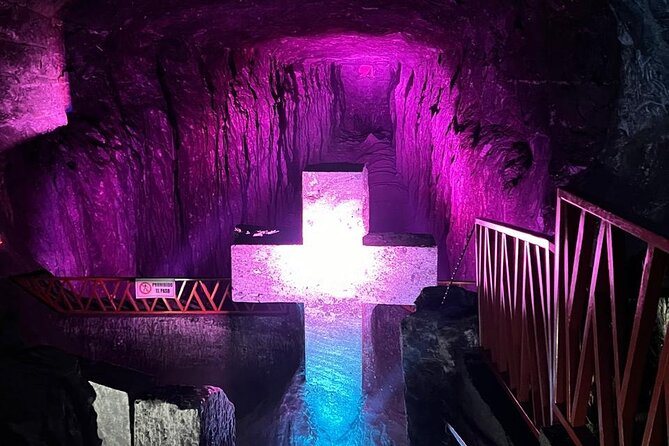
At some point, you’ll reach the Water Mirror, a saline lake designed to create a mirror-like effect. Even if you’re not chasing perfect photos, this is where the cathedral’s underground world feels most “other.”
Practical tip: treat it like a short photo window. Don’t overthink it. Take a couple photos, then look without the phone for a few minutes. The reflective effect is best appreciated when you’re not rushing.
Also, remember that this is a salt mine environment. You’ll likely move between different lighting zones, so your camera settings might need quick adjustments. If you’re using a phone, give it a moment to lock exposure before shooting.
Price and Value: What You Pay For, and What to Budget
The tour price is $100 per person, and for a day that includes round-trip private transport from Bogotá, air-conditioning, WiFi, and bottled water, it’s not an outrageous ask.
But here’s the key budgeting detail. The entrance ticket is not included. The listed entrance fee is COP 118,000 per person (noted as an exchange figure). So, your true total is your $100 plus the entrance fee you pay for the cathedral admission.
One more cost-related point: if you want personalized guidance, it’s listed as $50 per booking. At the same time, the cathedral entrance itself includes the official interior experience and audio support. So for most people, the value sweet spot is transport + a straightforward visit, unless you specifically want extra interpretation beyond the on-site setup.
Balance this against the common alternative, grabbing a ride on your own. If you hate logistics, the private transport is the real convenience. If you’re comfortable arranging your own timing and you’re on a tight budget, you might compare carefully. But for people who want a stress-free day, this usually feels like the safer choice.
Timing, Pacing, and Why Private Transport Matters Here
A 5 to 6 hour day can feel short or long depending on how you get there. Here, private transport helps you use the day efficiently.
Your day is structured so you’re not stuck waiting around in town. The interior time is about 2 hours, which is a reasonable match for the number of major features:
- Via Crucis stations
- the dome and grand cross area
- the three ships sections
- the reflective water moment
In plain terms, the cathedral is visually dense. The route works best when you can keep moving with comfort and not worry about returning on a strict schedule set by other people.
Who This Tour Fits Best (and Who Might Reconsider)
This tour is a good match if you:
- Want a simple half-day plan from Bogotá
- Prefer private round-trip transport
- Like architectural or art-driven experiences with strong religious symbolism
- Appreciate having a comfortable ride while you’re on the clock
It should also work for most visitors. Service animals are allowed, and the tour is described as near public transportation.
One consideration for expectations: while transport is private, the interior portion is run through the cathedral’s own visitor setup. If you expect a fully customized private guide walking you through every interior detail in your preferred style, you’ll want to consider the personalized guidance option.
Quick Tips to Get the Most Out of Your Cathedral of Sal Visit
Here are a few things that help, based on how this type of underground visit plays in real life:
- Plan your phone storage. You’ll want photos, especially at the Water Mirror and the grand cross zones.
- Wear comfortable shoes. You’ll be walking through carved spaces and corridors.
- If you care about language, choose English where available, and don’t assume your driver will act as your interior expert. The cathedral experience itself is supported by official staff and audio.
- Bring a little patience for timing. You’re traveling about an hour from Bogotá, then spending a focused block underground.
Should You Book the Cathedral of Sal Tour?
If you want a smooth, comfortable day with transport handled and a cathedral experience that’s designed as a full visual story, I’d lean yes. The Cathedral of Sal is one of those places where you remember the material, the lighting, and the scale, not just the facts.
I’d especially recommend it if you’d rather pay for convenience than spend energy on logistics. Private round-trip transport plus air-conditioning plus bottled water is a nice bundle when you’re doing a longer day trip.
I’d reconsider if your main priority is a deeply customized, fully private interior guide experience. In that case, either plan for the personalized guidance add-on or make sure you’re comfortable that the cathedral team leads the interior visit.
If you’d like, tell me your travel dates and how many people are in your group, and I’ll help you think through what timing might work best for the 5 to 6 hour window.
FAQ
How long is the Cathedral of Sal tour from Bogotá?
The tour duration is listed as about 5 to 6 hours, with about 2 hours for the cathedral visit.
What does the $100 per person price include?
It includes private transportation, WiFi on board, air-conditioned vehicle, and bottled water. You also receive a mobile ticket and the tour is offered in English.
Is the entrance ticket to the Cathedral of Sal included?
No. The entrance fee is listed as COP 118,000.00 per person.
Is a private guide included inside the mine?
The entrance to the cathedral includes the official on-site experience with support (including audio). If you want extra personalized guidance, it’s listed as $50.00 per booking.
What if I need pickup from a specific place in Bogotá?
Pickup is offered. You can specify your location, and the provider will contact you via WhatsApp 24 hours before to confirm the pickup point.
What is the cancellation policy?
There is free cancellation. You can cancel up to 24 hours in advance of the experience start time for a full refund.
Hot off the list in Bogota
- Tour of Zipaquirá: Visit the Salt Cathedral and the main squares★ 4.5 · 55 reviews
- Zipaquirá and Salt Cathedral Muisca Heritage with Guide – Private★ 4.5 · 23 reviews
- Catedral de Sal desde Bogotá en Tren★ 5.0 · 5 reviews
- Zipaquira Salt Cathedral★ 5.0 · 4 reviews
- LOCAL GUIDE Zipaquirá PRIVATE TOUR – Salt Cathedral and Salt Oven★ 5.0 · 24 reviews
- Private Zipaquira Salt Cathedral and Guatavita Lagoon Tour from Bogota★ 4.5 · 44 reviews
- Zipaquira Salt Cathedral★ 4.5 · 12 reviews
- Zipaquirá Salt Cathedral: An architectural wonder.★ 4.5 · 24 reviews
Bogotá Tours, compared.

La Candelaria, Monserrate and Museums Bogotá Private City Tour
Read our review →
Shared Tour of the Historic Candelaria in Bogotá
Read our review →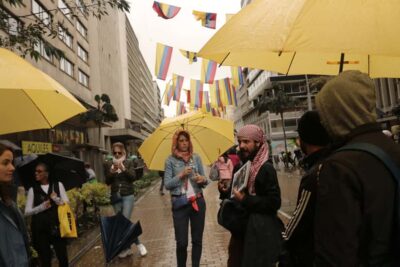
Graffiti Tour: a fascinating walk through a street art City
Read our review →