
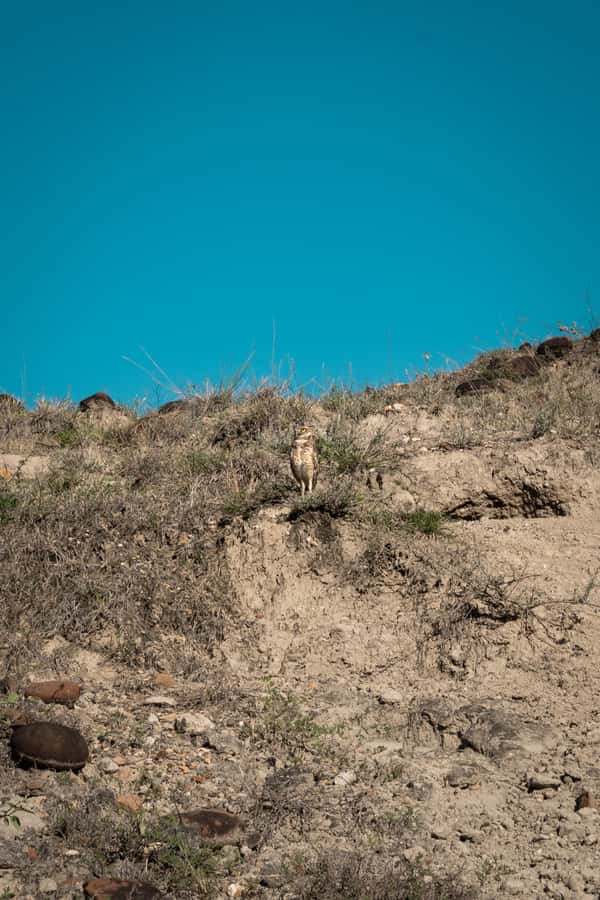
REVIEW · TATACOA DESERT TOURS
Community and Biodiversity Tour of the Tatacoa Neiva Desert
One day in the Tatacoa feels endless. This Neiva day trip strings together a Magdalena River boat cruise and wildlife-filled desert hikes, then ends with a sunset look at the sky at Astrosur. You also get community tourism built into the route, so the money you spend has a clearer path back to local life in Huila.
I like that the itinerary balances animals, plants, and geology, not just photo stops. The bilingual guide experience (English and Spanish) also makes the natural history part feel easier to follow. The main drawback to plan around is the long, active day in the sun, plus you’ll need to bring cash because card payments aren’t the norm, and two key entrances cost extra.
In This Review
- Key things that make this Tatacoa biodiversity day special
- Neiva to Villavieja: the day starts with history and gets your bearings fast
- A Magdalena River cruise: turtles, birds, and the life you do not expect
- Backpackers Neiva nature reserve: cacti lessons and lakes with reptiles and birds
- Tatacoa Desert walk time: Red Desert vibes and fossil hunting energy
- Valle de los Xilópalos: rock formations, fossils, canyons, and community culture
- Lunch and a breather before the next round of heat
- Piscina Mineral: the best way to cool off is to actually get in
- Desierto Rojo and Las Ventanas Mirador: iron-stained soils, then big views
- Astrosur Observatory at sunset: when the desert day ends in the stars
- Price and value: $56 plus a few extra fees
- Logistics that actually matter on this day tour
- What to bring for a hot desert day that ends at night
- Who this community and biodiversity Tatacoa tour is best for
- Should you book this Tatacoa desert community and biodiversity tour?
- FAQ
- How long is the Community and Biodiversity Tour of the Tatacoa Neiva Desert?
- Where does the tour start and is pickup included?
- What is included in the price?
- What is not included, and how much are the extra entrances?
- What languages are available on the tour?
- Is there a small group size limit?
- Do I need to bring cash?
- Is the observatory included, and when do you visit it?
- What should I bring, and what is not allowed?
Key things that make this Tatacoa biodiversity day special
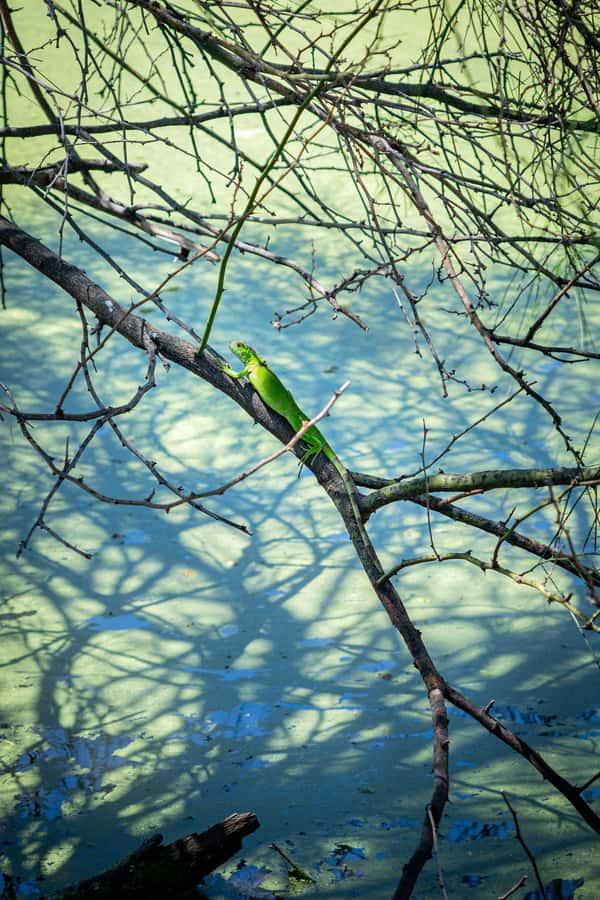
- Magdalena River boat cruise with wildlife viewing, including turtles and exotic birds
- Two desert walking segments (the desert hikes are a top highlight)
- Tatacoa paleontology and fossil scenery, tied to the Red Desert’s iron-stained soils
- Community tourism in the Xilópalos Valley, focused on culture and traditions
- Piscina Mineral time to swim or simply cool down
- Astrosur Observatory at sunset with experts guiding you through the universe
Neiva to Villavieja: the day starts with history and gets your bearings fast
You’ll be picked up in Neiva from your hotel, hostel, or Airbnb, then you head toward Villavieja in private vehicles. It’s a long day, but that direct transport helps you avoid the usual hassle of piecing together buses and rides in Huila.
Villavieja is where you get a quick dose of town energy before the desert heat. There’s a guided visit and short walking time, and you’ll also see the imposing Megaterio in the central plaza. It’s a nice reset moment, because the Tatacoa later can feel like you’ve stepped onto another planet.
More Tatacoa Desert trips:
- Neiva: Guided Day Trip to the Tatacoa Desert with Lunch
★ 4.8 · 76 reviews - Community and Biodiversity Tour of the Tatacoa Desert from Neiva
★ 5.0 · 29 reviews - Discover the Tatacoa Desert with a Local
★ 5.0 · 20 reviews
A Magdalena River cruise: turtles, birds, and the life you do not expect
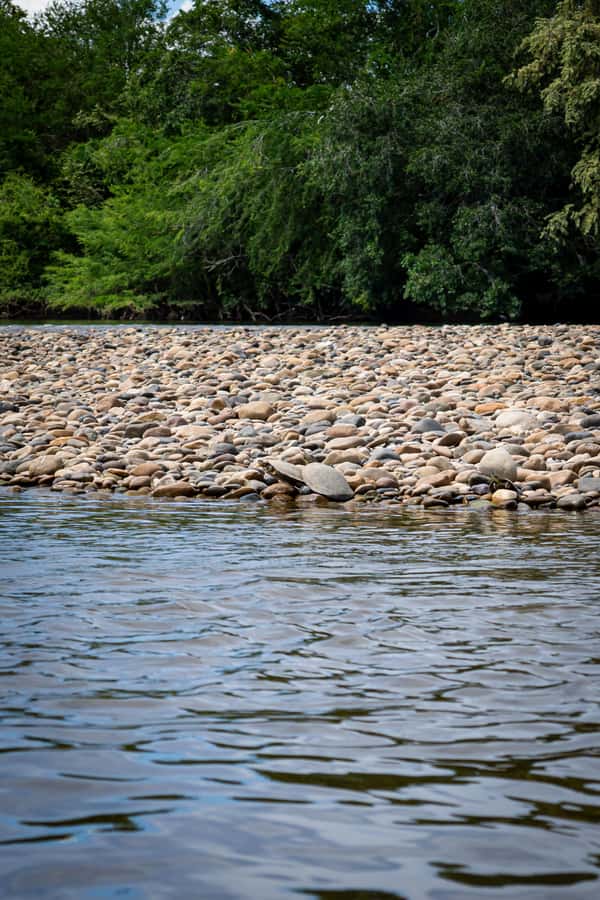
One of the best parts of the day is the Magdalena River stop. You’ll head to the Puerto Fluvial Malecon Ferri Motos area, then enjoy a boat cruise with wildlife viewing for about 20 minutes.
This isn’t a long cruise, so you should treat it like a short wildlife sprint. The good news: it’s timed well, and the focus is on spotting living things along the river edges. You’re specifically looking out for turtles, exotic birds, and the flora and vegetation that hug the water.
If you care about biodiversity, this is a smart opener. It reminds you that the region isn’t just dry land and rock. It’s an ecosystem with water nearby, and the contrast makes the desert stops later feel even more dramatic.
Backpackers Neiva nature reserve: cacti lessons and lakes with reptiles and birds
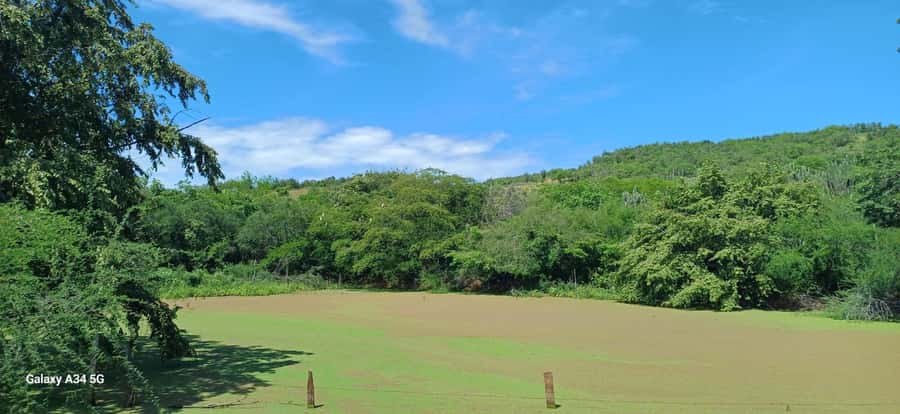
After Villavieja, you move into a Backpackers Neiva nature reserve area. Here you’ll tour the reserve with guided time, and you get to see a mix of terrain features that support different kinds of wildlife.
One of the standout details is the presence of lakes inside the reserve, where reptiles and birds live. Even if you only catch quick glimpses, it’s the kind of setting that changes how you read the desert. You stop thinking of it as empty, and start thinking of it as adapted.
You’ll also learn about cacti, including different types and how they reproduce. That might sound like schoolwork, but it’s the practical kind of nature knowledge that makes your photos better. When you understand what you’re looking at, you take photos with purpose, not just hope.
Tatacoa Desert walk time: Red Desert vibes and fossil hunting energy
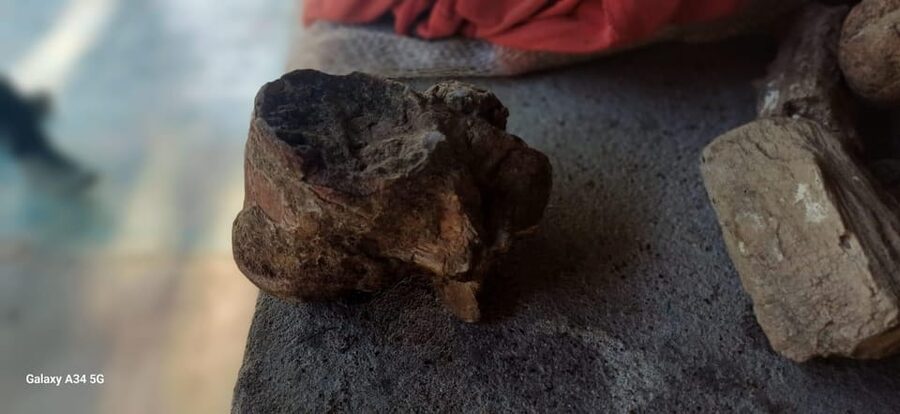
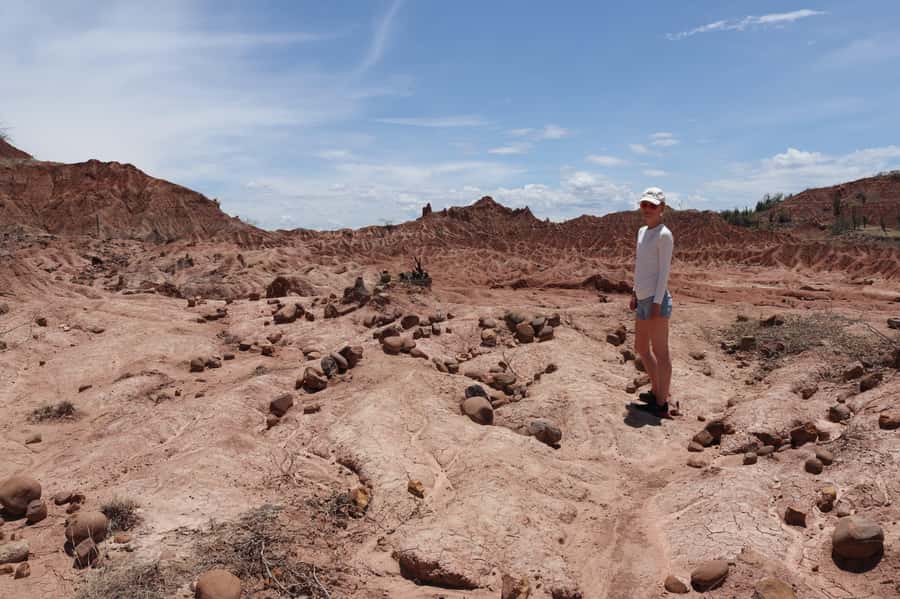
Once the day turns toward the Tatacoa itself, the pace shifts from cruising and strolling into real desert walking. Your Tatacoa Desert stop includes a guided tour plus a walk and wildlife viewing for about 30 minutes.
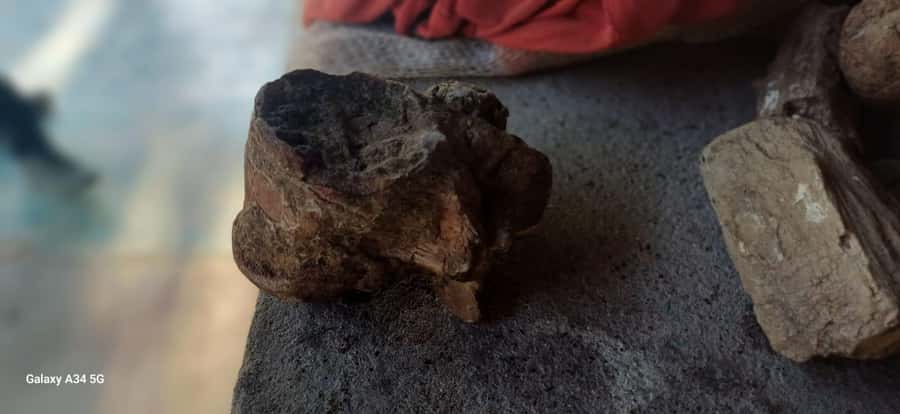
This is where the scenery does the talking, and where you get the story behind it. The desert’s Red Desert areas are described as having iron-soaked soil, and the route is set up so you can notice paleontological treasures along the way. Translation: you’re not just looking at color. You’re seeing clues about ancient life.
You’ll get a feel for how geology becomes biography. Rock and soil record time in a way that plants and animals can’t. It’s a great pairing for a day focused on community plus biodiversity plus paleontology.
Same city, a completely different day:
- Medellin: Comuna 13 Graffiti Tour, Cable Car & Street Food
★ 4.8 · 9,046 reviews - Comuna 13 Graffiti Tour with Street Food
★ 5.0 · 7,503 reviews - Museo Pablo Escobar
★ 5.0 · 7,242 reviews - Guatapé Tour: Piedra del Peñol with Boat Tour, Breakfast, Lunch
★ 5.0 · 7,035 reviews
Valle de los Xilópalos: rock formations, fossils, canyons, and community culture
Next comes the Valle de los Xilópalos. You’ll have guided time plus walking and hiking, with wildlife viewing for about 110 minutes. This is longer than the earlier desert stop, so wear your most comfortable sports shoes and plan to keep moving.
What makes Xilópalos special is the combination of rock formations, fossils, and canyon-like views. You’re in a geology-heavy zone, so expect more uneven ground and more chances to look down as well as out.
And this is also where community tourism enters in a meaningful way. You’ll interact with the local community, supporting development while learning about culture and traditions. That interaction is one of the reasons this tour feels more grounded than a purely sightseeing route.
Practical tip: if you want more time to talk and ask questions, this is the stop where you’ll benefit from slower attention during the walk segments. The group moves, but your curiosity does not have to.
Lunch and a breather before the next round of heat
After the morning hiking and guided time, you’ll enjoy lunch with a regional meal. Then you get free time for about an hour.
This is your chance to recharge, hydrate, and check your energy. The tour continues with swimming time later, but you’ll feel it more if you treat lunch like fuel, not just a pause.
If you’re sensitive to heat, you’ll feel the difference here. You can use the break to cool down and adjust your pace for the rest of the day.
Piscina Mineral: the best way to cool off is to actually get in
Piscina Mineral is a break point that includes free time plus swimming for about 105 minutes. This stop is one of the clearest rewards after several stretches of desert walking.
There is an entrance fee for the natural pools, listed as 10,000 pesos. If you budget ahead, you can avoid that end-of-stop scramble. Also, because swimming time is real, think practical: bring what you need to change or rinse off, and keep your water and sunscreen habits going.
Even if you do not swim much, the pool time is valuable. It’s a long pause that lets you see the day as more than walking. It also helps you recover before the Red Desert and viewpoints later.
Desierto Rojo and Las Ventanas Mirador: iron-stained soils, then big views
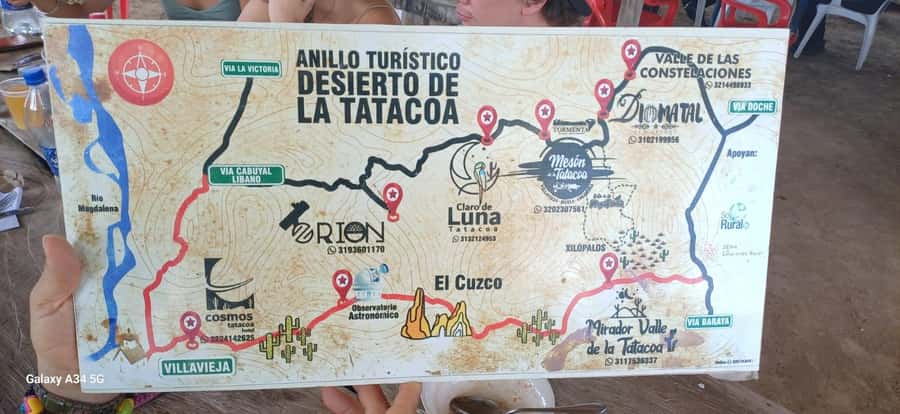
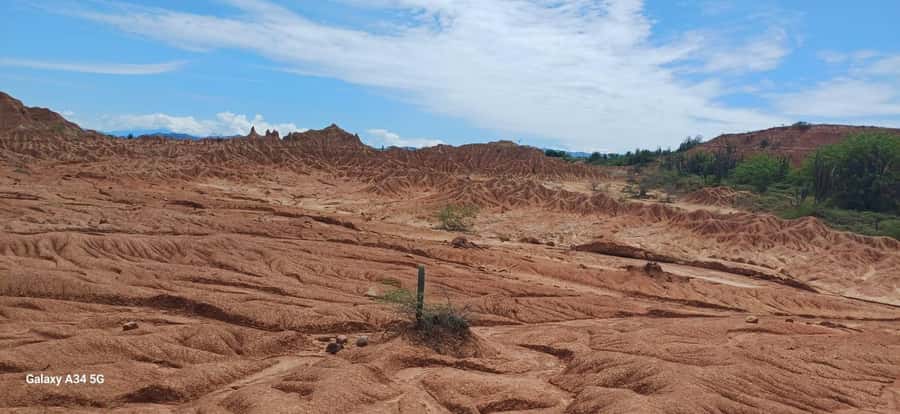
The route then takes you deeper into the Desierto Rojo area. You’ll get guided time and then free time, plus walking and hiking for about 105 minutes.
This is a key highlight of the day, and it’s also where you’ll notice why the desert walk is so praised. This is the part where you can slow down, look for fossil clues, and enjoy the terrain textures up close. The iron-soaked soil theme isn’t just a description, it shows up visually, and it changes how light hits the ground.
After that, you head toward Las Ventanas Mirador. You get break time and a scenic-view stop on the way for about 45 minutes. Miradors are short by nature, so use this one like a reset switch. Stop, look around, and let your brain absorb that canyon-and-sky feeling.
Astrosur Observatory at sunset: when the desert day ends in the stars
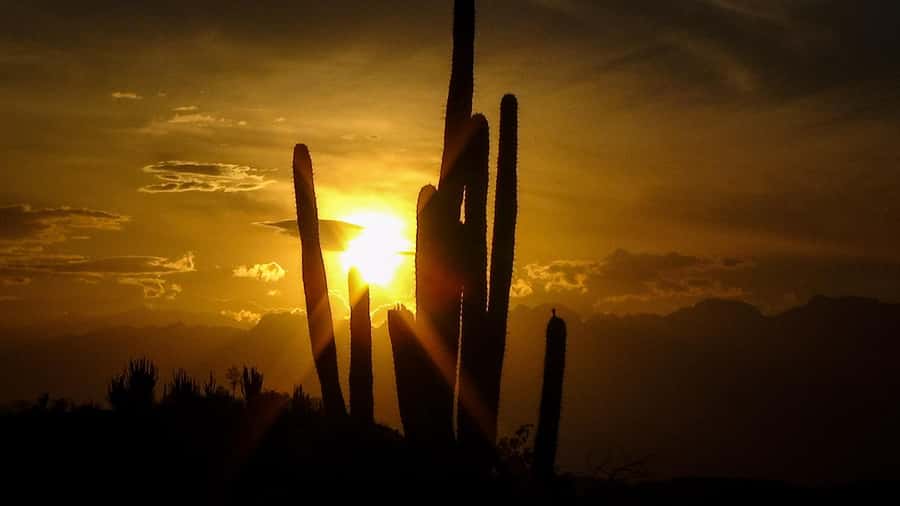
The final act is the Astronomical Observatory Astrosur. You’ll have guided time plus sunset viewing, with about 2.5 hours total at the observatory area.
This is where the tour becomes more than natural history. You’re shifting from fossils and desert adaptations to a guided look at the universe. It’s a strong contrast for a day that starts with river turtles and ends with questions about space.
There is an entrance fee for the observatory, listed as 10,000 pesos. Since the sunset timing is part of what you’re paying for, arrive ready to settle in and stay attentive. The observatory segment lasts long enough that you’ll want to be comfortable for the whole viewing window.
Even if you are not a hardcore astronomy fan, this is a nice way to cap the day. The clear-sky payoff, when it happens, makes all the walking feel worth it.
Price and value: $56 plus a few extra fees
At $56 per person, this tour is priced as a full-day experience with real movement, not just a bus ride with quick stops. What you get is the big value driver: private transportation from Neiva and back, a bilingual guide, and entrance coverage for the red desert and Valle de los Xilópalos.
Lunch is included too. That matters, because food can get expensive on long outdoor days. Also included are the guided desert segments and the route planning that strings together river, reserve, desert, pools, viewpoints, and observatory.
Two costs to plan for are clearly listed:
- Natural pools entrance at 10,000 pesos
- Observatory entrance at 10,000 pesos
Also note the practical reality: you’ll want cash. The tour explicitly says people do not use transaction by card. If you show up with a card and no pesos, you’ll spend part of the day stressing. That’s not the vibe you want.
Logistics that actually matter on this day tour
This is a 14-hour day, so timing and stamina matter. The day includes multiple guided stops, free time pockets, and two longer hiking segments in the desert areas.
The group size is limited to 15 participants. That tends to make it easier to hear the guide, and it also helps keep the experience personal at the viewpoints and during walking time.
You can also skip the ticket line, which saves time when you’re working with sunset schedules and limited daylight.
In terms of what is not allowed: alcohol and drugs are not permitted. So keep it clean and focus on the scenery and the sky.
What to bring for a hot desert day that ends at night
Heat and sun are the main enemy here. The tour suggests sunglasses, a sun hat, and sunscreen, plus water. Wear sports shoes because you’ll walk and hike on uneven ground during the desert and Xilópalos sections.
You should also bring cash. Even if most of the tour is included, you’ll likely pay the natural pools entrance and the observatory entrance on-site.
A small planning note: because you’ll have swimming time at Piscina Mineral, consider having a simple way to keep your personal items dry. The tour does not list every item you might want, but smart swimmers plan for it.
Who this community and biodiversity Tatacoa tour is best for
This tour makes the most sense if you like a mix of wildlife, plants, and geology. You’ll get the Magdalena River biodiversity stop, the cacti reserve learning, desert walking, paleontology-focused scenery, and then the astronomy finish.
It’s also a good fit if you want community tourism that is not just a quick photo. The Xilópalos Valley interaction is designed to support local development while learning about culture and traditions.
Because it includes walking and hiking plus long active stretches, it is not suitable for people with mobility impairments. It is also not suitable for people with pre-existing medical conditions or motion sickness. If you know you get queasy in vehicles, the long day in private transport and the switching back and forth between stops could be an issue.
Should you book this Tatacoa desert community and biodiversity tour?
I’d book it if you want one day that covers the full Tatacoa spectrum: river wildlife, desert plants, red desert geology with paleontology interest, community culture, and a sunset astronomy session at Astrosur. The two desert walking segments are a standout for a reason, and the route is structured so you have time to actually look, not just rush by.
Skip it if you want a low-effort tour. This is a long, active day in hot conditions, and the experience depends on being able to walk and hike parts of the desert.
If you’re going and you plan ahead with sun protection, cash in pesos, and comfortable shoes, you’ll be set. This is the kind of trip where the value shows up in the details, not just the price tag.
FAQ
How long is the Community and Biodiversity Tour of the Tatacoa Neiva Desert?
The tour duration is 14 hours.
Where does the tour start and is pickup included?
It starts in Neiva, and pickup is included from your hotel, hostel, or Airbnb.
What is included in the price?
Included items are private transportation from Neiva to the desert and return, entrance to the red desert and the Valle de los Xilópalos, a bilingual guide, and lunch.
What is not included, and how much are the extra entrances?
Natural pools entrance costs 10,000 pesos. The observatory entrance costs 10,000 pesos.
What languages are available on the tour?
The live guide is bilingual, with English and Spanish. An audio guide is included in Spanish.
Is there a small group size limit?
Yes. The group is limited to 15 participants.
Do I need to bring cash?
Yes. The information says people do not use transaction by card, so bring cash.
Is the observatory included, and when do you visit it?
You visit the Astronomical Observatory Astrosur with a guided sunset experience as part of the day.
What should I bring, and what is not allowed?
Bring sunglasses, sun hat, sunscreen, water, sports shoes, and cash. Alcohol and drugs are not allowed.
Hot off the list in Colombia
- SkyKitchen 2-Hour Cocktail Class in Cartagena★ 5.0 · 23 reviews
- Private Baru Aviary Tour with Lunch Included★ 4.5 · 26 reviews
- Rosario Islands Private Day – Exclusive VIP Escape★ 5.0 · 21 reviews
- CITY WALLED CITY SEGWAY SKATEBOARD TOUR and GETSEMANI★ 5.0 · 30 reviews
- Shore Excursion private Luxury City tour of Cartagena★ 5.0 · 8 reviews
- Cartagena Culinary Private Tour: Local Flavors & Hidden Gems★ 4.0 · 6 reviews
- Zip Through Walled City and Barrio Getsemani by Segway★ 5.0 · 4 reviews
- Shore Excursion Mangroves tour★ 4.5 · 3 reviews
Tatacoa Desert Tours, compared.
Neiva: Guided Day Trip to the Tatacoa Desert with Lunch
Read our review →
Community and Biodiversity Tour of the Tatacoa Desert from Neiva
Read our review →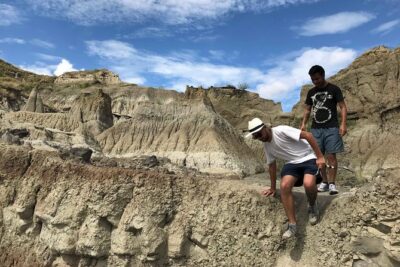
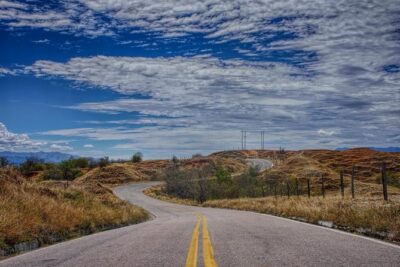
Desierto de la Tatacoa: paisajes y observación de estrellas.
Read our review →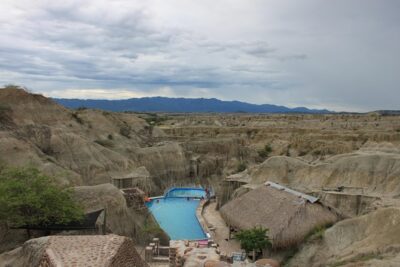
2-Day Private Tour to the Tatacoa Desert from Bogotá – Astronomy
Read our review →
Day Trip to Tatacoa Desert (Horseback, Boat, Stargazing, ..)
Read our review →Browse the lists this tour appears in