REVIEW · CARTAGENA TOURS
“Essential Cartagena” Private Tour.
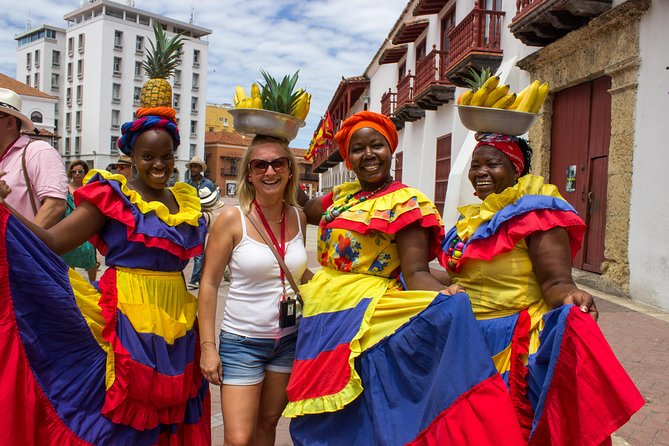
Cartagena tells its story through stone plazas. This private, 4-hour walk is built around customizable sightseeing, with a guide who explains what you’re seeing and why it mattered. I like that you can pick a start time that matches your day, then follow a route designed for an easy, logical circuit through the historic center.
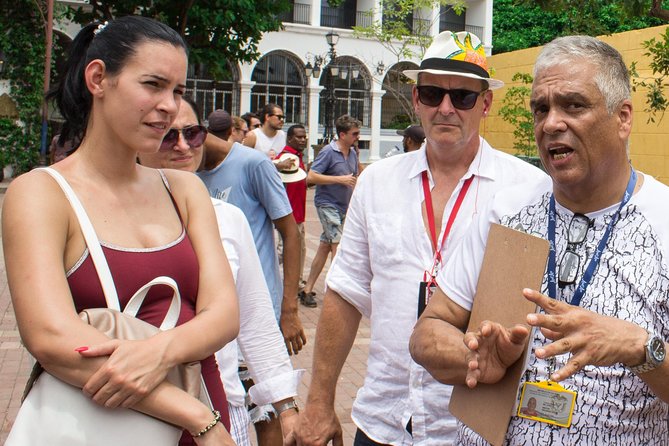
I especially love the private feel, because you’re not stuck staring at a group schedule. In real trips, guides like Néstor, Stefania, Jose, and Hector are singled out for storytelling and adapting to the group’s pace, including changing plans if someone needs a lighter walking day.
One consideration: you’ll cover a lot of ground on cobblestones, and rain can affect how much you fit in. The tour runs in good weather, so come prepared, and expect the guide to adjust if conditions turn messy.
In This Review
- Key things I think you’ll like
- Getting the most from Cartagena in a 4-hour, private format
- Start at the Torre del Reloj, then get your bearings fast
- Plaza de los Coches and Plaza de la Aduana: where trade and control happened
- From San Pedro Claver’s church to the port’s human cost
- Baluarte de San Ignacio and the bay views: defense in real time
- Museo Naval del Caribe: the one ticketed museum stop
- More bastions: Bocagrande, Bocachica, and the engineering of control
- Plaza de Bolívar, Palacio de la Inquisición, and symbols of power
- Museo del Oro Zenu: gold artifacts and pre-Hispanic roots
- Plaza Santo Domingo and Botero’s La Gorda: art in the middle of real life
- Fresh water, street food vibes, and La Serrezuela’s second life
- Getsemaní street art at La Plaza de La Trinidad, then back through the Camellón
- Price and value: why $140 can make sense here
- Who this private tour fits best
- Should you book this Essential Cartagena tour?
- FAQ
- How long is the Essential Cartagena private tour?
- How much does the tour cost?
- Is this tour private or shared?
- Where does the tour start and end?
- What’s included in the price?
- What isn’t included?
- Are there scheduled start times?
- Is there anything you need to pay attention to physically?
- What happens if weather is poor or you need to cancel?
Key things I think you’ll like
- Private and flexible route: your guide can tailor what you focus on and your walking pace.
- Cartagena’s defense plan in plain language: bastions, the bay, and naval history connect the dots fast.
- Free stops throughout the old city: many plazas and viewpoints have free entry, keeping your costs down.
- A guide who turns landmarks into stories: Néstor, Stefania, Jose, and Hector are highlighted for engaging explanations.
- Street level Cartagena, not just monuments: you’ll pass by Getsemaní street art and everyday food stops.
Getting the most from Cartagena in a 4-hour, private format
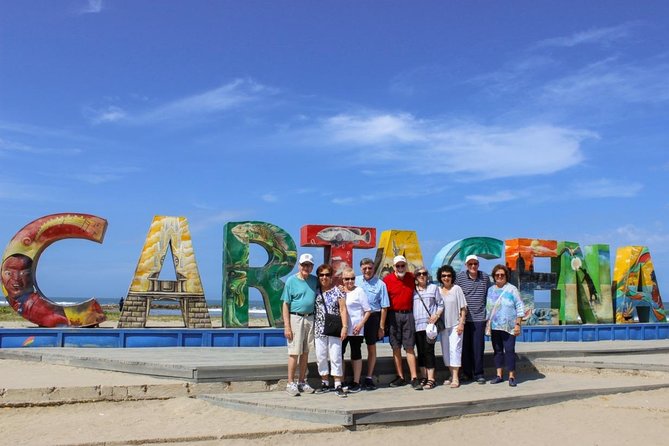
Cartagena can feel like a choose-your-own-adventure city. This tour is helpful because it gives you a spine for the day. You start at the Torre del Reloj area, then keep moving through plazas, bastions, and viewpoints that explain how this port city worked and defended itself.
The private setup matters. If you want history more than photos, you can steer that way. If your priorities are views, you’ll get more time on the viewpoints and less time where you’d rather wander on your own. On top of that, the guide can adjust for comfort level. One review example even notes a customized route for a traveler who couldn’t do long distances.
You’re also not paying for a big, formal museum block on top of the tour. Most of the stops along the way are free to enter, and only one museum ticket is listed as not included.
More things to do in Cartagena:
- Cartagena Island Hopping: 5-Stop Rosario Islands Tour with Lunch
★ 4.5 · 4,903 reviews - Cartagena: Historic Center and Getsemaní Shared Walking Tour
★ 4.9 · 2,716 reviews - Cartagena: Rosario Islands Catamaran with Lunch and Snorkel
★ 4.5 · 2,479 reviews
Start at the Torre del Reloj, then get your bearings fast
The tour begins at Monumento Torre del Reloj in El Centro, Boca del Puente, and it loops back to the same meeting point at the end. That’s more practical than it sounds. You don’t need to figure out how to return across town after 4 hours of walking, and you get a clean start point for photos and orientation.
From the first moments, your guide helps you read the city like a map. Cartagena’s old center is a series of walls, gates, plazas, and defensive points. Once you understand how those pieces relate, every next stop makes more sense. The Torre del Reloj also works as a visual anchor, because you can keep checking where you are relative to the walled city and the bay.
Practical tip: bring shoes that can handle uneven cobblestones. The tour keeps you moving, and the ground in this part of Cartagena is not made for flimsy soles.
Plaza de los Coches and Plaza de la Aduana: where trade and control happened
Your first cluster of stops focuses on the walled city’s public spaces and what they were used for. Plaza de los Coches is where people entered the walled city, and it’s also tied to the slave trade, plus it functioned as a transportation hub. The statue of Pedro de Heredia adds a founder-focused anchor, so your guide can connect the city’s beginnings to what later became its economic machine.
Then you head to Plaza de la Aduana, a key place for the flow of goods. Here, you learn about how items like gold and silver, and produce such as tobacco, potatoes, sugar, and fruits were shipped to Spain via the Galeón Armada. Imports came back through this same zone, so this plaza becomes your shortcut to understanding Cartagena as a trade crossroads, not just a picturesque postcard.
What I like about these two stops is how they set up the tour’s theme: Cartagena wasn’t only about buildings. It was about routes, power, and labor. Your guide’s explanations help you connect the physical plazas to the human systems that ran through them.
From San Pedro Claver’s church to the port’s human cost
Next comes Plaza de San Pedro Claver and the church dedicated to a Jesuit priest known for his work with enslaved Africans brought to America by this port. The tour frames it as both a place of faith and a place of human impact. If you like history that doesn’t sugarcoat the past, this stop lands well because it turns a church visit into a story about service and survival.
It’s also one of those stops that makes the whole day feel more grounded. Earlier, you learned about trade and shipping. Here, you learn about what those shipments meant for people.
Even if you’re not a church person, this is worth it because it helps you interpret the next layers of Cartagena. Defense, government buildings, and later political monuments all sit on the same historical foundation.
A few more Cartagena plans worth comparing
- Private Walking Tour in Cartagena Walled City & Getsemaní
★ 5.0 · 1,357 reviews - Cartagena : Full day 3 private islands
★ 5.0 · 558 reviews - The best private Transfer from/to Cartagena airport. ONE WAY
★ 4.5 · 513 reviews - Private City Tour of Cartagena
★ 5.0 · 480 reviews
Baluarte de San Ignacio and the bay views: defense in real time
Cartagena’s best lessons often come from looking outward. At Baluarte de San Ignacio, your guide shows you the Cartagena bay and the Bodeguita dock, and explains the city’s defense against pirates and enemies of the Spanish kingdom.
This is where the city stops being a timeline and becomes geography. When you see the bay layout from a bastion, the defensive logic makes more sense. You start to understand why certain places were watched, why ships had routes, and why fortifications weren’t decorative.
Then you move to Parque de la Marina, which shifts to naval history. You learn about Colombia’s navy roots and Admiral José Padilla, a hero nicknamed Prudencio by colleagues for bravery while he defeated the Spanish Armada with limited men and ships. It’s a turning point in tone from conquest and shipping into strategy and resistance.
If you like your history explained with locations and views, you’ll enjoy this chunk a lot. If you prefer fast museum-style facts only, you might still like it, but you’ll want to time your photos so you don’t slow the group too much.
Museo Naval del Caribe: the one ticketed museum stop
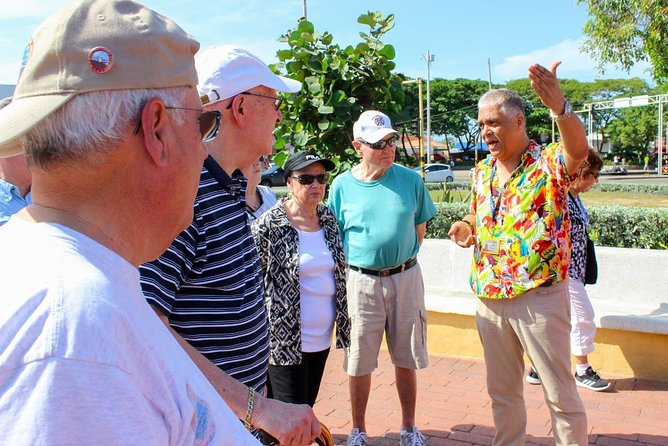
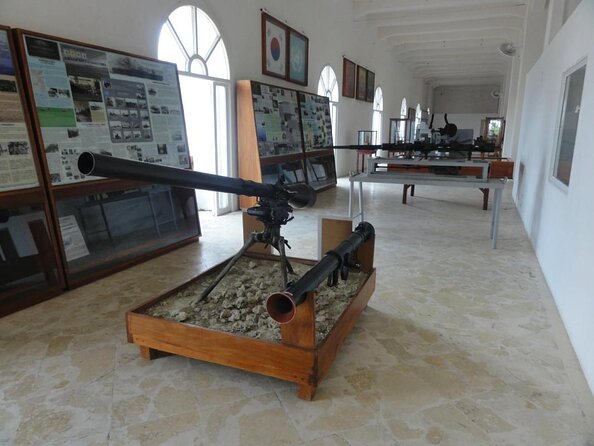
At Museo Naval del Caribe, you get about 30 minutes focused on naval viewpoint history, including how geography and nature made the site ideal for a defensive port. This is the only museum entrance that’s listed as not included, so if you don’t want to handle any extra payments, budget for the ticket here.
Why it’s valuable: the outdoor defense lessons you got at the bastions suddenly get supporting detail inside. The museum helps you understand why Cartagena’s coastline was such a strong military position and how the port functioned over time.
If you’re trying to do this with tight timing, this museum stop is where your schedule is most predictable. You’ll know you have a set 30 minutes, and the rest of the day stays in the free-plaza rhythm.
More bastions: Bocagrande, Bocachica, and the engineering of control
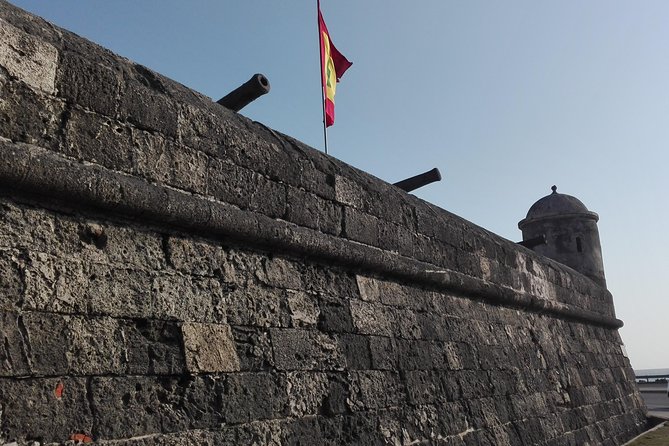
After the naval museum, the tour continues with Baluarte de San Francisco Javier, another viewpoint-focused bastion. From here, you look toward the coastline and in the distance Bocagrande. The tour explains that Spanish military engineers built an underwater jetty to impede navigation, guiding ships to a guarded entrance to the bay at Bocachica.
That detail matters. It’s not just a view, it’s infrastructure. When you hear why engineering was placed where it was, Cartagena’s defensive story becomes more than “big walls.” It becomes “systems that shaped movement.”
Later, you return to the high-walled city feel again at Baluarte de San Pedro Martir. This stop includes long-distance views toward Cerro de la Popa and the Castillo de San Felipe de Barajas. It’s one of those moments that helps you feel how the city’s defenders looked for threats from multiple angles, not one.
Plaza de Bolívar, Palacio de la Inquisición, and symbols of power
Plaza de Bolivar is a major city hub and a strong stop for understanding how political symbols evolved. Here you’ll see the Palacio de la Inquisición, plus the statue of Simón Bolívar, known as Libertador of five countries. The stop also references a Colombian beauty queens hall of fame, which adds a lighter thread to the square’s otherwise heavy historical weight.
This works as a balance. You’ve been walking through trade routes, slavery context, and defense. Then the tour returns to a central public square where national identity and institutional power are visible in one place.
If you like photo stops, this is one of the easiest places to pause without feeling like you’re breaking the flow of the tour.
Museo del Oro Zenu: gold artifacts and pre-Hispanic roots
Next is Museo del Oro Zenu, with about 30 minutes and free admission on the tour description. You’ll see gold artifacts made by the Zenú culture who inhabited this area before the Spanish arrived in the 16th century.
This is valuable for a simple reason: it prevents the day from becoming only colonial history. Cartagena is often discussed through the lens of the Spanish port system. This museum gives you a reminder that the region had established cultures and artistry long before that era.
If you’re a fan of material culture, you’ll appreciate this stop. You get craft details through a museum setting, while still keeping the day’s walking pace reasonable.
Plaza Santo Domingo and Botero’s La Gorda: art in the middle of real life
In Plaza Santo Domingo, you’ll see Gertrudis, commonly known as La Gorda de Botero, plus you’ll also appreciate the church of Santo Domingo, described as the first monumental construction at Cartagena.
This stop is a nice change from military and trade history. Botero statues can feel like a playful interruption, but they’re still part of Cartagena’s public storytelling. And the church adds continuity by reminding you that major constructions shaped daily life as much as defense did.
Fresh water, street food vibes, and La Serrezuela’s second life
Plaza Fernandez Madrid focuses on practical city history: how Cartagena residents got fresh water. It’s one of those topics that can sound boring until you realize it’s part of how a city survives. A guide can make it click by connecting water access to population, sanitation, and daily routines inside the walled area.
Then Plaza de San Diego brings you into a more modern, food-friendly scene. The tour describes it as a picturesque plaza where arts university students hang out, plus it’s known for excellent restaurants and street food. You might get to taste local options like arepa de huevo, caribañolas, or empanadas if you like.
One more stop, La Serrezuela, shows Cartagena’s ability to reuse space. It was a bullring and multipurpose arena, and now it’s a high-end shopping mall and a venue for concerts and shows. That contrast is useful. Cartagena isn’t trapped in the past. People still use these spaces, they just change purpose.
If you’re the type who wants one or two food moments during a history day, this is where to pay attention.
Getsemaní street art at La Plaza de La Trinidad, then back through the Camellón
The tour shifts gears at Plaza de La Trinidad in Getsemaní, where you’ll see some of Cartagena’s street art and colorful streets. Getsemaní often feels like the city’s creative side, and this stop gives you that atmosphere without turning the day into only sightseeing.
Then you walk by the Camellon de los Martires and Parque Centenario, passing the Convention Center area. This part of the route is a connector. It links the walled city energy to the surrounding neighborhoods, so you understand the city as a whole, not just as a museum-like circle.
Price and value: why $140 can make sense here
At $140 per person for about 4 hours, you’re paying for private guidance plus a route with lots of free stops. The tour includes bottled water and snacks. Alcoholic beverages are not included.
Here’s the value logic I’d use:
- You’re getting a guide who can explain context, not just point at buildings.
- You’re walking through many free plazas and viewpoints, which helps keep the total day cost under control.
- One museum ticket, Museo Naval del Caribe, is listed as not included, so you only need to plan for that one additional expense rather than a stack of paid admissions.
Is it expensive? It depends on your style. If you’d rather do everything solo with a map and a phone, you might spend less. But if you want the city’s defense story, trade history, and symbolic landmarks to make sense quickly, a private guide can be a real time-saver, and time in Cartagena is often the difference between a “nice visit” and a “wow, I get it now.”
Who this private tour fits best
This tour is a strong fit if:
- You like history tied to real places, especially fortifications and the port.
- You want a guide to adjust pacing and priorities.
- You’re comfortable with moderate walking on uneven surfaces.
It’s also a good match for first-time visitors who feel overwhelmed by how many “must see” stops Cartagena has. Instead of trying to pick 10 things and stitching them together yourself, you follow a planned loop with explanations.
If you hate walking, or if you need long breaks every few minutes, you might still enjoy the stories but you may want a shorter or less walking-heavy option. The tour description asks for moderate physical fitness, so be honest about your stamina.
Should you book this Essential Cartagena tour?
Yes, if you want your Cartagena day to feel organized and meaningful. The tour’s biggest strengths are the private pacing, the way it connects plazas to trade and power, and the defense-and-navy focus that makes the city’s geography click. Guides like Néstor, Stefania, Jose, and Hector are consistently praised for making history feel clear and engaging, and that matters when you’re walking through a city where it’s easy to miss why something is important.
Book it if you’re ready for cobblestones and can handle a steady 4-hour circuit. If it’s raining, expect the guide to adjust how much you cover, and plan for good shoes and a light rain layer.
If you want, tell me your travel dates and your walking comfort level, and I can suggest which start window is likely to feel easiest and how to pair this with the rest of your Cartagena plans.
FAQ
How long is the Essential Cartagena private tour?
It’s approximately 4 hours.
How much does the tour cost?
The price is $140.00 per person.
Is this tour private or shared?
It’s a private tour. Only your group will participate.
Where does the tour start and end?
It starts at Monumento Torre del Reloj, Boca del Puente, El Centro, Cartagena de Indias, Bolívar, Colombia. It ends back at the meeting point.
What’s included in the price?
The tour includes bottled water and snacks.
What isn’t included?
Alcoholic beverages are not included. The Museo Naval del Caribe entrance ticket is also not included.
Are there scheduled start times?
The listed opening hours include start windows on Monday and Tuesday: 8:00 AM to 9:00 AM, 10:00 AM to 11:00 AM, 3:00 PM to 4:00 PM, and 5:00 PM to 5:30 PM (local time).
Is there anything you need to pay attention to physically?
The tour is designed for travelers with moderate physical fitness, and it involves a fair amount of walking.
What happens if weather is poor or you need to cancel?
The experience requires good weather. If it’s canceled due to poor weather, you’ll be offered a different date or a full refund. You can cancel for a full refund up to 24 hours in advance.
Hot off the list in Cartagena
- SkyKitchen 2-Hour Cocktail Class in Cartagena★ 5.0 · 23 reviews
- Private Baru Aviary Tour with Lunch Included★ 4.5 · 26 reviews
- Rosario Islands Private Day – Exclusive VIP Escape★ 5.0 · 21 reviews
- CITY WALLED CITY SEGWAY SKATEBOARD TOUR and GETSEMANI★ 5.0 · 30 reviews
- Shore Excursion private Luxury City tour of Cartagena★ 5.0 · 8 reviews
- Cartagena Culinary Private Tour: Local Flavors & Hidden Gems★ 4.0 · 6 reviews
- Zip Through Walled City and Barrio Getsemani by Segway★ 5.0 · 4 reviews
- Shore Excursion Mangroves tour★ 4.5 · 3 reviews
Cartagena Tours, compared.
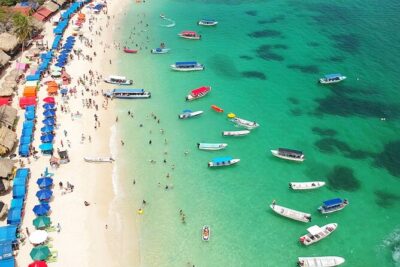
Cartagena Island Hopping: 5-Stop Rosario Islands Tour with Lunch
Read our review →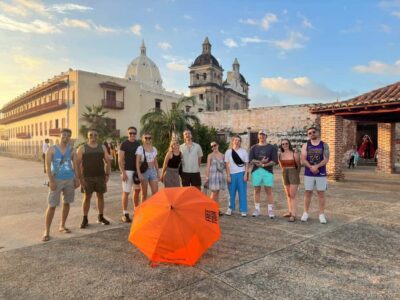
Historic Center and Getsemaní Shared Walking Tour
Read our review →
Rosario Islands Catamaran with Lunch and Snorkel
Read our review →
Full-Day Rosario Islands Including Barú, Bocachica & Playa Blanca
Read our review →
Half-Day Tour to Totumo Mud Volcano from Cartagena
Read our review →
Private Walking Tour in Cartagena Walled City & Getsemaní
Read our review →