
REVIEW · COMUNA 13 TOURS
Graffiti Tour in La Candelaria Bogotá with Transportation
Street art talks back in Bogotá. This 3-hour La Candelaria tour is fun, but it is also smart, tying murals to the city’s socio-political story. I love how the guide breaks down symbolism and context, and I love the focus on women street artists alongside the big names. The main thing to consider is pacing and comfort, this is a lot of walking on uneven streets, and it runs rain or shine.
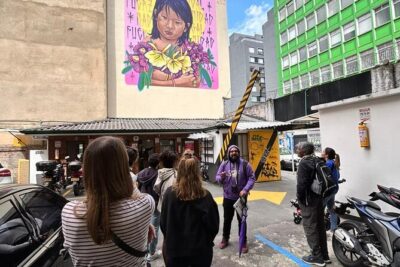
You start in the historic core and end with art that feels local and personal, not like a museum display. You will move from famous squares to narrower side streets where the walls do the explaining, including indigenous-ancestry themes and walls by artists like Ledania, 3 Manos, Wosnan, Ocio 4, and Carlos Trilleras. One practical note, the ride can feel assertive in Bogotá traffic, so if you are sensitive as a passenger, it is worth knowing that ahead of time.
If you want street art with meaning, this is a strong match. You get private transportation, hotel pickup and drop-off, a live guide in English or Spanish, and even a coca leaf tea tasting, which makes the start feel more like local culture than a checklist. Bring a light rain layer, comfy shoes, and a curious brain.
In This Review
- Key things you will enjoy
- La Candelaria graffiti reads like street-level history
- Price and logistics: what $48 covers (and why it helps)
- Hotel pickup to private transport, then straight into the murals
- Chorro de Quevedo Square to Bolivar Square: the story begins in public space
- The narrow indigenous-ancestry street: where the walls do the talking
- Carlos Trilleras and the women’s mural stops
- Park of La Concordia and La Concordia marketplace: where downtown identity forms
- Journalists Park and the 1960s writers’ crowd
- Café Herencia ending: more Carlos Trilleras to close the loop
- Who should book this Bogotá graffiti tour
- Should you book Gran Colombia Tours in La Candelaria?
- FAQ
- How long is the La Candelaria graffiti tour?
- What is the price per person?
- Does the tour include hotel pickup and transportation?
- What is included during the tour?
- Are meals included, like lunch?
- What languages is the tour guide available in?
Key things you will enjoy
- Graffiti with context, not just photos: you connect murals to social and political realities behind them.
- Women artists get real attention: you see how they helped spread the style and the message.
- Stops that go off the main drag: narrow streets and less-expected walls, not only the obvious spots.
- A clear downtown route: from Chorro de Quevedo to Bolivar Square and onward through key public spaces.
- Coca leaf tea tasting: a small cultural moment that keeps the tour from feeling purely visual.
- Art by named local artists: you are not left guessing who painted what.
La Candelaria graffiti reads like street-level history
La Candelaria is one of Bogotá’s most storied districts, and on this tour, the murals become your guidebook. You do not just look at colors. You learn why certain images show up, what they push back against, and how they reflect the city’s ongoing conversations about identity and power.
What I like about this style of tour is the balance. You get enough background to understand the symbolism, but you still spend your time facing the walls. That matters because graffiti in Bogotá is not meant to be passive. It is meant to be seen, argued with, and talked about.
You also get a good mix of approaches to the art. Some pieces lean into indigenous ancestry themes, some carry political weight, and others are more about character, rhythm, and attitude. During the walk, you will also notice how women artists shape the look and the message. The guide points out roles in the spread and visibility of the style, so you leave with a fuller picture than a simple greatest-hits route.
More Comuna 13 graffiti walks:
- Graffiti Tour: a fascinating walk through a street art City
★ 5.0 · 1,074 reviews - Graffiti Tour in La Candelaria Bogotá
★ 5.0 · 315 reviews - Bogotá: La Candelaria Graffiti & Urban Art Guided Tour
★ 4.7 · 250 reviews
Price and logistics: what $48 covers (and why it helps)
At about $48 per person for a 3-hour tour, the value depends on one big thing: you are not just paying for a walk. You are paying for a guided route with private transportation, hotel pickup and drop-off, and insurance included, plus the coca leaf tea tasting.
For many people, that is the sweet spot in Bogotá. La Candelaria is walkable in parts, but the city’s layout and traffic can make “self-guided graffiti hunting” feel like work. Here, the tour keeps you moving with less friction, so you spend your energy on the art instead of route planning.
The tour is also designed to run rain or shine, which is both a plus and a heads-up. If you plan to wear sneakers, bring a light rain layer so you are comfortable enough to keep walking when the sky changes its mind. And yes, lunch is not included, so if you are booking a day with meals planned, schedule them before or after.
Hotel pickup to private transport, then straight into the murals
The experience starts right at your lodging. You get hotel pickup and drop-off, and you travel by private vehicle. That matters because the route moves through multiple areas, and starting from your hotel reduces the “where do we meet” stress.
The private format is also handy if you want the guide to move at a pace that fits you. Since this is a private group, you can ask questions without feeling like you are interrupting a conveyor belt.
One consideration from past participants is that the driving style can feel a bit aggressive for some people. That is not a reason to skip the tour, but it is useful to know if you dislike sudden lane changes, fast stops, or tight city timing.
Chorro de Quevedo Square to Bolivar Square: the story begins in public space
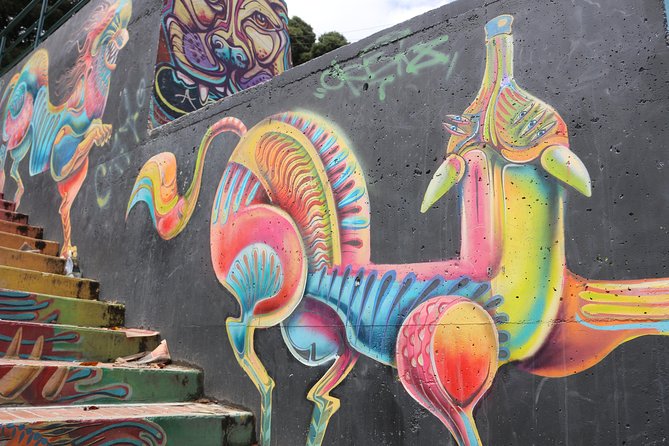
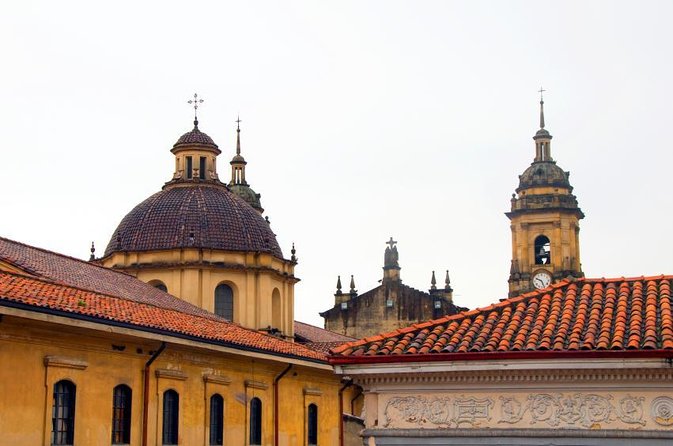
Your first major stop is Chorro de Quevedo Plaza, a fitting starting point because it is the kind of place where Bogotá’s present and past overlap. After a quick start there, the guide connects the city’s history with graffiti culture, explaining how street art can work like commentary, memory, and pressure all at once.
What you will like here is the way the guide sets the rules of the walk. You learn how to look, where to focus, and what kinds of symbols to pay attention to. Then you move to Bolivar Square, which gives the route a strong downtown anchor and a sense of scale before the tour narrows into smaller streets and closer walls.
Even if you have seen photos of La Candelaria, this part helps you understand why the area is such an art magnet. Public squares shape how people gather and talk, and graffiti often grows where social life is thick.
More La Candelaria walks:
- La Candelaria, Monserrate and Museums Bogotá Private City Tour
★ 5.0 · 1,567 reviews - Shared Tour of the Historic Candelaria in Bogotá
★ 5.0 · 1,551 reviews - Bogotá: Guided La Candelaria Walking Tour
★ 4.8 · 1,229 reviews - Bogota + Monserrate Private City Tour, Museums, Candelaria.
★ 5.0 · 1,015 reviews
The narrow indigenous-ancestry street: where the walls do the talking
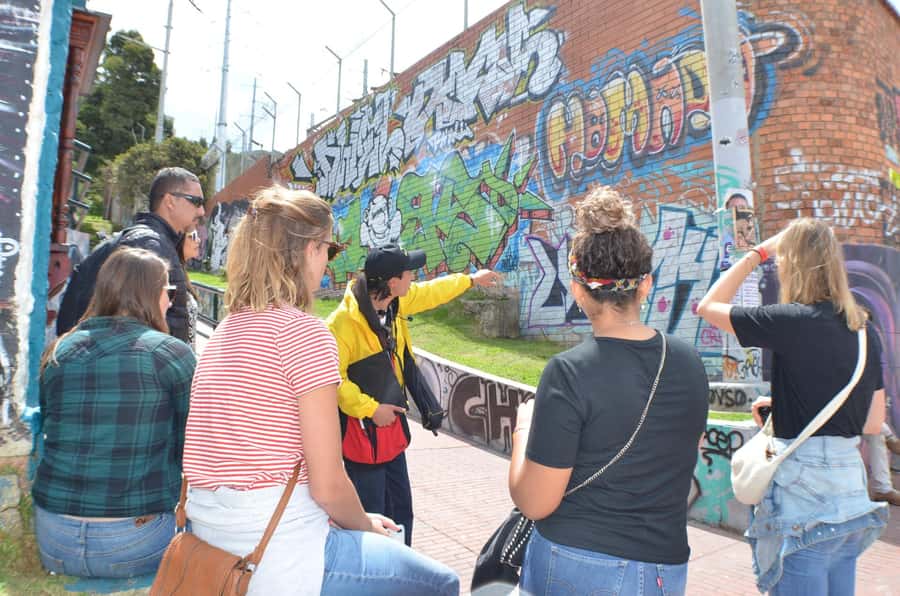
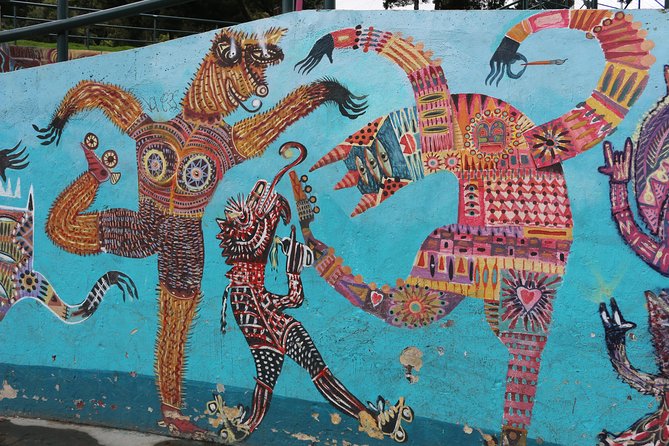
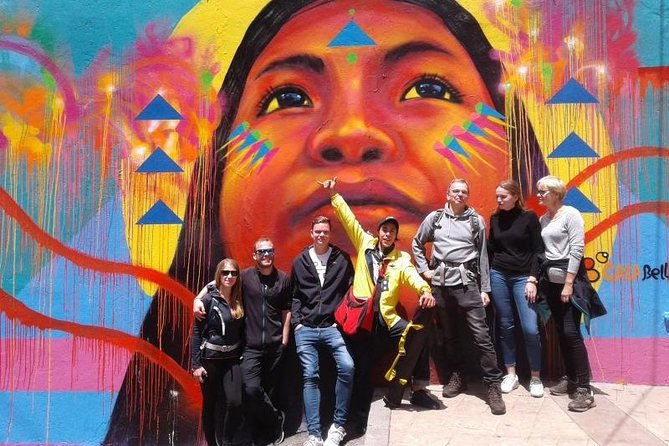
The tour then shifts from the open squares into tighter streets. One of the most memorable moments is a narrow street packed with graffiti that retells the indigenous ancestry of the city. This stop is powerful because it does not treat culture as a background detail. It places heritage right in the foreground, in full public view.
The guide links those visuals to the broader socio-political context of graffiti production. That means you will hear how artists use walls to protect stories, question erasure, and claim space in a city that is constantly being remade.
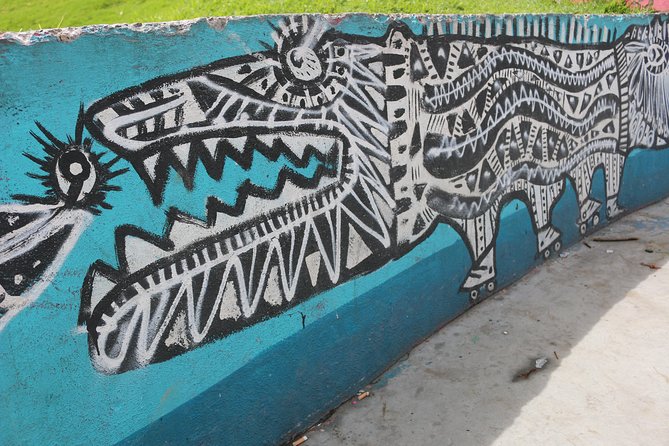
You will also see named artists tied to the look and themes. For example, you may run into work by Ledania and other artists mentioned in the tour approach such as 3 Manos, plus later stops featuring Wosnan and Ocio 4. Even if you are not an art expert, the guide makes the connections feel clear, like reading signs in a language you did not know you could learn.
Practical note: this section involves close-up looking and steady walking, so comfy shoes matter. If you are the type who gets distracted by little details, you will enjoy it. If you get motion-sick easily, the route is mostly on foot here, so the car portion is not the issue.
Carlos Trilleras and the women’s mural stops
One stop is specifically tied to Carlos Trilleras, with the tour later ending at Café Herencia to admire more of his work. In between, you also visit murals painted by Wosnan and Ocio 4, giving you a sense of how different artists share the same wall language while carrying different messages.
This is where the tour earns its extra value. You are not just seeing “street art,” you are seeing named artists and learning how their styles fit into the bigger city conversation. The guide connects the dots between imagery, intent, and the environment where the work appears.
You also spend time viewing graffiti authored by women, and the guide discusses their role in spreading the art. I like this because it changes the usual street-art narrative. Instead of treating the scene like it is male-by-default, you learn how women helped push the visibility and direction of graffiti writing and mural culture in downtown Bogotá.
Other artists you may see on the route include Bastardilla, Vera, and Erre, each adding a different flavor to the walls, from graphic character work to more symbolic pieces.
Park of La Concordia and La Concordia marketplace: where downtown identity forms
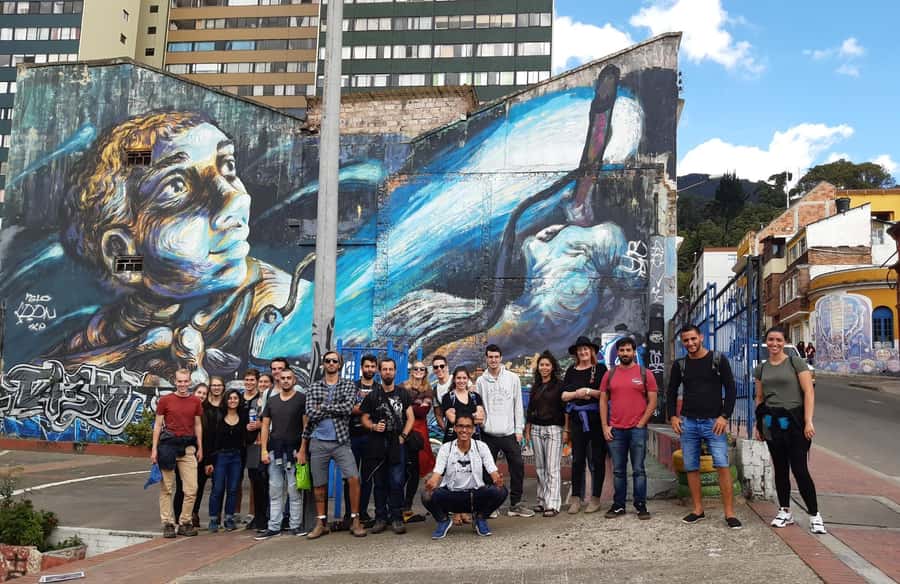
After the street-level themes, you move toward Park of La Concordia and the La Concordia marketplace. This area is described as a tension spot, a meeting point, and a melting pot of ideas and influences. That is exactly what you feel when you are there, even without a museum label telling you what to think.
This stop is valuable because it gives the graffiti context that most people miss. Street art does not float in isolation. It grows from social mixing, from competing ideas, from people passing through, and from neighborhoods defining themselves in public.
You also learn how the area has been key in shaping the identity of downtown Bogotá. The guide ties that to why the art looks the way it does, including how artists respond to local power structures and everyday realities.
If you like street life and not only paintings, this is one of the best sections of the tour. It is the kind of place where you can stand for a moment, look around, and understand that murals are part of a larger human scene.
Journalists Park and the 1960s writers’ crowd
The route continues toward Journalists Park, where journalists, poets, and writers used to gather in the 1960s. That little historical note matters because it reframes what you are doing. You are not just doing an art walk, you are walking through a place that has long attracted people who argue with words.
Then, as you head to the finish, you pick up more graffiti along the way. This is a nice rhythm change. You are not stuck staring at just one wall long enough to lose context. Instead, you keep catching new pieces that relate back to what you learned earlier.
One reason this part works is that it turns your brain toward narrative. You start to see how murals can act like headlines, diary entries, or public essays, depending on the image. By the time you reach the ending cafe stop, you are reading the walls faster and with more confidence.
Café Herencia ending: more Carlos Trilleras to close the loop
You finish at Café Herencia, where you can admire additional works by Carlos Trilleras. Ending here is smart. It lets the tour shift from outdoor exploration to a calmer moment where you can look again, slower, and let the symbolism sink in.
The cafe ending is also practical. After 3 hours of walking and stopping, you get a spot to reset. Since lunch is not included, having an easy place to grab a drink or plan your next bite nearby helps the day feel smoother.
If you enjoy art that looks both personal and political, you will likely appreciate the way the tour ends in a direct artist connection rather than a random last mural stop. It feels like closing the story you started at Chorro de Quevedo.
Who should book this Bogotá graffiti tour
This tour is a strong match if you want:
- A guided route that explains symbolism and context, not only where to take photos.
- A mix of famous and less-expected walls, including off-the-beaten-track murals.
- A tour format with private transportation and hotel pickup, so the day stays easy.
- Named artists, plus a focus on how women helped shape the scene.
It is a less ideal fit if:
- You dislike walking for extended stretches on uneven streets.
- You are very sensitive about vehicle driving style in city traffic.
- You want a purely casual stroll with no context, because the guide spends time connecting the art to its socio-political background.
From the experiences shared, the guides often do a great job staying friendly while explaining symbolism. Some even take photos during the tour and share them afterward, which is a small but real benefit for couples and friends who want photos without constantly juggling phones.
Should you book Gran Colombia Tours in La Candelaria?
If you are choosing between a DIY graffiti hunt and a guided approach, I would book this. The price makes sense because you get a local guide, private transport, hotel pickup and drop-off, insurance, and a coca leaf tea tasting, all wrapped into a tight 3-hour route.
The biggest reasons to say yes are the stop quality and the way the tour teaches you how to read the walls. When the guide talks about socio-political context and indigenous ancestry themes, the graffiti stops being decoration and starts feeling like a living language. The women-artist focus is another clear win, it adds depth without turning the tour into a lecture.
If you want a casual, no-thinking tour, you might find it a bit too explanatory. But if you want street art with meaning and a route that actually connects the dots across downtown, this is a great way to spend a half-day in Bogotá.
FAQ
How long is the La Candelaria graffiti tour?
The tour duration is 3 hours.
What is the price per person?
The price is $48 per person.
Does the tour include hotel pickup and transportation?
Yes. It includes hotel pickup and drop-off and private transportation.
What is included during the tour?
Included are the tour guide, hotel pickup and drop-off, private transportation, coca leaf tea tasting, and insurance.
Are meals included, like lunch?
No, lunch is not included.
What languages is the tour guide available in?
The live guide is available in English and Spanish.
Hot off the list in Bogota
- Zipaquirá and Salt Cathedral Muisca Heritage with Guide – Private★ 4.5 · 23 reviews
- Catedral de Sal desde Bogotá en Tren★ 5.0 · 5 reviews
- Tour of Zipaquirá: Visit the Salt Cathedral and the main squares★ 4.5 · 55 reviews
- Zipaquira Salt Cathedral★ 5.0 · 4 reviews
- LOCAL GUIDE Zipaquirá PRIVATE TOUR – Salt Cathedral and Salt Oven★ 5.0 · 24 reviews
- Zipaquirá Salt Cathedral: An architectural wonder.★ 4.5 · 24 reviews
- Private Zipaquira Salt Cathedral and Guatavita Lagoon Tour from Bogota★ 4.5 · 44 reviews
- Zipaquira Salt Cathedral★ 4.5 · 12 reviews
Comuna 13 Tours, compared.
Comuna 13 Graffiti Tour, Cable Car & Street Food
Read our review →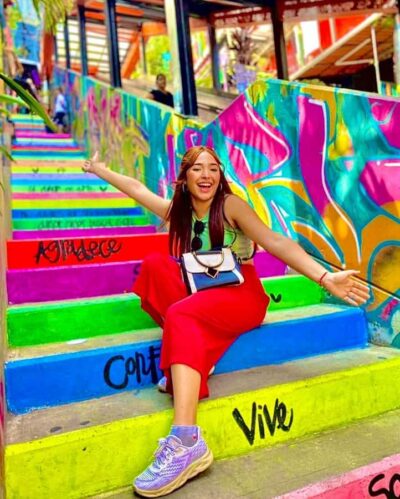

Comuna 13 Graffitour knows the urban art district of Medellín
Read our review →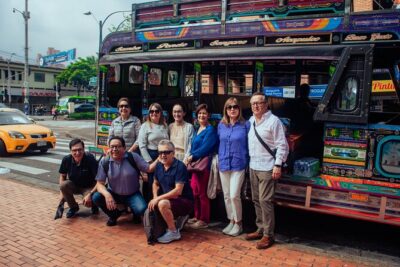
City tour Medellin + Comuna 13 + Graffititour Paisa for a day
Read our review →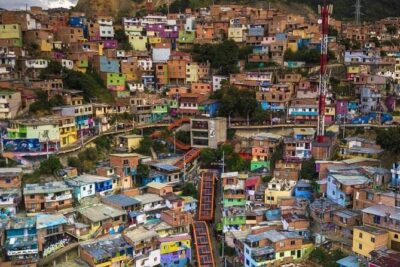
Guided Tour of Comuna 13 Medellín with Snacks Included
Read our review →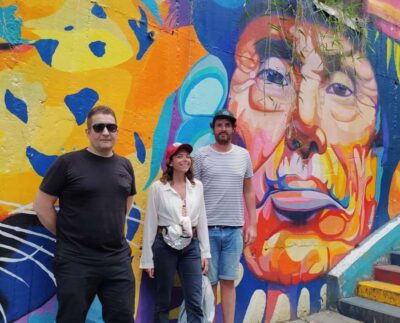
Graffiti Tour: a fascinating walk through a street art City
Read our review →Browse the lists this tour appears in