
REVIEW · SAN BASILIO DE PALENQUE TOURS
Palenque African Roots
Freedom has roots in this countryside. A trip to San Basilio de Palenque takes you beyond Cartagena’s usual sights into a community that traces its survival to freedom, with traditions tied to Africa still alive today. You’re looking at the story of the first free people of colonial America, recognized as cultural and intangible heritage, and built around everyday culture you can actually see.
I especially like the way this day centers African traditions that show up in language, food, and dance, not just in a few photos. And since it runs as a half-day style excursion with a manageable group size, you can ask questions and get a human feel for the place.
One thing to plan for: it’s a half-day with a long drive from Cartagena, and you start at 8:00 am, so pack your patience for the road.
In This Review
- Key highlights before you go
- San Basilio de Palenque: why this feels real, not staged
- The drive from Bocagrande and the 6-hour pace
- Entering Palenque with context: what to listen for
- What you’ll do once you’re in San Basilio de Palenque
- Lunch in Palenque: the food story you can taste
- Group size, guide style, and how interactive it feels
- Price and value: why $98 can make sense
- Who should book Palenque African Roots
- Practical tips so your day goes smoothly
- Quick reality check: one possible drawback
- Should you book it?
- FAQ
- What time does the tour start, and where is the meeting point?
- How long is the experience?
- Is pickup included?
- Is admission included for San Basilio de Palenque?
- How big is the group?
- What language is the tour in, and what ticket type do I need?
Key highlights before you go
- San Basilio de Palenque’s freedom story goes back to the 1691 decree and the escape from colonial slavery.
- Living traditions: language, food, and dance that are still practiced in everyday life.
- Free entry for admission ticket, so your money goes toward the guided experience.
- Small group cap (max 30), which makes questions and conversation more realistic.
- Hotel pickup from the right area: included if you’re staying in Bocagrande.
- Lunch focus with a standout mention of fresh caught fried fish, seasoned well.
San Basilio de Palenque: why this feels real, not staged
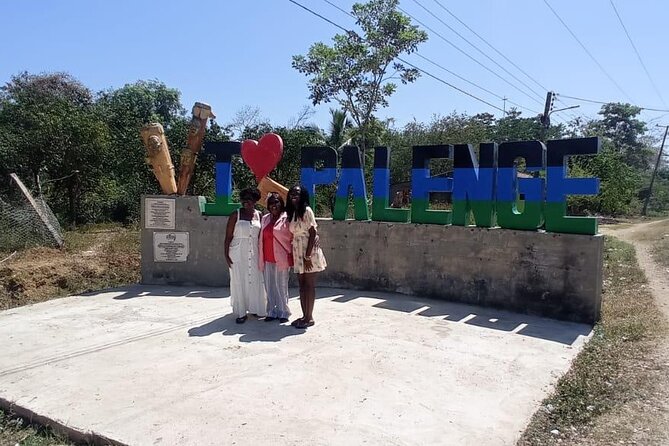
Cartagena has plenty of big-name history, but this is different. You’re headed to San Basilio de Palenque, a community about 50 km from Cartagena de Indias, near the Canal del Dique area. The big idea is simple: this is the first free people of colonial America, recognized through heritage status, with a crucial 1691 decree tied to that legacy.
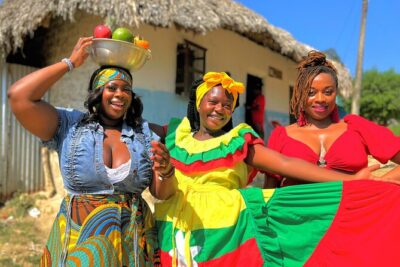
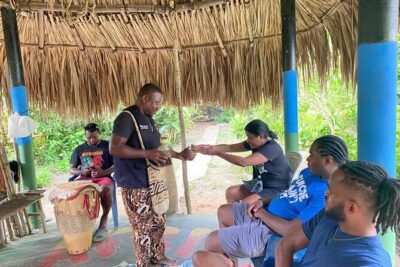
What makes it compelling for you as a visitor is that it isn’t only a museum story. The core of the visit is how culture carries forward. You’ll see how language and daily practices connect back to African roots. Food and dance are part of that same continuity, which means you’re not just reading about identity. You’re watching it happen.
Also, there’s a key detail that matters. Palenque is a corregimiento, so it doesn’t have the same kind of economic and administrative autonomy you might imagine. That detail helps you understand what you’re seeing today: a living community shaped by history and still navigating modern realities.
More San Basilio de Palenque visits:
- Tour De Palenque, Road to Emancipation.
★ 5.0 · 1,678 reviews - Freedom Tour of Palenque
★ 5.0 · 467 reviews - San Basilio de Palenque History Tour
★ 5.0 · 301 reviews
The drive from Bocagrande and the 6-hour pace
This is a 6-hour experience, starting at 8:00 am. The meeting point is in Bocagrande, Cartagena, and the tour ends back at the same meeting point. If you’re staying in Bocagrande and your pickup is within the included area, you’ll be picked up at your hotel.
Why this matters for your planning: half-day trips can feel rushed, but 6 hours is usually long enough to do the main visit without turning it into a speed-run. Still, the long drive is real, and you should treat the morning start as non-negotiable. If you’re the type who needs caffeine and quiet time before learning mode, plan for that before you’re in the vehicle.
You’ll also want to keep logistics simple because the tour uses a mobile ticket. That means you can save your confirmation details to your phone and show it at the start.
Entering Palenque with context: what to listen for
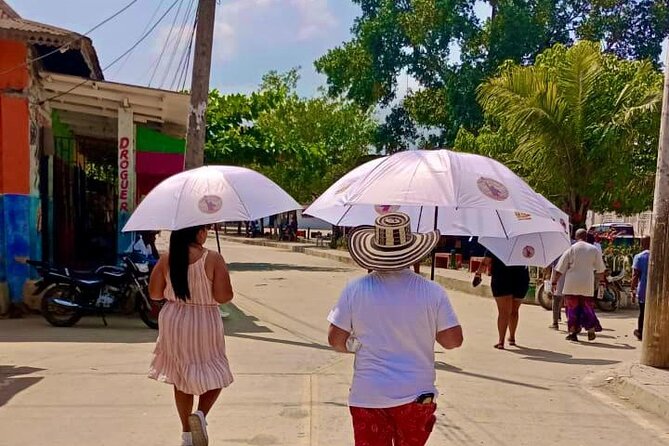
When you arrive, focus on the basics: how people describe their own heritage, how food and music show up as normal parts of life, and how language keeps moving through daily routines. The experience is built around the idea that traditions such as language, food, and dance are still preserved in Palenque.
Here’s what I’d encourage you to do while you’re there. Instead of treating culture as a performance for outsiders, listen for how it’s explained as something practical and inherited. In places like this, the most meaningful moments often come from small details, like the way a tradition is framed as family knowledge rather than entertainment.
The community’s setting also matters. It sits in a region linked to the Canal del Dique, and the overall area includes neighboring districts such as Malagana, San Pablo Norte, and Palenquito. Even if you don’t fully memorize the map, you’ll feel that this isn’t a “quick photo stop” town. It’s a community with its own rhythms.
And if you’re the kind of traveler who likes to connect stories to dates, keep an eye on the 1691 reference tied to the freedom narrative. It’s not just trivia. It’s part of how the heritage recognition is framed.
What you’ll do once you’re in San Basilio de Palenque
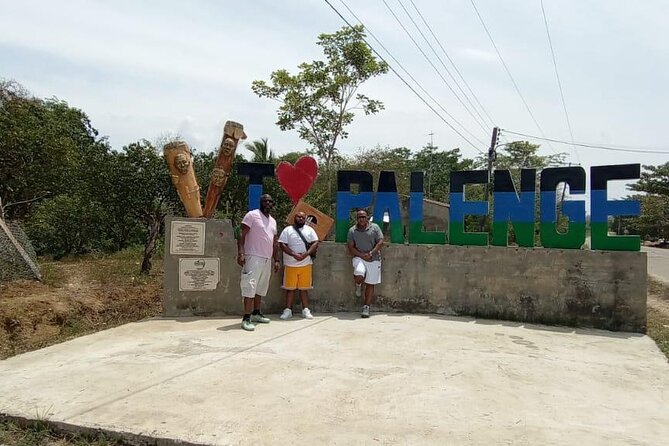
The day centers on one main destination: the community of San Basilio de Palenque. That means you’re not juggling multiple stops. The tradeoff is that the day is focused, and you should go in ready to spend time paying attention.
In practice, expect the visit to revolve around cultural elements, especially:
- Language and how it survives as a living part of daily communication
- Food as a marker of identity and continuity
- Dance and music connected to community life
You’re also learning within the framework of why Palenque is recognized as cultural and intangible heritage of humanity. The emphasis is on being a place of autonomy and independence for escaped African people, far from the colonial centers.
A small-but-important detail: Palenque has a population of about 4,200 people. That scale helps you understand what “community life” means here. You’re not stepping into a huge city district where everything feels anonymous. You’re visiting a place where relationships and traditions are more visible because everything is closer together.
More things to do in Cartagena:
- Cartagena Island Hopping: 5-Stop Rosario Islands Tour with Lunch
★ 4.5 · 4,903 reviews - Cartagena: Historic Center and Getsemaní Shared Walking Tour
★ 4.9 · 2,716 reviews - Cartagena: Rosario Islands Catamaran with Lunch and Snorkel
★ 4.5 · 2,479 reviews - Full-Day Rosario Islands Including Barú, Bocachica & Playa Blanca
★ 4.0 · 1,729 reviews
Lunch in Palenque: the food story you can taste
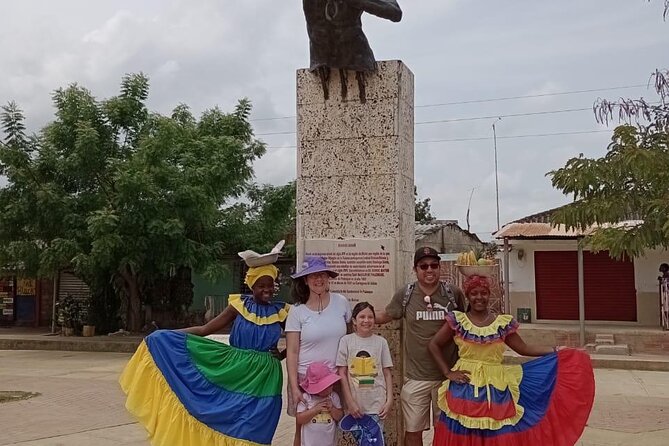
One reason this excursion earns strong praise is the meal. The standout mention is fresh caught, fried fish seasoned to perfection. I love that kind of detail because it tells you something about value and authenticity: the meal isn’t generic, it’s connected to local food habits.
For you, the practical takeaway is simple. Plan to enjoy the time to eat, not rush through it. If you’re heading out for a morning that includes travel, you’ll be thankful the day includes something substantial.
Also, because food is part of the cultural picture here, lunch feels like more than a break. It’s another way to understand how the community’s identity is maintained through everyday practice.
Group size, guide style, and how interactive it feels
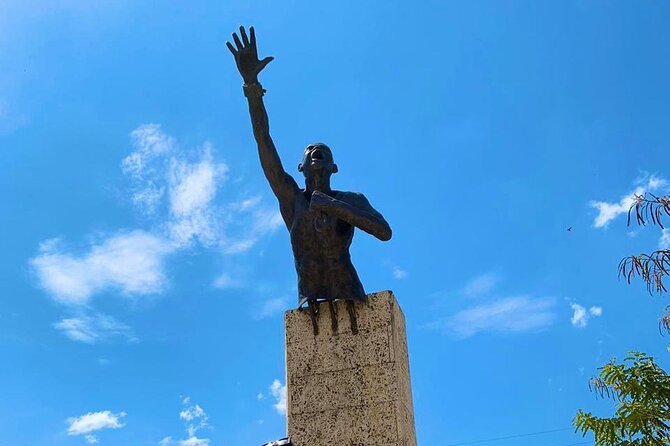
This tour runs with a maximum of 30 travelers. That cap is more than a number. With a smaller group, you’re less likely to get lost in the back row, and questions are easier to handle. You’ll also have a better shot at hearing explanations clearly, especially when the visit is about language and cultural practice, where nuance matters.
The experience is described as interactive, and the strong positive notes you’ll see about the guides are about being knowledgeable and the people being welcoming. Even without guide names provided, the pattern is clear: the communication style is designed for real questions, not just a lecture.
What you should do to make the most of that: ask one or two focused questions. For example:
- How do language and dance get passed on today?
- What part of daily life feels most important to keep alive?
In a heritage-focused community setting, those questions tend to land well because you’re showing interest in how things work, not just what’s “cool to see.”
Price and value: why $98 can make sense
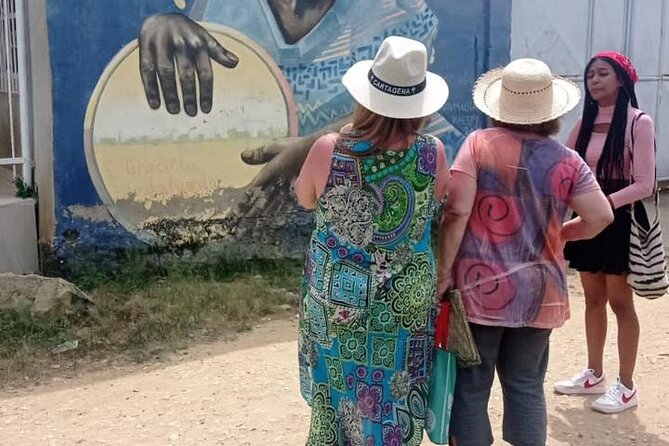
At $98 per person for about 6 hours, this tour isn’t trying to be the cheapest option. But the value story is pretty solid when you line up what you get.
Here’s where the value comes from:
- Free admission ticket for the visit
- A guided cultural experience focused on heritage, language, food, and dance
- Pickup offered if you’re in the right area (Bocagrande)
- A group size limited to max 30, which helps the experience feel personal
- A day that appears to include lunch, with a strong highlight on fresh fried fish
When a tour is focused on one main community and includes admission and a meal, it reduces your extra spending once you’re out the door. You can also plan more confidently because you’re not dealing with multiple random ticket fees.
One more money detail to consider: if you’re traveling in a group, there are group discounts listed as available. That’s worth asking about when you book, especially if you’re a family or a small friend group.
Who should book Palenque African Roots
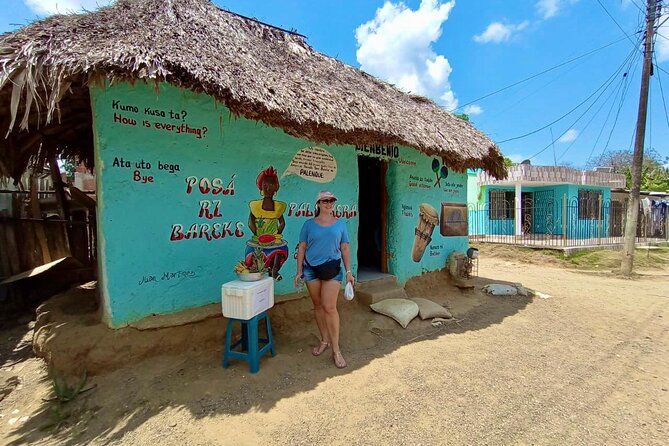
This excursion is a great fit if you want:
- A culture-first day trip that goes beyond Cartagena’s main tourist circuit
- A chance to see living traditions tied to African roots
- A guided experience that feels interactive and human-sized
- A manageable half-day length that still gives you time to learn
It’s also a good option for many visitors because “most travelers can participate” and service animals are allowed. If you’re traveling with mobility limits, you’ll want to use your own judgment based on your comfort, since the data doesn’t spell out step-by-step accessibility details.
If you’re a history lover, you’ll find the 1691 decree reference and the idea of freedom-as-identity compelling. If you’re more into food and culture, you’ll appreciate that lunch isn’t an afterthought.
Practical tips so your day goes smoothly
Keep these in mind to avoid the usual day-trip annoyances:
- Start time is 8:00 am, so plan to be ready early at the pickup point.
- Wear comfortable shoes, since you’ll likely move around during a village visit.
- Bring water, especially in warmer weather. You’re going out of the city for the Canal del Dique region area.
- Keep your phone battery topped up so your mobile ticket is easy to access.
If you’re sensitive to early starts, consider it a trade. You’re giving up a sleep-in for a day that doesn’t feel like the same old Cartagena routine.
Quick reality check: one possible drawback
Because it’s a fixed 6-hour run with travel from Cartagena, the day may feel long if you dislike sitting in a vehicle on vacation. If you’re the kind of traveler who wants lots of stops and zero driving, this might feel too focused.
But if you like fewer stops and more attention on one place, the single-destination structure is a plus.
Should you book it?
I’d book Palenque African Roots if you want a meaningful cultural day trip with real-world identity in the center of it. The strongest reasons are the living traditions focus, the interactive guide approach, and the value-added admission and meal.
Skip it only if you’re chasing a fast-hit sightseeing checklist or you hate early mornings and road time. Otherwise, this is the kind of excursion that gives you more than photos. It gives you context for how African heritage stayed alive through language, food, and dance, long after colonial power tried to erase it.
FAQ
What time does the tour start, and where is the meeting point?
It starts at 8:00 am. The meeting point is Bocagrande, Cartagena, Bolivar, Colombia, and the tour ends back at the same meeting point.
How long is the experience?
The tour lasts about 6 hours.
Is pickup included?
Pickup is offered if you’re staying in the area where pickup is included. The tour starts with pickup at your hotel and also lists Bocagrande as the meeting point.
Is admission included for San Basilio de Palenque?
Yes. The admission ticket is free.
How big is the group?
The tour has a maximum of 30 travelers.
What language is the tour in, and what ticket type do I need?
The tour is offered in English, and it uses a mobile ticket.
Hot off the list in Cartagena
- SkyKitchen 2-Hour Cocktail Class in Cartagena★ 5.0 · 23 reviews
- Private Baru Aviary Tour with Lunch Included★ 4.5 · 26 reviews
- Rosario Islands Private Day – Exclusive VIP Escape★ 5.0 · 21 reviews
- CITY WALLED CITY SEGWAY SKATEBOARD TOUR and GETSEMANI★ 5.0 · 30 reviews
- Shore Excursion private Luxury City tour of Cartagena★ 5.0 · 8 reviews
- Cartagena Culinary Private Tour: Local Flavors & Hidden Gems★ 4.0 · 6 reviews
- Zip Through Walled City and Barrio Getsemani by Segway★ 5.0 · 4 reviews
- Shore Excursion Mangroves tour★ 4.5 · 3 reviews
San Basilio de Palenque Tours, compared.

Palenque´s tour, dance show, lunch, pick-Up inclu
Read our review →
Tour a san Basilio de Palenque desde cartagena
Read our review →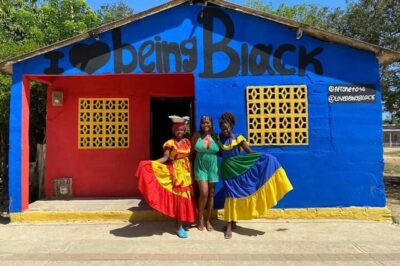
Visit Palenque with natives : history, culture and ancestral legacy
Read our review →Browse the lists this tour appears in