
REVIEW · SAN BASILIO DE PALENQUE TOURS
Visit Palenque with natives : history, culture and ancestral legacy
History you can feel in your feet. San Basilio de Palenque is a living community with African roots that survived, adapted, and refused to disappear, and this guided day turns that story into real people, real places, and hands-on culture led by locals like Romeo and Royman. You start with a warm community welcome and then move through the symbols of resistance, everyday traditions, and the language of Palenque, ending with a hearty lunch.
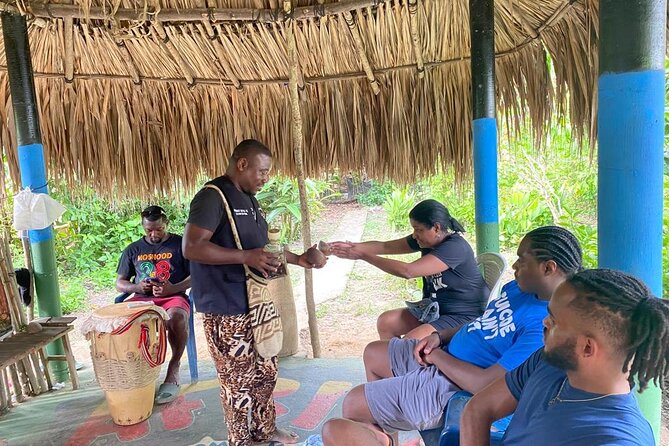
I love two things most: first, the tour is community-led in every stop, from a traditional house museum to a medicinal patio where you hear how healing plants are used. Second, the itinerary mixes education with participation, including music and instruments at KOMBILESA MI and a short boxing class tied to KID PAMBELE MONUMENT.
One possible drawback: it is a long day in the heat, and you will be walking outdoors for stretches. Bring your own heat plan, because indoor spaces may not feel cool, even if the ride from Cartagena is air-conditioned.
In This Review
- Key Points You Should Know Before You Go
- Palenque in One Sentence: Resistance, Culture, and Daily Life
- Getting There from Cartagena and What a 6.5-Hour Day Really Means
- Stop 1: Tourist Parador Welcome and the Ground Rules of Palenque
- Stop 2: MONUMENT OF BENKOS BIOHO, the Hero Who Organized Resistance
- Stop 3: SIMANKONGO HOUSE MUSEUM and How Ancestors Built a Life
- Stop 4: Medicinal Patio with Traditional Doctors and Plant Knowledge
- Stop 5: KOMBILESA MI Music and Instruments You Can Try
- Stop 6: Cultural Route of Murals and Identity on Walls
- Stop 7: Religiosity, Catholic Influence, and Palenquero True Religiosity
- Stop 8: KID PAMBELE MONUMENT, Boxing as Culture and Community
- Stop 9: The Lunch, Fish in Coconut Sumo to Bijao
- Guides Like Neudis and Gabriel, Translators Who Keep the Meaning Intact
- Price and Value: What $102 Buys You in the Real World
- What to Pack for a Hot Day in Palenque
- Is This Tour for You?
- Should You Book This Tour of Palenque?
- FAQ
- How long is the Palenque experience?
- What is the price per person?
- Is this tour private for my group?
- What is included in the tour?
- Are admissions included for each stop?
- Is a traditional music and dance Batata presentation included?
- What should I know about weather?
- Can I cancel for a full refund?
Key Points You Should Know Before You Go
- Benkos Bioho stories you can trace in the town, not just repeat as facts
- Hands-on cultural stops: music and instruments, plus a short boxing lesson
- Ancestral medicine, explained by traditional doctors and grounded in specific plants
- Mural walk with meaning, great for photos but also for learning identity and history
- A real community lunch served from the fire pit to bijao
- Private format for your group, so the pace and attention are easier to control
Palenque in One Sentence: Resistance, Culture, and Daily Life
San Basilio de Palenque is not a museum. It is a neighborhood where history is still spoken, sung, practiced, and negotiated. The day trip from Cartagena makes that clear right away. You are not just driving past landmarks. You are being received.
The emotional thread runs through everything you do. Benkos Bioho, the founding hero, is more than a name on a plaque. The stop at the MONUMENT OF BENKOS BIOHO is framed around his role as a leader who arrived enslaved, organized palenques, led military resistance, and helped create political negotiation with colonial authorities. That context matters because it helps you understand why Palenque protects identity so carefully.
And then, the tour keeps moving from resistance to ordinary life, which is a good balance. You will see how a traditional house functions, how healing traditions work, and how culture plays a role in community cohesion, not just entertainment.
More Historical Tours in Cartagena
- Cartagena: Historic Center and Getsemaní Shared Walking Tour
★ 4.9 · 2,716 reviews - Historic Center & Getsemaní Shared Tour in Cartagena
★ 5.0 · 620 reviews - San Basilio de Palenque History Tour
★ 5.0 · 301 reviews
Getting There from Cartagena and What a 6.5-Hour Day Really Means
This is a private tour that runs about 6 hours 30 minutes. The transfer is in an air-conditioned vehicle, and each stop includes an admission ticket that is listed as free. You also get bottled water.
Time-wise, think of it as a full half-day plus travel. You are likely to spend more time walking and standing outdoors than you first expect, because the stops are spread through the town and you are moving between community sites. Heat is a real factor here, and several guide-led experiences note how hot it can be. The day is doable, but plan for it.
If you are the type who likes breathing room, you might prefer earlier seating and shorter breaks. Since this is private, you can often ask for a pause. Still, wear shoes you can walk in for real, and bring your own comfort items.
Stop 1: Tourist Parador Welcome and the Ground Rules of Palenque
The first stop is the TOURIST PARADOR, basically the community’s welcome point. This is where you get the general description of the community and how the day will unfold. It’s also a soft start that helps you shift your mindset.
This matters more than people think. Palenque is explained through community logic, not textbook logic. When the guide sets the tone, later stops make more sense. You can pay attention to the meaning behind the murals, the choices behind medicine practices, and even the way music is taught.
Practical note: arrive mentally ready to listen. This opening segment sets the map, and it will help you later when you start connecting historical themes to everyday life.
Stop 2: MONUMENT OF BENKOS BIOHO, the Hero Who Organized Resistance
Next comes the MONUMENT OF BENKOS BIOHO. The framing is clear and specific: Benkos Bioho is described as a major maroon leader for Palenqueros, with references to his role connected to the legend of Domingo Bioho and his arrival enslaved in Cartagena de Indias at the end of the 16th century.
What you want from a stop like this is not just dates. You want the “why.” Here, the explanation ties him directly to organized military resistance and to the foundations and mechanisms of political negotiation with colonial administration. That combination, resistance plus negotiation, gives a more complete picture of leadership.
If you care about African diaspora history, this stop is the spine of the day. It also helps you understand why identity and cultural survival are treated as serious business in Palenque, not just heritage tourism.
More San Basilio de Palenque visits:
- Tour De Palenque, Road to Emancipation.
★ 5.0 · 1,678 reviews - Freedom Tour of Palenque
★ 5.0 · 467 reviews - Cartagena: Palenque´s tour, dance show, lunch, pick-Up inclu
★ 4.7 · 182 reviews - Tour a san Basilio de Palenque desde cartagena
★ 5.0 · 123 reviews
Stop 3: SIMANKONGO HOUSE MUSEUM and How Ancestors Built a Life
The SIMANKONGO HOUSE MUSEUM is designed as a traditional house that represents ancestral elements and the way life worked. This stop shifts you from public history into private space.
Look closely at what a home implies: how people lived, how roles were organized, and what materials or routines likely mattered. Even when you are moving quickly, a traditional house museum helps you understand culture as a daily system.
A good way to approach this stop is to think less about how it looks and more about what it lets people do. The tour’s goal here is to make the past feel practical. That is why this stop works well after the Benkos Bioho monument. You go from collective resistance to the physical places where community life continues.
Stop 4: Medicinal Patio with Traditional Doctors and Plant Knowledge
The MEDICINAL PATIO is one of the most memorable stops because it is grounded in practice. You learn about ancestral medicine and you meet traditional doctors who explain the importance of that knowledge. The emphasis is on plants used in ancestral medicine.
This is where the tour becomes more than cultural sightseeing. You are seeing how knowledge travels through generations, and how it remains relevant for treating common ailments. The tour keeps it respectful and place-based, so it feels like learning a living tradition rather than watching a performance.
If you are curious about folk medicine, this is your chance to ask thoughtful questions. If you are skeptical, keep your questions polite and try to understand the cultural logic. Either way, you will leave with a different view of what “medicine” can mean in a community.
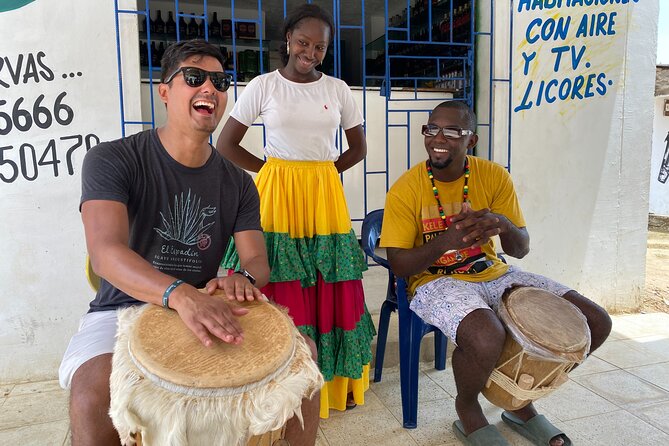
Stop 5: KOMBILESA MI Music and Instruments You Can Try
At KOMBILESA MI, the tour turns toward cultural and musical movement. You get a chance to interpret music and traditional instruments with members of the group.
This is a major reason the ratings stay so high. Music is one thing you can feel right away, and the tour doesn’t keep it behind glass. It gives you a chance to participate, even briefly, so you connect history to rhythm and memory.
Bring patience too. A community-led musical stop is not a polished stage show. It is more like joining a shared activity. That is exactly why it works.
Stop 6: Cultural Route of Murals and Identity on Walls
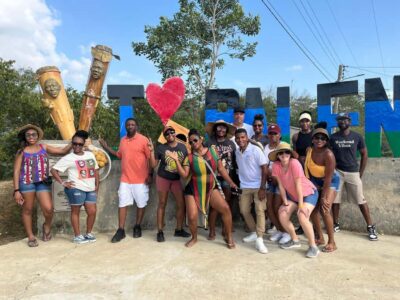
The CULTURAL ROUTE OF MURALS is a walking segment through Palenque’s streets, where you learn the meaning of identity murals. You also get time to take photographs with the stories attached.
Mural tours can turn into photo time with a thin caption. Here, the tour is framed as learning identity through art. The meaning is part of the walk, not an optional extra.
Photo tip: if you care about sharp images, wear comfortable shoes and keep an eye on where the light falls. You will want stable footing, since the walk can include uneven surfaces.
Stop 7: Religiosity, Catholic Influence, and Palenquero True Religiosity
The stop on RELIGIOUSNESS addresses the imposition of Catholic religion and contrasts it with what the tour calls Palenque’s true religiosity.
This is a nuanced topic, and the best part is that the tour doesn’t treat it as a debate topic. It frames it as a historical change that shaped practice, while also keeping Palenque’s distinct spiritual expression.
If you’ve visited other parts of Colombia and noticed how religion often blends with older traditions, you will recognize the pattern here. This stop gives you a Palenque-specific lens.
Just approach it with open ears. You are hearing how people explain their worldview, not how a guide tries to win an argument.
Stop 8: KID PAMBELE MONUMENT, Boxing as Culture and Community
The KID PAMBELE MONUMENT focuses on Antonio Cervantes Reyes and his contribution to Colombian boxing, plus what that legacy means for the community. The visit ends with a small boxing class.
Even if you do not box, the cultural angle is what makes this stop click. Boxing is physical, but here it also represents pride, discipline, and local inspiration. And yes, you may end up trying a few moves, which makes the lesson feel real.
This is also one of those “smile” moments of the day. You learn history, then you put your body into it for a bit. It’s fun without being shallow.
Stop 9: The Lunch, Fish in Coconut Sumo to Bijao
You finish with GASTRONOMY, a typical lunch that the tour describes as fish in coconut sumo served from the stove to the bijao. The included meal also lists stewed and fried fish, fried chicken, steak meat, stewed pork, and a vegetarian option.
This is exactly the kind of included lunch that you want on a community tour. It is not a random restaurant stop. It feels like part of the day’s rhythm.
One practical thing: this is a long hot day, so you will be hungry. The earlier stops are active, and you are learning and walking between community spaces. A filling meal helps you enjoy the last stretch without feeling drained.
If you have food preferences, confirm ahead of time how the vegetarian option is handled. The listing indicates it exists, but how it is prepared can vary.
Guides Like Neudis and Gabriel, Translators Who Keep the Meaning Intact
The most praised part of this experience is the human delivery. Guides such as Neudis and Romeo, and community storytellers like Royman and Leo, are mentioned for being passionate and for spending time explaining the layers behind each stop.
Then there is the translator support. Gabriel and Liliana are named in feedback, and the consistent point is that translation keeps emotion and meaning, not just vocabulary. For a tour about language, culture, and identity, that matters.
If you want history, you’ll get it. But what people remember is the tone. When a local explains why something matters to their own community, it lands differently than a scripted narration.
Price and Value: What $102 Buys You in the Real World
At $102 per person for about 6.5 hours, the value is in how much is included and how the day is structured.
You get:
- Air-conditioned transport
- Multiple community stops with admission tickets listed as free
- Bottled water
- Lunch with several meat options plus a vegetarian selection
So you are paying for a complete, structured day that takes care of the hard parts: getting there, covering entry points, and coordinating community sessions. If you tried to do this on your own, you would still need transport plus finding the right people to explain each part of Palenque. This tour packages that work into one day.
It also pays off if you care about responsible tourism. A community-led format means your time and money go to local representatives and educators rather than to a generic itinerary.
What to Pack for a Hot Day in Palenque
Here’s the real-world advice: it gets hot. I strongly suggest you treat this as a warm-weather walking day.
Pack these:
- Sneakers you can walk in comfortably
- A water bottle for the day, even though bottled water is included
- Sun protection like a hat and sunglasses
- Something light to shield you from heat if you’re sensitive
If you like to stay cool, bring a small hand fan or spritzer. Some people specifically mention using these kinds of items to make the day manageable.
Also, wear clothes you can move in. If you end up doing the boxing class, you want mobility and comfort.
Is This Tour for You?
This tour is a great match if you want more than surface-level culture. You will like it if you care about the African roots of Palenque and the ways people keep that legacy alive through language, music, medicine, murals, and community pride.
It is also a good pick if you enjoy hands-on moments. Music participation and the boxing lesson are not just demonstrations.
Choose a different plan if you dislike walking in heat or if you want mostly seated sightseeing. You will be moving, and it is not a slow stroll in the shade.
Should You Book This Tour of Palenque?
Yes, if your goal is to understand Palenque through the eyes of locals and to experience how identity shows up in daily life. The day’s strongest feature is community-led storytelling paired with participation, especially the music at KOMBILESA MI and the boxing tied to KID PAMBELE.
If heat is your biggest concern, you can still make it work with the right gear and a calm pace. For many visitors, that is the only real tradeoff in an otherwise meaningful, well-paced cultural day.
FAQ
How long is the Palenque experience?
The tour is approximately 6 hours 30 minutes.
What is the price per person?
The price is $102.00 per person.
Is this tour private for my group?
Yes. It is a private tour/activity, and only your group participates.
What is included in the tour?
Included items are an air-conditioned vehicle, lunch (fish in coconut sumo, from the fire pit to the bijao), plus options like fried chicken, steak meat, stewed pork, and a vegetarian option, and bottled water.
Are admissions included for each stop?
Yes. Each listed stop has an admission ticket free.
Is a traditional music and dance Batata presentation included?
No. Batata is listed as not included.
What should I know about weather?
The experience requires good weather. If it is canceled due to poor weather, you will be offered a different date or a full refund.
Can I cancel for a full refund?
Yes. You can cancel up to 24 hours in advance for a full refund. If you cancel less than 24 hours before the start time, the amount paid will not be refunded.
Hot off the list in Cartagena
- SkyKitchen 2-Hour Cocktail Class in Cartagena★ 5.0 · 23 reviews
- Private Baru Aviary Tour with Lunch Included★ 4.5 · 26 reviews
- Rosario Islands Private Day – Exclusive VIP Escape★ 5.0 · 21 reviews
- CITY WALLED CITY SEGWAY SKATEBOARD TOUR and GETSEMANI★ 5.0 · 30 reviews
- Shore Excursion private Luxury City tour of Cartagena★ 5.0 · 8 reviews
- Cartagena Culinary Private Tour: Local Flavors & Hidden Gems★ 4.0 · 6 reviews
- Zip Through Walled City and Barrio Getsemani by Segway★ 5.0 · 4 reviews
- Shore Excursion Mangroves tour★ 4.5 · 3 reviews
San Basilio de Palenque Tours, compared.

Palenque´s tour, dance show, lunch, pick-Up inclu
Read our review →
Tour a san Basilio de Palenque desde cartagena
Read our review →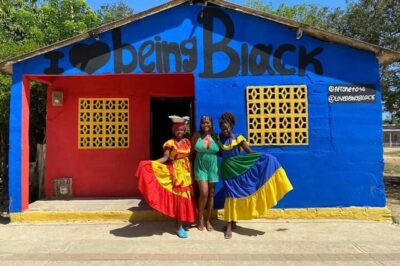

Browse the lists this tour appears in