
REVIEW · STREET FOOD TOURS
Santa Marta A Historical & Street food Experience
History looks better with snacks.
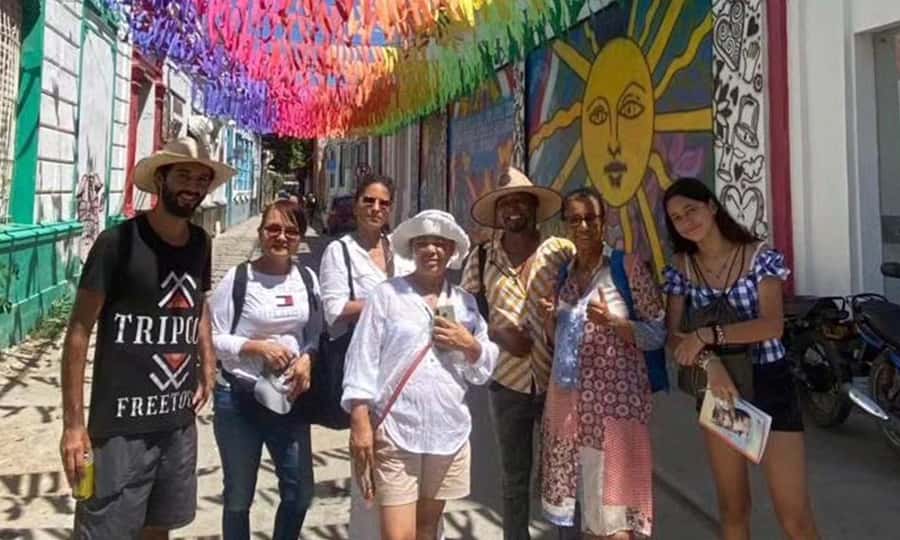
This 2-hour Santa Marta walk blends Tairona roots with street-food tastings, using the city’s plazas and old buildings as the lesson plan. You start at the gold museum in Casa de la Aduana, then move through key historic corners, ending with classic local bites.
My two biggest wins are the guided museum time and the food stops, especially the chance to try ceviche and lulo in more than one form. One thing to consider: the experience can feel short or a bit rushed on some departures, and the ceviche stop timing can depend on local opening hours.
In This Review
- Key things you’ll notice on this tour
- Why this Santa Marta walk mixes history with real food
- Casa de la Aduana and the Tairona Gold Museum: the best kickoff
- Bolívar Square and the parks: history you can walk through
- Cathedral Basilica of Santa Marta: colonial architecture with guided clues
- Iglesia San Francisco and San Miguel Cemetery: different moods, same guidance
- The street-food side: juices, lulo, ceviche, and empanadas
- Fresh fruit juices, including guanábana, maracuyá, and zapote
- Lulo in multiple preparations
- Ceviche tasting, then empanadas to close
- Timing and pace: when 2 hours turns into more (or feels less)
- Who should book this tour, and what you’ll get from it
- Getting more out of it, even when the day feels tight
- Should you book Santa Marta: A Historical & Street food Experience?
- FAQ
- Where does the tour start?
- How long is the experience?
- What languages is the live guide available in?
- What’s included in the price?
- What food tastings are part of the tour?
- Where do you end the tour?
- Is free cancellation offered?
Key things you’ll notice on this tour
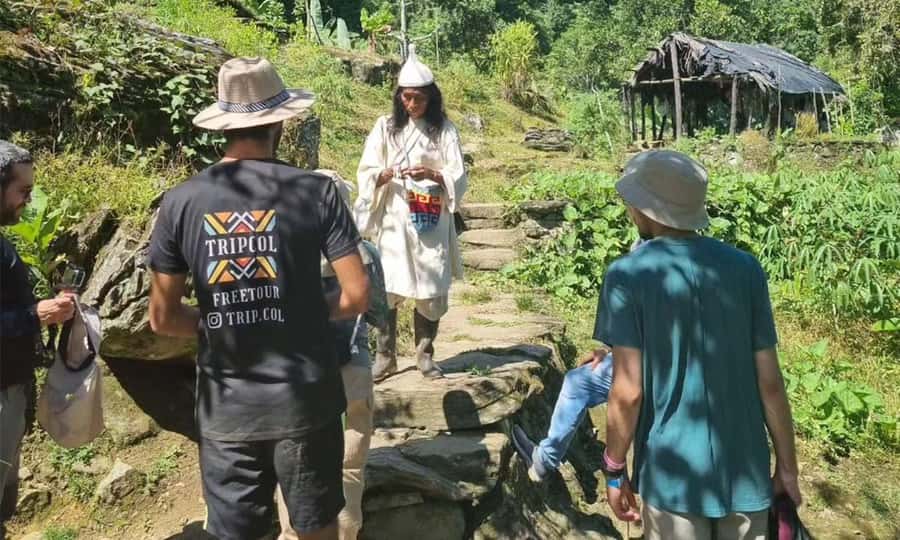
- Casa de la Aduana meets Tairona Gold Museum right at the start, so context comes before wandering.
- Bolívar Square and public parks are treated like living history, not just photo spots.
- Cathedral Basilica of Santa Marta includes guided attention to colonial details and messages in frescoes.
- Fruit juice and lulo tastings show up as part of the story, not an afterthought.
- Ceviche and empanadas give you the street-food baseline for Santa Marta.
- Sergio’s guiding style can make the whole route feel easier to follow and more personal.
Why this Santa Marta walk mixes history with real food
If Santa Marta is your first stop in Colombia, this kind of tour helps you get your bearings fast. You see the historic center, you learn why it matters, and you eat your way through the basics of what people actually order.
I like tours that connect places to people. Here, you get that through two channels: history in the old streets, and flavors in small tastings. The overall feel is practical, not academic.
It’s also a good value check. At $56 per person for a 2-hour guided format, you’re paying for a professional guide plus a museum visit and local drinks, with food tastings folded in. When the schedule holds, it’s a smart shortcut. When it doesn’t, you’ll wish it had a little more breathing room.
More street food crawls in Santa Marta:
- Medellin: Comuna 13 Graffiti Tour, Cable Car & Street Food
★ 4.8 · 9,046 reviews - Comuna 13 Graffiti Tour with Street Food
★ 5.0 · 7,503 reviews - Medellín: Comuna 13 True Story and Street Food Tour
★ 4.9 · 1,779 reviews
Casa de la Aduana and the Tairona Gold Museum: the best kickoff
Your tour starts at the Museo del Oro Tairona, Casa de la Aduana. That pairing is a big part of why the tour works. Casa de la Aduana ties Santa Marta to its commercial past, while the museum explains what came before, through Sierra Nevada and Tayrona culture.
You get guided time inside the museum, plus space to look around. That matters because gold museums are easy to rush. With a guide, you can focus on what’s being explained instead of trying to read everything yourself.
One standout detail from the experience is how the guide can bring the setting into the conversation, not just the artifacts. A favorite note from this route is the attention to architecture and even references you might spot in the museum setting, including Gabriel García Márquez murals that add a modern layer to the colonial feel.
If you’re the kind of traveler who enjoys objects but also wants the human story, this opening sets you up well for the rest of the walk.
Bolívar Square and the parks: history you can walk through
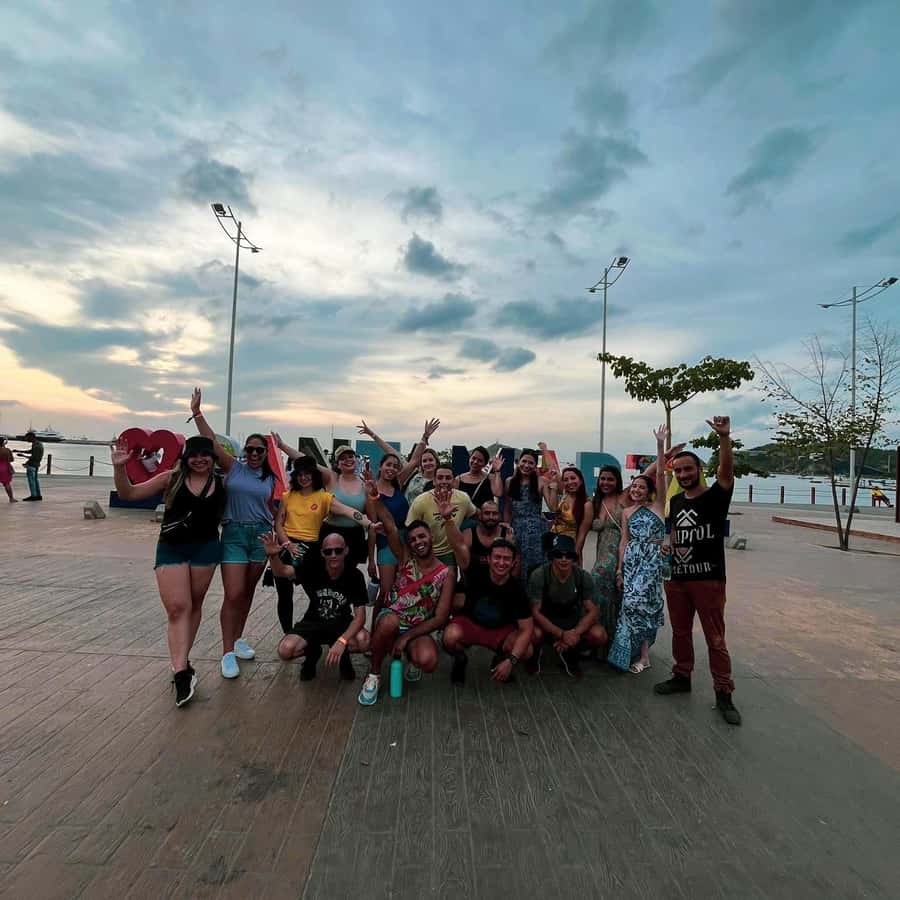
After the museum, the route shifts to the outdoors where Santa Marta’s public spaces do the storytelling. You visit Simón Bolívar Park and Parque Camellón Rodrigo de Bastidas, with at least one moment designed for photos and quick context.
This is where the tour helps most first-timers. When you stand in a square, it’s obvious the city is built around civic life. The guide’s job is to explain why those spaces took their shape and what role they played over time.
Then comes Parque de los Novios, which is one of the social centers of Santa Marta. You get guided time here long enough to hear legends and understand the mood of the place. The park also works as a natural hinge between the colonial and religious stops, because it’s less about buildings and more about how people use the city.
Cathedral Basilica of Santa Marta: colonial architecture with guided clues
The Cathedral Basilica of Santa Marta is next, and it’s more than a quick photo. You get guided attention and scenic views along the way, which helps if you’re trying to understand the city’s layout.
Inside, the guide focuses on colonial architecture and the idea that frescoes can carry hidden messages. Even if you’re not a museum fan, cathedral stops can still be worthwhile when someone points out the clues you would otherwise miss.
In a short tour, cathedrals can feel like a checkbox. Here, you can make it more rewarding by staying present for the guide’s explanations instead of pulling out your phone for every corner shot. You’ll remember the story more than the picture.
A few more Santa Marta plans worth comparing
- Santa Marta: Guided Walking Food Experience
★ 4.8 · 33 reviews - Street Food Tour in Cartagena
★ 5.0 · 1,143 reviews - Rumbero Gastrotour through Medellín and Street Food
★ 5.0 · 848 reviews - Cartagena: Guided Street Food Tour with Tastings
★ 4.9 · 833 reviews
Iglesia San Francisco and San Miguel Cemetery: different moods, same guidance
The next steps are Iglesia San Francisco and a stop for photos at San Miguel Cemetery.
Why these matter is tone. Churches keep the city’s religious and colonial identity front and center, while cemeteries shift the feeling to something quieter and more reflective. You get guided context for both, plus time for a photo moment at least once, so you’re not completely leaving with only facts.
The cemetery stop is also useful because it helps you understand how Santa Marta lives with its past, including how people mark time and memory. If you’re traveling with someone who gets bored by pure walking tours, these mood changes can keep the day interesting.
The street-food side: juices, lulo, ceviche, and empanadas
This is a history tour that actually feeds you. The tastings are part of the “why” behind Santa Marta, not just an added extra.
Fresh fruit juices, including guanábana, maracuyá, and zapote
You’ll hit an exotic fruit juice stop for freshly made juices. The route calls out fruits like guanábana, maracuyá, and zapote. This is one of the most practical parts of the experience because it refreshes you in the middle of walking and gives you a baseline for Colombian flavors.
If you’re the type who tends to stick to bottled drinks, tasting these locally made juices can shift how you order for the rest of your trip. It’s a small lesson in what’s seasonal and what people actually drink.
Lulo in multiple preparations
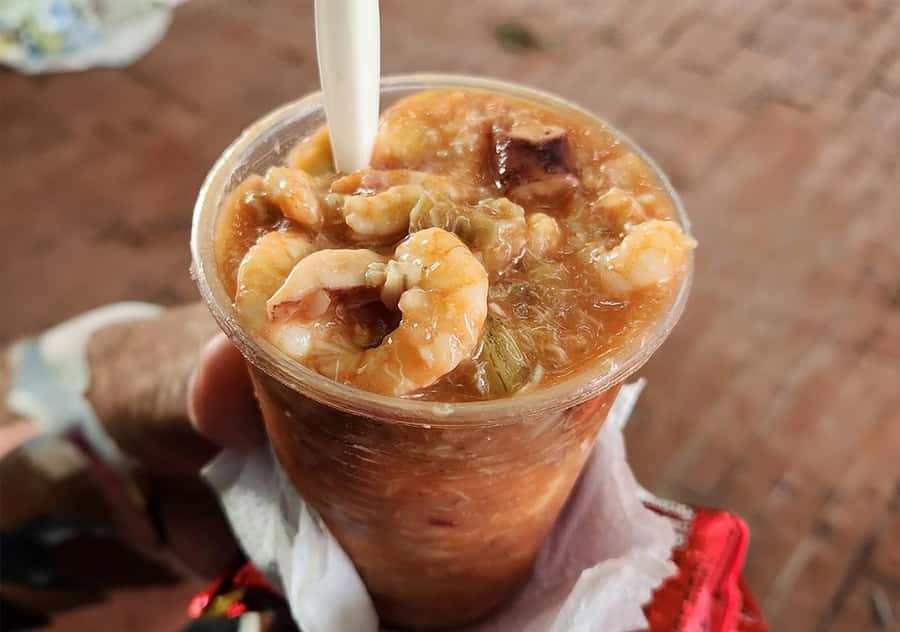
Later you get a lulo tasting experience, with lulo served in different forms. The format includes lulo as a juice plus other preparations like artisanal infusions. Even if you only taste small amounts, it helps you understand why this fruit shows up so often in Colombian menus.
A good tip here is to slow down for the lulo comparison. Notice the differences in sweetness, acidity, and thickness. That’s how you’ll recognize it again later when you’re ordering on your own.
Ceviche tasting, then empanadas to close
The tour includes a ceviche tasting at a local spot, and it ends with empanadas. Ceviche gives you the seafood side of Santa Marta, while empanadas are the street-food staple that fits almost any appetite and budget.
One practical consideration: on some departures, the ceviche place can be closed or the plan can tighten up. If ceviche is a must-do for you, I’d treat the tasting as part of the route but also keep your expectations flexible. Your guide should manage the day on the ground.
Timing and pace: when 2 hours turns into more (or feels less)
The scheduled duration is 2 hours, and the overall route is designed to pack museum time, multiple guided stops, and tastings into a tight window. That’s exactly why the tour can be great when the day runs smoothly.
But experience levels can vary based on the group and how time lands at each stop. On some days, it can feel rushed, with the guide moving quickly through stops and not getting the depth you expected. On other departures, it may run closer to four hours, including more time at key places.
If you’re trying to match the tour to your energy levels, consider this: you might feel better with an afternoon slot because it can be cooler. That small choice can make walking and tasting more comfortable, especially in warm weather.
Who should book this tour, and what you’ll get from it
This is best for you if:
- you want a compact way to learn Santa Marta’s historic center
- you like guided context, especially for museums and cathedrals
- you want a first taste of local flavors without planning a full food crawl
It’s less ideal if:
- you are extremely time-sensitive and need everything to stay exactly on schedule
- you hate tight timing inside museums or prefer slower, longer stops
- ceviche is your one non-negotiable, and you would be disappointed if the tasting stop runs differently
The overall rating is strong, with an average of 4.7. When it’s clicking, the guiding makes the route feel personal. One recurring highlight is the guide name Sergio, described as personable and easy to talk to, with enough knowledge to answer basic questions and even offer ideas for what to do next.
That last part matters. A good guide does more than show you a route. Sergio’s style, at least on some departures, includes helping you outside the tour as well, like suggesting what to see and assisting when something went wrong with a hostel. That kind of care turns a short tour into a useful one.
Getting more out of it, even when the day feels tight
A short guided route is a trade. You trade time for focus. To make the trade worth it, do a couple of simple things:
- Go in with a mental goal: understand the Tairona connection, then match that to what you see in the city.
- After the museum, pay attention to where you are in relation to squares and parks. It helps you “map” the city quickly.
- During tastings, take a breath and compare flavors, especially for lulo and juices. You’ll learn faster that way.
Also, watch your expectations on food. This tour includes ceviche and empanadas, plus local drinks. But a street-food stop can be affected by normal opening hours. The guide usually keeps the day moving, but your best outcome comes from staying flexible.
Should you book Santa Marta: A Historical & Street food Experience?
Yes, if you want a guided, compact route through Santa Marta’s historic center that includes museum time and real local snacks. At $56, it’s reasonably priced when the itinerary holds and you’re getting the museum guidance plus the planned tastings.
Book it with one mindset: this is a fast-moving sampler of Santa Marta history and street flavors. If you’re the type who needs everything to be slow and unhurried, you might feel the squeeze. If you want a smart first look with enough food to satisfy you, this is a strong choice.
If you can, consider an afternoon departure for comfort. And if ceviche is a top priority, ask the guide for a clear understanding of the food timing early on, so you can plan your appetite accordingly.
FAQ
Where does the tour start?
The tour starts at Museo del Oro Tairona, Casa de la Aduana.
How long is the experience?
The experience is listed as 2 hours.
What languages is the live guide available in?
The live tour guide is available in English and Spanish.
What’s included in the price?
Included are a professional guide, a guided tour inside the museum, and a local drink.
What food tastings are part of the tour?
The tour includes tastings such as ceviche, lulo (in different preparations), exotic fruit juice, and empanadas.
Where do you end the tour?
The tour has 2 drop-off locations: Parque de los Novios and Museo del Oro Tairona, Casa de la Aduana.
Is free cancellation offered?
Yes. You can cancel up to 24 hours in advance for a full refund.
More Dining Experiences in Santa Marta
- Bogotá Food Experience: Cultural & Culinary Tour
★ 5.0 · 591 reviews - Dinner cruise on Cartagena’s bay with Sibarita Master
★ 4.5 · 297 reviews - Cooking Class In A Real Restaurant At Old City
★ 5.0 · 180 reviews - Dinner Cruise Along Cartagena’s Bay
★ 4.5 · 147 reviews
More Food Tours in Santa Marta
- Half Day Bike Tour in Medellin – Local snack, Coffee or Beer
★ 5.0 · 2,509 reviews - Medellin Beer Party Bus
★ 5.0 · 981 reviews - Pablo Escobar Tour : Museum, History and Beer
★ 5.0 · 867 reviews - Medellín: Pablo Escobar Tour with beer included
★ 4.7 · 612 reviews
Hot off the list in Santa Marta
- Tour en Velero a Bahía Concha Parque Tayrona★ 3.5 · 4 reviews
- TOUR DE 2 DIAS AL CABO DE LA VELA, LA GUAJIRA★ 4.4 · 14 reviews
- Tayrona Park & Playa Cristal★ 3.8 · 4 reviews
- Tayrona Park & Cabo San Juan★ 3.5 · 20 reviews
- SPEEDBOAT TOUR TO TAYRONA CRISTAL BEACH★ 3.7 · 7 reviews
- Sierra Minca Day Tour★ 5.0 · 10 reviews
- SANTAMARTA: White Night Tour in Katamaran with open bar★ 3.8 · 6 reviews
- SANTAMARTA: TOUR Remanso, Taganga, Playa Grande Lunch and Snorkeling Included★ 3.5 · 4 reviews
Street Food Tours, compared.
Comuna 13 Graffiti Tour, Cable Car & Street Food
Read our review →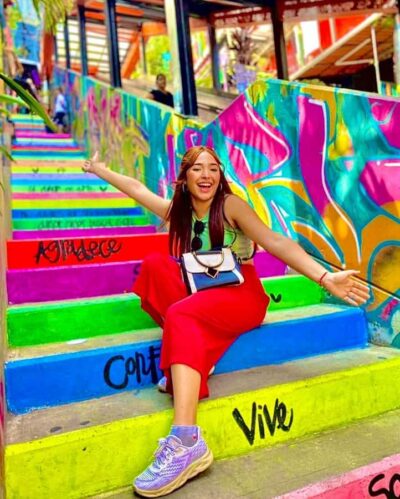
Rumbero Gastrotour through Medellín and Street Food
Read our review →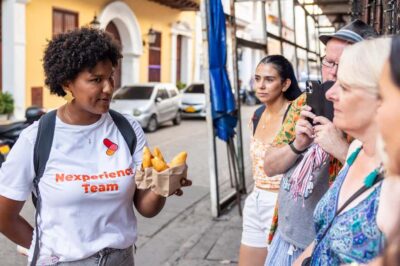

Street Food and Poblado Rooftop Tour with a Local
Read our review →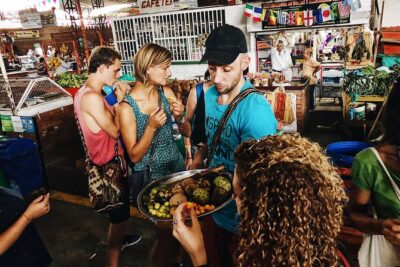
Browse the lists this tour appears in