
REVIEW · COMUNA 13 TOURS
Shared Tour Cali’s Salsa, Graffiti & Resistance Experience
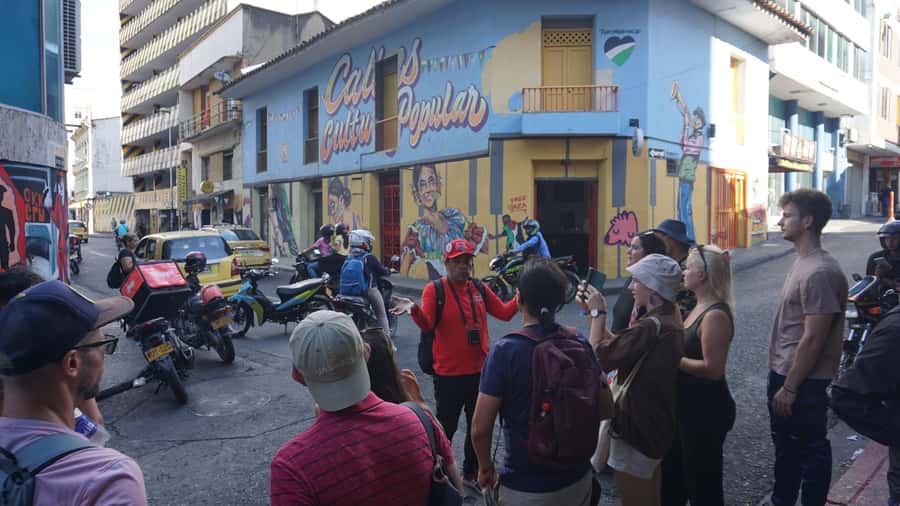
Cali sings, then talks back. This tour connects salsa to social movements through real street art and story stops, and I love how the guide makes Cali feel personal, not like a textbook. You also get a guided look at murals that link music legends with activism. One watch-out: you will walk about 8 km, so go in with comfortable shoes.
Meeting point is right at Plazoleta Jairo Varela, look for the red umbrellas, and you will stay out for about 150 minutes with rest stops built in. It is a shared, guided experience in English or Spanish, with tips for where to continue your night at salsa bars.
In This Review
- Key Highlights You Will Notice Fast
- Where It Starts, and How the Tour Sets the Tone in Cali
- Salsa History, but Tied to People, Not Just Music
- First Stops: Plazoleta de la Caleñidad and Calle del Pecado
- River Boulevard Curve: Feeling the Flow Between Art and Atmosphere
- World Cup Tunnel and 5th Avenue: A Street-Level Cali Timeline
- Graffiti Monument to Victims N21: When the Street Art Turns Into Resistance
- Cult Salsa Bars: How You Extend the Night After the Walk
- How Long It Really Takes, and Why Comfortable Shoes Matter
- Price and Value: Why $13 Feels Like a Good Deal in Cali
- What to Bring, What Not to Do, and Small Tips That Help
- Who This Tour Is Best For, and Who Might Want Another Option
- Should You Book This One?
- FAQ
- Where does the tour meet?
- How long is the tour?
- How much walking should I expect?
- What language is the guide?
- Is food or drinks included?
- What should I bring, and is smoking allowed?
- Is the tour wheelchair accessible?
Key Highlights You Will Notice Fast
- Salsa as a social movement, tied to African emancipation and the idea of cultura popular
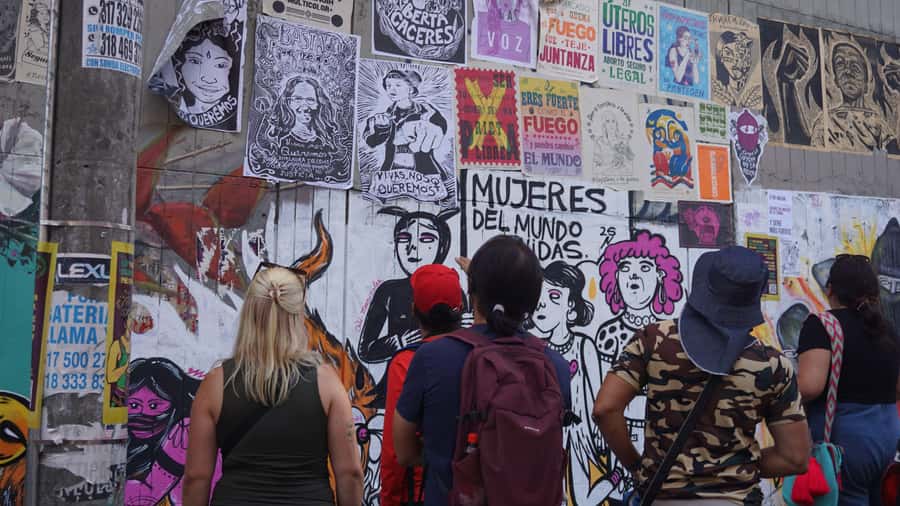
- Murals that pair music icons with activist messages, so the street art has a point
- A focused walk through Cali landmarks, including Plazoleta de la Caleñidad and Calle del Pecado
- Real storytelling from guides like Christian or Cristian, known for high energy and clear explanations
- No surprise paid entrances on the route, and recommendations for cult salsa bars to extend the fun
Where It Starts, and How the Tour Sets the Tone in Cali
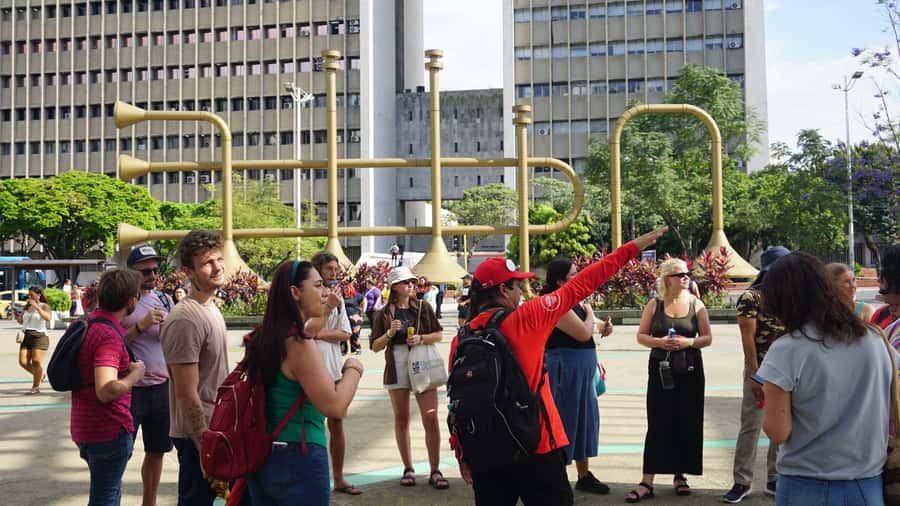
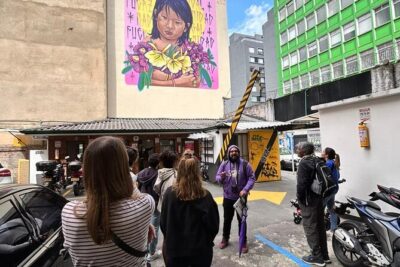
You meet at Plazoleta Jairo Varela, easy to spot with the red umbrellas. I like that the tour starts in a public place, not a backroom. From there, the guide works the streets like a living timeline, using what you see to explain what salsa means in Cali.
The biggest thing this tour tries to do is change your angle. Most visitors show up for dancing, then they leave with steps. This walk nudges you toward a deeper question: how did salsa become part of daily life, identity, and even resistance in Cali?
The guides are the secret ingredient. In recent groups, I saw names like Christian, Cristian, Chris, and Christin popping up in feedback, and the consistent theme is the same. The guide keeps the story moving, speaks clearly in English or Spanish, and stays open to adjusting the pace so you are not just marching like a drone.
More Salsa Dancing Classes in Cali
- Friday Salsa Pub Crawl in Cali
★ 4.9 · 23 reviews - The Cali Salsa Tour
★ 4.7 · 9 reviews - Historical Shared Tour Salsa, Graffiti & Resistance in Cali
★ 5.0 · 107 reviews
Salsa History, but Tied to People, Not Just Music
If salsa is your entry point, great. But this experience treats salsa like something bigger than a genre. You will hear how salsa connects to African emancipation and how that history flows into modern culture. Then the tour threads the timeline forward through Caribbean Antilles roots, a major stop in New York, and the boom years of cultural development in Cali during the 1960s through the 1980s.
In Cali, salsa is not only for the stage. It is for the neighborhood. The tour explains salsa as part of cultura popular, a popular lifestyle and social space. That matters because it changes how you watch murals, listen to lyrics, and read the mood of a street.
Here is what I think you will appreciate most: the guide does not treat politics like a separate topic. Salsa lyrics are described as talking about romance, historical events, and social manifestos. You end up understanding why music and protest can share the same heartbeat in Cali.
First Stops: Plazoleta de la Caleñidad and Calle del Pecado
Early on, you hit the Plazoleta de la Caleñidad. The name alone signals local identity, and the tour uses it to set the “Cali lens.” This is where you start seeing the difference between generic travel photos and what locals mean when they say salsa belongs to them.
Next comes Calle del Pecado, also called the street of flavor. You are not just walking through a famous-sounding street name. The guide uses the setting to talk about the social side of salsa, how the nightlife energy and the concentrated focus on salsa shape the city. Cali is described as having an energetic nightlife, but with a strong pull toward salsa as the icon of local identity.
What I like about starting with these stops is momentum. You get grounded in places that feel like everyday Cali. Then, as the walk continues, the tour can point to murals with more impact because you already understand the vibe of the city.
River Boulevard Curve: Feeling the Flow Between Art and Atmosphere
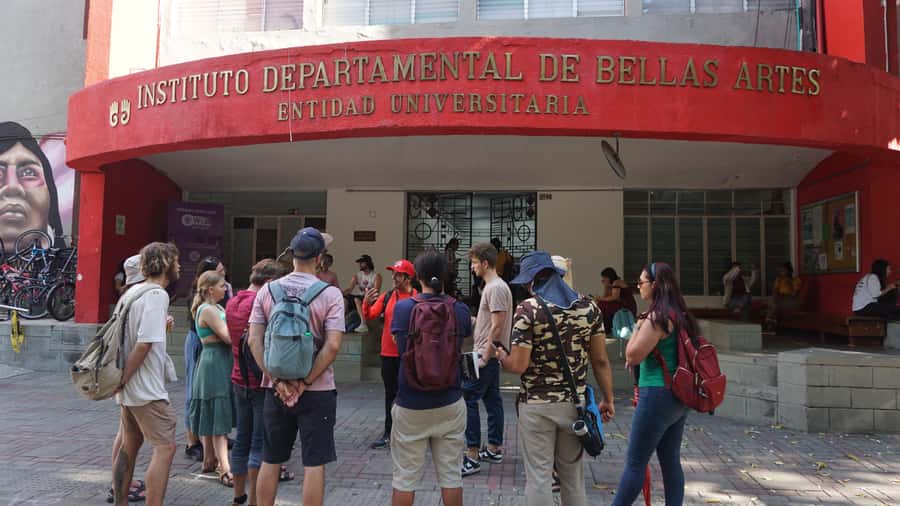
At some point, the tour shifts to outdoor views along the River Boulevard area, including the Curve of the River Boulevard. This is a smart break in the storytelling pattern. Instead of always talking about history at every corner, the guide gives you space to connect the idea of salsa with motion, rhythm, and the way people move through the city.
I treat stops like this as small reset buttons. You get a breather, but you still learn something. The guide links the feeling of flow to how salsa functions as lifestyle, not only performance.
If you like photography, this is the moment to use it. The tour is built around street art and specific murals, and you will want photos that show more than one face of Cali.
More Comuna 13 graffiti walks:
- Medellin: Comuna 13 Graffiti Tour, Cable Car & Street Food
★ 4.8 · 9,046 reviews - Comuna 13 Graffiti Tour with Street Food
★ 5.0 · 7,503 reviews - Comuna 13 Graffitour knows the urban art district of Medellín
★ 5.0 · 2,856 reviews - Medellín: Comuna 13 True Story and Street Food Tour
★ 4.9 · 1,779 reviews
World Cup Tunnel and 5th Avenue: A Street-Level Cali Timeline
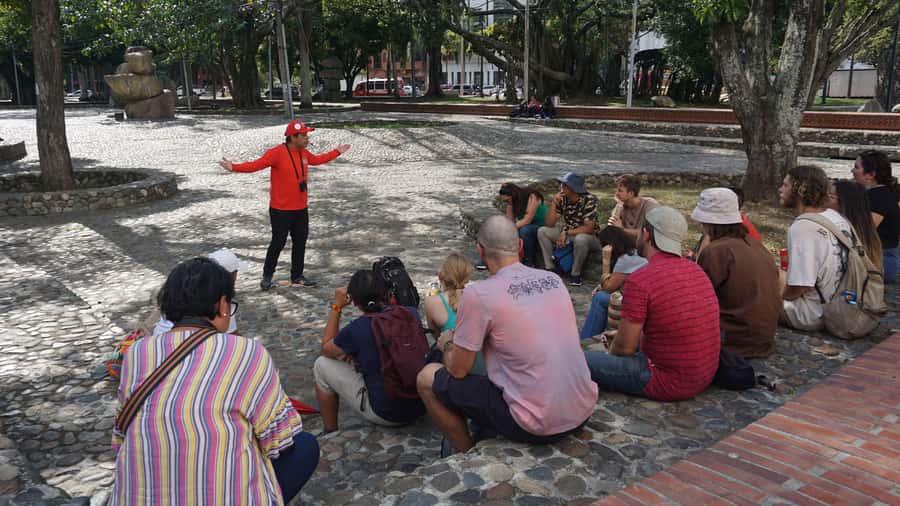
The World Cup Tunnel and 5th Avenue stop adds another layer to the story. It is a reminder that Cali has pop culture memory, public spaces, and urban design that people use every day. That daily use is part of why salsa sticks. It is not floating in art history. It lives in the spaces where people go.
For me, the value of this stop is how it connects the dots. You start understanding why salsa is so concentrated in Cali. It is not just that people can dance. It is that the city supports a shared cultural rhythm, and the streets reflect that.
As you walk, you will also get explanations for what you see near the route. The tour keeps returning to salsa as a popular lifestyle tied to African emancipation roots and ongoing social life, including how artists express struggle.
Graffiti Monument to Victims N21: When the Street Art Turns Into Resistance
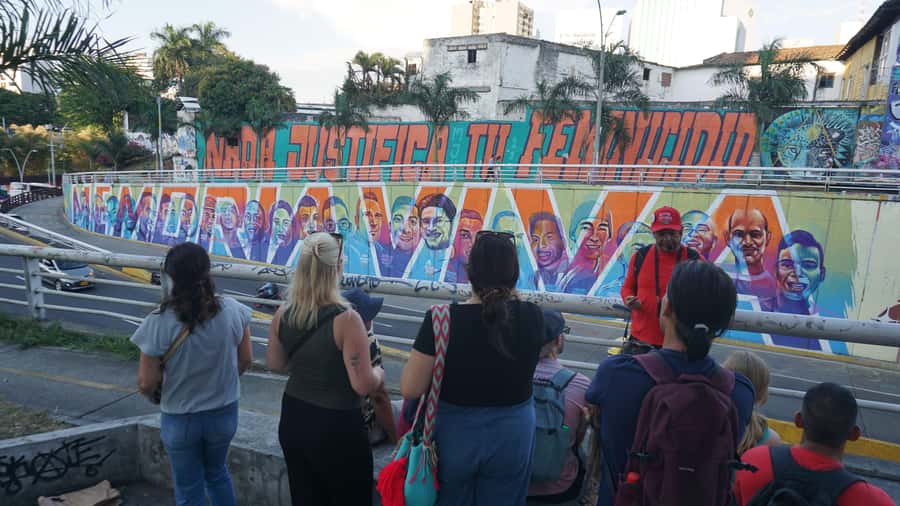
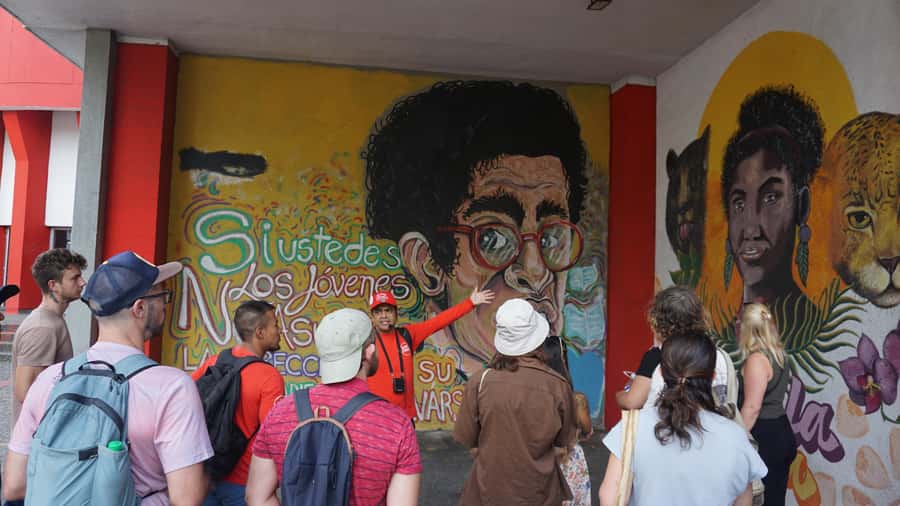
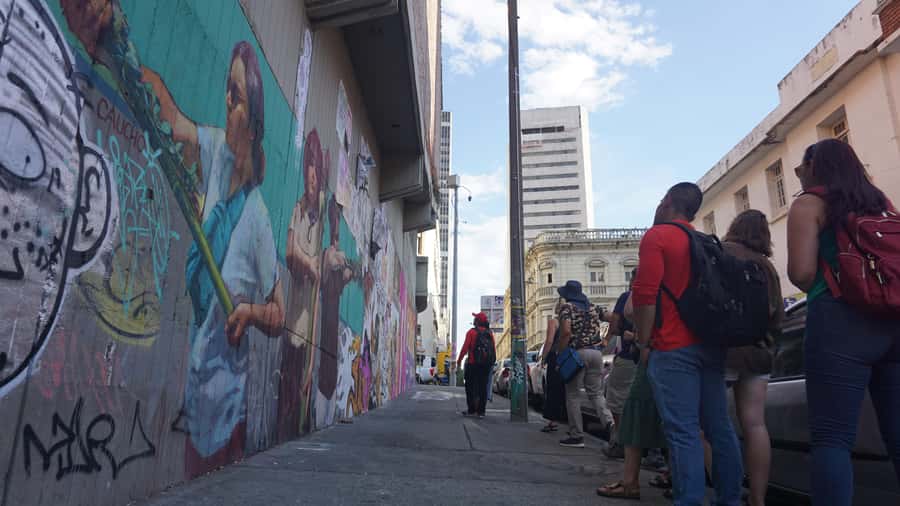
This is the most emotionally pointed stop on the walk. The tour visits a graffiti monument to victims N21. The theme is resistance, and you see how activist messages can sit close to music tributes in the same urban canvas.
This is where the tour earns its name. It is not only graffiti as decoration. It is graffiti as memory and voice. The guide connects salsa to a broader pattern of solidarity and protest, explaining how art, music, and activism can work together.
The tour also explains a key idea you will keep noticing: close to salsa characters painted on murals, you can find more radical messages from other social movements tied to popular struggle and causes. That proximity matters. It shows you salsa characters are not stuck in nostalgia. They live in the same streets where people still push for change.
If you prefer light and easy only, this portion may feel heavy. If you can handle history with your feet on the pavement, this stop is powerful.
Cult Salsa Bars: How You Extend the Night After the Walk
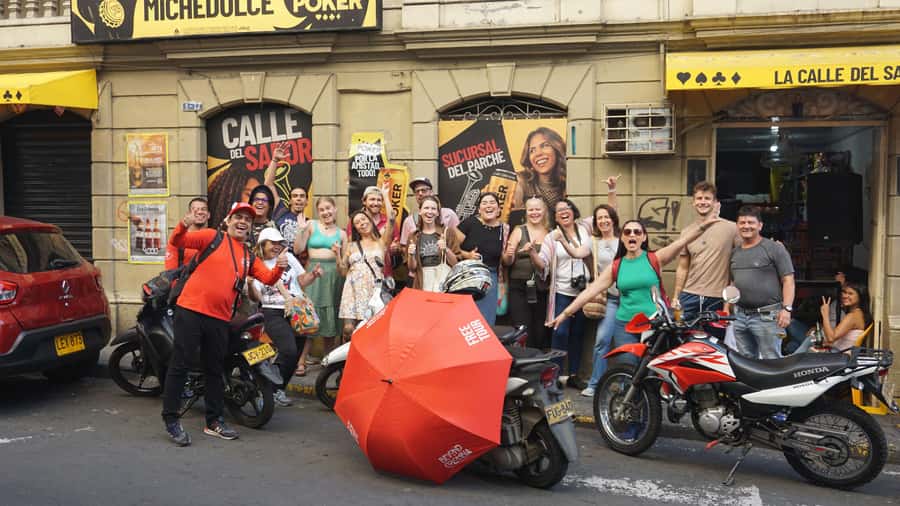
You end with recommendations for cult salsa bars. The tour does not pretend a walking history lesson replaces dancing. Instead, it sends you out with a direction, and that is exactly what I want from a tour like this.
The feedback you will get tends to highlight that the guide loves salsa and keeps the energy up, sometimes even prompting people to go dancing the same night. Even without a formal lesson built into the route, the tour’s perspective makes it easier to enjoy what comes next.
If you plan your evening, do this walk earlier rather than later. You will cover a lot of ground and you will be thinking about lyrics, murals, and meaning. Then when you step into a salsa bar, it will feel like the end of the story, not a random detour.
How Long It Really Takes, and Why Comfortable Shoes Matter
The tour lasts about 150 minutes, around 2 hours, with rest stops. But the practical reality is the walking. You will walk about 8 km during the experience.
That is why the basics are not boring. Comfortable shoes matter because you are on your feet, listening, and stopping often enough that it is not a simple “just walk and view” stroll. Water matters too, and it is not optional. Bring it with you, since drinks and food are not included.
Also, the group setting is shared. That means your pace is influenced by other people, not just your own rhythm. The upside, based on the way guides were described, is that the guide keeps things lively and adjusts enough to keep the flow comfortable.
Price and Value: Why $13 Feels Like a Good Deal in Cali
At $13 per person for a guided 150-minute experience, this can be excellent value, especially in a city where you can pay for separate activities. You get:
- A professional guide from Beyond Colombia
- Focused local knowledge on salsa history and cultura popular
- Street art murals and content on the route
- Recommendations for salsa bars
You also avoid a common tourist trap: extra charges. Tickets or entrances are not part of what you pay for on this tour. Transportation is not included either, but the walk plus rest stops is the main design.
There is a small extra value angle too. The tour offers benefits and discounts with recommended partners if you show the Free Walking Tour Map via their link tree. It is not a guaranteed free meal or anything dramatic, but it is a practical way to stretch your night a bit farther once you finish the tour.
What to Bring, What Not to Do, and Small Tips That Help
Bring comfortable shoes, camera, and water. That is the short list, but it is the difference between a good walk and a tiring one.
If you carry a bag, keep your belongings close. Some areas can be crowded. This is the kind of tour where you stop often for the guide to explain what you are seeing, which means you are not always moving at full attention speed.
No smoking is the rule. Simple enough.
If you like planning ahead, dress for comfort. The tour is about feeling Cali, not showing up dressed for a magazine cover.
Who This Tour Is Best For, and Who Might Want Another Option
This tour is a strong fit if you want salsa beyond the dance floor. You will enjoy it if you care about:
- How music connects to social movements
- How murals tell parallel stories of culture and struggle
- Walking through Cali with a guided lens
You might be less happy if you want only upbeat entertainment. Part of the experience includes resistance themes and a victims monument stop, so it is not purely cheerful.
It is also not suitable for wheelchair users, since the experience involves a substantial walk.
Should You Book This One?
Yes, if you want Cali that feels real and meaningful. This is one of those rare music-themed walks where the guide keeps connecting street art, salsa history, and the social side of Cali, not just steps and sound. At $13 for 150 minutes, with no entrance fees added and a clear route of murals and landmarks, the value is strong.
If your priority is a short, low-walking taste of salsa, choose carefully. The about 8 km pace is real, and the tour has emotional depth once the resistance thread starts showing up.
FAQ
Where does the tour meet?
You meet at Plazoleta Jairo Varela with the red umbrellas.
How long is the tour?
The tour lasts about 150 minutes, roughly 2 hours.
How much walking should I expect?
You will walk about 8 km during the tour, with rest stops.
What language is the guide?
The live guide offers Spanish and English. There is also an optional audio guide in Spanish.
Is food or drinks included?
No. Drinks, food, and souvenirs are not included.
What should I bring, and is smoking allowed?
Bring comfortable shoes, a camera, and water. Smoking is not allowed.
Is the tour wheelchair accessible?
No. The tour is not suitable for wheelchair users.
More Salsa Dancing Classes in Cali Colombia
- Salsa & Bachata Nightlife Tour in Medellín with a Local Dancer
★ 5.0 · 127 reviews - Salsa Tour in Cartagena with admission Ticket to Café Havana
★ 4.5 · 76 reviews - Private Salsa Class and / or Latin Rhythms
★ 5.0 · 54 reviews - Salsa Bar Hopping in Cali
★ 4.5 · 43 reviews
Hot off the list in Cali Colombia
- The Cali Salsa Tour★ 4.7 · 9 reviews
- Shared Tour Cali’s Local Food at Alameda Market★ 4.8 · 12 reviews
- Friday Salsa Pub Crawl in Cali★ 4.9 · 23 reviews
- Private Tour on a 1100cc Cruiser Motorcycle★ 5.0 · 4 reviews
- Flavors of Cali: Food tour at the local market★ 5.0 · 5 reviews
- Coffee Tasting Experience in Cali★ 5.0 · 13 reviews
- From Cali: Whale Watching Day Trip in Buenaventura★ 4.6 · 3 reviews
- Cali: Tour of Waterfall in Pance River – Chorrera del Indio★ 4.9 · 34 reviews
Comuna 13 Tours, compared.
Comuna 13 Graffiti Tour, Cable Car & Street Food
Read our review →
Comuna 13 Graffitour knows the urban art district of Medellín
Read our review →
City tour Medellin + Comuna 13 + Graffititour Paisa for a day
Read our review →
Guided Tour of Comuna 13 Medellín with Snacks Included
Read our review →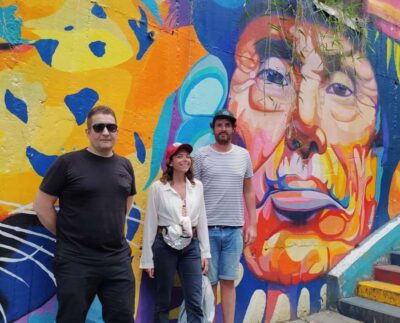
Graffiti Tour: a fascinating walk through a street art City
Read our review →Browse the lists this tour appears in