
REVIEW · LOST CITY TREKS
4-Day Walking Tour to Lost City of Sierra Nevada
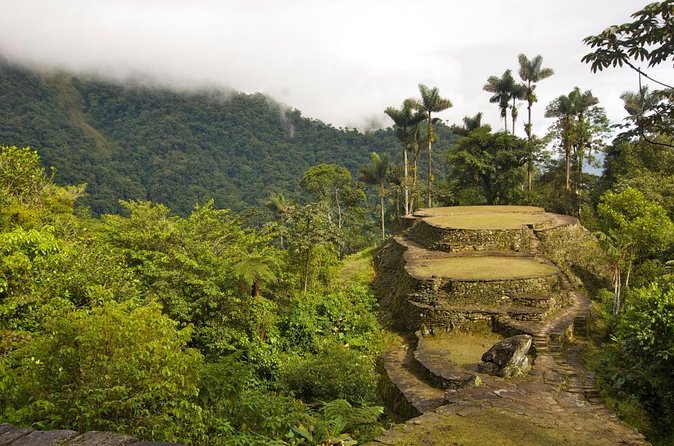
Hidden steps lead to the Lost City.
This 4-day walk in the Sierra Nevada de Santa Marta takes you from Santa Marta into Tayrona country, with guided jungle paths, camp time by natural pools and waterfalls, and the iconic climb to Ciudad Perdida. I especially like the small-group feel, plus the way the days are structured so you are not just hiking, you are also getting real moments to cool off and regroup.
My other favorite part is the value layering: you get a 4×4 truck transfer, accommodations, and most meals, not just a guide and a map. One thing to think about first, though, is physical readiness, because the trek includes a 1,200-step ascent, and you will be walking for hours each day in warm, humid conditions.
If you want a hands-on, jungle-to-ruins experience built around pacing and support, this is a strong option. The booking pace is high, but the group limit of 12 helps keep it from feeling crowded.
In This Review
- Key things I’d bet on before you book
- Lost City, but with a realistic journey
- From Santa Marta to Mamey: the start feels like a transition
- Camp 1 and Tayrona sacred-place search
- Buritaca River Valley and the Kogui houses called Mutanshi
- The 1,200 steps to Ciudad Perdida: your big payoff day
- Camps, hammocks, and meals: what support looks like
- Santa Marta return day: rivers, waterfalls, and a 5 pm finish
- Small group size and personal guidance
- Price and value: does $545 make sense?
- Fitness and weather checklist before you go
- Who should book this Lost City walking tour?
- Should you book Ecosierra Perdida Tours?
- FAQ
- How long is the Lost City of the Sierra Nevada walking tour?
- Where does the tour start in Santa Marta?
- What is the group size limit?
- What level of fitness do I need?
- Is the hike to Ciudad Perdida very strenuous?
- What is included in the price?
- What happens if weather is poor?
Key things I’d bet on before you book
- Small group limit (max 12): easier movement, quieter vibe, and more guide attention
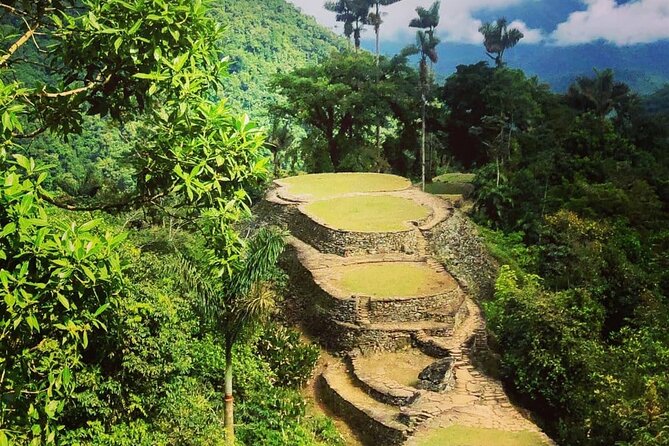
- 1,200 steps to Ciudad Perdida: the signature climb that makes the whole trip feel earned
- Camp time with nature perks: rivers, natural pools, and waterfalls for breaks
- Tayrona and Kogui stops along the way: context built into the route, not added later
- Meals and lodging included for most of the days: fewer logistics headaches during the trek
Lost City, but with a realistic journey
There are two ways to visit Ciudad Perdida in your imagination. One is the postcard version, ruins and stone paths. The other is the real version, getting there step by step through jungle, valley walking, and camp nights where you live outside for a few days.
I like that this trek leans into the real version. You start early, ride out by 4×4 truck, and then move into a rhythm of walking, resting, eating, and walking again. That rhythm matters because Ciudad Perdida is not a quick stop. You need time to arrive, breathe, and take in what you came for, without feeling rushed.
This also helps your brain stop treating the hike like a chore. The route builds in breaks that feel natural to the environment, like time near rivers and natural pools, and a chance to slow down at camp.
More Lost City treks:
- Hike for 4 days to the Lost City, Santa Marta
★ 5.0 · 3,308 reviews - Lost City – Ciudad Perdida Colombia
★ 5.0 · 1,203 reviews - 4-Day Lost City Small-Group Tour in Santa Marta
★ 5.0 · 254 reviews
From Santa Marta to Mamey: the start feels like a transition
Most days begin around 7:30 am, and Day 1 starts with a ride from Edificio Sierra Nevada toward the Mamey region. You head out in a 4×4 truck for about 2.5 hours, and the long ride does more than get you from A to B. It signals that you are leaving the city behind and entering a different kind of day.
Once you reach Mamey, you have lunch and then start searching for what the Tayronas considered a sacred place. That first segment is a good fit if you like travel that starts with context instead of jumping straight into strenuous movement. It also means you are warmed up by walking and exploring before the first overnight.
In the afternoon you arrive at Camp 1. This is the moment where the trip clicks into place: you get dinner, and the night is set up in hammocks so you can actually rest. After a long travel day, that matters more than it sounds.
What to watch: the early start plus the truck ride means Day 1 can feel full. If you hate losing your morning, plan for it. On the plus side, the schedule keeps everything moving.
Camp 1 and Tayrona sacred-place search
Day 1 is built around a shift from road travel to jungle travel. You lunch in Mamey, then begin the search for a sacred place tied to the Tayronas, the people connected to the Lost City.
What I like here is the balance. You are not just hiking to check a box. You are also learning what you are seeing as you go. When your guide is talking about sacred places and ancestral significance, it changes how you experience the surrounding area. Suddenly, the route feels less like a route.
Then you arrive at Camp 1. The setting includes rivers, natural pools, and waterfalls, which gives you a real chance to relax. That matters because the next day includes more sustained walking, and you want your body in decent shape.
Potential drawback: camp time is part of the experience, but it is still outdoors. Bring a practical mindset for sleeping and downtime, not luxury expectations.
Buritaca River Valley and the Kogui houses called Mutanshi
Day 2 starts early with breakfast, then you move into the Buritaca river valley. This is one of those sections where the trek becomes more than physical effort. You are walking through a region where you can see numerous houses that make up a Kogui indigenous community called Mutanshi.
The route is roughly 7 hours of walking, and the focus is on moving through Sierra Nevada jungle while encountering natural diversity along the way. By the end of the day, you arrive at Camp 3 for dinner, rest, and the night.
I appreciate that the trip doesn’t save cultural context for the last minute. It folds in learning during the trek, so you feel like you are moving through living space, not just passing through scenery.
What to consider: walking all day can make you forget to hydrate and snack. I’d keep an eye on small energy habits, especially during valley walking where the pace can feel steady and easy to underestimate.
A few more Santa Marta plans worth comparing
- A Pearl In The Caribbean-walking tour in English
★ 5.0 · 71 reviews - Santa Marta: Guided Walking Food Experience
★ 4.8 · 33 reviews - Cartagena: Historic Center and Getsemaní Shared Walking Tour
★ 4.9 · 2,716 reviews - Private Walking Tour in Cartagena Walled City & Getsemaní
★ 5.0 · 1,357 reviews
The 1,200 steps to Ciudad Perdida: your big payoff day
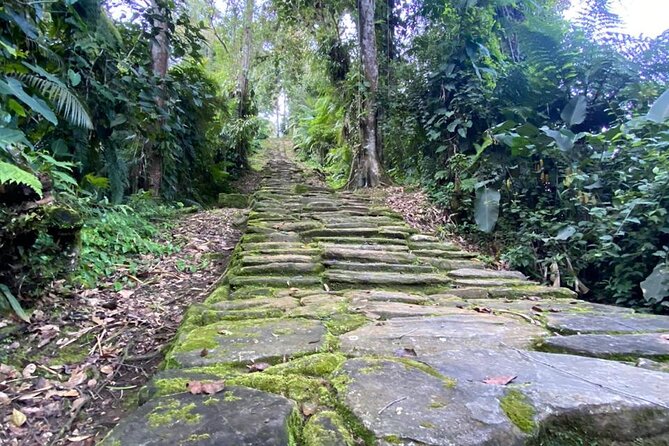
Day 3 is the headliner. You start very early, eat breakfast, and then begin the ascent to Ciudad Perdida. The path includes 1,200 steps, and they are described as a trail built by the Tayronas themselves.
This is where you will feel the physical side of the trek most. It is not a long-distance stroll. It is a climb, and the stair count means you should go in with a steady effort level, not a sprint.
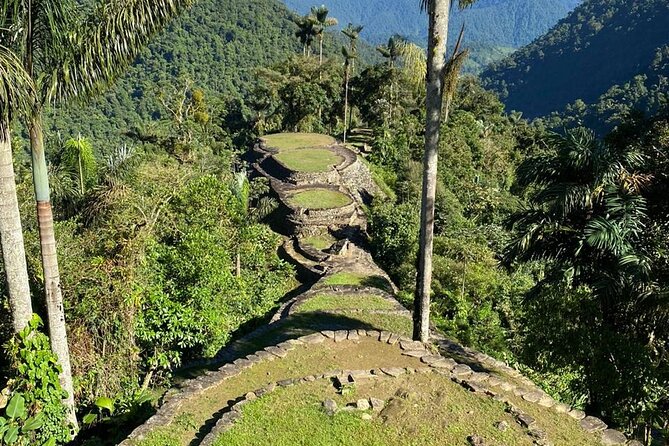
Once you reach Ciudad Perdida, your guide shows you the ruins and shares information about the place full of relics and ancestral stories. This is a key difference maker. The ruins are impressive on their own, but guided context helps you notice what your eyes might otherwise miss.
You spend the morning enjoying the landscapes of the destination, with time to rest and take pictures. Then you have lunch and head back, reaching Camp 2 for dinner and the night.
Two practical notes. First, the early start helps you avoid feeling like you are rushing at the last minute. Second, the return hike after lunch means you should plan to conserve energy once you are already at the top. That is when many people feel the effort catch up.
Camps, hammocks, and meals: what support looks like
Across the 4 days, the structure is built around keeping you cared for. You get accommodation and most meals provided, and your days are paced so you are not arriving at camp starving, exhausted, and scrambling for basic things.
Day 1 includes dinner and hammocks set up for sleeping. Day 2 and Day 3 also build in dinner plus a camp stop where you rest for the night. Day 4 keeps the rhythm by starting with breakfast, then walking and cooling off before lunch and the final truck return.
This kind of planning is a major part of the trip’s value, because it removes friction. You do not have to coordinate lodging, hunt down meals in the middle of nowhere, or worry about how the logistics will work once you are deep on the trail.
If you are sensitive to sleeping comfort, you might notice the difference between hammocks and a bed. But the upside is that the trip is designed to let you actually recover between big walking days.
Santa Marta return day: rivers, waterfalls, and a 5 pm finish
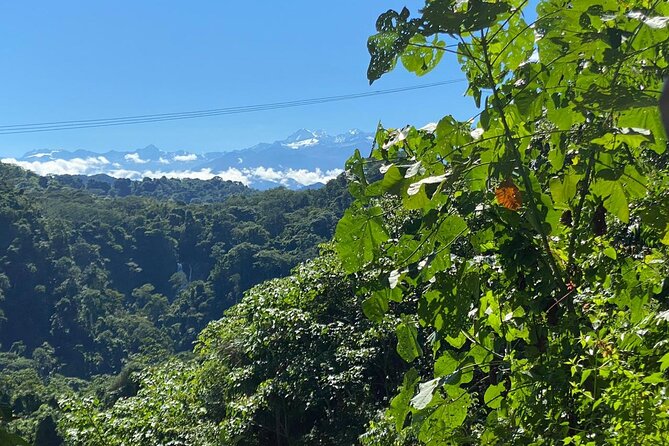
Day 4 starts with breakfast and continues the journey back toward where it all began. You travel by road in a way that includes rivers and waterfalls for cooling off along the way.
In Mamey you have lunch. Then your truck waits for you, and you head back to Santa Marta, arriving around 5:00 pm.
I like return days that still offer small breaks rather than making you hike every single hour until the end. Here, the option to cool off by rivers and waterfalls helps make the final day feel like a closing chapter instead of just a long exit.
Small group size and personal guidance
This trek caps at 12 travelers, which is a big deal for a hike like this. Smaller groups tend to move more smoothly, and it is easier for guides to keep track of everyone’s pace and needs.
In practice, that usually means you spend less time waiting and more time walking when you are supposed to walk. It also tends to make explanations feel more like conversation than a lecture over a crowd.
The high rating supports that this is not just a marketing claim. People consistently praise the organization, the guides, the food, and the overall atmosphere. For me, that matters because in a trek, the quality of the day-to-day experience is everything. If logistics wobble, the hike turns stressful fast.
Price and value: does $545 make sense?
At $545 per person, this trek is not cheap, but it is also not just paying for steps and a view.
Here is what you are getting value for, based on the tour details:
- Guided trekking through the Sierra Nevada with admission tickets included on the first three days
- Transport by 4×4 truck at the start and end of the trek
- Accommodation for your nights during the trek
- Most meals included, including breakfast, dinner, and lunch stops
- A small group (max 12), which can reduce chaos and waiting
So the cost is mostly covering time, planning, and the heavy pieces you would have to solve yourself if you tried to DIY it. You are paying for a system that gets you from Santa Marta to camps and back while providing meals and lodging.
If you already know you will be overwhelmed by multi-day coordination, this price starts to look more fair. If you are the kind of traveler who loves total independence and sourcing your own food and lodging every day, you might find the structure limiting. But for most people, the included support is exactly what makes the trek feel manageable.
Fitness and weather checklist before you go
The trek is for people with moderate physical fitness. Day 3 includes the 1,200-step ascent, and each walking day is around 7 to 8 hours.
That means you should be comfortable with sustained walking and a big climb. You do not need to be an athlete, but you should be ready to work steadily and manage your breathing.
The tour also depends on good weather. If conditions are poor, the experience can be canceled and you will be offered a different date or a full refund. That matters because you should not plan your entire Colombia trip around one fixed window without backup time.
Practical prep I’d recommend:
- Wear shoes you already trust for long days
- Bring layers you can adjust for warm days and cooler breaks
- Pack for sweat and damp conditions, since this is a jungle trek with time near water
Who should book this Lost City walking tour?
I think this works best for travelers who want:
- A guided hike with structure, meals, and lodging handled
- A small-group vibe (max 12)
- A meaningful mix of culture and nature, not just ruins photography
- The main event, Ciudad Perdida, reached after a serious but achievable climb
If you dislike early mornings, long walks, or sleeping in hammocks, you will probably feel the tradeoffs. On the other hand, if you are excited by the idea that the journey is part of the story, this is a very good match.
Should you book Ecosierra Perdida Tours?
My take: yes, if you want a well-organized, small-group trek where the essentials are handled and the day-to-day experience is built for real recovery between walking segments.
Book it if you:
- Are ready for 7 to 8 hours of walking and the 1,200 steps
- Want guided context for Ciudad Perdida, plus culture stops like Mutanshi
- Appreciate getting accommodation and most meals included, so you can focus on the hike
Skip it or reconsider dates if you:
- Are not comfortable with moderate fitness challenges
- Cannot be flexible due to weather-dependent scheduling
FAQ
How long is the Lost City of the Sierra Nevada walking tour?
It’s a 4-day experience, with daily walking sessions that total roughly 7 to 8 hours depending on the day.
Where does the tour start in Santa Marta?
The tour starts around 7:30 am at Edificio Sierra Nevada.
What is the group size limit?
The maximum group size is 12 travelers.
What level of fitness do I need?
The tour is recommended for travelers with moderate physical fitness.
Is the hike to Ciudad Perdida very strenuous?
Yes, Day 3 includes an ascent of 1,200 steps to reach the ruins.
What is included in the price?
Accommodation and most meals are provided, and admission tickets are included on the tour days stated. Day 4 lists admission as free.
What happens if weather is poor?
The experience requires good weather. If it’s canceled due to poor weather, you’ll be offered a different date or a full refund.
Hot off the list in Santa Marta
- Tour en Velero a Bahía Concha Parque Tayrona★ 3.5 · 4 reviews
- TOUR DE 2 DIAS AL CABO DE LA VELA, LA GUAJIRA★ 4.4 · 14 reviews
- Tayrona Park & Playa Cristal★ 3.8 · 4 reviews
- Tayrona Park & Cabo San Juan★ 3.5 · 20 reviews
- SPEEDBOAT TOUR TO TAYRONA CRISTAL BEACH★ 3.7 · 7 reviews
- Sierra Minca Day Tour★ 5.0 · 10 reviews
- SANTAMARTA: White Night Tour in Katamaran with open bar★ 3.8 · 6 reviews
- SANTAMARTA: TOUR Remanso, Taganga, Playa Grande Lunch and Snorkeling Included★ 3.5 · 4 reviews
Lost City Treks, compared.
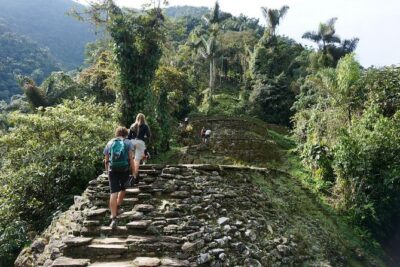
Hike for 4 days to the Lost City, Santa Marta
Read our review →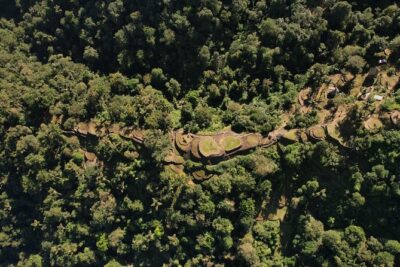
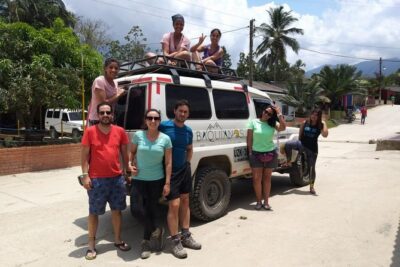
4-Day Lost City Small-Group Tour in Santa Marta
Read our review →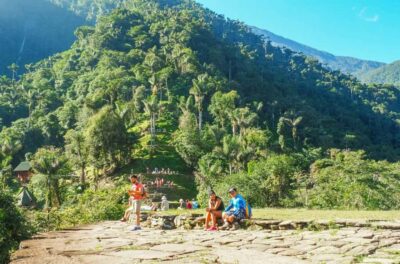
Browse the lists this tour appears in