
REVIEW · HISTORICAL TOURS
Medellin Historic Walking Tour with Expert Guide
Medellín tells its story on foot. This 3-hour walk strings together the places that shaped modern downtown, from the old train station to monuments, squares, and the big-name art spots that helped the city reinvent itself.
I especially like how the tour keeps you moving while still making the history feel clear and human. Free-entry stops also make the value easy to feel right away.
Two things I really appreciate are the guide energy and the art-and-architecture focus. Guides like Germán bring complex context with storytelling and humor, and Carolina leans into the emotional side of a fast-changing city while labeling her opinions as opinions. The route also hits major landmarks without charging for admissions at each stop, so your $16 mostly goes to people, pacing, and interpretation.
One drawback to keep in mind is that the walk is fast, with many short stops. If you have trouble catching a guide’s accent, you may miss some of the finer points, since one review noted that accent clarity can be a minor issue.
In This Review
- Key highlights you should care about
- A 3-hour Medellín story walk, starting in La Candelaria
- Old rail and the moment Medellín began to modernize
- La Alpujarra and the paisa identity behind the scenes
- Monumento a La Raza, Plaza de las Luces, and social urbanism made visible
- Carabobo Street, Palacio Nacional, and the courthouse-turned-cultural shift
- Iglesia de la Veracruz and the tension inside modern Colombia
- Plaza Botero and a sculpture trail in the middle of downtown
- The main art museum building that looks half finished
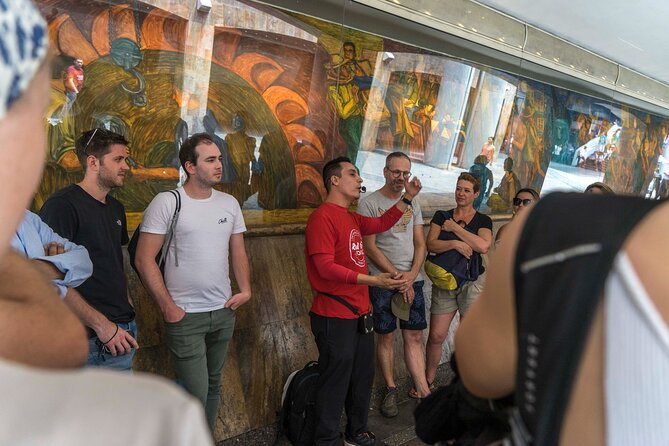
- Pedro Nel Gómez frescoes, Estación de Policía, and what the metro changed
- From Parque Berrío to Parque San Antonio, resilience in the open air
- Price and value for $16, plus what’s included
- Should you book this historic walking tour?
Key highlights you should care about
- Old Medellín origins at the former Antioquia railroad station, where the modern city took shape
- Plaza de las Luces with 300 lighting pillars and a clear explanation of why it matters
- Social urbanism in action, including the Vásquez and Carré buildings and how public space was redesigned
- Art you can see up close, from Palacio Nacional’s local collection to Plaza Botero’s 23 donated sculptures
- Resilience symbols, especially the Birds of Peace linked to the 1995 bombing and Parque San Antonio
- A practical local history lesson, with the metro and public squares tied directly to everyday life
A 3-hour Medellín story walk, starting in La Candelaria
This is a downtown walking tour built for orientation. In about three hours, you cover a chain of “why this place exists” moments, so Medellín stops feeling random and starts clicking into a bigger picture.
You’ll meet in La Candelaria at Cra. 51 #41-76 (Free Walking Tour Medellín – Real City Tours). You end at Parque de San Antonio (Cl 44 #50), with an easy pickup area for Uber and the option to get dropped near San Antonio Metro Station. The whole point is that you finish in a useful place for continuing your day.
A big practical advantage: the group is capped at 18 people, which usually means you get more back-and-forth than you would on a giant bus tour. And the guide is bilingual, so the history lands without you doing mental translation the whole time.
More Historical Tours in Medellin
- Pablo Escobar Tour : Museum, History and Beer
★ 5.0 · 867 reviews - Shared Tour Historic Center of Medellin with Audio System
★ 5.0 · 523 reviews - Medellín Essential: history & local life on E-bike
★ 5.0 · 459 reviews
Old rail and the moment Medellín began to modernize
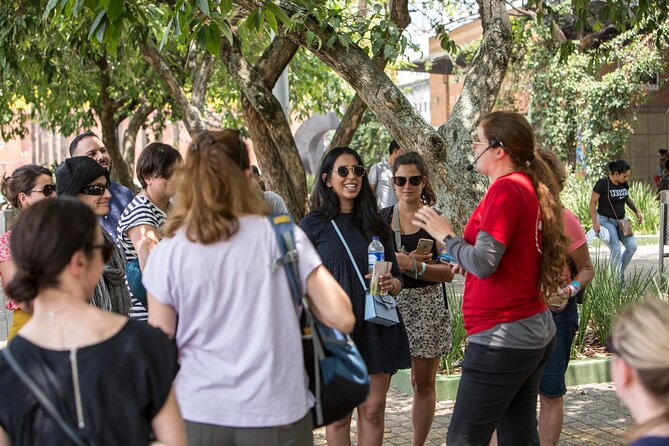
The tour starts with the Edificio del Ferrocarril de Antioquia, the Old Medellín Train Station. This is not just a photo stop. The guide frames it as the physical spark for the modern city, when Medellín’s growth started connecting to wider networks of movement and power.
Expect a quick but meaningful visit, about five minutes on-site. That short time works here because you are getting the “origin story” setup rather than a deep museum session. If you enjoy walking tours that teach you how cities formed, this first stop sets the tone.
Also, the admissions here are free, so you’re not wasting time figuring out tickets. You just listen, look around, and get your bearings for the rest of downtown.
La Alpujarra and the paisa identity behind the scenes
Next comes Centro Administrativo La Alpujarra. This part is less about one single building and more about the human context behind it. A certified bilingual guide gives you the kind of background that helps you read Medellín’s choices, especially the identity of the paisa people.
The stop runs around twenty minutes. That extra time matters because administrative areas can feel cold or purely functional. Here, the tour uses it to explain what shaped modern Medellín’s priorities, and why people talk about the city and the region in the way they do.
If you like history that connects politics, culture, and street life, this is one of the strongest “interpretation” stops on the route.
Monumento a La Raza, Plaza de las Luces, and social urbanism made visible
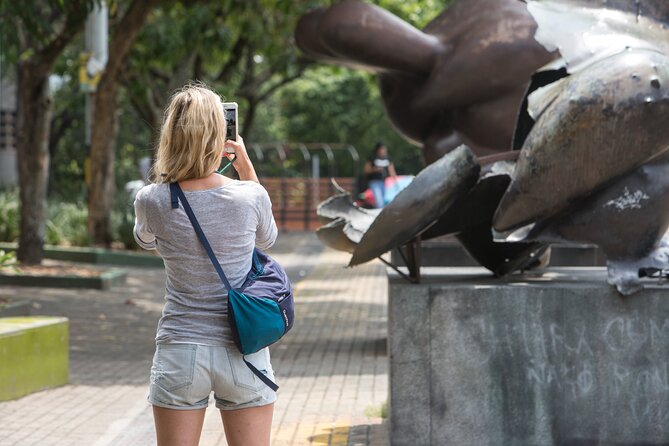
You then move into the public-art and public-space story. First is the Monumento a La Raza, a gigantic concrete and bronze work by Rodrigo Arenas dedicated to the Paisa people of Medellín and Antioquia. Even if you’re not into monuments, it’s a good way to understand how cities use symbols to talk about identity.
Short stop, about five minutes, but the guide’s job is to help you read what you’re seeing. A monument like this can feel dramatic for no reason unless someone gives you the meaning.
Then comes one of the most distinctive stops: Plaza de las Luces Medellín. You’ll stand among 300 pillars that light up at night, and the guide explains what the lights represent and why the plaza became significant in Medellín’s transformation. This is about change you can sense. You’re not just learning names, you’re learning how the city chose to redesign its public spaces.
After that, you hit Edificio Vásquez and Carré, plus the square connected to the lights. This is where the tour leans hard into how Medellín reinvented itself. The guide explains why these buildings became a showcase of the city’s recognized Social Urbanism approach. Translation: the city treated design and public space as tools, not decoration.
These stops are typically quick (around five to ten minutes each). If you prefer longer explanations, you can ask the guide questions, but it helps to accept that walking tours compress time on purpose.
More Walking Tours in Medellin
- Comuna 4 Walking Tour Medellin
★ 5.0 · 217 reviews - Medellin Historic Walking Tour
★ 4.9 · 86 reviews - 2-Hours Street Art Walking Tour in Medellin Comuna 13
★ 5.0 · 54 reviews - Arvi Park Walking tour and city views from Metrocable.
★ 4.6 · 13 reviews
Carabobo Street, Palacio Nacional, and the courthouse-turned-cultural shift
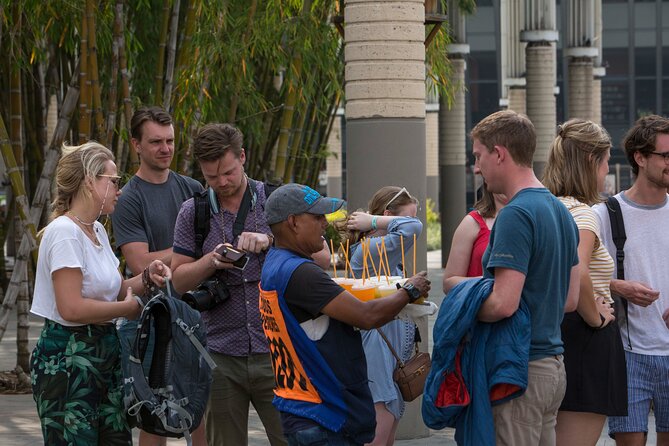
Now the tour turns from stone and symbols to streets and everyday life.
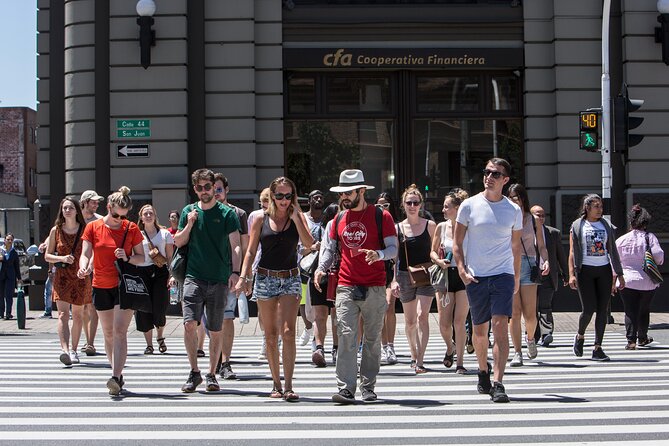
At Paseo Carabobo, you’ll see how a once polluted and noisy street became a greener, pedestrian-friendly boulevard with a tunnel-like feel and lots of color, people, and street vendors. Expect about fifteen minutes here. This is one of the best stops for understanding Medellín’s “before and after,” because the change is visible on the ground.
Then you’ll reach Centro Comercial Palacio Nacional, a building dating to the 1920s. The tour explains its original civic role, including that it housed courts and even a jail. Today it’s a shopping mall with art galleries on the upper floors.
You get about twenty-five minutes here, and it includes a real break. There’s time for coffee and a toilet stop, which is practical on a walking itinerary. Admissions are free, so you can focus on comfort and looking, not ticket logistics.
Nearby is Galería de Arte Palacio Nacional, where you can see what’s described as the largest collection of local art in the city. This is where you can slow down for a moment inside, and it fits the tour’s bigger theme: Medellín’s story isn’t only in monuments, it’s also in what local artists kept producing.
Iglesia de la Veracruz and the tension inside modern Colombia
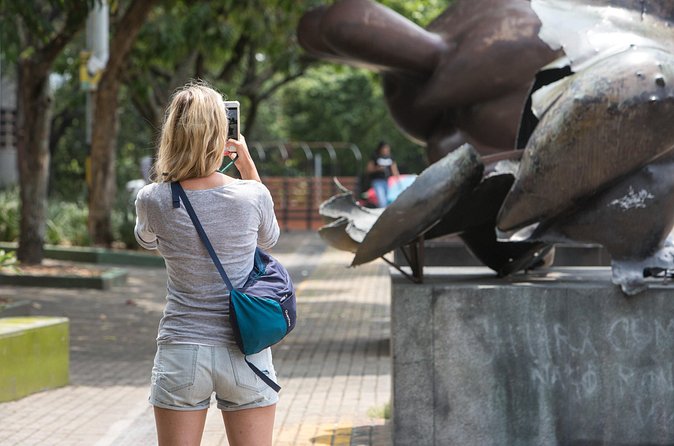
The tour then goes to Iglesia de la Veracruz. This stop is short, about five minutes, but the guide uses it to discuss contradictions in modern Colombian society.
That might sound heavy for a quick church visit, but the value is the framing. The guide points out the tension between what people argue is the city’s second oldest church and the reality you can observe in front of it. It’s a lesson in how the past gets used, interpreted, or ignored when the present moves fast.
If you like tours that don’t sugarcoat, this is the part where the tour gets more thoughtful. If you prefer purely architectural sightseeing, you might find this stop more discussion-heavy than you expect, but it still stays within the tight time window of the route.
Plaza Botero and a sculpture trail in the middle of downtown
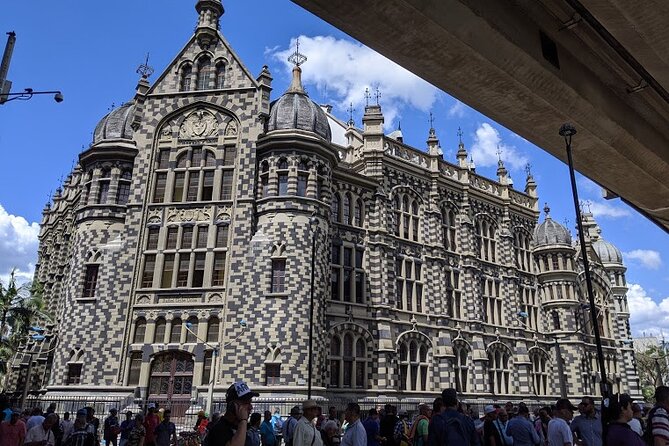
Next is Plaza Botero, the public square where Fernando Botero plays a major role in Medellín’s modern cultural identity. The guide talks about Botero’s influence on Medellín’s “resurrection” and walks you through the story of the 23 sculptures he donated to the city.
This stop is about ten minutes. It’s perfect if you want a quick art lesson without committing to a full museum day. You get the context for Botero’s style, then you walk the square and see the sculptures as a curated public statement.
Practical tip: if it’s hot or raining, Plaza Botero can still be comfortable because you can keep moving while looking up and around. The guide’s explanations give you something to do besides just stare at bronze and think where you’ve heard the name before.
The main art museum building that looks half finished
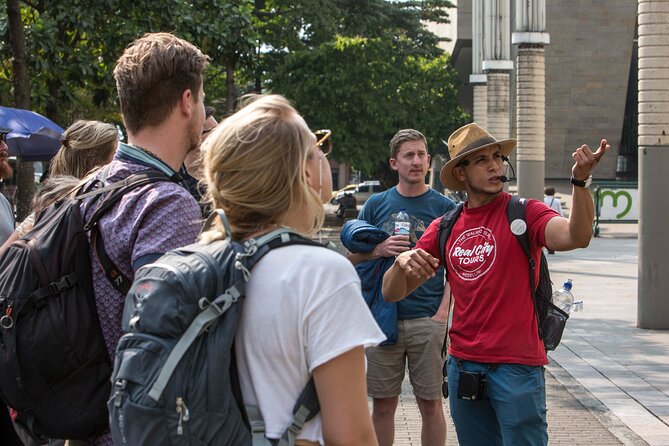
After Plaza Botero, you’ll see the city’s main art museum area and learn why it looks half built, including its connection to a Belgian architect.
This is one of those stops where the details matter. The tour’s goal here is to help you read architectural oddities as part of the city’s ongoing story, not as random unfinished construction.
Because the time is short, your takeaway will be the bigger idea: Medellín’s cultural ambitions have physical fingerprints. Sometimes buildings reveal delays, debates, and decisions as clearly as they reveal design.
If you’re the type who loves architecture questions, you’ll likely enjoy this stop because it turns what could be confusing into an explanation you can keep.
Pedro Nel Gómez frescoes, Estación de Policía, and what the metro changed
Now the tour heads to an area where history shows up in a surprising place: Estación de Policía Parque Berrío. Between the police station and the metro station Parque Berrío, there’s a set of frescoes painted by Pedro Nel Gómez. The guide points them out as a “hidden gem” and explains why they matter.
This portion is around ten minutes. The tour then connects the frescoes to the metro system, explaining the significance of the metro to the paisa people. That connection is what makes the stop feel more than decorative. It’s about how transportation infrastructure changes how people move, work, and feel about the city.
If you’re traveling in Medellín for more than a day, paying attention to the metro story early can make the rest of your trip easier. You learn not only how to use it, but what it symbolizes locally.
From Parque Berrío to Parque San Antonio, resilience in the open air
The route ends in a set of older squares and public spaces where you can feel the city’s stubborn memory.
First is Parque Berrío, described as Medellín’s oldest square. While it’s not colonial in appearance anymore, the guide explains how the old-school spirit still lives here, including the role of folk music.
Then you reach Parque San Antonio, the finish point. This is where the emotional layer hits hardest. You’ll see the Birds of Peace by Fernando Botero, and the guide explains how, after the 1995 bombing, the birds became symbols of resilience and resurrection for the city.
This stop runs about twenty minutes, the longest in the ending stretch. That makes sense because the symbolism needs time. You’re not only learning history, you’re learning why certain public images become part of a city’s coping language.
For many people, this is the perfect closing note because it ties together the tour’s main theme: Medellín’s transformation is not just about buildings. It’s about people, memory, and rebuilding with meaning.
Price and value for $16, plus what’s included
At $16 per person for about three hours, this is a solid value if you want guided context rather than aimless wandering. The big reason it feels fair is that the listed stops include free admissions at each location, so you are not paying extra for entry fees along the way.
You also get a bilingual tour guide, plus a group picture. The tour includes restaurant recommendations and activities recommendations, which can save you time when you’re deciding what to do after you leave downtown.
What’s not included is lunch, so plan for food elsewhere. The tour does include a coffee break at Palacio Nacional, but you should still think of lunch as your own choice after the walk.
Who is this best for? It’s ideal for first-timers who want a reliable mental map of Medellín’s downtown and a human explanation of its transformation. It also works well for travelers who like art and public space, not just “big sights.” If you prefer long museum time, you may want to pair this with a later, slower visit to one or two museums or galleries.
Who might not love it? If you hate walking or want very detailed time at just one or two stops, the compressed format can feel too quick. A lot of learning happens in short bursts, so you’ll get the most out of it if you stay mentally engaged through the entire route.
Should you book this historic walking tour?
Yes, I think you should book it if your goal is to understand Medellín’s why, not just collect postcards. For $16, you get expert interpretation across major symbols, architecture, and art, plus a practical end point at Parque San Antonio.
If you have any sensitivity to pacing, go in knowing it’s built on many short stops that add up to a full downtown story. And if you’re worried about understanding accents, choose a moment in the day when you can focus, ask clarifying questions, and don’t be shy about telling the guide when you need something repeated.
Overall, this is one of the best ways to get oriented in Medellín and to see how the city’s identity, art, and public space connect in real life.
Hot off the list in Medellin
- Tour Medellín: Pablo Escobar and Commune 13★ 5.0 · 3 reviews
- Tour Guatapé – Piedra del Peñol with departure from Medellín★ 5.0 · 24 reviews
- Tour Guatapé con visita a Granja de las Llamas y las Alpacas★ 3.5 · 11 reviews
- Shared Tour to Comuna 13 & Aurora Cable Car in Medellin★ 5.0 · 4 reviews
- Medellín: Flower Farm & Silletero History Tour★ 4.3 · 23 reviews
- Shared Tour Medellin’s Violence & Post-conflict after Pablo★ 4.1 · 3 reviews
- From Medellín: El Retiro Private Tour with Food Tastings★ 4.4 · 8 reviews
- Comuna 13 Neighborhood & Street Art Private Tour★ 4.7 · 12 reviews
Historical Tours, compared.
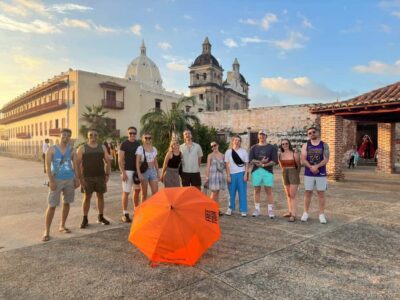
Historic Center and Getsemaní Shared Walking Tour
Read our review →
Shared Tour of the Historic Candelaria in Bogotá
Read our review →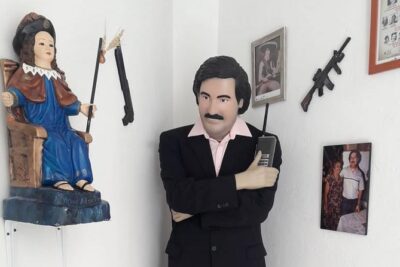
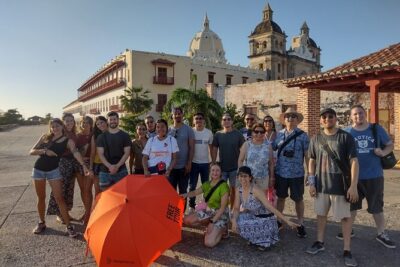
Historic Center & Getsemaní Shared Tour in Cartagena
Read our review →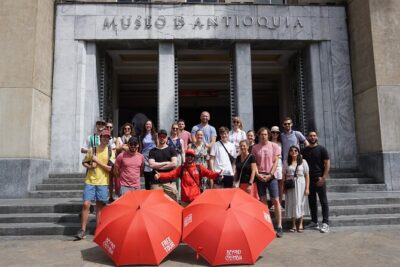
Shared Tour Historic Center of Medellin with Audio System
Read our review →
Medellín Essential: history & local life on E-bike
Read our review →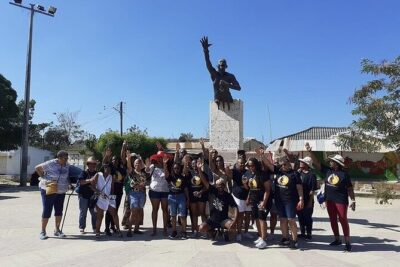

Bogota Shared Gastronomy Tour in the Historic Center
Read our review →Browse the lists this tour appears in