
REVIEW · WALKING TOURS
Bogota Walking Tour Teusaquillo, a different part of the city
Bogotá gets a second life in Teusaquillo. This 2 hour 30 minute walk strings together architecture and politics, plus a couple of very Bogotá style food and drink breaks. I love how the tour uses small, specific stops to explain big national turns, and I also like the practical payoff, coffee tasting and craft beer included in the price.
One heads up: it is a walking tour and there is no lunch included, so plan a meal on your own before or after.
In This Review
- Key highlights before you go
- Teusaquillo: Bogotá beyond the postcard routes
- Price and what you get for $28
- 2 hours 30 minutes, five stops, and how to pace yourself
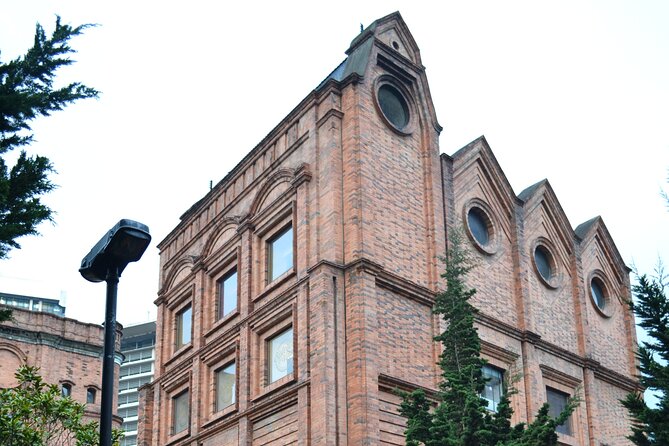
- Start at Museo Nacional Santa Fe: Colombia’s story in one building
- Cavas y Falcas and the story of industrial Bogotá
- A house tied to the start of political conflict
- Street art gallery stop: artists and public meaning
- ParkWay in the 50s zone: cafés, restaurants, and independent projects
- Condor Tours guide Daniel: how the city’s politics clicks
- Who should book this Bogotá walking tour
- Should you book this Bogotá Walking Tour in Teusaquillo?
- FAQ
- How much does the Bogotá Walking Tour Teusaquillo cost?
- How long is the tour?
- Where does the tour start and end?
- What is included in the tour?
- Is lunch included?
- How many people are in the group?
- Do I need to be an experienced walker?
- Can service animals join the tour?
- What is the cancellation policy?
Key highlights before you go
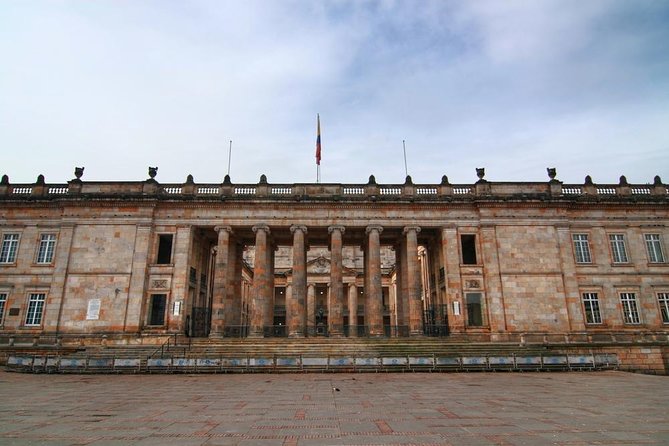
- Teusaquillo as a time machine, from independence era to the city’s modern expansion
- Museo Nacional Santa Fe start, built around Colombia’s political and artistic past
- Cavas y Falcas beer-company history, tied to industrial growth and neighborhood change
- Street art gallery stop, with major Colombian artists on display on local walls
- ParkWay finish in the 50s zone, a meeting place for cafés, restaurants, artists, and independent projects
- Small group size (max 20), which keeps the pace human and the questions easy
Teusaquillo: Bogotá beyond the postcard routes
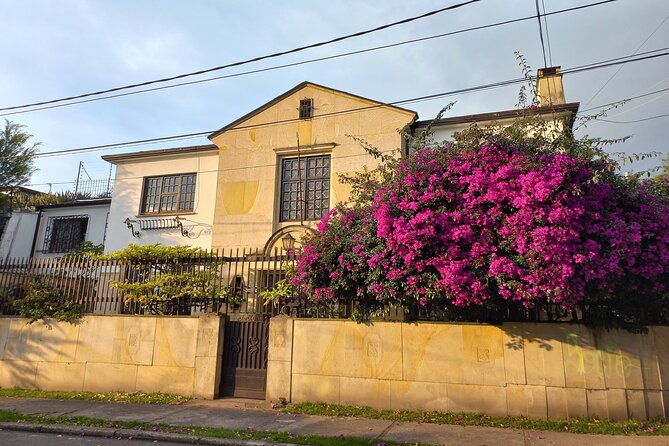
Teusaquillo is the kind of Bogotá neighborhood that feels calmer, a little smarter in its layout, and very different from the usual high-traffic routes. On this tour, I like that you are not just looking at buildings, you are learning why those buildings exist where they do.
The walking format matters. You cover enough ground to see real variety, but you still move slowly enough to notice details like how architecture is used like storytelling. That theme pops up from stop to stop: independence and conflict sit beside later urban growth, and street art shows up as its own kind of public commentary.
If you enjoy cities where politics shows up in everyday space, you’ll feel right at home here. And if your Colombia trip is your first time in Bogotá, this tour gives you a quick sense of the layers you would otherwise miss.
More Walking Tours in Bogota
- Bogotá: Guided La Candelaria Walking Tour
★ 4.8 · 1,229 reviews - Graffiti Tour: a fascinating walk through a street art City
★ 5.0 · 1,074 reviews - Walking Tour in La Candelaria Bogotá
★ 5.0 · 859 reviews
Price and what you get for $28
At $28 per person for about 2 hours 30 minutes, this is strong value because it includes more than a guide. You get coffee tasting, alcoholic craft beer, and the Condor Tours guide to connect the dots between what you see and what it meant.
A lot of tours at this price only deliver narration. Here, the included food and drink breaks give you a chance to slow down, talk with your guide, and experience Bogotá the way locals often do, with coffee and beer as social glue.
The one tradeoff is simple: no lunch is included. So if you arrive hungry, you’ll want to eat first or plan to stop afterward near ParkWay, where there are restaurants, cafés, and bars at the end of the walk.
2 hours 30 minutes, five stops, and how to pace yourself
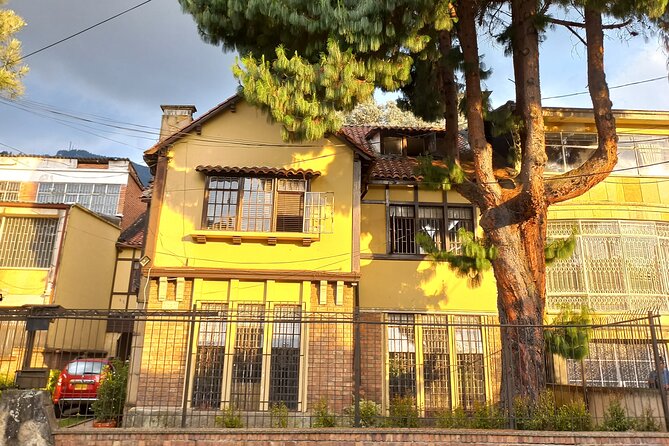
The route is built around five main stops, starting at Museo Nacional Santa Fe and ending at ParkWay, Cl. 39a. The tour is a true walking tour, and the city gives you less time to skim and more time to understand.
With a maximum of 20 travelers, you also avoid that awkward herd feeling. You can usually ask follow-up questions, and your guide can adjust the pace when the group slows down to read details or look at art.
What I’d do: wear comfortable shoes and keep your hands free for photos. Bogotá streets can be uneven, and you will likely want both camera and notes ready as you move between architecture, art, and the political themes your guide explains.
Start at Museo Nacional Santa Fe: Colombia’s story in one building
You begin at Museo Nacional Santa Fe. The stop is focused on Colombia’s history from independence through more recent times, not just as dates, but as a set of political shifts and cultural changes you can see reflected in the museum experience.
What’s especially useful for first-timers is how the museum stop connects multiple threads. You’ll see works by major artists, and you’ll also get the sense that the building itself contributes to the message. In other words, the walls and architecture are not neutral background, they frame the political story Colombia lived through.
The main benefit here is orientation. After this stop, later moments on the walk make more sense because you already have the bigger timeline in your head. If you normally skip museums when you travel, this is still worth doing, because the guide uses the museum as a springboard for the neighborhood context that follows.
A drawback to consider: museum time can feel dense. If you prefer lighter interpretation, you may want to focus on the themes your guide highlights rather than trying to absorb everything at once.
A few more Bogota plans worth comparing
- Bogotá Tour: Monserrate, Food, City Walk & Botero Museum
★ 5.0 · 328 reviews - Bogotá: True Colombian Walking Tour + Local Snacks
★ 5.0 · 291 reviews - Zipaquirá Salt Cathedral Private Tour + Walking Tour
★ 5.0 · 66 reviews - La Candelaria Walking Private Tour (3 Hrs.)
★ 5.0 · 51 reviews
Cavas y Falcas and the story of industrial Bogotá
Next, you head to the history tied to Cavas y Falcas, once connected to the country’s first beer company. This is one of those stops that makes you feel Bogotá in a different way, because beer is not just a drink here. It is connected to industry, trade, and how cities expand around work and business.
Your guide explains how this relates to broader change: the growth of industrialization and the way the city spread into later modern urbanizations. It’s a smart pivot. Instead of treating history like something locked inside a classroom, you see it in a neighborhood identity.
What I like about this stop is the way it breaks up the heavier political material from earlier. You get context, but it arrives through a story that feels everyday. That’s also why the upcoming drink stop feels earned rather than random.
One practical thought: pay attention when your guide mentions how the brewery era shaped the area. Even if you cannot picture the industrial setup instantly, the explanation gives you a mental map for the architecture you’ll pass later.
A house tied to the start of political conflict
The walk then includes the house of a character who changed Colombian history and is linked to the start of a political conflict. You’re also told this house is surrounded by some of the nicest architecture in the city, which matters because it frames the person and the era in physical space.
I like that this stop does not treat politics like a distant headline. You are standing somewhere real, looking at a built environment that reflects power, influence, and the kind of status that shaped conflict and decision-making.
Because the character’s name is not provided in the tour details I have here, I’ll keep my advice practical: listen closely to the story your guide gives about why this person mattered and how that conflict began. The meaning hits harder when you understand the chain reaction.
Potential drawback: if you are expecting mostly art and street scenes, this stop leans more political. It’s still part of the tour’s core theme, so it helps if you’re open to interpretation, not just photos.
Street art gallery stop: artists and public meaning
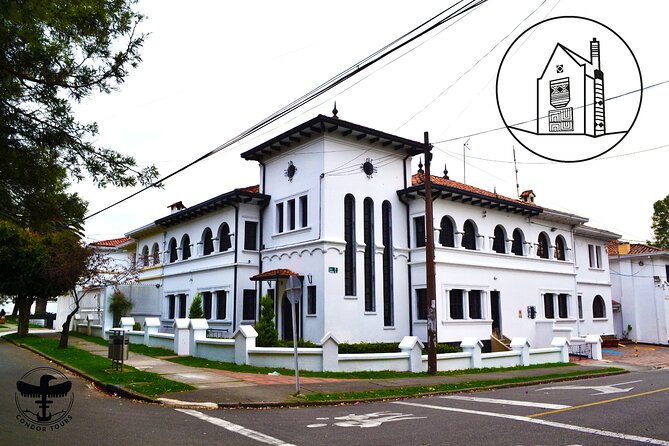
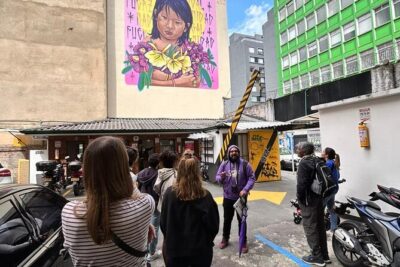
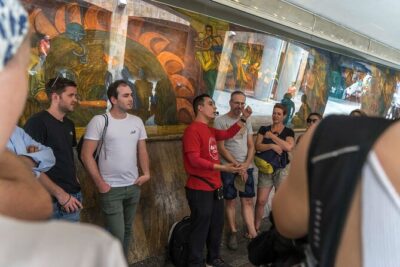
Now you shift from formal history to a more public, visible kind of voice. The tour includes a street art gallery stop featuring some of the greatest artists of the country. This part works because it shows how creativity becomes part of political and social conversation.
Street art is often misunderstood as decoration. On this tour, it comes across as commentary. You see how artists can take over public space and say something that would be harder to express in official settings.
What I appreciate is the contrast. Earlier stops connect history to architecture and institutions. Here, the message comes from artists working in the open, responding to their world in real time.
Practical tip: bring your curiosity for details. With street art, you’ll get more from looking at faces, symbols, and recurring themes than from taking quick snapshots and moving on. Slow down a bit here, and the stop will feel much richer.
ParkWay in the 50s zone: cafés, restaurants, and independent projects
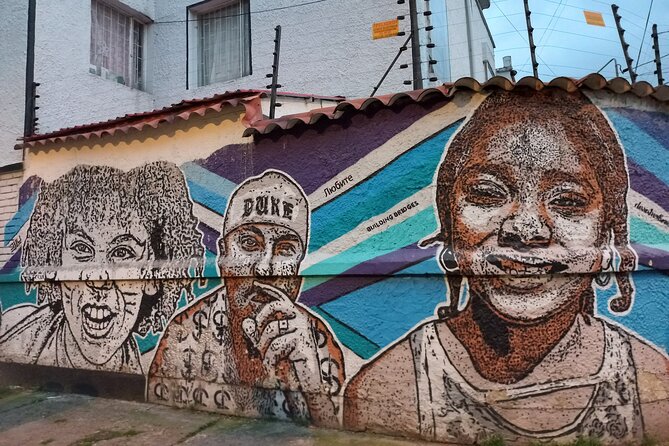
The tour ends at ParkWay (Cl. 39a), a meeting point where you find artists, restaurants, cafés, and independent projects. The area is known for beautiful architecture from the Bogota of the 50s, plus a bohemian spirit that fits the street art stop you just experienced.
This ending is smart because it turns your last moments into a choice. You can continue the vibe with coffee, a meal, or a drink, depending on what you feel like doing. Since lunch is not included, this is where your evening plan can pick up naturally.
I also like that ParkWay is not just a single viewpoint. It is a zone. That means you can wander a little, regroup, and try to digest what you just learned, without being pushed out by the tour schedule.
If you like to travel with a loose plan, this ending works well. You get a solid finish point, then you can choose your next step.
Condor Tours guide Daniel: how the city’s politics clicks
A tour like this lives or dies by the guide. The good news is that the Condor Tours guide, Daniel, brings the material to life with real context, not just facts. In the way he explains the sociocultural significance of Teusaquillo, politics stops feeling abstract.
The key skill here is translation. Daniel connects what you see, a museum wall, an old building, a street art panel, to why it matters in Colombia’s story. When you understand that connection, the stops stop being separate things. They become one line of thinking.
If you enjoy guides who answer questions and explain how a neighborhood shaped history, you’ll likely feel the difference quickly. And because the group is limited to 20 travelers, you have a better chance of asking your own follow-ups instead of hearing only the standard script.
Who should book this Bogotá walking tour
This is a great match if you want:
- Walking value, not just a ride with brief stops
- History with place, where politics and architecture connect
- Culture you can taste and drink, since coffee tasting and craft beer are included
- A neighborhood view of Bogotá, focused on Teusaquillo
You might skip it if you:
- Hate walking and prefer mostly seated tours
- Want a guaranteed full meal included, since lunch is not part of the package
- Prefer tours that focus only on art or only on architecture, because this one blends themes
Because most travelers can participate and it runs as a short walk with a small group, it also suits many first-timers who want a strong first impression of Bogotá beyond the main traffic.
Should you book this Bogotá Walking Tour in Teusaquillo?
Yes, if you want a practical, story-driven Bogotá experience that goes past sightseeing. The price feels fair because the tour includes coffee tasting and craft beer, and because you get a guide who clearly connects what you see to the political and sociocultural meaning behind it.
Book it especially if you’re the type who likes to understand a city’s “why,” not just its “what.” Teusaquillo can feel like a world apart, and this tour gives you the map for that feeling.
If you’re traveling on a tight schedule, aim to plan around the no-lunch detail. Eat first, then use the walk, the coffee, and the beer to keep your energy up before you head out for dinner near ParkWay.
FAQ
How much does the Bogotá Walking Tour Teusaquillo cost?
The price is $28.00 per person.
How long is the tour?
It runs for about 2 hours 30 minutes.
Where does the tour start and end?
It starts at Museo Nacional, Santa Fe, Bogotá, Colombia and ends at ParkWay, Cl. 39a, Bogotá, Colombia.
What is included in the tour?
The tour includes a Condor Tours guide, coffee tasting, and alcoholic beverages (craft beer).
Is lunch included?
No, lunch is not included.
How many people are in the group?
The tour has a maximum of 20 travelers.
Do I need to be an experienced walker?
No special experience is required. It is a walking tour and most travelers can participate.
Can service animals join the tour?
Yes, service animals are allowed.
What is the cancellation policy?
You can cancel for free up to 24 hours in advance for a full refund. If you cancel less than 24 hours before the start time, the amount paid is not refunded.
Hot off the list in Bogota
- Tour of Zipaquirá: Visit the Salt Cathedral and the main squares★ 4.5 · 55 reviews
- Zipaquirá and Salt Cathedral Muisca Heritage with Guide – Private★ 4.5 · 23 reviews
- Catedral de Sal desde Bogotá en Tren★ 5.0 · 5 reviews
- Zipaquira Salt Cathedral★ 5.0 · 4 reviews
- LOCAL GUIDE Zipaquirá PRIVATE TOUR – Salt Cathedral and Salt Oven★ 5.0 · 24 reviews
- Zipaquirá Salt Cathedral: An architectural wonder.★ 4.5 · 24 reviews
- Private Zipaquira Salt Cathedral and Guatavita Lagoon Tour from Bogota★ 4.5 · 44 reviews
- Zipaquira Salt Cathedral★ 4.5 · 12 reviews
Walking Tours, compared.
Historic Center and Getsemaní Shared Walking Tour
Read our review →
Private Walking Tour in Cartagena Walled City & Getsemaní
Read our review →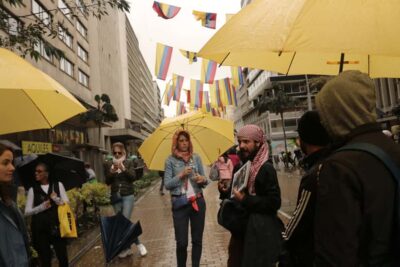
Graffiti Tour: a fascinating walk through a street art City
Read our review →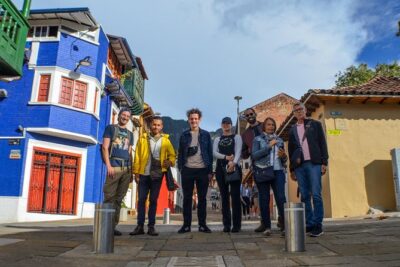
Medellin Historic Walking Tour with Expert Guide
Read our review →
Bogotá Tour: Monserrate, Food, City Walk & Botero Museum
Read our review →Browse the lists this tour appears in